Plot Explained Spoilers guaranteed!
Plot Explained

Browse by genre

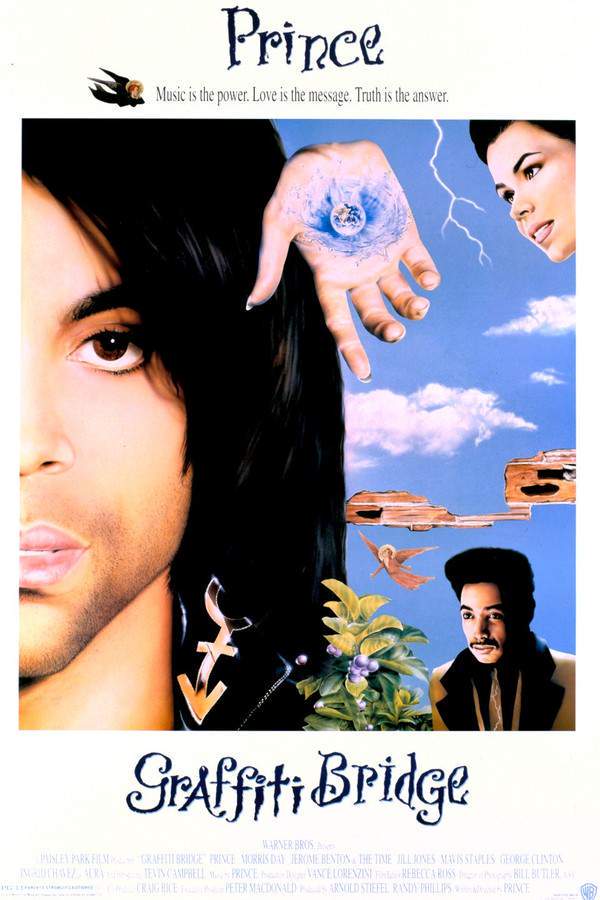
Graffiti Bridge (1990) movie poster

Plot Summary

Graffiti Bridge (1990) Plot Summary Explained

Release, runtime and language
1990 · 90 min · English
Loading streaming availability…
Starring
Prince, Levi Seacer Jr., Damon Dickson, Ingrid Chavez, Jerome Benton, Kirk Johnson

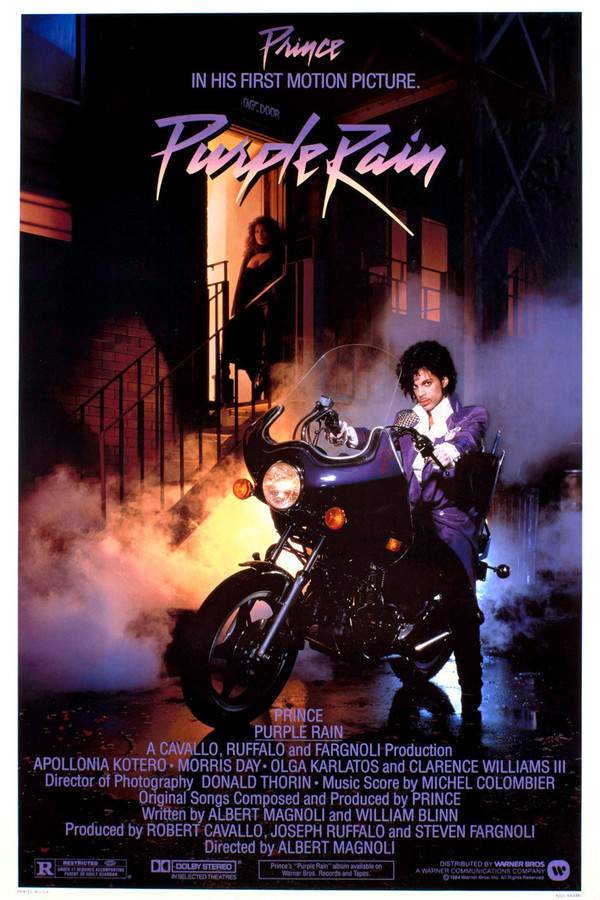
Set in Minneapolis’s lively music scene, this film follows The Kid, a rising artist, and Morris Day, an established performer, as they navigate a conflict of artistic ideals. Serving as a sequel to "Purple Rain," the story explores their passionate disagreement and the challenges of maintaining creative integrity within a rapidly changing environment. The film combines dramatic elements with a vibrant soundtrack, capturing the energy of the city’s music culture.

On this page (6)
  1. 1 Where to watch
  2. 2 What happens: full plot
  3. 3 Plot questions answered
  4. 4 Movie threads
  5. 5 Movies like Graffiti Bridge
  6. 6 Every angle
Loading streaming availability…

Full plot summary · contains spoilers

What Happens in Graffiti Bridge: Full Plot Summary

The whole story of Graffiti Bridge (1990) explained, from the opening scene to the final frame: every key event, every twist and what it all adds up to. Read it as a quick recap before the sequel, to check a scene you missed, or to finally understand what really happened.

The vibrant nightlife scene in Minneapolis has evolved since the events of Purple Rain, now thriving around an area known as Seven Corners. This eclectic spot features four primary venues: the Clinton House, owned by George Clinton; a club run by Melody Cool (Mavis Staples), who is raising her son Tevin (Tevin Campbell); the Glam Slam, presided over by the Kid (Prince); and Pandemonium, managed by Morris Day.

During a tactical meeting with his accomplice Jerome Benton and members of the Time, who act as his enforcers, Morris unveils a competitive strategy dubbed "See How They Run," a scheme aimed at monopolizing the club scene. Following the death of the First Avenue club owner, both Morris and the Kid hold equal stakes in the Glam Slam, leading to a brewing rivalry. Enforcer Terry (Terry Lewis) argues for a bigger share of the profits if Morris intends on expanding his financial empire. In a display of bravado, Morris challenges Terry to consume an intensely spicy chili pepper, setting the tone for a high-stakes game of one-upmanship.

Meanwhile, the Kid, immersed in his creative process, struggles with sleeplessness as he toils away on music in his underground quarters at the Glam Slam, leading to frustrations in his relationship with Jill (Jill Jones). In the midst of this, a feather descends from the sky, heralding the entrance of Aura (Ingrid Chavez), who ponderously questions her purpose for being there. A mild explosive planted by the enforcers detonates at the Glam Slam, prompting an inspection by the Kid, who finds the damage minimal and feels undeterred.

Morris arrives, frustrated by the Glam Slam's persistence, making a theatrical entrance alongside his girlfriend and lead dancer Robin (Robin Power). A humorous yet humiliating confrontation ensues as Morris and the Time upstage the Kid during his performance. The tension escalates when Morris and Jerome mock the Kid, culminating in a bizarre incident involving a potted plant. Striving to reclaim focus and create meaningful music, the Kid rides to Graffiti Bridge where he catches a glimpse of Aura, fostering a connection that lacks verbal acknowledgment.

As conflict escalates, Morris's possessiveness and authority are challenged not just by the Kid, but also by his relationships with Robin and Jill. The enforcers conspire among themselves, with Morris growing increasingly irritable, feeling threatened by the Kid’s artistic expression and longing for control. The rivalry deepens when the Kid, emboldened by Aura’s encouragement, challenges Morris to a musical showdown for ownership of the Glam Slam.

The evening of the competition intensifies, with both sides trying to draw patrons into their respective forces. The night unfolds with the Time performing an electrifying set while the Kid struggles to garner an audience with his uniquely intimate melodies. As the rivalry reaches a boiling point, both Morris and the Kid confront their demons, culminating in a desperate emotional journey.

In a tragic turn, Aura meets her untimely death while trying to protect a friend during a chaotic clash at the clubs. Devastated by loss, the Kid, spiraling into despair, contemplates suicide, haunted by memories of Aura. However, her spirit urges him on, reigniting his resolve just as the community rallies around him.

The climactic culmination showcases an inspiring performance, where love transcends rivalry, leading to a renewed spirit at Seven Corners. Morris ultimately concedes, embracing the Kid in a moment of unity. The Kid, motivated by newfound hope, immortalizes his feelings on the walls of the Glam Slam, with a piece dedicated to Graffiti Bridge, cementing the bond he formed with Aura and triumphantly transforming the club scene once again.
Last updated: October 25, 2024 at 10:12

Was this helpful?

Plot questions answered

Graffiti Bridge Plot Explained: Your Questions Answered

The questions people ask most about Graffiti Bridge (1990): what happens in the confusing scenes, why the characters do what they do, the twists, hidden details and what the ending means. Each answer contains spoilers.

Q1

Why does the rivalry between the Kid and Morris Day start?

The rivalry begins because both the Kid and Morris end up with equal stakes in the Glam Slam after the death of the First Avenue club owner. Morris, who runs Pandemonium and controls the Time as his enforcers, feels threatened by the Kid's growing artistic expression and decides to monopolize the club scene with his 'See How They Run' competitive strategy.

Foreshadowing: Earlier, Morris's tactical meeting with Jerome Benton and the Time reveals his ambitious plan to dominate the nightlife scene.

  • kid
  • morris day
  • rivalry
  • glam slam
  • ownership
  • first avenue
Q2

What is Morris Day's 'See How They Run' plan?

'See How They Run' is Morris Day's competitive strategy to monopolize the Minneapolis club scene. During a tactical meeting with his accomplice Jerome Benton and the Time (who act as his enforcers), Morris outlines this plan to outmaneuver the Kid and secure dominance over all the venues at Seven Corners.

  • morris day
  • see how they run
  • strategy
  • time
  • club scene
  • domination
Q3

Who is Aura and what role does she play?

Aura is a mysterious spiritual figure who appears at the Glam Slam after a feather descends from the sky. She poses questions about her purpose for being there and forms a deep, wordless connection with the Kid at Graffiti Bridge. Her encouragement emboldens the Kid to challenge Morris to the musical showdown. She represents inspiration and artistic purity, though her tragic death becomes a pivotal moment that sends the Kid into despair.

Foreshadowing: The feather descending signals her arrival, and her mysterious questioning about her purpose hints at her transient, almost otherworldly nature.

  • aura
  • spirit
  • angelic figure
  • inspiration
  • kid
  • graffiti bridge
Q4

Why does Aura die in the movie?

Aura dies tragically during a chaotic clash at the clubs while trying to protect a friend. Her death serves as the catalyst for the Kid's emotional breakdown and his subsequent contemplation of suicide, marking the film's darkest moment.

  • aura
  • death
  • tragedy
  • kid
  • protecting friend
  • chaos
Q5

Why does the Kid consider suicide after Aura's death?

After Aura's death while trying to protect a friend during the club clash, the Kid is devastated and spirals into deep despair. Haunted by memories of Aura, he reaches his lowest point and contemplates suicide, unable to cope with the loss of the spiritual connection that had inspired him.

Foreshadowing: The Kid's earlier creative struggles and sleeplessness already establish his fragile emotional state before Aura's death.

  • kid
  • suicide
  • aura death
  • despair
  • grief
  • emotional breakdown
Q6

How does the Kid overcome his despair after Aura's death?

The Kid is guided back to hope by Aura's spirit, which appears to him in his darkest hour urging him to continue. The community rallies around him, providing support during his time of need. This combination of spiritual guidance and community support enables him to channel his grief into a powerful tribute performance at the climactic musical showdown.

Foreshadowing: Aura's earlier encouragement at Graffiti Bridge and her spiritual presence hinted at her continuing influence beyond death.

  • kid
  • aura spirit
  • recovery
  • hope
  • community
  • performance
  • tribute
Q7

Why does Morris Day concede to the Kid at the end?

Morris concedes after witnessing the Kid's inspiring performance that channels his grief into a powerful tribute to Aura. The Kid's music successfully unites the community and demonstrates that love can transcend rivalry. This emotional display, combined with the Kid's obvious talent and genuine artistic expression, leads Morris to embrace unity and acknowledge the Kid's aspirations.

  • morris day
  • kid
  • concede
  • unity
  • rivalry resolved
  • acceptance
Q8

What is the significance of Graffiti Bridge in the movie?

Graffiti Bridge is a location where the Kid rides to find inspiration when struggling with his creative process. There, he glimpses Aura and forms a deep, wordless connection with her. This moment becomes pivotal because it inspires him to embrace his artistic side and ultimately challenge Morris to the musical showdown. The Kid later immortalizes his feelings for Aura by dedicating a piece at the Glam Slam to 'Graffiti Bridge.'

  • graffiti bridge
  • inspiration
  • aura
  • kid
  • artistic connection
  • dedication
Q9

What happens to the Glam Slam ownership at the end?

After the climactic musical competition, Morris ultimately concedes and acknowledges the Kid's talent. While the exact ownership arrangement isn't detailed, the rivalry ends with unity rather than conflict. The Kid memorializes his bond with Aura on the walls of the Glam Slam, marking a transformative moment for both the club and the nightlife community.

  • glam slam
  • ownership
  • kid
  • morris
  • competition resolved
  • transformation
Q10

What triggers the musical competition between the Kid and Morris?

The competition is triggered when the Kid, emboldened by Aura's encouragement and feeling confident in his artistic vision, challenges Morris to a musical showdown for ownership of the Glam Slam. The rivalry has been escalating throughout the film, with Morris growing increasingly frustrated by the Kid's artistic expression and feeling threatened by his growing popularity.

Foreshadowing: Earlier confrontations, including Morris humiliating the Kid during a performance and mocking him, escalated tensions leading to this challenge.

  • competition
  • musical showdown
  • glam slam
  • kid
  • morris
  • challenge
  • ownership

Movie threads

More Movies Like Graffiti Bridge, by Mood & Story

Curated lists built around what makes Graffiti Bridge tick: the same mood, the same kind of story or the same emotional payoff. Each list explains why these movies belong together.

Musical Rivalry Dramas like Graffiti Bridge

Stories where music fuels a passionate rivalry that transforms into a bittersweet resolution. If you enjoyed the artistic conflict and musical energy of Graffiti Bridge, explore other movies like it. This section features dramas where passionate rivalries between musicians drive the narrative, set within a vibrant music scene and leading to a bittersweet, emotionally resonant conclusion.

  • melancholic
  • vibrant
  • competitive
  • somber
  • introspective
  • hopeful
  • Tone: melancholic, bittersweet, vibrant
  • Pacing: variable, alternating between energetic and reflective
Why these movies?

The story pattern: The narrative typically follows two artists—one established, one rising—locked in a passionate disagreement over their art. This conflict is often amplified by a high-stakes competition or personal tragedy, testing their integrity. The story arc moves through intense rivalry and somber reflection, culminating in a transformative event that shifts the dynamic from competition to a deeper understanding or unity, resulting in a bittersweet but hopeful ending.

Why they belong together: These films are grouped together because they share a core focus on artistic rivalry as the central driver of drama, blended with a dynamic musical landscape. They balance high-energy performance sequences with introspective, melancholic character moments, creating a specific emotional rhythm that moves from conflict to a cathartic, unifying resolution.

Movies with Urban Spiritual Melancholy like Graffiti Bridge

Films blending urban energy with spiritual themes and a deep, reflective sadness. For viewers who appreciated the blend of city nightlife and spiritual themes in Graffiti Bridge. Discover similar films that capture a melancholic, introspective mood within a vibrant urban setting, often dealing with loss and the search for meaning through a dreamlike or symbolic narrative.

  • spiritual
  • melancholic
  • urban
  • dreamlike
  • somber
  • introspective
  • Tone: somber, spiritual, introspective
  • Pacing: variable, dreamlike flow
Why these movies?

The story pattern: Stories in this thread unfold in dynamic urban environments, but the plot is driven by internal, spiritual crises. A character grapples with loss or a search for meaning, often guided by an enigmatic or angelic figure. The narrative weaves between the electrifying reality of the city and quiet, symbolic moments of introspection, leading to a personal transformation or acceptance that carries a weight of sadness but also a glimmer of hope.

Why they belong together: These movies are connected by their distinct atmosphere: a fusion of a gritty or vibrant urban setting with a soulful, spiritual undertone. They share a melancholic, somber mood that is punctuated by moments of beauty and energy, creating a dreamlike contrast that defines their unique emotional and sensory experience.

If you liked this

Movies Like Graffiti Bridge

Similar movies to Graffiti Bridge: the same genre, themes or kind of story. Each one comes with its own plot summary, timeline and ending explained.

Browse all movie summaries

Every angle

Graffiti Bridge (1990) Explained: Plot, Timeline & Characters

Everything about Graffiti Bridge in one place: what happens in the plot summary, the timeline in chronological order, the characters and meaning and a spoiler-free summary. What's After the Movie adds the cast, box office and post-credit scenes.

Coming soon on iOS and Android

The Plot Explained Movie Summary App

Plot summaries, endings explained and timelines on your phone. Catch up on any movie in minutes, save your favorites and never miss a twist again.

Be the first to know when we launch. Your email stays private, always.

Learn more about the app