In a dim, candlelit studio, a singer rehearses with her band while a dancer, Kate Bush, known as Rubberband Girl, moves with a hypnotic, elastic rhythm. After everyone else leaves, she lingers in the glow, softly singing to herself as the room settles around her, a quiet moment that echoes the ache and beauty of the track And So Is Love.
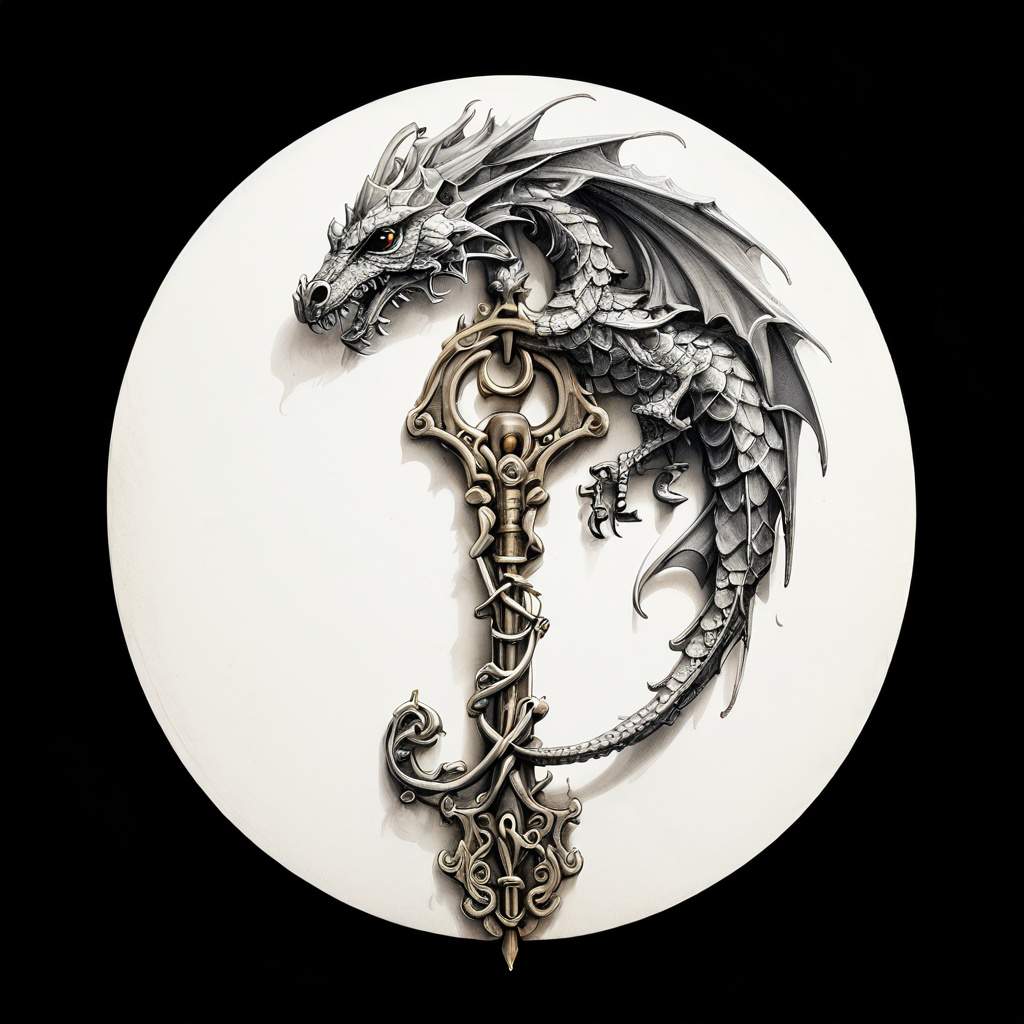
Suddenly, a Mysterious Woman, Miranda Richardson, crashes through the studio’s mirror, claiming she has survived a fire and begging for help to return home. To earn her passage, she asks the singer to draw three symbols on three pieces of paper: a line, a cross, and a curve. In exchange, the woman offers the singer her prized red ballet shoes. The curve is said to stand for a smile, the cross for a heart, and the line for a path, a triad of meanings that will guide or trap depending on who wields them.
Bandages that once wrapped the mysterious woman’s hands suddenly peel away, signaling trouble, but before the singer can react, the shoes themselves snap to the singer’s feet. The villain—an unseen force—revisits through the mirror, and a faint man appears and gestures toward the singer. The journey pushes the singer across the mirror into the other world of The Red Shoes, a place where power can be both liberating and deadly.
The Wind Machine Man arrives as the guide’s counterpart, and the two figures begin to shape the risk and the route ahead. The Wind Machine Man, Peter Richardson, helps calm the enchanted shoes, yet he also emphasizes a crucial rule: to escape the villain’s grip, the singer must “sing back the symbols.” The rule is spoken aloud, but the weight of it lands in the space between fear and resolve.
To deepen her safeguards, the guide introduces the singer to Lily, the mystic, Lily, who offers protection and counsel. Lily helps her recover the Line by guiding her through a memory-laden ritual, a pivotal step in regaining control of her destiny.
On the guide’s careful nudge, the singer begins to reach back for her past—loved ones, some of whom have died—until she claims the Cross, a symbol tied to memory and tenderness, a moment she designates as Moments of Pleasure. The ritual makes the cross feel tangible again, giving her a deeper sense of who she is and what she stands to lose should she fail.
The villain returns with taunts that cut through the hallmarks of courage, but the singer grows more determined, realizing that her fear isn’t loss of power itself, but of losing the power she has found within this struggle. She chases the villain, determined to reclaim the three papers and their power.
A tableau unfolds as a joyful crowd dances on a carpet of fruit, a surreal moment that beckons the singer to join. The sequence, titled Eat the Music, sees her slip into the celebration while the villain continues to flee, a vivid contrast of exuberance and danger. The moment of re-connection culminates as the papers slip from the villain’s grasp and drift into the singer’s hands, while the shoes fall back to the villain’s feet.
She returns through the mirror to her own world, the room behind her now different for having faced the trial. The villain is buried beneath rubble, but the shoes’ influence lingers, and the dancer’s feet—still bound by the magic—push through the ruin to keep moving, to keep dancing, to keep insisting that art, like love, can endure even after the darkness has pressed close.
The story winds on a thread of ritual and performance, where music, symbol, and memory collide in a sequence that feels both dreamlike and dangerously real. It is a journey about temptation, power, and the fierce, fragile will to reclaim one’s own path—and the way art, even when it demands sacrifice, can offer a path back to light.