The Song of Songs

The Song of Songs

Year: 1933

Runtime: 90 mins

Language: English

Director: Rouben Mamoulian

DramaRomance

After her father’s death, Lily moves to the city to live with her strict aunt. By day she works in the aunt’s bookstore; by night she slips across the street to pose for Richard, a sculptor, and they fall deeply in love. Meanwhile, Baron von Merzbach, a patron of Richard, becomes fascinated with Lily, harboring motives that are far from pure.

Warning: spoilers below!

Haven’t seen The Song of Songs yet? This summary contains major spoilers. Bookmark the page, watch the movie, and come back for the full breakdown. If you're ready, scroll on and relive the story!

The Song of Songs (1933) – Full Plot Summary & Ending Explained

Read the complete plot breakdown of The Song of Songs (1933), including all key story events, major twists, and the ending explained in detail. Discover what really happened, and what it all means.

An innocent peasant girl, Lily, Marlene Dietrich is bereft of family after the death of her elderly father. Her aunt, Mrs. Rasmussen, Alison Skipworth, who owns a book shop, reluctantly takes in Lily, but treats her more as a servant than as a niece. The naturally affectionate girl attracts the attention of a local sculptor, Brian Aherne who flirts with her and invites her to his atelier, suggesting she pose for him. Lily demurs, but suffering under the ill-willed scrutiny of her aunt, she reconsiders and consents. In posing in the nude for Richard she discovers her womanhood, and incidentally, falls in love with the penurious artist. The artist finds himself ill-equipped to respond fully to Lily’s overwhelming passion for him.

A suitor appears in the form of the wealthy Baron von Merzbach, Lionel Atwill. A patron of Mrs. Rasmussen’s book shop, he schemes to take Lily to his estate and make her his mistress, under the fiction that the mostly illiterate girl will serve as his secretary. The aunt accepts a cash bargain from the Baron, and casts her out. Lily flees to Robert’s studio with the Baron in pursuit. To her dismay Richard hands her over to the Baron, believing she may be better off with a man who can provide for her.

The Baron becomes infatuated with Lily and marries her, but expels her from his estate when, in despair, she attempts to seduce the Baron’s riding master.

By chance, Richard encounters Lily, now working in a Berlin cabaret. She blames him for her degraded existence, but cynically praises him for disabusing her of her illusions, and allowing her to escape her naiveté and embrace the harsh realities of life. Remorsefully, Richard invites Lily to return to his studio. There she is confronted with the now completed marble statue she first posed for in her girlhood, an image of unspoiled innocence. In a calculated rage, she smashes the figure to pieces. After this catharsis, Lily and Richard reconcile and establish a genuine union.

Last updated: October 07, 2025 at 09:39

Was this helpful?

The Song of Songs (1933) Plot Questions Answered – Summary FAQ

Explore frequently asked questions about The Song of Songs (1933) with spoiler-rich answers covering the full plot summary, major story beats, character motivations, hidden details, and ending meaning. This movie summary FAQ helps explain confusing scenes, plot twists, and narrative decisions in clear, searchable detail.

Q1

Why does Richard hand Lily over to the Baron?

A.

Richard hands Lily to the Baron because he believes the wealthy nobleman can provide her with a better life than he ever could as a struggling sculptor. Though Richard loves Lily, he feels ill-equipped to care for her financially and emotionally, convincing himself that surrendering her to the Baron's protection is the selfless choice despite knowing the Baron's intentions are dishonorable.

Richard's earlier inability to fully respond to Lily's passion foreshadows his failure to protect her when it matters most.

richardbaronbetrayallove trianglesacrifice
Q2

Why does Lily thank Richard for her degradation?

A.

Lily thanklessly tells Richard that he did her a favor by taking away her innocence and illusions. She means that experiencing the harsh realities of life, from the Baron's manipulation to performing in the cabaret, forced her to grow up and see the world clearly. She now prefers bitter truth over sweet delusion, which she credits Richard for teaching her.

Lily's discovery of her womanhood through posing for Richard planted the seeds of her awakening.

lilyrichardinnocencedisillusionmentmaturity
Q3

Why does Lily destroy the marble statue at the end?

A.

Lily smashes the completed marble statue because it represents her lost innocence and the idealized version of herself that she can never reclaim. Seeing the sculpture of her younger, pure self triggers her rage at being forced through suffering and degradation. Destroying the statue is her act of catharsis, it symbolizes her rejection of the past and her acceptance of who she has become.

The statue was created from Lily's first nude posing session, linking her discovery of womanhood to the image she now rejects.

lilystatueinnocencedestructioncatharsis
Q4

Why does the Baron kick Lily out of his estate?

A.

The Baron expels Lily after discovering she attempted to seduce his riding master. Though the Baron himself pursued Lily as his mistress, her obvious infidelity enrages him and shame drives him to cast her out. The incident exposes the hypocrisy of their marriage and marks Lily's complete social downfall.

The Baron's pursuit of Lily was always about possession rather than genuine affection, foreshadowing his harsh rejection when betrayed.

baronriding masterexpulsioninfidelityshame
Q5

Why can't Richard reciprocate Lily's love?

A.

Richard is emotionally overwhelmed by Lily's intense passion and feels unworthy of her. As a poor, struggling sculptor, he doubts he can provide for her future. His emotional inadequacy manifests as inability to fully commit, leaving him ill-equipped to handle her overwhelming feelings even though he cares for her.

Richard's initial flirtation and invitation to pose hints at his attraction, but his hesitation reveals his emotional limitations.

richardlovepassioninadequacysculptor
Q6

Why does Aunt Rasmussen accept the Baron's offer for Lily?

A.

Aunt Rasmussen accepts the Baron's cash payment because she views Lily more as a servant than family and sees financial opportunity. The Baron schemes to take Lily as his mistress under the pretense of hiring her as a secretary, offering money that the greedy aunt cannot resist. She betrayally casts Lily out for personal gain.

The aunt's initial treatment of Lily as a servant rather than a niece establishes her mercenary nature.

aunt rasmussenbaronmoneybetrayalgreed
Q7

What happens to Lily after she destroys the statue?

A.

After smashing the statue, Lily reconciles with Richard and they form a genuine partnership based on honesty and mutual respect. This bittersweet ending shows them committed to a real relationship rather than the idealized, one-sided devotion that defined their earlier connection.

Richard's invitation for Lily to return to his studio signals his remorse and desire for reconciliation.

lilyrichardreconciliationendingunion
Q8

Why does Lily end up working in a Berlin cabaret?

A.

Lily is forced into the cabaret after being expelled from the Baron's estate. With no family, no money, and damaged reputation, performing at the cabaret becomes her only means of survival. The descent represents her complete social fall from innocent peasant girl to desperate performer.

The Baron's marriage to Lily was built on shaky ground, making her eventual expulsion inevitable.

lilycabaretberlindownfallsurvival
Q9

What are the Baron's true intentions toward Lily?

A.

The Baron's interest in Lily is purely predatory, he wants to make her his mistress despite presenting the arrangement as a secretarial position. As a wealthy patron of the bookshop, he uses his influence and money to manipulate the situation, eventually marrying her briefly before discarding her when she disobeys.

The Baron's patronage of the bookshop gives him access to Lily, revealing his calculating approach.

baronmistressmanipulationwealthintentions
Q10

What does the marble statue represent in the story?

A.

The marble statue represents Lily's lost innocence and the idealized, pure version of herself from when she first posed for Richard as an unknowing girl. Throughout her journey of suffering, the completed sculpture becomes a painful reminder of who she was and can never be again, making its destruction both tragic and liberating.

Lily's nude posing session initiated her awakening and loss of innocence.

statueinnocencesymbolismmarbleimage
Mobile App Preview

Coming soon on iOS and Android

The Plot Explained Mobile App

From blockbusters to hidden gems - dive into movie stories anytime, anywhere. Save your favorites, discover plots faster, and never miss a twist again.

Sign up to be the first to know when we launch. Your email stays private, always.

Explore Movie Threads

Discover curated groups of movies connected by mood, themes, and story style. Browse collections built around emotion, atmosphere, and narrative focus to easily find films that match what you feel like watching right now.

Bittersweet Melodramas of Lost Innocence like The Song of Songs

Tragic romantic journeys into disillusionment, ending with a qualified redemption.If you liked the tragic yet redemptive arc of Lily in The Song of Songs, you'll find similar resonance in these movies. This thread gathers stories of young protagonists navigating sexual awakening and class divides, leading to a loss of innocence and a bittersweet emotional conclusion.

melancholictragicpassionateredemptivedespairingbittersweetromanticcynical

Narrative Summary

The narrative follows a protagonist, often young and inexperienced, who enters a world that corrupts their initial purity. A romantic or artistic entanglement leads to exploitation, forcing them to confront cynicism and harsh truths. The story culminates not in pure despair, but in a complex acceptance or reconciliation that carries the weight of their experiences.

Why These Movies?

Movies in this thread share a melancholic tone, a steady, deliberate pacing that allows for emotional depth, and a medium-high emotional weight. They are unified by the core theme of a painful but transformative loss of innocence and a bittersweet resolution that acknowledges both the tragedy and the growth.
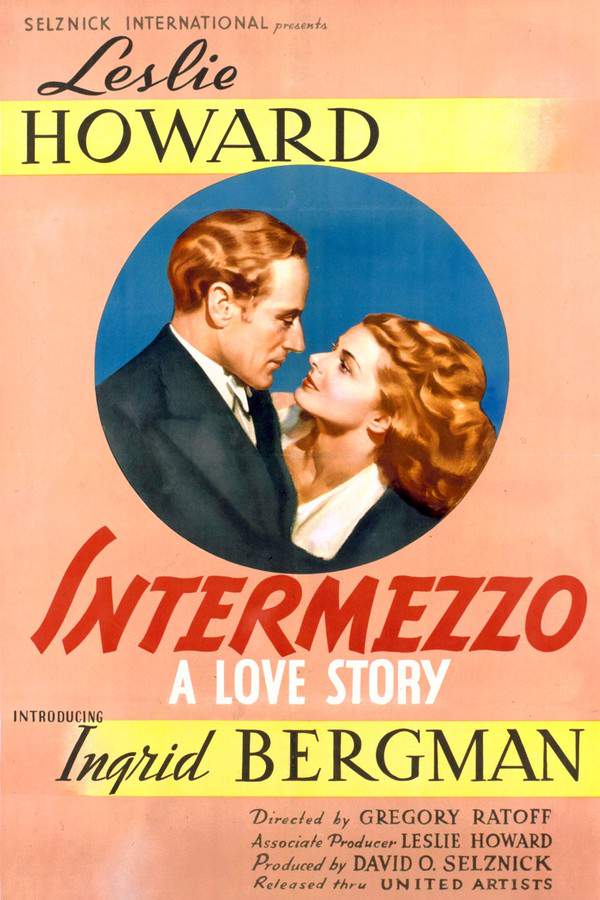
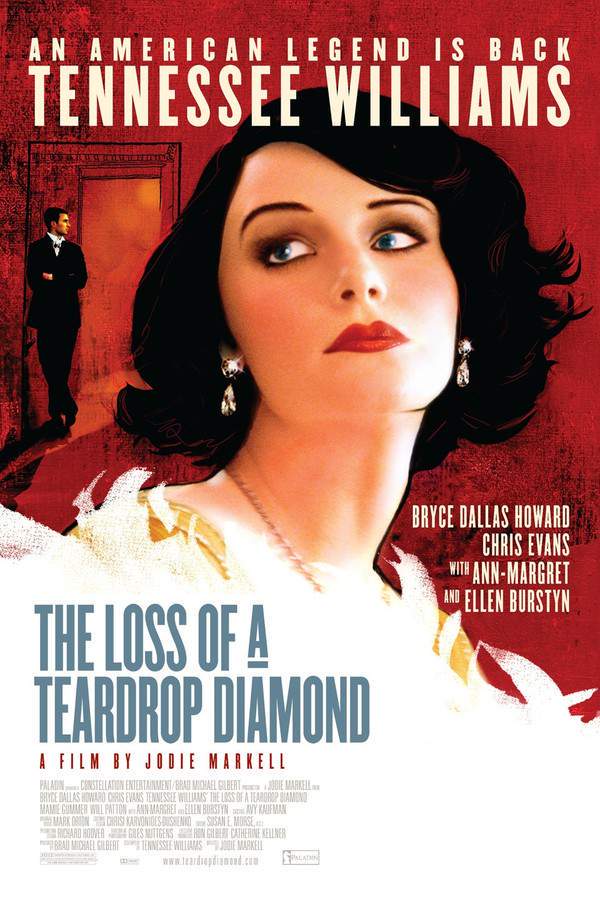
Artistic Love Triangle Stories like The Song of Songs

Where romantic rivalries intertwine with artistic passion, leading to exploitation.Discover movies similar to The Song of Songs that explore the volatile intersection of art, desire, and class. These films feature love triangles where a patron or wealthy figure threatens a genuine artistic connection, creating dramatic tension and themes of exploitation.

passionatetragicromanticcynicalartisticexploitationclass dividedramatic

Narrative Summary

The plot revolves around a love triangle involving an artist, their muse or lover, and a wealthy or powerful patron. The patron's desire is often possessive and morally questionable, creating a conflict between genuine creative passion and the corrupting influence of money or status. The narrative explores the ensuing emotional damage and moral compromises.

Why These Movies?

These films are grouped by their specific thematic focus on the art world as a backdrop for destructive love triangles. They share a passionate, sometimes cynical mood, a steady pacing that builds dramatic tension, and a consistent exploration of how desire and power dynamics can pervert artistic expression and genuine connection.

Unlock the Full Story of The Song of Songs

Don't stop at just watching - explore The Song of Songs in full detail. From the complete plot summary and scene-by-scene timeline to character breakdowns, thematic analysis, and a deep dive into the ending - every page helps you truly understand what The Song of Songs is all about. Plus, discover what's next after the movie.

The Song of Songs Timeline

Track the full timeline of The Song of Songs with every major event arranged chronologically. Perfect for decoding non-linear storytelling, flashbacks, or parallel narratives with a clear scene-by-scene breakdown.

The Song of Songs Timeline

Characters, Settings & Themes in The Song of Songs

Discover the characters, locations, and core themes that shape The Song of Songs. Get insights into symbolic elements, setting significance, and deeper narrative meaning - ideal for thematic analysis and movie breakdowns.

Characters, Settings & Themes in The Song of Songs

The Song of Songs Spoiler-Free Summary

Get a quick, spoiler-free overview of The Song of Songs that covers the main plot points and key details without revealing any major twists or spoilers. Perfect for those who want to know what to expect before diving in.

The Song of Songs Spoiler-Free Summary

More About The Song of Songs

Visit What's After the Movie to explore more about The Song of Songs: box office results, cast and crew info, production details, post-credit scenes, and external links - all in one place for movie fans and researchers.

More About The Song of Songs

Similar Movies to The Song of Songs

Discover movies like The Song of Songs that share similar genres, themes, and storytelling elements. Whether you’re drawn to the atmosphere, character arcs, or plot structure, these curated recommendations will help you explore more films you’ll love.