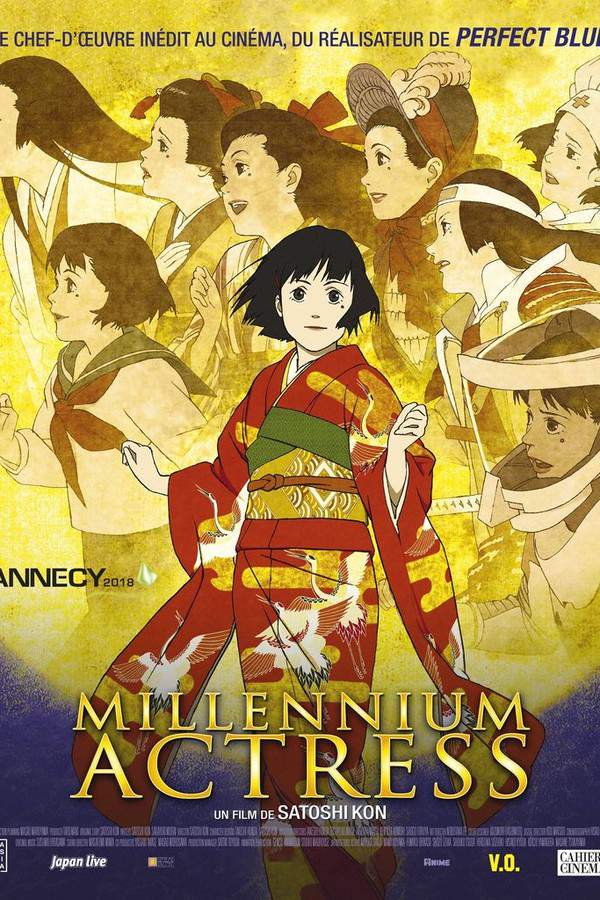
Year: 2003
Runtime: 87 min
Language: Japanese
Director: Satoshi Kon
A celebrated actress, nearing the end of her career, agrees to be the subject of a documentary. During filming, she shares her remarkable life story with the filmmakers, revealing a past filled with captivating roles and personal drama. The narrative interweaves her on-screen performances with the events of her life, exploring themes of love, loss, and the powerful connection between an actor’s identity and their art.
Warning: spoilers below!
Haven’t seen Millennium Actress yet? This summary contains major spoilers. Bookmark the page, watch the movie, and come back for the full breakdown. If you're ready, scroll on and relive the story!
Read the complete plot breakdown of Millennium Actress (2003), including all key story events, major twists, and the ending explained in detail. Discover what really happened—and what it all means.
Chiyoko Fujiwara, a celebrated actress who once graced the silver screen for the Ginei film company, agrees to partake in a retrospective interview as the company prepares to demolish its old studio. This marks her first interview in three decades following her abrupt departure from the entertainment scene. Documentarian Genya Tachibana, an ardent admirer of Chiyoko, visits her residence alongside his cameraman, Kyoji Ida. Before the interview starts, Tachibana presents Chiyoko with a small box containing an antique key. She reflects on the key’s significance, noting that it “opens the most important thing,” which prompts a deep introspection into her life.
Chiyoko’s journey begins during the devastation of the 1923 Great Kantō earthquake, an event that tragically claimed her father’s life. As a young schoolgirl, she is enlisted by Ginei’s general manager to star in a government-sponsored film aimed at rallying the spirits of soldiers in the Second Sino-Japanese War. Despite her mother’s strong disapproval, who envisions Chiyoko taking over the family confectionery shop after marriage, Chiyoko feels drawn to the allure of stardom. Her life takes a turn when she encounters a political dissident painter on the run from authorities, who she hides in her home’s storehouse. He ultimately flees to Manchuria to join his comrades, leaving her with the key to his art supplies box. Though she tries to reach him before he departs, she vows to reunite, a promise that resonates in Genya’s recognition of this moment from one of her films, intertwining her lived experiences with her cinematic roles.
As she recalls the film set in Manchuria, Chiyoko pursues an acting career there, hoping the artist might find her. Along the way, she meets Junichi Ōtaki, the general manager’s nephew and a budding director, alongside Ginei’s leading actress, Eiko Shimao. Their filming journey leads Chiyoko to northern Manchuria, urged by a fortuneteller bribed by Eiko. However, her adventures soon take a darker turn as bandits ambush her train, transitioning the narrative to a dramatic Sengoku period setting where Chiyoko, as a princess, is tricked into consuming a cursed tea that seals her fate—“burn forever in the flames of eternal love.” The progression of her search for the artist flows through various timelines and roles, showcasing her resilience, from a courtesan at the end of the Edo period to a schoolgirl thriving in the Taishō era. As fate would have it, Chiyoko discovers a portrait of herself, painted by the artist, on the remnants of her family’s store, a promise igniting her hope of reunion.
In the aftermath of World War II, Chiyoko rises to stardom yet remains haunted by the shadow of the artist. An unexpected twist occurs when Eiko secretly swipes the precious key. When questioned about its importance by the crew, a despondent Chiyoko realizes that her memories of the artist are fading, leading her to accept an ordinary life with Junichi. However, upon rediscovering the key in their home, she confronts Junichi, who had known of Eiko’s ulterior motives to steal the key as a means of securing Chiyoko’s affections. Eiko’s jealousy of Chiyoko’s innocence becomes apparent, illuminating the complexities of their intertwined lives. As Chiyoko’s quest unfolds, an elderly man—once a military policeman who pursued the artist—delivers a letter from him, prompting Chiyoko to board a train to the artist’s hometown in Hokkaido, even though her pursuit yields no closure.
During the making of Chiyoko’s final film, disaster strikes as an earthquake hits, bringing down the set. In a twist of fate, a young Genya, then an assistant, saves her. Haunted by the wraith’s image in her prop, Chiyoko retreats from acting, realizing she is no longer the girl the artist once adored. In the present, she sees the wraith in her reflection, coming to terms with the passage of time and her lost youth. As the interview concludes, another earthquake shakes her world, wreaking havoc on her health. On the way to the hospital, Genya reveals to Kyoji the chilling confession he received from the policeman about torturing the artist to death. In her final moments, Chiyoko expresses gratitude to Genya for rekindling her memories of the artist—stating that the key reopened those cherished thoughts. With her last breath, she affirms that regardless of whether she reunites with the artist, her heart has always belonged to the journey of love she undertook for him.
Last Updated: November 08, 2024 at 07:05
Discover curated groups of movies connected by mood, themes, and story style. Browse collections built around emotion, atmosphere, and narrative focus to easily find films that match what you feel like watching right now.

Dreamlike stories where characters explore their pasts with a bittersweet sense of longing.Explore movies like Millennium Actress that use surreal, flowing narratives to delve into themes of nostalgia and memory. If you enjoyed the blend of personal history and cinematic fantasy in Millennium Actress, these films offer similarly reflective and bittersweet journeys.
Narratives in this thread are often framed by recollection, with characters looking back on their lives. The structure tends to be subjective and non-linear, weaving together past and present, reality and imagination, to create a deeply personal and emotionally resonant arc centered on themes of love, loss, and the meaning of a life's journey.
These movies are grouped by their shared melancholic tone, dreamlike mood, and complex narrative structures that break from conventional timelines. They all focus on the emotional weight of memory and the bittersweet nature of looking back, creating a cohesive, reflective viewing experience.
Films that explore how an artist's life and work become inextricably intertwined.Discover films similar to Millennium Actress that explore the deep connection between an artist's life and their art. If you were fascinated by how Chiyoko's films mirrored her personal quest, these movies about painters, writers, and musicians offer profound insights into the creative soul.
These narratives follow artists—painters, writers, actors, musicians—as they navigate their careers and personal lives. A central conflict is often the tension between artistic passion and personal fulfillment, with the artist's work serving as both an expression of and an escape from their reality. The story structure frequently mirrors the artist's subjective experience.
These films share a focus on the artistic temperament and the biographical arc of a creator. They are united by themes of artistic obsession, the cost of genius, and the blurring of life and art, creating a specific vibe of romantic tragedy and creative passion.
Don't stop at just watching — explore Millennium Actress in full detail. From the complete plot summary and scene-by-scene timeline to character breakdowns, thematic analysis, and a deep dive into the ending — every page helps you truly understand what Millennium Actress is all about. Plus, discover what's next after the movie.
Track the full timeline of Millennium Actress with every major event arranged chronologically. Perfect for decoding non-linear storytelling, flashbacks, or parallel narratives with a clear scene-by-scene breakdown.
Discover the characters, locations, and core themes that shape Millennium Actress. Get insights into symbolic elements, setting significance, and deeper narrative meaning — ideal for thematic analysis and movie breakdowns.
Get a quick, spoiler-free overview of Millennium Actress that covers the main plot points and key details without revealing any major twists or spoilers. Perfect for those who want to know what to expect before diving in.
Visit What's After the Movie to explore more about Millennium Actress: box office results, cast and crew info, production details, post-credit scenes, and external links — all in one place for movie fans and researchers.
Discover movies like Millennium Actress that share similar genres, themes, and storytelling elements. Whether you’re drawn to the atmosphere, character arcs, or plot structure, these curated recommendations will help you explore more films you’ll love.
Millennium Actress (2003) Scene-by-Scene Movie Timeline
Millennium Actress (2003) Movie Characters, Themes & Settings
Millennium Actress (2003) Spoiler-Free Summary & Key Flow
Movies Like Millennium Actress – Similar Titles You’ll Enjoy
Flavors of Youth (2018) Complete Plot Breakdown
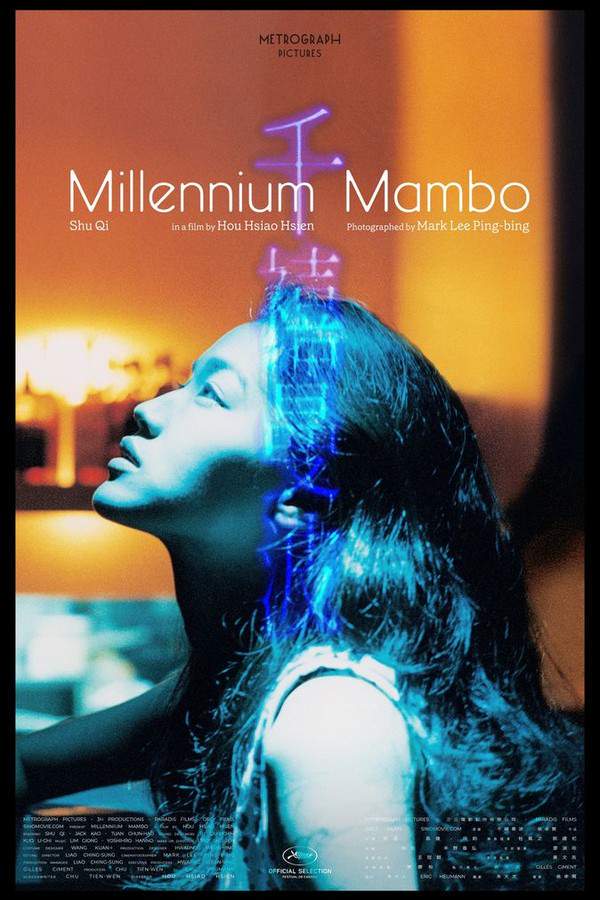
Millennium Mambo (2003) Complete Plot Breakdown
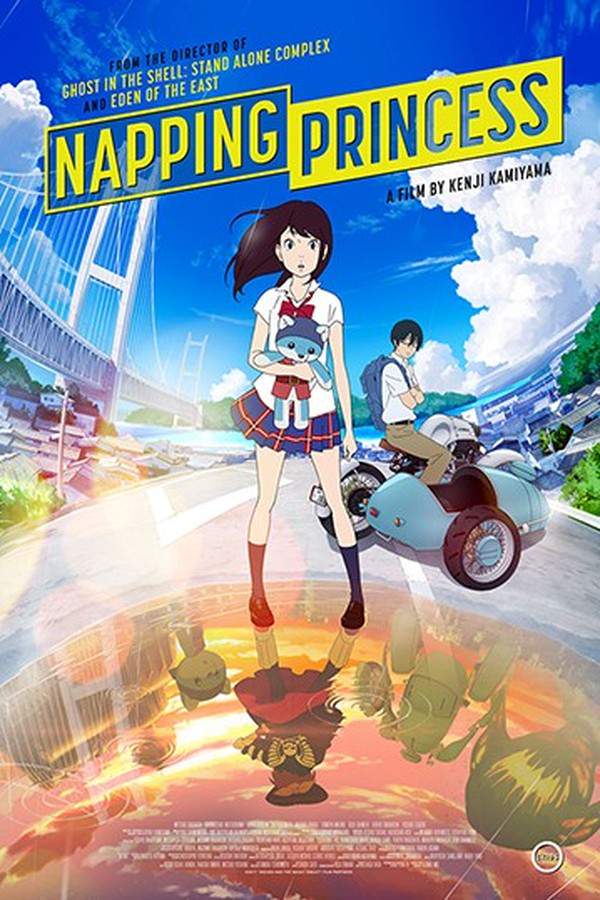
Napping Princess (2017) Story Summary & Characters
Maquia: When the Promised Flower Blooms (2018) Film Overview & Timeline
Metropolis (2002) Complete Plot Breakdown
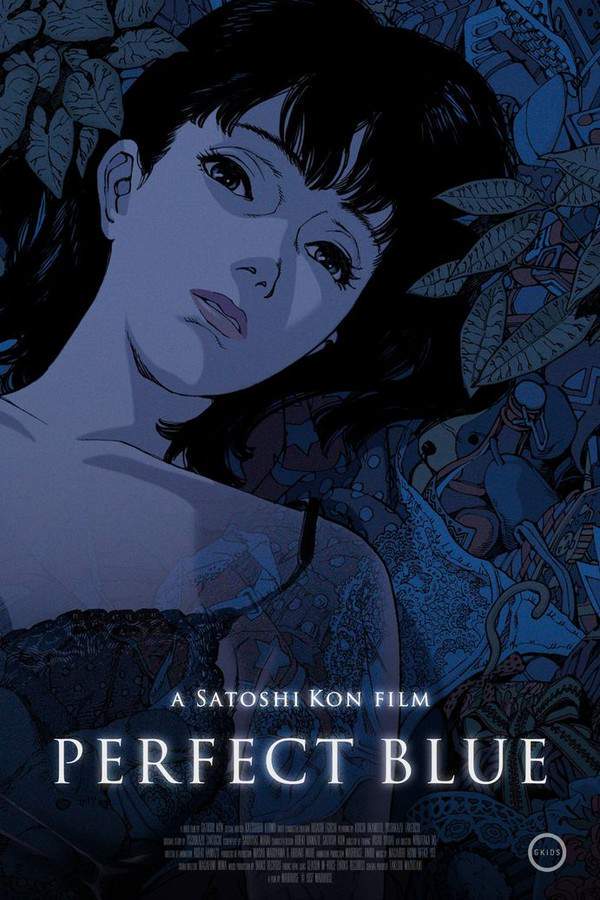
Perfect Blue (1999) Movie Recap & Themes
Kino’s Journey (1000) Full Summary & Key Details
Utsushimi (2000) Full Summary & Key Details
Queen Millennia (1982) Detailed Story Recap
Actress (1987) Plot Summary & Ending Explained
Queen Millennia (1000) Complete Plot Breakdown
Midori (1992) Full Summary & Key Details
Ocean Waves (1993) Ending Explained & Film Insights
ZENSHU (1000) Detailed Story Recap
One Million Yen Girl (2008) Movie Recap & Themes