Plot Explained Spoilers guaranteed!
Plot Explained

Browse by genre

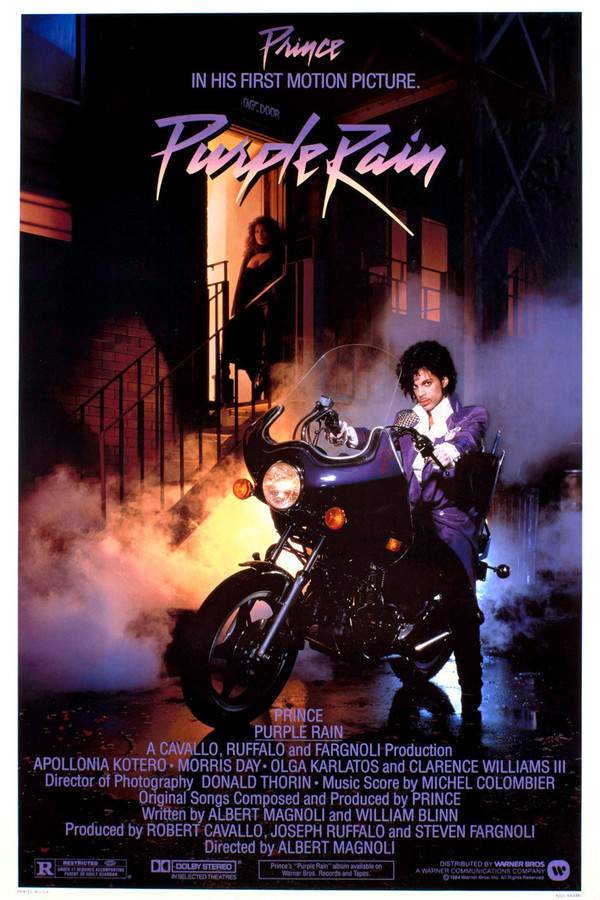
Purple Rain (1984) movie poster

Plot Summary

Purple Rain (1984) Plot Summary Explained

Release, runtime and language
1984 · 111 min · English
Directed by
Albert Magnoli
Starring
Apollonia Kotero, Prince

Amidst the dynamic music scene of Minneapolis, a young and rebellious musician known as the Kid seeks refuge in his artistry. As he leads his band, the Revolution, toward potential stardom, he grapples with a difficult past and the shadow of his father's mistakes. He also finds himself drawn to the captivating Apollonia, creating a complex web of love and conflict as he strives for success and personal redemption.

On this page (6)
  1. 1 Where to watch
  2. 2 What happens: full plot
  3. 3 Plot questions answered
  4. 4 Movie threads
  5. 5 Movies like Purple Rain
  6. 6 Every angle

Where to watch

Where to Watch Purple Rain (1984)

Where can you watch Purple Rain? Stream, rent or buy it in the US, including on Amazon Video, Apple TV Store and Fandango At Home: current JustWatch availability with up-to-date prices.

Streaming availability powered by JustWatch

Full plot summary · contains spoilers

What Happens in Purple Rain: Full Plot Summary

The whole story of Purple Rain (1984) explained, from the opening scene to the final frame: every key event, every twist and what it all adds up to. Read it as a quick recap before the sequel, to check a scene you missed, or to finally understand what really happened.

The film begins in the vibrant First Avenue nightclub in Minneapolis, where the electrifying band The Revolution, led by Prince, captivates the audience with their hit song "Let's Go Crazy." Among the attendees is the ambitious Apollonia, portrayed by Apollonia Kotero, who seeks to speak with the manager but finds him unavailable. Instead, a staff member takes her details, setting the stage for her journey in the world of music.

As the night progresses, a rivalry unfolds between The Kid and Morris Day, the leader of The Time, following their energetic sets. The Kid, who lives with his parents — a troubled mixed-race couple — finds himself in a home where his father, played by Clarence Williams III, is abusive towards his mother. Every attempt The Kid makes to defend her is met with aggression from his father, creating a turbulent home environment.

The next day, Morris and the club owner, Billy, express concerns about The Revolution's waning appeal and discuss forming an all-female group, leaving The Kid’s future uncertain. Determined to win over Apollonia, The Kid takes her for a thrilling motorcycle ride to a nearby lake, challenging her to jump into what he misleadingly claims is Lake Minnetonka. When she does, he confesses that it's not, but he stays, allowing her to climb back onto his bike.

Tensions rise as members of The Revolution, specifically Wendy and Lisa, feel ignored by The Kid when they present him with their original music. Meanwhile, Morris attempts to lure Apollonia into his new girl group. He suggests that The Kid isn’t the one to help her launch her career, while The Kid performs and painfully watches their growing connection. During a heartfelt moment, he sings "The Beautiful Ones," leaving Apollonia in tears, showcasing the emotional stakes of their relationship.

As their romance deepens, The Kid brings Apollonia home, where the mood turns intimate, underscoring their bond. However, their relationship takes a dark turn when The Kid violently reacts to Apollonia's decision to join Morris’s group, mirroring the abuse he witnesses at home.

In a pivotal moment, after learning that one act will be cut from the club, The Kid rides off to reflect, accompanied by the haunting sound of "When Doves Cry." Returning home, he confronts his father's struggles, discovering the pain behind the man he’s grown to resent.

The narrative unfolds as The Revolution continues to perform, with The Kid pushing boundaries on stage, but the audience's enthusiasm is dwindling. Apollonia, caught between the two men, finds herself humiliated at a provocative show, leading to a significant confrontation that forces The Kid to confront his anger and jealousy.

Tragedy strikes when The Kid discovers his father’s attempted suicide. In the aftermath, while rummaging through his father's hidden compositions, he gains inspiration to create his own music. As tensions rise with Morris and his girl group, The Time, it becomes evident that change is imminent for The Kid.

During a climactic performance, The Kid honors his father's memory by dedicating "Purple Rain" to him, evoking an emotional response from the crowd, including a tearful Billy. With newfound determination and the support of his band, he reclaims his identity and delivers a powerful encore, "I Would Die 4 U," leaving the audience electrified and signaling a possible reconciliation with Apollonia.

The film concludes on an intense note, as The Kid locks eyes with the audience, encapsulating his journey through pain, love, and ultimately, redemption in the world of music.

Last updated: November 03, 2024 at 13:33

Was this helpful?

Plot questions answered

Purple Rain Plot Explained: Your Questions Answered

The questions people ask most about Purple Rain (1984): what happens in the confusing scenes, why the characters do what they do, the twists, hidden details and what the ending means. Each answer contains spoilers.

Q1

Why does The Kid react violently when Apollonia joins Morris's group?

The Kid's violent reaction stems from his traumatic upbringing. He grew up witnessing his father abuse his mother, and when Apollonia makes an independent decision to join Morris's group, The Kid's deep-seated anger and inability to process complex emotions surface. His reaction mirrors the abusive behavior he observed at home, making this a critical turning point where he must confront his own destructive patterns.

Foreshadowing: Earlier scenes show The Kid defending his mother against his father's abuse, establishing his conflicted relationship with violence.

  • the kid
  • apollonia
  • morris
  • violence
  • abuse
  • relationship
Q2

Why does The Kid's father attempt suicide?

The father's suicide attempt is shown as the result of years of personal pain and struggle. Earlier in the film, The Kid discovers his father's hidden compositions, revealing a sensitive, artistic side his son never knew existed. The abuse in the household was likely a symptom of the father's own unresolved trauma and unhappiness. The film suggests his father was suffering in silence, unable to express his vulnerability until it became overwhelming.

Foreshadowing: The Kid's father is portrayed as angry and controlling, behaviors often rooted in unaddressed emotional pain.

  • father
  • suicide
  • abuse
  • trauma
  • family
Q3

How does The Kid find inspiration for his music after his father's suicide attempt?

After discovering his father's attempted suicide, The Kid searches through his father's belongings and finds hidden compositions his father had written. This discovery reveals a previously unknown artistic connection between father and son, inspiring The Kid to channel his grief and complicated feelings into creating his own meaningful music. The tragedy becomes the catalyst for his artistic breakthrough.
Foreshadowing: Earlier scenes establish The Kid's father as a troubled man, hinting at deeper struggles beneath his abusive exterior.

  • inspiration
  • music
  • father
  • composition
  • grief
Q4

What causes the rivalry between The Kid and Morris Day?

The rivalry stems from competition within Minneapolis's music scene. Both lead bands, The Revolution (led by The Kid) and The Time (led by Morris), are competing for recognition and success at First Avenue nightclub. The tension escalates when Morris actively tries to lure Apollonia away from The Kid, making their rivalry both professional and personal. Morris also questions whether The Kid can actually help advance Apollonia's career.

Foreshadowing: The rivalry is established early when both bands perform at First Avenue on the same night.

  • morris day
  • the time
  • rivalry
  • competition
  • music scene
Q5

Why does The Kid dedicate "Purple Rain" to his father?

The Kid dedicates "Purple Rain" to honor his father after the suicide attempt, transforming his personal grief into a tribute. This dedication represents his acceptance of his father's flaws and struggles, and his recognition that despite the abuse, there was love and artistic connection between them. The moment marks The Kid's emotional maturity and his ability to channel pain into art.

Foreshadowing: The discovery of his father's hidden compositions earlier foreshadows this reconciliation moment.

  • purple rain
  • dedication
  • father
  • redemption
  • performance
Q6

Why does Apollonia initially choose Morris over The Kid?

Apollonia is ambitious and wants to launch her music career. Morris offers her a direct opportunity to join his all-female group, which seems like a more certain path to success than The Kid, who is struggling with his own band's declining popularity and emotional instability. The Kid's violent reaction when she makes her choice further pushes her away, making Morris's offer seem more appealing.

Foreshadowing: The film establishes Apollonia's ambition early when she approaches the club manager seeking opportunities.

  • apollonia
  • morris
  • ambition
  • career
  • relationship
Q7

What triggers The Kid's emotional breakthrough in the film?

The Kid's emotional breakthrough comes from multiple events converging: his father's suicide attempt forces him to confront his unresolved feelings, the discovery of his father's hidden compositions reveals a shared artistic soul, and his declining career forces humility. These experiences combine during the climactic performance, where he transforms his pain into a powerful tribute that resonates with the audience.

Foreshadowing: The haunting "When Doves Cry" sequence earlier shows The Kid reflecting on his life and father.

  • emotional breakthrough
  • redemption
  • grief
  • transformation
  • performance
Q8

Why does The Kid continue living with his abusive father?

The Kid lives with his parents despite the abusive environment because he's young and lacks the resources to leave. His father is abusive toward his mother, and The Kid repeatedly tries to protect her, which only fuels more aggression. The film shows the cycle of domestic violence where leaving is complicated by emotional ties, financial constraints, and the turbulent dynamic that keeps the family trapped.

Foreshadowing: The opening scenes establish the home situation immediately, showing The Kid intervening when his father attacks his mother.

  • abuse
  • family
  • home
  • violence
  • parents
Q9

How do The Kid and Apollonia's relationship end and reconcile?

Their relationship takes a dark turn when The Kid reacts violently to Apollonia joining Morris's group, causing a breakup. However, at the climactic performance where The Kid dedicates "Purple Rain" to his father, Apollonia sees his vulnerable, transformed side. The film ends with potential reconciliation as The Kid locks eyes with Apollonia in the audience, suggesting they may reunite after his personal and artistic breakthrough.

Foreshadowing: The romantic tension established through "The Beautiful Ones" performance hints at their deep connection beneath the conflict.

  • apollonia
  • reconciliation
  • relationship
  • ending
  • love
Q10

Why does The Revolution lose popularity at First Avenue?

The Revolution loses popularity due to The Kid's emotional instability affecting his performances and leadership. His distracted state from troubled home life and relationship drama causes him to neglect the band's direction. Additionally, Wendy and Lisa feel ignored when they present original music, indicating internal band conflict. The club owner Billy also considers replacing them with an all-female group, reflecting their declining appeal.

Foreshadowing: Early scenes show Billy and Morris discussing concerns about The Revolution's fading appeal.

  • the revolution
  • band
  • popularity
  • first avenue
  • decline
Q11

What motivates The Kid to pursue music as his escape?

Music serves as The Kid's primary escape from his troubled home life. The abusive household drives him to pour his emotions into his art. His father's history of failed artistic pursuits creates additional pressure for The Kid to succeed where his father failed. The stage becomes the one place where The Kid can express himself and potentially achieve the success that might finally earn his father's respect.

Foreshadowing: The discovery of his father's hidden compositions in the finale reveals the artistic legacy between them.

  • music
  • escape
  • ambition
  • father
  • artistry

Movie threads

More Movies Like Purple Rain, by Mood & Story

Curated lists built around what makes Purple Rain tick: the same mood, the same kind of story or the same emotional payoff. Each list explains why these movies belong together.

Tormented Artist Dramas like Purple Rain

Artistic genius forged in the fire of personal turmoil and intense emotion. Explore movies like Purple Rain that focus on brilliant but troubled artists. If you enjoyed the story of a musician wrestling with personal demons and creative ambition, you'll find similar films about painters, writers, and performers whose art is born from struggle.

  • raw
  • passionate
  • angsty
  • soulful
  • cathartic
  • intense
  • Tone: dark, passionate, raw
  • Pacing: steady, performance-driven
Why these movies?

The story pattern: The narrative follows a protagonist whose artistic prowess is deeply entwined with their psychological struggles. A central journey involves using their craft as both an escape and a battleground, leading to a cathartic but hard-won moment of artistic triumph that is tinged with personal loss.

Why they belong together: Movies are grouped here by their shared focus on the complex relationship between suffering and genius. They feature intense, emotionally heavy character studies where creative expression is a primary driver of the plot and a mirror for internal conflict.

Emotional Redemption Arcs like in Purple Rain

Characters confront dark pasts to achieve a victory that feels earned but incomplete. Find movies with emotional journeys similar to Purple Rain. These films feature protagonists wrestling with heavy themes like dysfunctional families and personal failure, striving for a hard-won redemption that arrives with a bittersweet sense of closure.

  • cathartic
  • intense
  • heavy
  • angsty
  • turbulent
  • soulful
  • Tone: dark, bittersweet, cathartic
  • Pacing: steady, character-driven
Why these movies?

The story pattern: The plot revolves around a protagonist overcoming a significant personal or historical struggle, often involving generational cycles of pain. Their arc is not about a clean victory but about achieving a fragile, meaningful step forward. The conclusion acknowledges both the progress made and the indelible marks of the past.

Why they belong together: These films share a specific emotional trajectory: they are intense, dark-toned dramas with heavy emotional weight that build towards a climax offering catharsis and a measure of hope, yet the overall feeling remains somber and complex, not purely triumphant.

If you liked this

Movies Like Purple Rain

Similar movies to Purple Rain: the same genre, themes or kind of story. Each one comes with its own plot summary, timeline and ending explained.

Browse all movie summaries

Every angle

Purple Rain (1984) Explained: Plot, Timeline & Characters

Everything about Purple Rain in one place: what happens in the plot summary, the timeline in chronological order, the characters and meaning and a spoiler-free summary. What's After the Movie adds the cast, box office and post-credit scenes.

Coming soon on iOS and Android

The Plot Explained Movie Summary App

Plot summaries, endings explained and timelines on your phone. Catch up on any movie in minutes, save your favorites and never miss a twist again.

Be the first to know when we launch. Your email stays private, always.

Learn more about the app