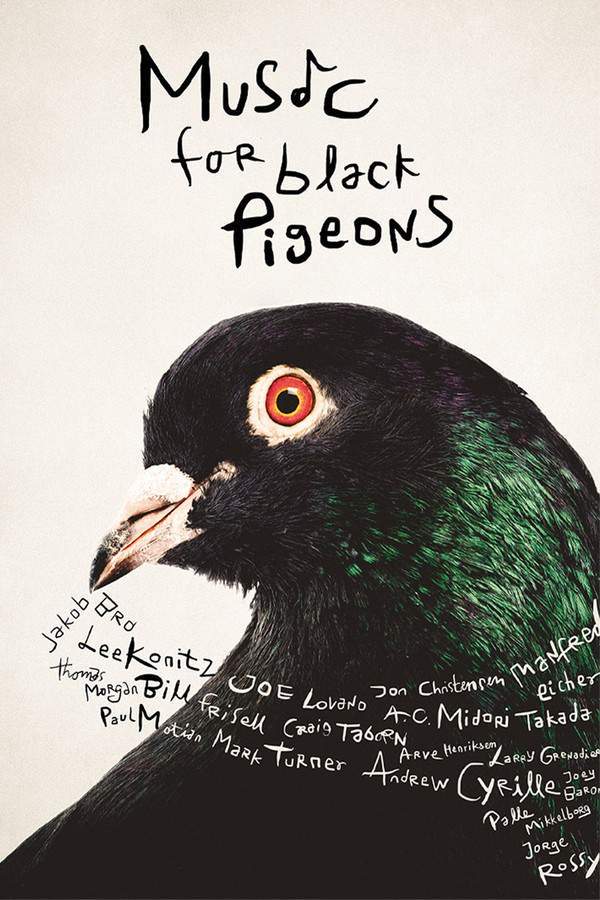
Music for Black Pigeons

Music for Black Pigeons

Year: 2024

Runtime: 1 h 32 m

Language: english

Directors: Jørgen Leth, Andreas Koefoed

DocumentaryMusic

This documentary explores the world of jazz music, delving into the creative process and the powerful emotions it inspires. It examines the challenges of expressing feelings evoked by music and seeks to understand the profound connection between artists and their audience.

Where to Watch Music for Black Pigeons?

Find where to stream, rent, or buy Music for Black Pigeons (2024) in the US with current JustWatch availability, up-to-date pricing, and platform listings for subscription, rental, and digital purchase options.

Warning: spoilers below!

Haven’t seen Music for Black Pigeons yet? This summary contains major spoilers. Bookmark the page, watch the movie, and come back for the full breakdown. If you're ready, scroll on and relive the story!

Music for Black Pigeons (2024) – Full Plot Summary & Ending Explained

Read the complete plot breakdown of Music for Black Pigeons (2024), including all key story events, major twists, and the ending explained in detail. Discover what really happened, and what it all means.

From the creative minds of Jørgen Leth and Andreas Koefoed, Music for Black Pigeons is a compelling cinematic documentary that delves into the intricate lives and artistic processes of some of the globe's most celebrated jazz musicians, including Jakob Bro, Bill Frisell, Lee Konitz, Paul Motian, and Midori Takada.

Spanning across North America, Europe, and Japan, the film chronicles a 14-year journey alongside Danish composer Jakob Bro, capturing his musical interactions with artists of varying generations and nationalities. The documentary reveals that Music for Black Pigeons draws inspiration not only from the diverse and unique approaches of these distinguished musicians but also from the incredible energy and bond formed through their collaborations.

Employing the traditional jazz practice of simply “letting the tape roll,” directors Leth and Koefoed create a space for intimate, improvisational magic to unfold between innovators of experimental music recorded in revered studios in New York, Copenhagen, and Lugano.

This film features electrifying live jams interspersed with insightful profiles of participants, such as acclaimed jazz saxophonist Mark Turner, the avant-garde rhythms of drummers Joey Baron and Andrew Cyrille, the innovative double bassist Thomas Morgan, and the wildly prolific founder of ECM Records, Manfred Eicher.

As Leth and Koefoed were fortunate to capture some of the final performances of various musicians who, sadly, passed away during filming, the documentary serves as a heartfelt tribute to these groundbreaking artists who have since departed. By documenting the intimate processes shared among its eclectic ensemble, Music for Black Pigeons solidifies a rich legacy for future generations of musicians and jazz enthusiasts alike.

Last updated: October 24, 2024 at 08:30

Was this helpful?

Music for Black Pigeons (2024) Plot Questions Answered – Summary FAQ

Explore frequently asked questions about Music for Black Pigeons (2024) with spoiler-rich answers covering the full plot summary, major story beats, character motivations, hidden details, and ending meaning. This movie summary FAQ helps explain confusing scenes, plot twists, and narrative decisions in clear, searchable detail.

Q1

Why is the documentary called Music for Black Pigeons?

A.

The title refers to the free-form, improvisational nature of jazz itself. Black pigeons symbolize the unexpected and spontaneous - much like how jazz musicians let music unfold naturally rather than tightly controlling every note. This aligns with the film's 'let the tape roll' philosophy where musicians are given space to create freely.

title meaningjazz improvisationdocumentary titlesymbolism
Q2

What does 'letting the tape roll' mean in jazz?

A.

'Letting the tape roll' is a traditional jazz practice where recordings happen continuously without interruption. This allows musicians to play freely without the pressure of perfect takes, capturing authentic improvisation and organic musical moments that might otherwise be lost in formal recording sessions.

The filmmakers deliberately chose this approach to capture the spontaneous magic of jazz collaborations.

jazz recordingimprovisationstudio sessionsdocumentary approach
Q3

Why does the film include final performances of musicians who died?

A.

The documentary spans 14 years of filming, during which several legendary musicians passed away. Directors Jørgen Leth and Andreas Koefoed were able to capture some of these artists' last performances, making the film a poignant tribute to their legacy. This gives the documentary its bittersweet tone, preserving irreplaceable moments of musical brilliance.

The melancholic tone emerges partly from knowing these were among the final recordings of these influential artists.

tributepassing of musicianslegacyfinal performancesdeath in film
Q4

How does Jakob Bro choose which musicians to collaborate with?

A.

Jakob Bro selects collaborators based on their unique artistic approaches and generational diversity. Throughout the 14-year journey, he works with musicians from different nationalities and ages - from veteran legends like Lee Konitz to contemporary innovators like Mark Turner. This cross-pollination of styles creates the rich tapestry of sound the documentary showcases.

Bro's method reflects the documentary's theme of diverse musical approaches inspiring one another.

Jakob Brocollaborationjazz musiciansselection process
Q5

What is ECM Records' significance in the film?

A.

ECM Records, founded by Manfred Eicher, appears as a central force in modern jazz. The documentary highlights Eicher's vision and dedication to musical excellence. Many featured recordings took place in ECM-associated studios, and his philosophy of prioritizing artistic integrity over commercial success influenced the musicians' approach to collaboration.

Eicher's emphasis on capturing authentic musical moments aligns with the 'let the tape roll' methodology.

ECM RecordsManfred Eicherjazz labelrecord label influence
Q6

Why was the documentary filmed in New York, Copenhagen, and Lugano?

A.

These three cities host renowned jazz studios with deep historical significance in the genre. New York and Copenhagen represent key hubs in American and European jazz respectively, while Lugano provides another prestigious European setting. Each location contributes its own acoustic atmosphere and jazz heritage to the recordings.

The choice of locations reflects the international nature of jazz and its ability to transcend geographic boundaries.

filming locationsstudiosjazz historyNew YorkCopenhagenLugano
Q7

How do different generations of jazz musicians influence each other in the film?

A.

The documentary shows how veteran musicians like Lee Konitz and Paul Motian share wisdom with younger artists, while contemporary players bring fresh perspectives that reenergize their elders. This cross-generational exchange demonstrates jazz as a living tradition where innovation and respect for the past coexist harmoniously.

This generational dialogue reflects the film's theme of preserving jazz legacy while allowing it to evolve.

generationsjazz traditionmusical mentorshippassing the torch
Q8

Why does the documentary have a melancholic tone?

A.

The melancholic tone comes from the dual nature of the project: celebrating the beauty of artistic creation while simultaneously documenting the mortality of the featured musicians. Several artists passed away during the 14-year filming period, transforming the documentary into both a celebration of their brilliance and a memorial to their contributions.

The bittersweet ending directly reflects the loss of musicians captured during filming.

tonemelancholymortalitytributeemotional weight
Q9

What makes jazz improvisation different from other music genres?

A.

Jazz improvisation differs because musicians create music in real-time, composing melodies and harmonies on the spot rather than executing pre-written parts. The documentary showcases how this requires deep musical knowledge, trust between players, and the ability to listen and respond instantly to fellow musicians - a skill that takes years to master.

The 'let the tape roll' approach exists specifically to capture these unrepeatable improvisational moments.

improvisationjazz techniquemusical creationspontaneity
Q10

What legacy does Music for Black Pigeons preserve?

A.

The documentary preserves the artistic processes and musical philosophies of legendary jazz musicians for future generations. By capturing intimate collaborative moments, rehearsal dynamics, and final performances, it creates an invaluable archive that documents how these artists create, communicate, and connect through music.

The directors explicitly aimed to solidify a rich legacy for future musicians and jazz enthusiasts.

legacypreservationjazz historydocumentary purposefuture generations
Mobile App Preview

Coming soon on iOS and Android

The Plot Explained Mobile App

From blockbusters to hidden gems - dive into movie stories anytime, anywhere. Save your favorites, discover plots faster, and never miss a twist again.

Sign up to be the first to know when we launch. Your email stays private, always.

Explore Movie Threads

Discover curated groups of movies connected by mood, themes, and story style. Browse collections built around emotion, atmosphere, and narrative focus to easily find films that match what you feel like watching right now.

Intimate Documentaries about Artistic Process like Music for Black Pigeons

Gentle documentaries that observe the quiet, collaborative moments of creation.Explore movies like Music for Black Pigeons that delve into the creative journeys of artists. If you enjoyed the gentle, observational look at jazz musicians, you'll appreciate these similar documentaries and dramas about artistic collaboration and legacy.

contemplativeintimateobservationalsoulfulreflectivetender

Narrative Summary

These narratives follow a linear, straightforward path, often mirroring the chronology of a project or the relationship between collaborators. The central conflict is typically the creative challenge itself—expressing an emotion, mastering a technique, or navigating the dynamics of a partnership.

Why These Movies?

Movies are grouped here for their shared focus on the quiet, tender moments of creation. They possess a contemplative mood, a slow, deliberate pacing that allows the audience to absorb the process, and a deep respect for the subject matter.
Bittersweet Stories about Life and Legacy like Music for Black Pigeons

Stories that celebrate profound achievements while acknowledging the passage of time and loss.Find more films like Music for Black Pigeons that explore themes of legacy, memory, and the passage of time. These movies share a bittersweet tone, celebrating life's work while reflecting on its impermanence, perfect if you liked the feeling of the original.

bittersweetmelancholicnostalgicreflectivesoulfulcommemorative

Narrative Summary

The narrative often serves as a tribute or a reckoning, structured around memories, final works, or gatherings. The journey is emotionally resonant but not overwhelming, leading to an ending that feels earned and reflective—neither purely happy nor sad, but meaningfully bittersweet.

Why These Movies?

This thread connects films through their central emotional mix: a heartfelt celebration tinged with melancholy. They share a medium emotional weight and a pacing that encourages reflection, making the viewer feel both the joy of accomplishment and the quiet ache of its cost.

Unlock the Full Story of Music for Black Pigeons

Don't stop at just watching - explore Music for Black Pigeons in full detail. From the complete plot summary and scene-by-scene timeline to character breakdowns, thematic analysis, and a deep dive into the ending - every page helps you truly understand what Music for Black Pigeons is all about. Plus, discover what's next after the movie.

Music for Black Pigeons Timeline

Track the full timeline of Music for Black Pigeons with every major event arranged chronologically. Perfect for decoding non-linear storytelling, flashbacks, or parallel narratives with a clear scene-by-scene breakdown.

Music for Black Pigeons Timeline

Characters, Settings & Themes in Music for Black Pigeons

Discover the characters, locations, and core themes that shape Music for Black Pigeons. Get insights into symbolic elements, setting significance, and deeper narrative meaning - ideal for thematic analysis and movie breakdowns.

Characters, Settings & Themes in Music for Black Pigeons

Music for Black Pigeons Spoiler-Free Summary

Get a quick, spoiler-free overview of Music for Black Pigeons that covers the main plot points and key details without revealing any major twists or spoilers. Perfect for those who want to know what to expect before diving in.

Music for Black Pigeons Spoiler-Free Summary

More About Music for Black Pigeons

Visit What's After the Movie to explore more about Music for Black Pigeons: box office results, cast and crew info, production details, post-credit scenes, and external links - all in one place for movie fans and researchers.

More About Music for Black Pigeons