Farha is a 14-year-old Palestinian girl who dreams of education in the city, a goal she pursues alongside her best friend, Farida. While Farida supports the idea, Farha’s father, Abu Farha, prefers tradition and envisions an arranged marriage for her. Her uncle, Abu Walid, pushes him to reconsider Farha’s request, hinting at a path that could someday take her beyond the village—but the pressure between duty and desire remains constant.
On a night in 1948, a group of local militias visits the village’s chief to enlist his aid against the Nakba. He refuses, choosing to protect his people instead, and the mood shifts from fragile celebration to imminent danger. Amid this tension, life seems to pause—yet it accelerates toward a fateful turn once Farha’s friend’s wedding is underway. During the celebrations, Abu Farha indicates that he has agreed to support Farha’s dream of education. But as Zionist militias descend and orders to evacuate ripple through the streets, the family’s fragile safety net collapses.
As villagers scramble to leave, Abu Farha supports an exodus that includes Farha and Farida hopping into a car. In a difficult decision, he chooses to stay behind and entrusts Um Mohammad with looking after Farha, even though Farha herself is determined to stay with her father and continue her fight for a future beyond her village. The moment is heavy with filial duty and fear, underscoring the sacrifices that accompany war.
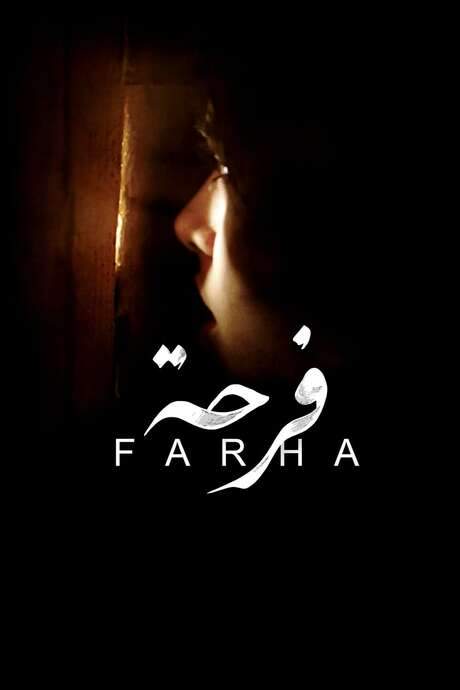
Back at home, Abu Farha arms himself, locks Farha inside a storeroom to keep her safe, and promises to fetch her when the danger passes. Farha awaits news from her father, listening for the sounds of warfare and peering through a small opening that affords a grim view of the courtyard outside. The days blur together as she grapples with the fear of being discovered and the ache of separation from the world she longs to join.
A Palestinian family—Abu Mohammad and Um Mohammad—enters the courtyard with their two young children, and the mother gives birth to a baby boy. Farha, caged and curious, pleads to be allowed out, but the moment is interrupted by the invading militia’s demand for surrender. The intruders search the house for weapons, and the family is found hiding. The infant is left vulnerable as the commander orders the newborn to be killed; a young soldier hesitates, covering the baby with a towel instead of delivering a killing blow, but the infant dies on the courtyard floor.
From inside, Farha struggles to reach the newborn, her heart tight with both hope and horror. She scavenges the pantry and discovers a hidden pistol, using it to shoot the door lock and seize a chance at escape. In this escape, Farha reveals another, deeper truth: her given name is not the one she has carried outward—she is known by the name Farha, but her real name is Raddiyah.
The fate of her father remains unknown, likely lost to the Nakba, leaving Farha to face a long, uncertain journey on her own. Her path eventually leads her to Syria, where she tells the story of what happened, a tale that has endured and been handed down through generations. This is a story of courage, of choices made under pressure, and of a young girl who finds a way to survive and preserve her family’s history, even as the world around her changes forever.