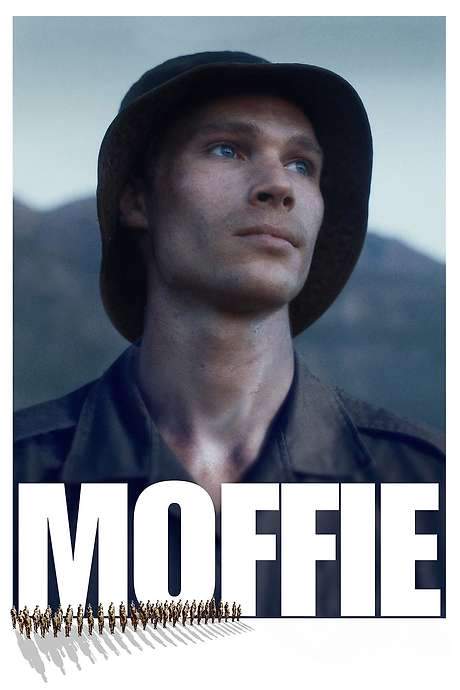
Plot Explained Spoilers guaranteed!
Plot Explained

Browse by genre

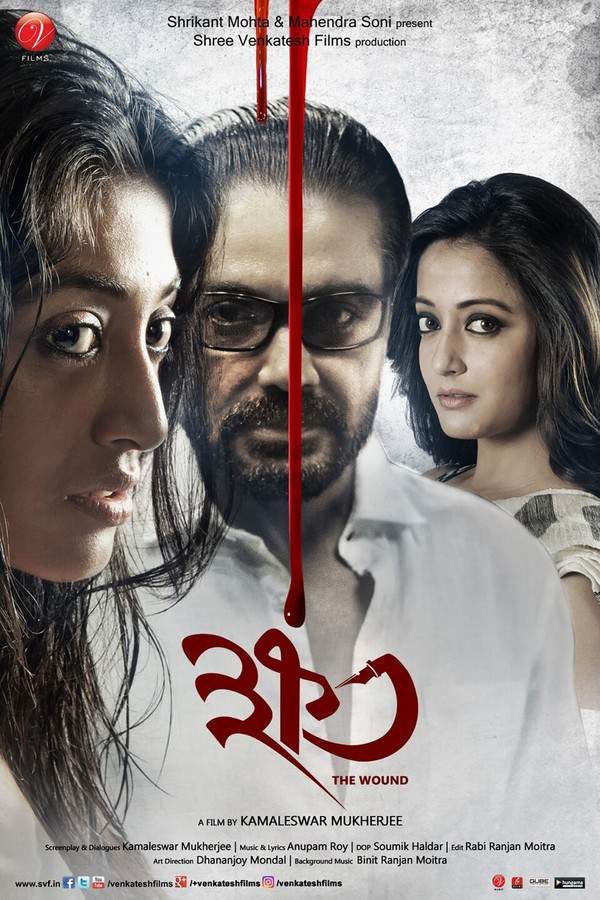
The Wound (2017) movie poster

Plot Summary

The Wound (2017) Plot Summary Explained

Release, runtime and language
2017 · 88 min · Bangla
Echo score 85
JustWatch #33,728 2
Directed by
John Trengove
Starring
Bongile Mantsai, Gamelihle Bovana, Halalisani Bradley Cebekhulu, Inga Qwede, Nakhane Touré, Niza Jay

Set against the backdrop of South Africa's Xhosa culture, this story follows Kwanda, a young man from the city, and his guide, Xolani, as they participate in a traditional rite of passage. As they navigate ancient customs and a restrictive masculine environment, tensions rise and hidden desires surface. Their journey becomes a perilous exploration of identity, forcing them to confront not only the traditions around them but also their own evolving selves, leading to a revealing and dangerous dance of self-discovery.

On this page (6)
  1. 1 Where to watch
  2. 2 What happens: full plot
  3. 3 Plot questions answered
  4. 4 Movie threads
  5. 5 Movies like The Wound
  6. 6 Every angle

Where to watch

Where to Watch The Wound (2017)

Where can you watch The Wound? Stream, rent or buy it in the US, including on Kino Film Collection, Kanopy and Amazon Video: current JustWatch availability with up-to-date prices.

Streaming availability powered by JustWatch

Full plot summary · contains spoilers

What Happens in The Wound: Full Plot Summary

The whole story of The Wound (2017) explained, from the opening scene to the final frame: every key event, every twist and what it all adds up to. Read it as a quick recap before the sequel, to check a scene you missed, or to finally understand what really happened.

Rane opens with a poignant dedication to "the generations born after Tito." This compelling film tracks the lives of two boys, Pinki and Švaba, as they navigate their preadolescence and early teenage years in New Belgrade during the tumultuous Yugoslav Wars (1991–95).

Pinki, born on May 4, 1980—the very day Yugoslav president Josip Broz Tito passed away—carries a name reflective of his father, Stojan Mučibabić, an impulsive and patriotic officer of the Yugoslav People's Army (JNA). Although Stojan initially sought to name his firstborn after Tito himself, municipal authorities deemed it too provocative during a period of national mourning. As a compromise, he landed on the name "Pinki," inspired by another Partisan guerrilla fighter. In contrast, Pinki's best friend, Švaba, is raised solely by his grandmother, a Croatian Serb who fled to Serbia during World War II amid atrocities committed by the Ustaše.

Residing in a block of apartments in the Paviljoni neighborhood, both boys display youthful innocence—Pinki is more contemplative and articulate, while Švaba often struggles with his temper and impulsiveness. They also befriend Dijabola, an awkward outsider with thick glasses who has a glamorous but distant single mother, Lidija. A well-known television personality, Lidija captures attention, yet her absence looms large; meanwhile, Dijabola's Slovenian father remains absent from his life. While they include him in their gatherings, Pinki and Švaba often neglect him, treating him as a mere accessory in their escapades, subjecting him to relentless teasing and occasional physical abuse.

The narrative unfolds in late summer 1991, as the boys observe Serbian troops—comprising both regular JNA members and various militia groups—heading off to the war in Croatia, where the Battle of Vukovar is raging. Stojan grapples with his early retirement from the JNA, which has deprived him of the chance to fight, leading him to fixate on war reports. As he passionately supports the JNA and transitions into a staunch nationalist, his relationships with neighbors deteriorate, culminating in disputes marked by ethnic and political tensions. Fascinated but largely oblivious, young Pinki spends his free time wandering through clumsy explorations of adolescence, often with thoughts of Lidija on his mind.

By the years 1992 and 1993, Serbia faces a UN trade embargo, and the war transitions to Bosnia. Pinki, Švaba, and Dijabola become entranced by the exploits of a neighbor known as Kure, a charismatic figure who drives an impressive car and brazenly robs from Germany. Their appreciation escalates as Kure invites them to help unload his haul of goods from abroad, further igniting their youthful yearning for adventure. However, Kure singles out Švaba, who pressures him to also bring Pinki along, solidifying their bond with an aura of delinquency.

As they reach their mid-teens, Pinki and Švaba dive into a life of crime within the bewildering chaos of a transitioning society plagued by war and sanctions—a backdrop that feels both absurd and surreal. With aspirations to emulate the infamous Belgrade mobsters they see on the Puls Asfalta television show, they concoct schemes to attract the attention of production crews by committing minor crimes. As they rise in that clandestine realm, their friendship faces ruination when jealousy arises due to their mutual affection for Lidija. In a tragic turn, Švaba shoots Pinki, inflicting five wounds echoing the biblical injuries of Christ. Miraculously, Pinki survives and escapes the hospital, seeking reconciliation. Yet, the path to healing demands that he reciprocate with similar wounds—this unwritten code of friendship leads to more turmoil.

Ultimately, their reunion takes a chaotic turn when an enraged Dijabola confronts them, seeking revenge for the death of his mother during a tumultuous shootout. This tragic climax culminates in the deaths of both Švaba and Dijabola. Left wounded and lying on the ground, Pinki offers a chilling laugh at the audience, declaring, “I made out better than you.”
Last updated: November 16, 2024 at 17:50

Was this helpful?

Plot questions answered

The Wound Plot Explained: Your Questions Answered

The questions people ask most about The Wound (2017): what happens in the confusing scenes, why the characters do what they do, the twists, hidden details and what the ending means. Each answer contains spoilers.

Q1

Why does Švaba shoot Pinki?

Švaba shoots Pinki out of jealousy and rage. Both boys have developed feelings for Lidija, the glamorous mother of their friend Dijabola. This romantic rivalry fractures their childhood friendship, leading Švaba to attack Pinki in a moment of emotional turmoil. The shooting inflicts five wounds, symbolically echoing the biblical injuries of Christ.

Foreshadowing: Earlier, the boys' friendship becomes strained as they both become infatuated with Lidija, creating tension between them.

  • svaba shoots pinki
  • jealousy
  • lidija
  • friendship betrayal
  • shooting
Q2

Why does Pinki escape from the hospital?

After surviving the shooting, Pinki escapes the hospital because of an unwritten code of friendship that demands he reciprocate the wounds he received. Rather than accept recovery in safety, he feels compelled to return to Švaba and even the score, perpetuating the cycle of violence between them.

Foreshadowing: The code of loyalty among the boys in their criminal pursuits establishes their willingness to endure pain for each other.

  • pinki escapes hospital
  • reconciliation
  • code of friendship
  • wounds
Q3

What leads to the deaths of Švaba and Dijabola?

Dijabola confronts Pinki and Švaba seeking revenge for his mother's death, which occurred during a shootout. In the chaotic confrontation, Dijabola kills Švaba and then himself, leaving Pinki as the sole survivor. This tragic climax stems from the escalating violence and the destructive path the boys have followed.

Foreshadowing: Earlier, Dijabola is consistently neglected and mistreated by Pinki and Švaba, building resentment that culminates in his violent revenge.

  • svaba death
  • dijabola death
  • revenge
  • shootout
  • tragic climax
Q4

Why is Pinki's birth date significant?

Pinki was born on May 4, 1980, the exact day Yugoslav president Josip Broz Tito died. His father Stojan initially wanted to name him after Tito, but authorities considered it too provocative during national mourning. Instead, the boy was named after another Partisan fighter, making his birth a symbolically charged event marking the end of an era.

Foreshadowing: This detail establishes the film's themes of identity, legacy, and the transition from Tito's Yugoslavia to the chaos that follows.

  • pinki birth
  • tito death
  • may 4 1980
  • yugoslavia
  • symbolism
Q5

Why do Pinki and Švaba turn to crime?

The boys turn to crime as a response to the chaotic transition of Serbian society during war and UN sanctions. With the Yugoslav system collapsing and lawlessness prevalent, they become fascinated by neighbor Kure's criminal lifestyle and the mobsters they see on television. Seeking adventure and identity in a destabilized environment, they embrace petty crime as a means of survival and self-expression.

Foreshadowing: Their early fascination with Kure, who openly robs from Germany, introduces them to criminal life as an escape from their uncertain world.

  • petty crime
  • yugoslav wars
  • serbia sanctions
  • kure
  • criminal lifestyle
Q6

How does the war in Yugoslavia affect Pinki and Švaba?

The war transforms the boys' environment from a relatively normal childhood in New Belgrade to one filled with ethnic tensions, nationalism, and societal collapse. Their fathers become consumed by war politics while sanctions create scarcity. The boys, left without stable guidance, drift toward crime and violence as the social fabric unravels around them.

Foreshadowing: The departure of Serbian troops to the Battle of Vukovar in 1991 marks their first direct encounter with the war's reality.

  • yugoslav wars
  • serbia
  • croatia
  • bosnia
  • impact on youth
  • social collapse
Q7

Why do Pinki and Švaba neglect Dijabola?

Despite including Dijabola in their activities, Pinki and Švaba treat him as an outsider, teasing him, neglecting him, and occasionally physically abusing him. Dijabola's awkwardness, thick glasses, and distant glamorous mother make him an easy target for their juvenile cruelty. This dynamic of bullying and exclusion ultimately fuels Dijabola's vengeful actions later in the film.

Foreshadowing: Early scenes establish Dijabola's isolation and resentment, which builds toward his violent confrontation.

  • dijabola
  • bullying
  • friendship dynamics
  • outsider
  • neglect
Q8

What does Pinki's final laugh mean?

Pinski's chilling laugh at the audience while wounded on the ground represents his hollow victory and profound cynicism. Having survived the violent deaths of both his best friend and former companion, his laugh suggests the absurdity of his survival and the futility of the violence he endured. It underscores the film's bleak message about war's corrosive effect on youth and the loss of innocence.

Foreshadowing: The entire narrative traces Pinki's transformation from contemplative boy to a traumatized survivor capable of such unsettling acceptance.

  • pinki laugh
  • ending
  • bleak
  • cynicism
  • survival
  • absurdity
Q9

Why does Stojan become consumed by nationalism?

Stojan, Pinki's father and a former JNA officer, becomes obsessed with nationalism after being forced into early retirement, deprived of his chance to fight in the war. His frustration manifests as increasingly hostile nationalist views, causing conflicts with neighbors and reflecting how the broader societal disease of ethnic division infiltrates family life.

Foreshadowing: Stojan's deterioration mirrors the nation's descent into nationalism and ethnic tension during the early 1990s.

  • stojan
  • nationalism
  • jna
  • yugoslav army
  • early retirement
Q10

Why are Pinki, Švaba, and Dijabola drawn to Kure?

The boys become fascinated with Kure because he represents excitement and opportunity in their restricted, war-torn environment. His impressive car, glamorous lifestyle, and bold criminal exploits, from robbing in Germany to bringing back goods, contrast sharply with the scarcity and uncertainty of their daily lives. Kure offers them a glimpse of adventure and escape from their circumstances.

Foreshadowing: Kure's invitation to help unload stolen goods directly pulls the boys into criminal activity.

  • kure
  • criminal
  • german robbery
  • adventure
  • role model
  • youth
Q11

How does jealousy over Lidija affect the boys' friendship?

Both Pinki and Švaba develop romantic feelings for Lidija, Dijabola's glamorous but emotionally distant mother. This mutual attraction creates intense jealousy between the two best friends, shattering their bond. The romantic rivalry becomes the direct catalyst for Švaba's decision to shoot Pinki, transforming their childhood friendship into deadly enmity.

Foreshadowing: Their infatuation with Lidija is established early when Pinki fantasizes about her, foreshadowing the conflict to come.

  • lidija
  • jealousy
  • romantic rivalry
  • pinki
  • svaba
  • friendship destroyed

Movie threads

More Movies Like The Wound, by Mood & Story

Curated lists built around what makes The Wound tick: the same mood, the same kind of story or the same emotional payoff. Each list explains why these movies belong together.

Movies about cultural conflict like The Wound

Stories where rigid cultural rituals force a painful confrontation with personal identity. If you were fascinated by the cultural tensions in The Wound, explore other movies like it that delve into the conflict between traditional rites and personal identity. These similar drama films feature characters navigating strict societal norms, often with a heavy emotional weight and a bleak or bittersweet tone.

  • grim
  • unsettled
  • claustrophobic
  • serious
  • introspective
  • desperate
  • Tone: tense, bleak, emotionally charged
  • Pacing: steady, contemplative
Why these movies?

The story pattern: Stories in this thread follow a protagonist who enters or exists within a highly structured traditional setting, often for a rite of passage. The central conflict emerges as the character's authentic identity—be it their sexuality, ambitions, or beliefs—comes into irreconcilable conflict with the established codes of conduct, leading to a crisis of conscience and a perilous journey of self-discovery.

Why they belong together: Movies are grouped here for their shared focus on the intense psychological pressure exerted by cultural traditions. They share a similar tone of quiet desperation, a steady pacing that allows for deep character study, and a thematic exploration of how identity is forged or broken in the crucible of societal expectation.

Bleak queer dramas similar to The Wound

Unflinching and somber stories of queer desire in hostile or restrictive environments. For viewers who appreciated the raw and somber portrayal of hidden queer desire in The Wound, this section highlights other similar LGBTQ+ movies with a bleak tone. These films share a focus on realism, emotional weight, and the tensions of living authentically in a restrictive world.

  • grim
  • tragic
  • unsettled
  • desperate
  • somber
  • raw
  • Tone: bleak, tragic, unsettling
  • Pacing: steady, deliberate
Why these movies?

The story pattern: The narrative pattern involves a queer protagonist navigating a world where their desires must be concealed, leading to a life of duality and internal conflict. The story often explores a clandestine relationship that exists under constant threat of exposure, culminating in a climax that is typically tragic, revealing, or leaves the characters in a state of precarious stasis rather than joyful resolution.

Why they belong together: These films are united by their grim and realistic approach to queer storytelling. They share a consistent bleak tone, high emotional weight, and a steady pacing that allows the gravity of the situation to sink in. The similarity lies in the specific mood of repressed desire and the ever-present threat of societal condemnation.

If you liked this

Movies Like The Wound

Similar movies to The Wound: the same genre, themes or kind of story. Each one comes with its own plot summary, timeline and ending explained.

Browse all movie summaries

Every angle

The Wound (2017) Explained: Plot, Timeline & Characters

Everything about The Wound in one place: what happens in the plot summary, the timeline in chronological order, the characters and meaning and a spoiler-free summary. What's After the Movie adds the cast, box office and post-credit scenes.

Coming soon on iOS and Android

The Plot Explained Movie Summary App

Plot summaries, endings explained and timelines on your phone. Catch up on any movie in minutes, save your favorites and never miss a twist again.

Be the first to know when we launch. Your email stays private, always.

Learn more about the app