Plot Explained Spoilers guaranteed!
Plot Explained

Browse by genre

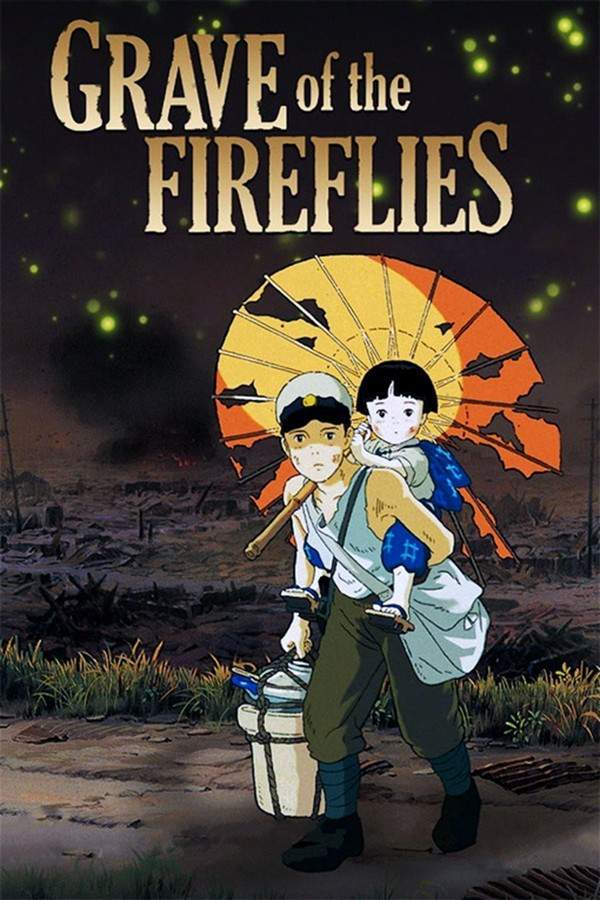
Grave of the Fireflies (2005) movie poster

Plot Summary

Grave of the Fireflies (2005) Plot Summary Explained

Release, runtime and language
2005 · 148 mins · Japanese
Loading streaming availability…
Directed by
Tōya Satō
Starring
Nanako Matsushima, Yui Natsukawa, Jun Kaname, Tsuyoshi Ihara, Mao Inoue, Ikki Sawamura

After an Allied bombing destroys her Tokyo home, Hisako, whose husband is fighting in Asia, flees with her two children to a Kobe suburb. There they live with her cousin Kyoko, but another raid kills Kyoko, leaving Hisako to care for Kyoko’s two children as well. With food scarce, the family faces relentless hunger and tragedy.

On this page (6)
  1. 1 Where to watch
  2. 2 What happens: full plot
  3. 3 Plot questions answered
  4. 4 Movie threads
  5. 5 Movies like Grave of the Fireflies
  6. 6 Every angle
Loading streaming availability…

Full plot summary · contains spoilers

What Happens in Grave of the Fireflies: Full Plot Summary

The whole story of Grave of the Fireflies (2005) explained, from the opening scene to the final frame: every key event, every twist and what it all adds up to. Read it as a quick recap before the sequel, to check a scene you missed, or to finally understand what really happened.

In March 1945, American bombers devastate Kobe during the waning days of the Pacific War. Seita and his sister Setsuko, children of an Imperial Japanese Navy captain, survive, but their mother dies. Seita conceals their mother’s death from Setsuko and the two children soon move in with a stern aunt. He retrieves a cache he had buried before the bombing and, while he gives most of it to his aunt, he keeps a single tin of Sakuma drops for Setsuko. The aunt pressures him to sell his mother’s silk kimonos to buy rice, a move that devastates Setsuko and strains their fragile situation.

As rations dwindle, the aunt grows resentful of the children, and Seita does little to earn the food she prepares. At her urging, he withdraws some money from their mother’s bank account to buy a charcoal stove and other supplies. After another air raid, they retreat to an abandoned bomb shelter, where they try to light the darkness by releasing fireflies from the marshes. The next morning, the fireflies lie still; Setsuko buries them and laments that their aunt has told her their mother died, then softly asks why the fireflies had to die so soon.

The family’s hardship deepens when rice runs scarce. A compassionate farmer suggests that Seita swallow his pride and return to his aunt, but he refuses, choosing instead to steal crops and break into homes during air raids. A farmer catches him and brings him to the police, yet a sympathetic officer lets him go. Setsuko falls ill, and a doctor explains she is malnourished. Seita withdraws the last of the money from their mother’s bank account and learns with a heavy heart that Japan has surrendered and that their father is most likely dead as well.

Returning with food, Seita finds Setsuko in a state of delirium; she dies as he finishes preparing the meals for her. He cremates her body and her doll in a straw casket, carrying her ashes in the candy tin alongside his father’s photograph. A few weeks later, Seita dies of starvation at a Sannomiya train station, surrounded by others who are also malnourished. A janitor, tasked with clearing the dead before American arrival, discovers the candy tin and discards it into a field. Setsuko’s ashes spill from the container, and her spirit rises, joined by Seita’s, beside a cloud of fireflies. The two board a ghostly train and look back on the events that led to their deaths as silent, observant travelers. Their spirits arrive at a hilltop bench overlooking present-day Kobe, surrounded by fireflies, where they are finally at peace.

Last updated: October 09, 2025 at 16:30

Was this helpful?

Plot questions answered

Grave of the Fireflies Plot Explained: Your Questions Answered

The questions people ask most about Grave of the Fireflies (2005): what happens in the confusing scenes, why the characters do what they do, the twists, hidden details and what the ending means. Each answer contains spoilers.

Q1

Why does Seita hide his mother's death from Setsuko?

Seita conceals his mother's death to protect his younger sister from the devastating truth during the chaos following the Kobe bombing. He maintains the lie as long as possible to preserve a sense of normalcy and shield Setsuko from grief, knowing she is already vulnerable and traumatized by the bombing itself.

Foreshadowing: Seita's protective lie is established immediately after the bombing, setting up the emotional strain between the siblings.

  • seita
  • setsuko
  • mother death
  • hiding truth
  • sibling protection
Q2

Why does the aunt become so harsh toward the children?

The aunt's resentment stems from the severe food shortages and the additional burden of caring for two more children when resources are already scarce. As rations dwindle, she grows frustrated that Seita contributes little to household chores while expecting food, leading her to pressure him to sell belongings and eventually push the children out.

Foreshadowing: The aunt's initial willingness to take in the children hints at her practical, rather than nurturing, motivations.

  • aunt
  • resentment
  • food shortage
  • burden
  • household tension
Q3

What happens to the candy tin at the end of the movie?

After Seita dies of starvation at Sannomiya train station, a janitor tasked with clearing the dead before the American arrival discovers the candy tin containing Setsuko's ashes and his father's photograph. The janitor, unaware of its contents, discards the tin into a field, where Setsuko's ashes spill out, releasing her spirit.

Foreshadowing: The candy tin, which Seita carefully preserved throughout the film as the last link to his sister and father, is ultimately lost to indifference.

  • candy tin
  • ashes
  • janitor
  • seita death
  • discarded
  • sakuma drops
Q4

Why does Setsuko bury the fireflies?

After the fireflies Seita catches to light the bomb shelter die overnight, Setsuko buries them in small graves and laments that they had to die so soon. This moment symbolizes her first confrontation with death after learning her mother has died, and the burial reflects her innocent grief and understanding of mortality.

Foreshadowing: The fireflies dying parallels the mother's death, foreshadowing the eventual deaths of both children.

  • setsuko
  • fireflies
  • burial
  • death
  • symbolism
  • grief
Q5

Why does the police officer let Seita go after catching him stealing?

A farmer catches Seita stealing crops and brings him to the police, but a sympathetic officer recognizes the extreme circumstances of wartime famine and chooses to release him rather than punish a starving child driven to desperation.

Foreshadowing: This act of mercy highlights the humanity that persists even in harsh times, contrasting with the aunt's coldness.

  • seita
  • police
  • stolen crops
  • mercy
  • farmer
  • released
Q6

What does the ending with the spirits mean?

The ending shows Setsuko's and Seita's spirits reuniting after death, rising with a cloud of fireflies and boarding a ghostly train together. They reflect on their tragic lives as silent observers before arriving at a hilltop bench overlooking Kobe, finally at peace. This symbolizes their release from suffering and the transcendence of their bond beyond death.

Foreshadowing: The fireflies that lit their shelter and died serve as the bridge between their living suffering and spiritual peace.

  • spirits
  • afterlife
  • fireflies
  • peace
  • reunion
  • hilltop
  • kobe
Q7

Why does Setsuko die right after Seita brings food?

Setsuko dies from severe malnutrition just as Seita returns with food. By the time he arrives, she is already in a delirious state from starvation, and she passes away before she can eat. This tragic timing emphasizes the futility and cruelty of their situation, relief comes too late.

Foreshadowing: The doctor earlier warned that Setsuko's condition was critical, setting up this inevitable tragedy.

  • setsuko
  • death
  • starvation
  • food
  • malnutrition
  • timing
  • delayed rescue
Q8

Why does the aunt tell Setsuko about her mother's death?

The aunt callously reveals to Setsuko that her mother died in the bombing, breaking Seita's careful lie. This disclosure happens during a moment of tension, and it directly leads to Setsuko's emotional breakdown and her question about why the fireflies had to die so soon.

Foreshadowing: The aunt's revelation marks a turning point where childhood innocence is shattered.

  • aunt
  • truth
  • mother death
  • setsuko
  • reveal
  • seita lie
Q9

Why does Seita refuse to return to his aunt after leaving?

After the aunt's harsh treatment and pressure to sell their mother's belongings, Seita chooses pride over submission. Even when a compassionate farmer suggests he swallow his pride and return, Seita refuses because he cannot bear further humiliation and the aunt's contempt. His stubborn independence, however, leads him to desperate measures like stealing.

Foreshadowing: Seita's prideful decision sets the stage for his descent into theft and further isolation.

  • seita
  • aunt
  • pride
  • refuses
  • return
  • farmer advice
Q10

What do the fireflies symbolize in the movie?

The fireflies symbolize the fleeting nature of life and hope. They provide temporary light in the children's dark shelter, then die, mirroring the children's own fragility and the brief, beautiful moments of childhood joy that are quickly extinguished by war and starvation. Their return in death represents spiritual liberation.

Foreshadowing: The cycle of fireflies, appearing, illuminating, and dying, directly parallels the children's own journey.

  • fireflies
  • symbolism
  • life
  • death
  • hope
  • light
  • war
  • children

Movie threads

More Movies Like Grave of the Fireflies, by Mood & Story

Curated lists built around what makes Grave of the Fireflies tick: the same mood, the same kind of story or the same emotional payoff. Each list explains why these movies belong together.

Bleak Survival Stories like Grave of the Fireflies

Stories of ordinary people pushed to their absolute limits by extraordinary circumstances. Movies like Grave of the Fireflies that depict the harsh realities of survival against impossible odds. If you were moved by the unflinching portrayal of resilience and loss in Grave of the Fireflies, this collection of films explores similar themes of endurance, tragedy, and the human spirit in the face of devastation.

  • devastating
  • somber
  • desperate
  • grief-stricken
  • oppressive
  • heartbreaking
  • Tone: bleak, desperate
  • Pacing: steady, methodical
Why these movies?

The story pattern: Narratives in this thread typically follow a linear, downward trajectory where characters face a series of escalating hardships with diminishing resources and hope. The conflict is often against an impersonal, overwhelming force like war or nature, with the story focusing on the psychological and physical toll rather than a triumphant resolution. The journey is one of inevitable loss, charting a course from desperation to tragedy.

Why they belong together: These movies are grouped by their shared commitment to a bleak, realistic tone, a steady pacing that methodically builds tragedy, and a high emotional intensity centered on themes of survival, grief, and loss. They resonate with viewers seeking profoundly moving, if devastating, stories about the human condition under extreme duress.


Movies about Sibling Bonds in Crisis like Grave of the Fireflies

Films where the love between siblings is the only light in a world of darkness. If the central relationship between Seita and Setsuko in Grave of the Fireflies resonated with you, explore these other films. This collection features powerful stories where the bond between brothers and sisters is tested by tragedy, war, or survival, delivering similarly heavy emotional experiences.

  • heartbreaking
  • protective
  • lonely
  • grief-stricken
  • devoted
  • tender
  • Tone: somber, heartbreaking
  • Pacing: steady, character-driven
Why these movies?

The story pattern: The narrative pattern revolves around a pair of siblings, often with a significant age gap, whose relationship is intensified by a external crisis. The older sibling takes on a parental role, and the story's tragedy is deeply intertwined with their failure or inability to protect the younger one from harm. The emotional core is the purity of the sibling bond contrasted against the harshness of their reality.

Why they belong together: These films are united by their focus on the specific dynamic of sibling relationships as the emotional anchor in a tragic story. They share a heavy emotional weight, a somber mood, and often a bleak outcome that is made more poignant by the strength of the familial bond at the story's center.

If you liked this

Movies Like Grave of the Fireflies

Similar movies to Grave of the Fireflies: the same genre, themes or kind of story. Each one comes with its own plot summary, timeline and ending explained.

Browse all movie summaries

Every angle

Grave of the Fireflies (2005) Explained: Plot, Timeline & Characters

Everything about Grave of the Fireflies in one place: what happens in the plot summary, the timeline in chronological order, the characters and meaning and a spoiler-free summary. What's After the Movie adds the cast, box office and post-credit scenes.

Coming soon on iOS and Android

The Plot Explained Movie Summary App

Plot summaries, endings explained and timelines on your phone. Catch up on any movie in minutes, save your favorites and never miss a twist again.

Be the first to know when we launch. Your email stays private, always.

Learn more about the app