Plot Explained Spoilers guaranteed!
Plot Explained

Browse by genre

Fair Play (2014) movie poster

Characters & Themes

Fair Play (2014) Characters, Setting & Themes Explained

Release, runtime and language
2014 · 100 mins · Czech
Loading streaming availability…
Directed by
Andrea Sedláčková
Starring
Anna Geislerová, Roman Zach, Vlastina Svátková, Ondřej Malý, Roman Luknár, Eva Podzimková

During the 1980s, Czech sprinter Anna dedicates herself to Olympic training. A sudden collapse reveals a disturbing truth: she’s been given steroids to enhance her performance. Determined to refuse the artificial boost, Anna is persuaded by her mother to continue using them, enabling the coaches to maintain their advantage. This complex situation explores the pressures of competition and the difficult choices faced by athletes striving for success.

On this page (8)
  1. 1 Where to watch
  2. 2 Characters explained (3)
  3. 3 Character relationship map
  4. 4 Where & when it takes place
  5. 5 Themes & meaning (3)
  6. 6 Character & meaning questions
  7. 7 Movie threads
  8. 8 Every angle
Loading streaming availability…

3 main characters · contains spoilers

Fair Play Characters Explained: Who Is Who

The main characters of Fair Play (2014), heroes and villains: what drives them, how they change over the course of the story and what each of them reveals about the film's bigger ideas.

  • Irena (Anna Geislerová)

    Irena, portrayed by Anna Geislerová, is a talented sprinter with dreams of Olympic glory. Her ambition drives her to face ethical dilemmas as she grapples with her mother's influence and the pressure to perform. Irena's journey is one of self-discovery, as she battles between familial loyalty and personal desires.

    • 🏃‍♀️ Athlete
    • 💪 Strength
    • ❤️ Love
  • Kríz (Roman Zach)

    Kríz is a pivotal character who serves as Anna’s trainer. His role embodies the conflict between ambition and morality, as he introduces Anna to performance-enhancing drugs to advance her career. His motivations reveal the harsh reality of competitive sports under a repressive regime.

    • 🏋️‍♂️ Trainer
    • 🔥 Ambition
    • ⚖️ Morality
  • Mother of Tomás (Michaela Pavlátová)

    The Mother of Tomás showcases the struggles of women in Czechoslovakia as she navigates the ramifications of political dissent. She is a complex character whose past relationships and involvement with dissidents highlight the impact of government oppression on personal lives.

    • 👩‍👧 Motherhood
    • 💔 Loss
    • 💬 Activism

Last updated: October 28, 2026 at 20:11

Was this helpful?

2 characters · 1 connections · contains spoilers

Fair Play Character Relationship Map

Who is connected to whom in Fair Play: family, love, friendships, rivalries and hidden ties, colour-coded. Pick a character to see their side of the story, or a connection to see what brings two characters together.

AAnnaAMAnna's mother

Last updated: October 28, 2026 at 20:11

Was this helpful?

Setting

Where and When Does Fair Play Take Place?

The setting of Fair Play (2014): the year and time period, the places and locations, and how they shape the characters, the mood and the tension of the story.

Time period

1983

The year 1983 during the Cold War was a period characterized by intense political repression in Czechoslovakia. It was a time of strict surveillance and control of individuals, particularly those who aspired to challenge the regime. The Olympics were seen as both a source of national pride and a potential means of escape for those seeking freedom.

Location

Czechoslovakia

Czechoslovakia, during the Cold War era, was marked by political tension and governmental surveillance. Known for its historical architectural landmarks, including Prague's castle, it was also a center for sports and culture. The country was divided into two territories, now known as the Czech Republic and Slovakia.

  • 🇨🇿 Czechoslovakia
  • 🏙️ Capital City
  • 🏃‍♀️ Olympics

Last updated: October 28, 2026 at 20:11

Was this helpful?

3 major themes

Fair Play Meaning: Themes & Message Explained

What is Fair Play (2014) really about? The emotional, social and philosophical themes the film keeps returning to, its symbolism and the message beneath the surface.

  • Doping

    The theme of doping is central to the film, showcasing the pressures faced by athletes to enhance their performance through unethical means. Anna's use of anabolic steroids symbolizes the moral and physical dilemmas athletes encounter when competing at the highest level. The consequences of these actions highlight the darker side of sports.

  • Sacrifice

    Sacrifice plays a significant role in Anna's journey, as she navigates familial expectations and personal desires. Her mother's willingness to jeopardize her own safety for her daughter's success reflects the lengths people go to for love and aspiration. The emotional toll of these sacrifices adds depth to Anna's character.

  • Surveillance

    The theme of surveillance underscores the oppressive environment in which the characters live. Anna and her mother face scrutiny from the secret police, impacting their decisions and relationships. This constant watch reflects the broader societal issues in Czechoslovakia during the Cold War.

Last updated: October 28, 2026 at 20:11

Was this helpful?

Character & theme questions

Fair Play Characters & Meaning: Your Questions Answered

The questions people ask about Fair Play (2014): who the characters really are, their relationships, what the symbols mean, where it takes place and what the movie is really about. Each answer contains spoilers.

Q1

Where is the story set?

The story is set in Czechoslovakia during the Cold War, a country then divided into what are now the Czech Republic and Slovakia. Prague, the capital, serves as a backdrop of historical architecture alongside the regime's pervasive surveillance. The location grounds the drama in a society where political control directly intrudes into personal ambition and athletic life.

  • czechoslovakia
  • prague
  • cold war
  • setting
  • location
  • eastern europe
Q2

What time period does the film take place in?

The film takes place in 1983, deep within the Cold War era of strict political repression in Czechoslovakia. It was a time of intense state surveillance, and the Olympics were treated as both a matter of national pride and a potential route out of the country. This specific period is essential because it explains why dissent, escape, and even athletic success carried such dangerous political weight.

  • 1983
  • cold war
  • time period
  • era
  • czechoslovakia
  • political repression
Q3

What are the main themes explored in the film?

The film explores three interlocking themes. Doping examines the unethical pressure on athletes to chemically enhance performance and the moral cost of competitive success. Sacrifice shows how far family members will go for one another, even at the expense of personal safety. Surveillance captures how the secret police infiltrate every corner of private life, turning ordinary choices into political risks.

  • themes
  • doping
  • sacrifice
  • surveillance
  • ethics
  • cold war
Q4

What does the use of steroids represent in the story?

The use of anabolic steroids symbolizes the moral and physical dilemmas athletes face when competing at the highest level under coercive systems. In Fair Play, doping is not a personal choice but an institutional practice enforced by coaches who depend on results. It represents how a repressive state corrupts even the bodies of its athletes in pursuit of national prestige.

  • doping
  • steroids
  • ethics
  • athletics
  • performance enhancement
Q5

How does state surveillance shape the characters' lives?

Surveillance functions as an omnipresent force, with the secret police monitoring Anna, her mother, and anyone connected to political dissent. Every decision, from training routines to family relationships, carries the risk of being observed and reported. This constant watch creates a pressure-cooker atmosphere in which even small acts of resistance or honesty can have devastating consequences.

  • surveillance
  • secret police
  • oppression
  • political dissent
  • control
Q6

Who is Irena and what drives her?

Irena, portrayed by Anna Geislerová, is a talented Czech sprinter with dreams of Olympic glory. Her ambition drives her to face ethical dilemmas as she grapples with her mother's influence and the institutional pressure to perform. Her journey is one of self-discovery, caught between familial loyalty, personal desire, and the demands of a regime that treats her body as a national asset.

  • irena
  • anna geislerova
  • sprinter
  • athlete
  • protagonist
  • motivation
Q7

What role does Kríz play in the story?

Kríz serves as Anna's trainer and embodies the conflict between ambition and morality. He introduces Anna to performance-enhancing drugs in order to advance her career and protect the coaching staff's own interests. His motivations reveal the harsh reality of competitive sports under a repressive regime, where coaches and athletes are complicit in a system that sacrifices health for medals.

  • kriz
  • trainer
  • coach
  • doping
  • athletics
  • ambition
Q8

Who is the Mother of Tomás and what is her significance?

The Mother of Tomás, portrayed by Michaela Pavlátová, is a complex figure who navigates the personal ramifications of political dissent in 1980s Czechoslovakia. Her past relationships with dissidents expose her to state scrutiny and shape the choices she makes for her family. She represents the difficult position of women under a totalitarian regime, forced to weigh love, loyalty, and survival in a society where any of these can be used against her.

  • mother of tomas
  • michaela pavlatova
  • family
  • dissident
  • women
Q9

What does sacrifice mean in the context of the film?

Sacrifice in the film operates on multiple levels. Anna sacrifices her physical health and moral autonomy by continuing to use steroids to satisfy her coaches and family. Her mother sacrifices her own safety and stability to protect and advance her daughter's career, even at great personal cost. Together, these choices illustrate how the regime's pressure forces ordinary families into devastating compromises.

  • sacrifice
  • family
  • mother
  • ethics
  • personal cost
  • love
Q10

Why is the Olympic competition important to the story?

The Olympics represent both national pride and a potential escape from a repressive society. For the regime, athletic success on the world stage is a tool of propaganda, which is why coaches resort to doping to secure medals. For athletes like Anna, the games offer the possibility of leaving Czechoslovakia, but only if they perform, making the pressure to win inseparable from the pressure to comply.

  • olympics
  • national pride
  • escape
  • propaganda
  • athletics
  • competition
Q11

What genre and tone does the film have?

Fair Play is a dense political drama with a tense, steady tone and no humor to lighten its heavy subject matter. Events unfold methodically as Anna's situation becomes entangled between training, her mother's scheming, her romantic feelings, and the secret service's watchful eye. The emotional weight is deliberately heavy, placing viewers in morally difficult territory where every choice carries dangerous consequences.

  • genre
  • drama
  • tone
  • political
  • tense
  • heavy

Movie threads

More Movies Like Fair Play, by Mood & Story

Curated lists built around what makes Fair Play tick: the same mood, the same kind of story or the same emotional payoff. Each list explains why these movies belong together.

Cold War paranoia and political oppression like in Fair Play

Stories where the state is always watching and every choice carries dangerous consequences. If you liked Fair Play, explore tense political dramas set during the Cold War era where characters face moral dilemmas under oppressive state surveillance. These movies like Fair Play capture the suffocating atmosphere of life under totalitarian regimes, where personal ambition clashes with political coercion and family bonds are tested by impossible choices.

  • oppressive
  • paranoid
  • suffocating
  • surveillance
  • cold war
  • moral compromise
  • Tone: tense, paranoid, somber
  • Pacing: steady, methodical build
Why these movies?

The story pattern: These stories unfold under the constant shadow of state power, where secret police, informants, and surveillance create a pressure-cooker environment. Characters begin with personal goals that quickly become entangled with political realities. The narrative typically follows an individual or family unit making increasingly difficult compromises, with choices that pit personal integrity against survival. Romantic relationships serve as fragile lifelines in an atmosphere of dread and suspicion, while the family itself becomes both refuge and battleground.

Why they belong together: These films share an oppressive Cold War atmosphere, steady buildup of paranoia, and themes of moral compromise under surveillance. They feature heavy emotional weight, complex moral terrain, and characters navigating systems designed to control them. The pacing is methodically tense, with dread emanating from both political stakes and interpersonal betrayal, and the emotional register is somber, anxious, and deeply claustrophobic.
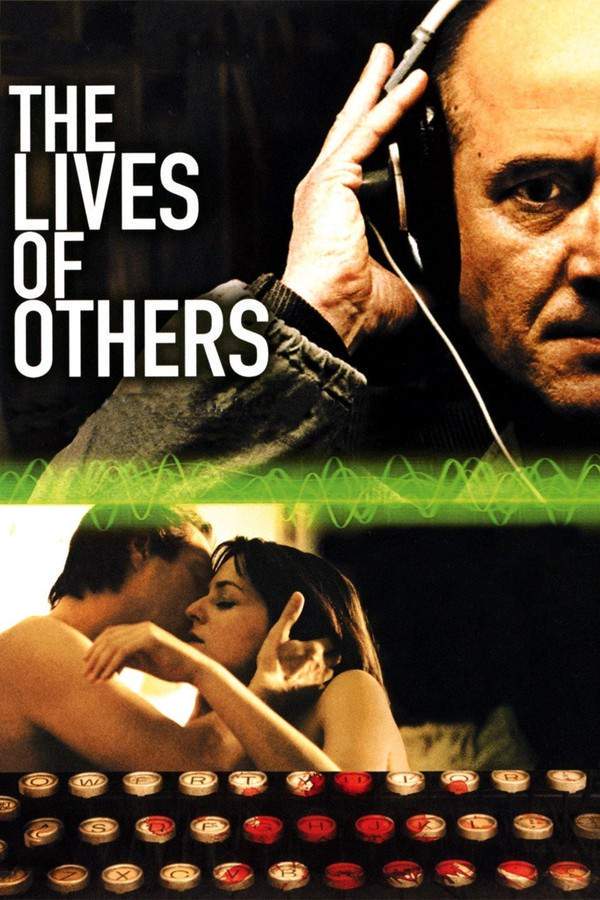
Athletes in moral crisis like in Fair Play

Stories where sport becomes a battleground for ethics, ambition, and impossible choices. Discover sports dramas like Fair Play where athletes face impossible choices between personal integrity and competitive ambition. These films explore doping, coercion, and the dark side of high-performance athletics, where the pressure to win collides with ethics, health, and family bonds.

  • moral compromise
  • coercion
  • corruption
  • ambition
  • betrayal
  • exploitation
  • Tone: tense, somber, morally complex
  • Pacing: steady character study
Why these movies?

The story pattern: Athletes begin with passion and ambition that gradually becomes tainted by systemic pressure. A revelation of corruption or harm arrives mid-story, forcing the protagonist to choose between continuing in a compromised system or walking away from everything they have built. Family members and coaches often serve as complicit forces, pushing athletes toward unethical choices out of their own interests. The narrative tracks the psychological erosion of the athlete as they grapple with betrayal, identity loss, and the hidden cost of victory.

Why they belong together: These films share heavy emotional weight and complex moral terrain, focusing on how competitive systems exploit individuals for institutional or national gain. They feature characters navigating coercion from authority figures, family manipulation, and systemic corruption, often within institutions that frame exploitation as necessary sacrifice. The pacing tends to be steady, building tension through psychological pressure, whispered compromises, and the slow dawning awareness of how deep the rot goes.

Every angle

Fair Play (2014) Explained: Plot, Timeline & Characters

Everything about Fair Play in one place: what happens in the plot summary, the timeline in chronological order, the characters and meaning and a spoiler-free summary. What's After the Movie adds the cast, box office and post-credit scenes.

Coming soon on iOS and Android

The Plot Explained Movie Summary App

Plot summaries, endings explained and timelines on your phone. Catch up on any movie in minutes, save your favorites and never miss a twist again.

Be the first to know when we launch. Your email stays private, always.

Learn more about the app