Plot Explained Spoilers guaranteed!
Plot Explained

Browse by genre

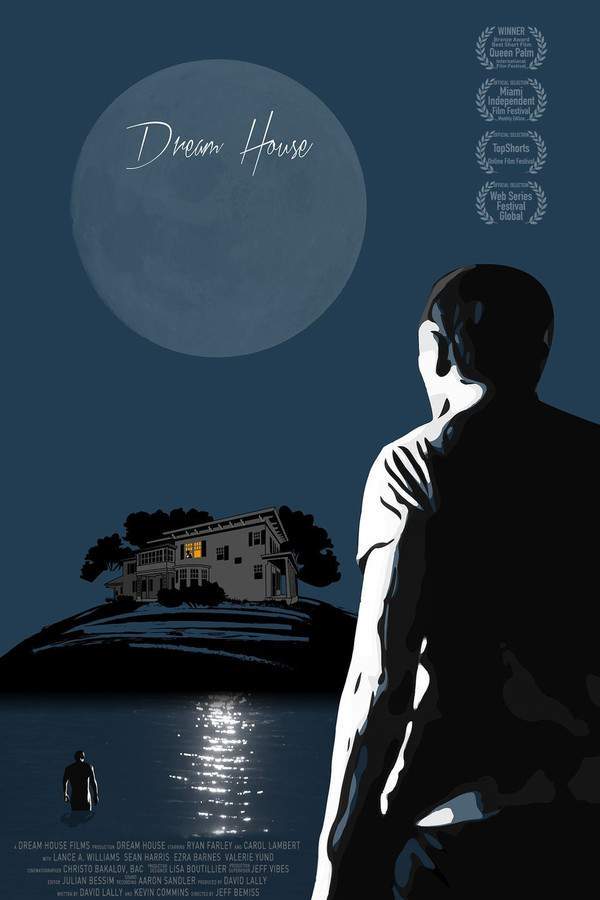
Dream Home (2006) movie poster

Timeline

Dream Home (2006) Timeline Explained – Every Event in Order

Release, runtime and language
2006 · 85 mins · English
Loading streaming availability…
Directed by
Amir Valinia
Starring
Chris Fry, Jason Brown, Chantelle Winchester, Mia X, Corey Stills, Pat Delune

When the young married Cromier couple settles into a beautiful rural Louisiana home, they initially feel they’ve found heaven. Soon, a host of malevolent ghosts begin tormenting the house, turning their dream into a nightmare. As inexplicable incidents multiply, the family fights to survive and escape the relentless haunting.

On this page (6)
  1. 1 Where to watch
  2. 2 Events in order (12)
  3. 3 Timeline questions answered
  4. 4 Movie threads
  5. 5 Movies like Dream Home
  6. 6 Every angle
Loading streaming availability…

12 events in order · contains spoilers

Dream Home Timeline: Events in Chronological Order

Every key event of Dream Home (2006) in order, scene by scene, with when and where it takes place. Use it to untangle flashbacks, time jumps and parallel storylines, to refresh your memory before the sequel or to find the exact scene you are thinking of.

  1. Childhood displacement and harbor vow

    As a child in Hong Kong, Lai-sheung's family is uprooted from affordable housing to make way for developers. The memory seeds a lifelong vow to secure a home with a view of Victoria Harbour. This early event frames her adult fixation on a harbor-side future for her family.

    Where
    Hong Kong (childhood neighborhood)
  2. Carrying the vow into adulthood

    Growing up under the promise, Lai-sheung navigates life in a city of constant change, balancing two jobs to chase the dream. The harbor remains a symbolic anchor for her sense of duty to her parents. The personal mission drives her choices and relationships.

    Where
    Hong Kong
  3. Father's mesothelioma diagnosis

    Years later, Lai-sheung's father is diagnosed with mesothelioma, intensifying the urgency of obtaining a stable home. The bank approves only 70% of the mortgage, with monthly payments that stretch her finances thin. The dream becomes a lifeline tethered to her father's health.

    When
    present-day
    Where
    Hong Kong
  4. Insurance lapse complicates funds

    A mishandled declaration of her father's medical history triggers an insurance lapse, forcing Lai-sheung to juggle a second job just to cover costs. The growing medical bills push the timeline of the dream closer to collapse. She fights to keep the plan alive despite the setback.

    When
    present-day
    Where
    Hong Kong
  5. Attempt to borrow from a married lover

    With a down payment within reach, the ballooning medical bills push her to seek a loan from a married lover, hoping for a final push toward Victoria Bay No. 1. He refuses, removing a crucial financial safety net. The failure deepens the sense that the dream may be unattainable.

    When
    present-day
    Where
    Hong Kong
  6. Night of the father's struggle and death

    One night, as her father struggles to breathe, she makes the devastating choice not to give him oxygen, and he dies. The insurance payout then swells her savings, intensifying her push toward the dream home. The event crystallizes how far she is willing to go for security.

    When
    night
    Where
    Family home, Hong Kong
  7. Insurance payout accelerates the plan

    With the father's death, the insurance payout boosts her savings, bringing Victoria Bay No. 1 within sight. She stands on the verge of the dream, convinced the harbor will finally be theirs. Yet the path forward remains volatile, tied to market forces.

    Where
    Hong Kong, near Victoria Bay No. 1
  8. Stock-market surge and price increase

    A stock-market surge unexpectedly persuades the flats' owners to raise the price, threatening to derail everything she has worked toward. The calculation between desire and finance tightens, fueling desperation. The sale becomes a high-stakes confrontation.

    When
    present-day
    Where
    Victoria Bay No. 1 vicinity
  9. Attack on the flats and police standoff

    Consumed by fear and anger, she uses ordinary household items as improvised weapons to lash out at the flats and their occupants. A brutal spree leads to a tense standoff with the police. The violence marks a brutal turning point in her pursuit and life.

    When
    night
    Where
    Victoria Bay No. 1, Hong Kong
  10. Officers killed; turning point

    In the ensuing chaos, both officers are killed, transforming Lai-sheung's standing and the city's perception of the case. The incident reverberates through her life and the real-estate drama that follows. It signposts a new, darker chapter in the pursuit of security.

    Where
    Victoria Bay No. 1, Hong Kong
  11. Agent reveals new sale, murders cited

    Back at work, a call from her agent reveals the owners are now willing to sell, potentially at a lower price. He hints that eleven murders the night before have shaped the deal, trying to influence her emotions and decisions. The personal and professional worlds collide in a dangerous way.

    When
    following night
    Where
    Real estate office / Hong Kong
  12. Lover leaves; she walks on alone

    The lovers' bargain dissolves as he arrives to take her away, but she turns away, choosing to continue alone toward the harbor. The break emphasizes her solitary pursuit of security and duty. The film ends with her gazing over the harbor while global tremors begin to ripple through the city.

    When
    ending
    Where
    Hong Kong harbor viewpoint

Last updated: October 09, 2025 at 16:44

Was this helpful?

Timeline questions answered

Dream Home Timeline Explained: Your Questions Answered

When does it happen, and why in that order? The questions people ask about the chronology of Dream Home (2006): time jumps, flashbacks, cause and effect between scenes and the correct order of events, each answered with spoilers.

Q1

Why does Lai-sheung refuse to give her father oxygen when he is struggling to breathe?

Lai-sheung deliberately withholds oxygen from her dying father because his death will trigger a life insurance payout. With her savings depleted by his medical bills and the dream apartment still out of reach, she calculates that his death is the only way to secure the funds needed for the down payment. The choice represents her complete moral unraveling under financial pressure, prioritizing the harbor-side apartment over her father's life.

Foreshadowing: Earlier scenes establish her mounting desperation as she juggles two jobs, battles insurance complications, and watches her father's diagnosis turn the dream into a race against time.

  • father death
  • insurance payout
  • moral compromise
  • desperation
  • housing dream
Q2

Why do the owners raise the price of Victoria Bay No. 1 after the stock-market surge?

When the stock market rallies, the owners suddenly have more financial confidence and less urgency to sell. They calculate that property values are rising and their apartment will likely appreciate further, making holding onto it more profitable than accepting Lai-sheung's original offer. The surge gives them leverage to demand more money, directly threatening everything she has worked toward.

Foreshadowing: The timeline establishes that financial obstacles have consistently blocked her path, with the bank approving only 70% mortgage and monthly payments exceeding $15,000.

  • stock market
  • price increase
  • real estate
  • owners
  • property value
Q3

Why does Lai-sheung attack the flats and the people inside them?

After the owners raise the price and she is refused a loan from her married lover, Lai-sheung experiences a complete psychological break. Consumed by fear and anger after losing her father, her job security, and her relationship, she lashes out using ordinary household items as improvised weapons. The attack is an act of desperate violence born from feeling utterly trapped by a system that keeps moving the goalposts just out of her reach.

Foreshadowing: The narrative builds tension through repeated setbacks - the insurance lapse, the bank rejection, the lover's refusal - each one pushing her closer to the breaking point.

  • attack
  • violence
  • desperation
  • breakdown
  • police standoff
Q4

Why are the owners suddenly willing to sell after the murders at Victoria Bay No. 1?

The owners become willing to sell because the eleven murders have drastically diminished the property's appeal and market value. They realize a desperate buyer like Lai-sheung might accept a lower price, and they exploit the tragedy to close a deal they previously refused. The agent explicitly mentions the murders as leverage, suggesting the owners are pragmatic enough to profit from tragedy.

Foreshadowing: The rapid shift from refusing to sell to offering a lower price reflects the transactional nature of the Hong Kong property market, where tragedy becomes a negotiation tool.

  • murders
  • property deal
  • owners
  • lower price
  • real estate
Q5

What does the ending imply about the subprime mortgage crisis and Lai-sheung's achievement?

The ending juxtaposes Lai-sheung's hollow victory with the onset of the global financial crisis. Even as she potentially acquires her dream apartment, the news reports a widening economic tremor linked to America's subprime mortgage crisis. The parallel suggests her personal obsession with property ownership is caught in the same predatory financial system that will soon devastate countless others - her victory is temporary and meaningless against systemic collapse.

Foreshadowing: The entire narrative has been building toward the moral and personal costs of chasing housing security in an unstable economic system.

  • subprime mortgage
  • financial crisis
  • ending
  • global economy
  • housing market
Q6

Why does Lai-sheung reject her lover when he arrives to take her away?

Lai-sheung turns away from her married lover because pursuing the apartment has consumed her identity and sense of purpose. His offer to take her away represents choosing a personal life over her vow to her parents. By walking alone toward the harbor, she chooses to fulfill her childhood promise rather than escape with a lover she only approached for financial help. The rejection solidifies her isolation and total commitment to the dream.

Foreshadowing: Their relationship has been transactional from the start - she sought a loan from him, and he offered emotional support tied to financial dependency.

  • lover
  • rejection
  • isolation
  • harbor
  • walking alone
Q7

Why does Lai-sheung's childhood displacement shape her obsession with Victoria Harbour?

As a child, Lai-sheung's family is forcibly uprooted from affordable housing to make way for developer flats. This traumatic displacement plants the seed of a lifelong vow to secure a home with a view of Victoria Harbour - not just for herself, but to give her parents a better place and to honor her grandfather who walked daily to see the harbor. The vow becomes intertwined with duty, love, and a desperate need for stability that her childhood never provided.

Foreshadowing: The opening childhood memory establishes the psychological foundation for everything that follows, showing how a promise made in childhood becomes a prison in adulthood.

  • childhood
  • displacement
  • vow
  • harbor
  • parents
  • grandfather
Q8

Why does the insurance lapse become a critical problem for Lai-sheung's plans?

Lai-sheung fails to declare her father's full medical history when applying for insurance, causing the policy to lapse. This oversight removes a crucial financial safety net just as her father's mesothelioma diagnosis intensifies medical costs. Without insurance coverage, she must pay all bills from savings while still trying to afford the apartment, forcing her to take a second job and ultimately pushing her toward the devastating decision that leads to her father's death.

Foreshadowing: The narrative establishes a pattern where small mistakes compound into catastrophes, each financial setback narrowing her options further.

  • insurance
  • lapse
  • medical bills
  • financial
  • mistake
Q9

Why does the film use a non-linear structure weaving past and present?

The non-linear structure interweaves flashbacks to Lai-sheung's childhood with present-day events to reveal how past trauma drives current behavior. By showing her early displacement from affordable housing alongside her desperate adult pursuit, the film demonstrates the psychological weight of that original loss. The structure lets viewers understand that her obsession is not simple greed but a deeply rooted need to reclaim security stolen in childhood.

Foreshadowing: The opening flashback to her family's eviction sets the emotional tone, explaining why a harbor view represents something far more than real estate.

  • non-linear
  • flashback
  • childhood
  • psychological
  • memory
Q10

Why does her father's mesothelioma diagnosis intensify the apartment search?

The mesothelioma diagnosis creates a ticking clock. Lai-sheung's father needs a stable, comfortable home before his terminal illness claims him, making the apartment search both urgent and emotionally charged. The diagnosis transforms the dream from a personal aspiration into a race against time - she wants to give him a better place before he dies, and his death will also provide the insurance funds that make the purchase possible.

Foreshadowing: The timeline shows his diagnosis as the event that transforms the dream from aspiration to desperate necessity.

  • mesothelioma
  • father
  • terminal illness
  • urgency
  • diagnosis

Movie threads

More Movies Like Dream Home, by Mood & Story

Curated lists built around what makes Dream Home tick: the same mood, the same kind of story or the same emotional payoff. Each list explains why these movies belong together.

Movies about tainted dreams and obsession like Dream Home

Stories where the obsessive pursuit of a goal leads to psychological and moral decay. Find more movies like Dream Home where a character's single-minded pursuit of a dream home, financial security, or a better life leads them down a dark path. These stories explore the unsettling blend of desperation and moral decay, often set against a backdrop of economic hardship, for viewers who enjoy heavy, tense dramas.

  • desperate
  • obsessive
  • grim
  • anxious
  • unsettling
  • melancholic
  • Tone: dark, tense, bleak
  • Pacing: variable, building to frantic climax
Why these movies?

The story pattern: These narratives typically follow a protagonist's escalating obsession with a tangible goal, often symbolized by a place or object. External pressures, like financial ruin or social decay, force them into morally compromising choices, leading to a psychological unravelling. The story structure often uses flashbacks to contrast initial hope with present-day desperation, culminating in a bittersweet or bleak victory that feels hollow.

Why they belong together: Movies are grouped here for their shared focus on the corrosive nature of ambition under duress. They create a coherent experience through a dark tone, high emotional weight, and a variable pacing that builds tension towards a climax where the character achieves their goal at a devastating personal cost.


Psychological haunting stories with deep trauma like Dream Home

Films where a haunting reflects internal trauma, guilt, or moral collapse. If you liked the themes in Dream Home, explore movies where hauntings are metaphors for internal struggle. These films use supernatural horror to explore psychological torment, past trauma, and the heavy cost of survival, perfect for fans of complex, character-driven horror with a bleak atmosphere.

  • unsettling
  • psychological
  • tense
  • grim
  • desperate
  • melancholic
  • Tone: dark, unsettling, bleak
  • Pacing: variable, with deliberate buildup
Why these movies?

The story pattern: Stories in this thread use the supernatural as a lens to examine internal conflict. The external haunting parallels the protagonist's internal degradation, with inexplicable events escalating as their guilt or trauma surfaces. The narrative is often complex, weaving past and present to reveal the source of the psychological wound, making the horror feel intimately connected to the character's journey.

Why they belong together: These films are united by their use of horror as a vehicle for psychological exploration. They share a high intensity, a dark and unsettling tone, and a heavy emotional weight. The horror stems from within as much as from without, creating a cohesive vibe of grim, introspective dread.

If you liked this

Movies Like Dream Home

Similar movies to Dream Home: the same genre, themes or kind of story. Each one comes with its own plot summary, timeline and ending explained.

Browse all movie summaries

Every angle

Dream Home (2006) Explained: Plot, Timeline & Characters

Everything about Dream Home in one place: what happens in the plot summary, the timeline in chronological order, the characters and meaning and a spoiler-free summary. What's After the Movie adds the cast, box office and post-credit scenes.

Coming soon on iOS and Android

The Plot Explained Movie Summary App

Plot summaries, endings explained and timelines on your phone. Catch up on any movie in minutes, save your favorites and never miss a twist again.

Be the first to know when we launch. Your email stays private, always.

Learn more about the app