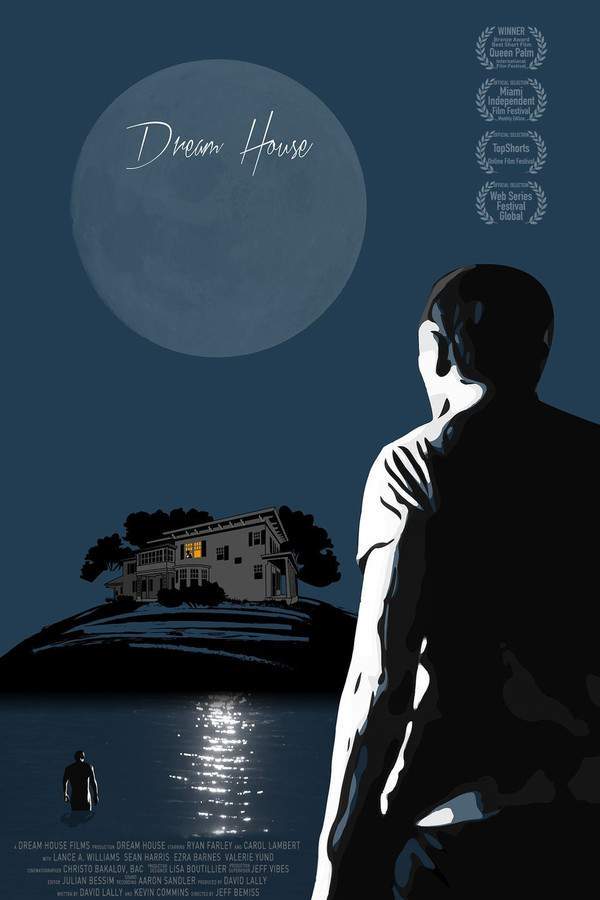
Dream House
Year: 2011
Runtime: 92 min
Language: English
Director: Jim Sheridan
Budget: $50M
A family seeking a fresh start moves to a beautiful home in suburban New England, unaware of its disturbing past. As the father investigates the previous owners and a series of unsolved murders, he uncovers a sinister connection to his own life. Soon, he and his family find themselves in danger, targeted by a mysterious and menacing figure with a terrifying agenda. Starring Daniel Craig, Rachel Weisz, and Naomi Watts.
Where to Watch Dream House?
Find where to stream, rent, or buy Dream House (2011) in the US with current JustWatch availability, up-to-date pricing, and platform listings for subscription, rental, and digital purchase options.

Streaming availability powered by 
Warning: spoilers below!
Haven’t seen Dream House yet? This summary contains major spoilers. Bookmark the page, watch the movie, and come back for the full breakdown. If you're ready, scroll on and relive the story!
Dream House (2011) – Full Plot Summary & Ending Explained
Read the complete plot breakdown of Dream House (2011), including all key story events, major twists, and the ending explained in detail. Discover what really happened, and what it all means.
The story opens in an unnamed city, where Will Atenton, portrayed by Daniel Craig, decides to leave his successful career as an editor to dedicate himself to writing a book and spending quality time with his wife, Libby (Rachel Weisz), and their two daughters. Initially, their new life in a picturesque country home seems like the embodiment of the American dream. However, Will quickly senses an underlying tension that disrupts their tranquility, particularly between his neighbor, Anne Patterson (Naomi Watts), and her ex-husband, Jack, as he picks up their teenage daughter.
As Will settles into his new surroundings, he discovers a dark secret about the house they now call home—five years prior, the previous owner, Peter Ward, committed a horrific act, killing his wife and children. The tension escalates when Will's daughters start to report sightings of a mysterious man lurking near their windows at night. Driven by an urgent need to protect his family, Will investigates the murders, only to be met with resistance from the local police and an aloof Anne, who offers no insight into the unsettling history of the home.
Their inquiries lead them to uncover that Peter Ward had been released from custody due to a lack of evidence and is now residing in a halfway house, stirring public outrage. When Libby also encounters the enigmatic figure that the girls had mentioned, Will, suspecting it is Peter, becomes determined to confront him. Will's investigation takes him to the halfway house, where he mistakenly confronts a man named Martin Tishencko (Joe Pingue), instead of Ward.
In a deeply confounding twist, Will learns from staff at the psychiatric hospital that he is, in fact, Peter Ward, living under a false identity to escape the trauma of his family's death. As he struggles to accept this unsettling reality, he finds himself caught between two conflicting lives: one where he is a devoted husband and father, and another where he is a solitary man grappling with the guilt of his past.
Evicted from their now dilapidated home, Will seeks refuge with Anne, who provides care and support, believing in his innocence. However, tension mounts as Anne's ex-husband, Jack, confronts the situation, forcing Anne's daughter back home, prompting a chaotic chain of events that endangers everyone involved.
As Will battles his fractured reality, he revisits the memories of that tragic night, only to uncover a shocking revelation: the true murderer was Anne's hired assassin, Boyce, who mistakenly killed his family. The unfolding events lead to a terrifying climax where Will must confront not just his past, but the spectral figures of his wife and daughters who linger within his memories.
In a heart-wrenching finale, Will witnesses the ghosts of his loved ones aiding him in a desperate bid for survival against Jack and Boyce, clarifying the boundaries between life and death. The emotional weight of this moment compels Will to let go of his past. Ultimately, the film concludes with Will, now aware of his true identity as Peter Ward, gazing into a bookstore window at a book he authored about his harrowing experiences—a powerful testament to his journey, merging the lines between grief and recovery, and marking his renewal under the name he had long buried.
Last updated: November 08, 2024 at 03:20
Dream House (2011) Plot Questions Answered – Summary FAQ
Explore frequently asked questions about Dream House (2011) with spoiler-rich answers covering the full plot summary, major story beats, character motivations, hidden details, and ending meaning. This movie summary FAQ helps explain confusing scenes, plot twists, and narrative decisions in clear, searchable detail.
Why is Will actually Peter Ward?
Will discovers he is Peter Ward living under a false identity. After killing his own wife and children in a psychotic break, Peter created a new life as Will Atenton to escape the trauma. The psychiatric hospital staff reveal this identity to him, explaining that he has been living in a dissociative state, convinced he is a different person who moved to the country with a family.
Earlier scenes show Will sensing tension in the neighborhood and feeling uneasy, hints that his subconscious is grappling with buried memories.
Who killed Peter Ward's family in Dream House?
Peter Ward's family was actually killed by Boyce, a hitman hired by Anne Patterson. Boyce was sent to murder Peter, but he mistakenly killed Peter's wife and children instead, believing them to be Peter at the window. This revelation comes when Will recalls the traumatic memory of that night.
Anne is notably reticent about the house's history and initially offers no insight into the murders, despite living nearby.
What happened to Will's wife Libby and daughters?
Libby and Will's two daughters never existed, they were hallucinations created by Peter's fractured mind to cope with the trauma of losing his real family. When Peter committed the murders (or when Boyce did), his wife and children died. The phantom family represents his guilt and desire for reconciliation.
The daughters' sightings of a mysterious man could be Peter's own projection, as he was the one lurking near the house in his fragmented state.
Why does Anne hire a hitman to kill Peter Ward?
Anne hires Boyce to kill Peter Ward, though the exact reason is not fully detailed in the summary. She orchestrates the murder of the entire family, but Boyce mistakenly kills the wrong people, Peter's wife and children at the window instead of Peter himself.
Anne's coldness toward Will and her refusal to discuss the house's history foreshadow her deeper involvement in the tragedy.
Why do the ghosts help Peter at the climax?
The ghosts of Peter's wife and daughters appear during the climactic confrontation with Jack and Boyce, aiding him in survival. This can be interpreted as either his hallucinations projecting protective figures, or his subconscious finally processing his guilt and allowing himself to fight back. Their presence blurs the line between his fractured reality and his need for closure.
The daughters' earlier sightings of a mysterious man represent Peter's own guilt manifest, setting up the supernatural elements of the finale.
Why was Peter Ward released from custody?
Peter Ward was released from custody due to lack of evidence. The police could not prove his involvement in the murders, allowing him to be released into a halfway house. This fact ignites public outrage in the town and fuels Will's investigation, as he believes the suspected murderer is still a threat.
Will's discovery of Peter Ward's release motivates his protective actions and sets his investigation in motion.
What does the ending of Dream House mean?
The ending shows Peter Ward, now fully aware of his true identity, looking at a bookstore window displaying a book he wrote about his experiences. This signifies his acceptance of his past and his transformation through writing, using storytelling to process his trauma. The bittersweet conclusion offers closure rather than a happy ending, suggesting he can now move forward by confronting his tragedy rather than running from it.
The entire narrative arc builds toward this acceptance, as Peter must first reject his false identity before embracing his real one.
How does Will discover he is Peter Ward?
Will discovers his true identity when staff at a psychiatric hospital reveal that he is Peter Ward living under a false identity. This shocking revelation comes during his investigation into the murders, forcing him to reconcile two conflicting lives, one as a devoted family man, the other as a murderer grappling with guilt.
Will's growing unease and obsession with the murders mirror a man confronting his own buried past.
Why does Peter Ward return to the house?
Peter returns to the house as Will because his fragmented psyche has created a elaborate fantasy of having a new family in the home where his original family died. He is drawn to the location unconsciously, needing to confront what happened there, even if his conscious mind does not understand why.
Will feels an immediate unease upon moving in, sensing an underlying tension he cannot explain.
Why does Anne help Peter after his identity is revealed?
After Will is evicted from the house, Anne takes him in and believes in his innocence. This seems contradictory given her role in hiring Boyce. However, Anne may be seeking redemption or testing whether Peter has recovered enough to face the truth. Her complex motivation adds to the film's psychological tension.
Anne's initial aloofness about the house's history contrasts with her later willingness to help, suggesting hidden guilt.
What is the significance of the book at the end?
The book Peter sees in the bookstore window is his own, he wrote it about his harrowing experiences. This publication represents his transformation from a man in denial to an author who has processed his trauma through writing. The book is a symbol of his renewal and the merging of his two identities into a single narrative of grief and recovery.
Will's original goal was to leave his career to write a book, which subtly foreshadows this conclusion.

Explore Movie Threads
Discover curated groups of movies connected by mood, themes, and story style. Browse collections built around emotion, atmosphere, and narrative focus to easily find films that match what you feel like watching right now.
Psychological Thrillers with Unreliable Narrators like Dream House
Psychological thrillers where a protagonist's grip on reality is dangerously unreliable. Discover movies like Dream House where the central character's perception is untrustworthy. If you enjoyed the mind-bending twist and psychological unraveling, this selection features similar thrillers exploring fractured identities, memory, and the haunting blur between truth and delusion.
Shattered
1991

The Broken
2008
Fractured
2019

Retribution
2006
Perfect Stranger
2007
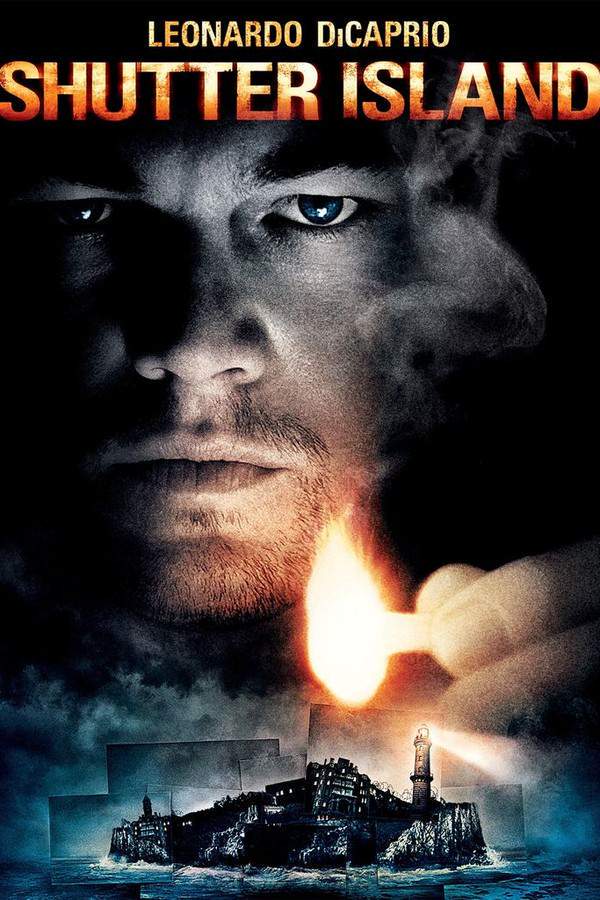
Shutter Island
2010

Missing 2
2017
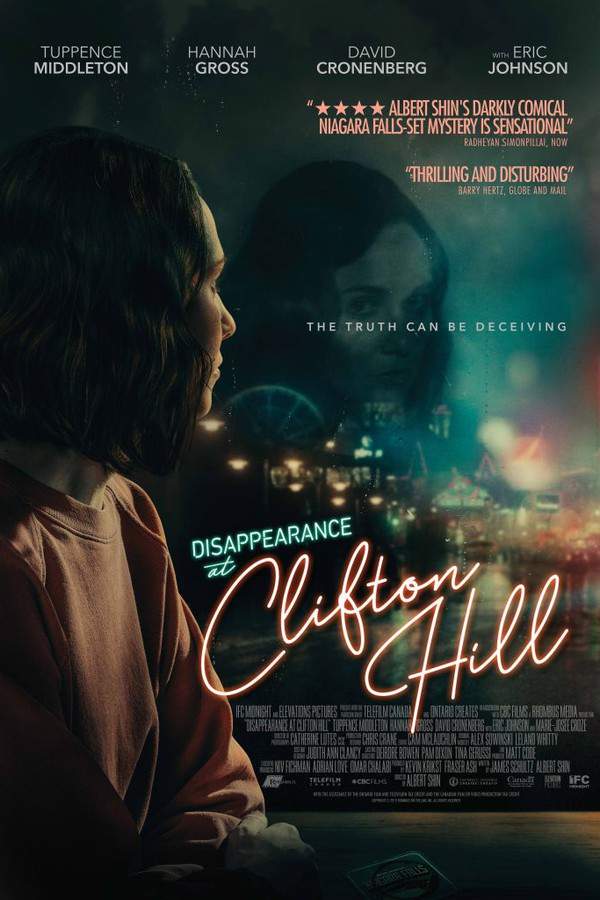
Disappearance at Clifton Hill
2020

Bougainvillea
2024
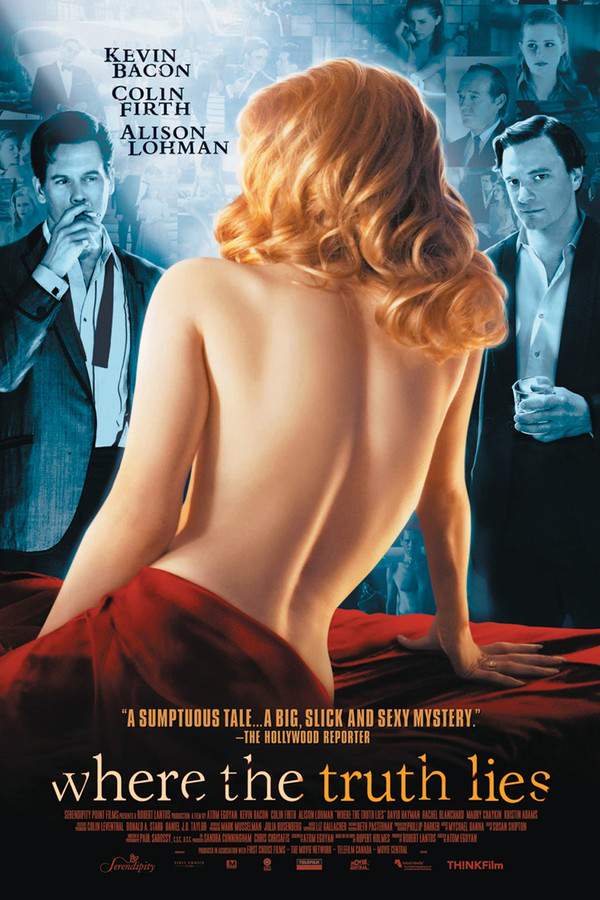
Where the Truth Lies
2005

Dead Reckoning
1946

Memento
2001

Genealogies of a Crime
1997

Lost in the Stars
2022

The Unforgiving
2010
Narrative Summary
Stories in this thread typically follow a character investigating a mystery, only to discover that the biggest mystery is their own mind. A pivotal reveal recontextualizes previous events, transforming a straightforward plot into a complex exploration of trauma, guilt, or mental illness. The journey is one of psychological deconstruction rather than physical action.
Why These Movies?
These movies are grouped by their shared narrative structure built around a central character's psychological fragility. They create a specific, disorienting viewer experience defined by a major twist, a focus on internal conflict over external threats, and an atmospheric tension that comes from not knowing what is real.
Movies with an Atmosphere of Dread like Dream House
Stories where a seemingly perfect home conceals a sinister past that threatens its new inhabitants. If you liked the uneasy atmosphere and domestic setting of Dream House, explore these films where a home's idyllic facade hides a terrible secret. These stories masterfully build suspense and paranoia, often blending mystery with psychological horror for a deeply unsettling experience.

The House at the End of Time
2013
Dream House
2011

The Black Torment
1964
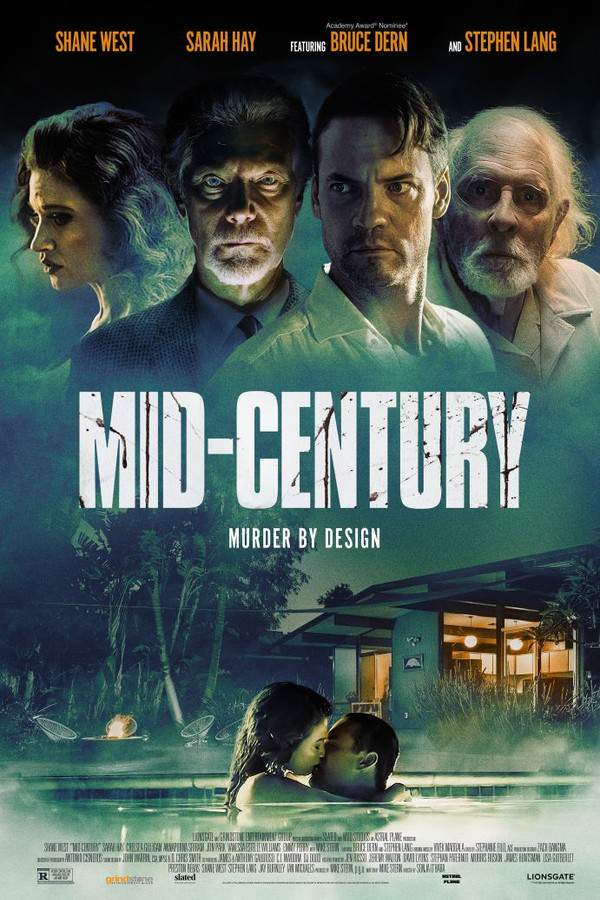
Mid-Century
2022
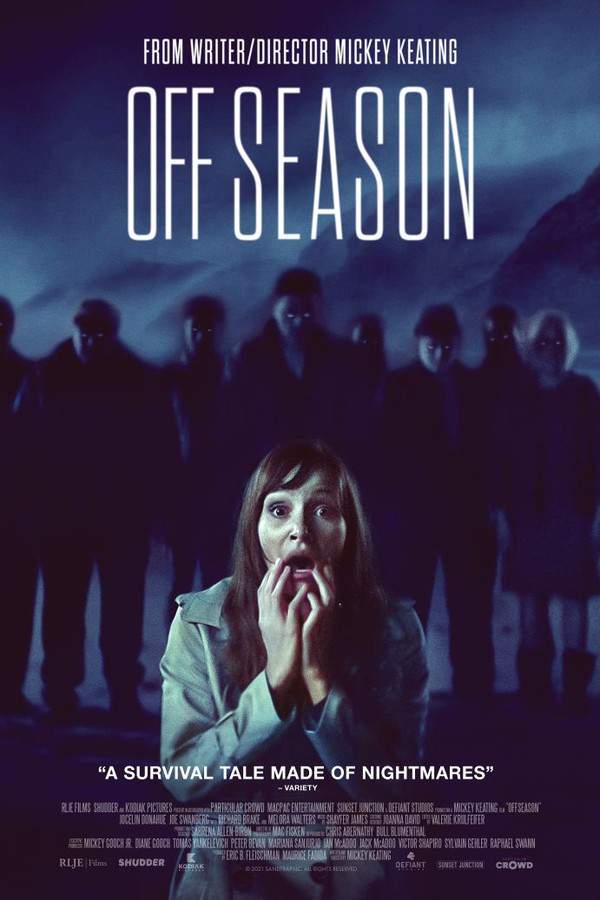
Offseason
2022

Dark Encounter
2019
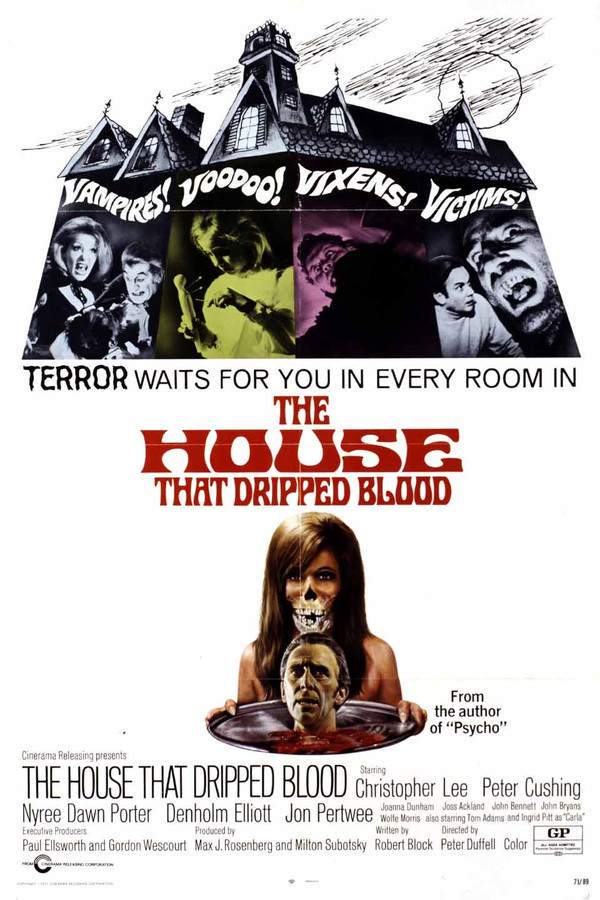
The House That Dripped Blood
1971

House of Last Things
2013

House Hunting
2006

Amityville Death House
2015

Macabre
1958
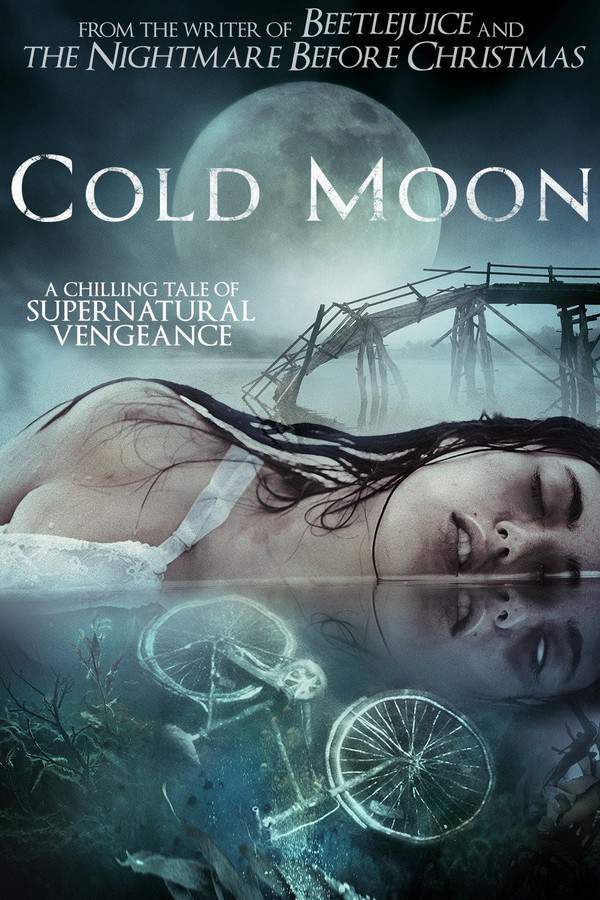
Cold Moon
2017
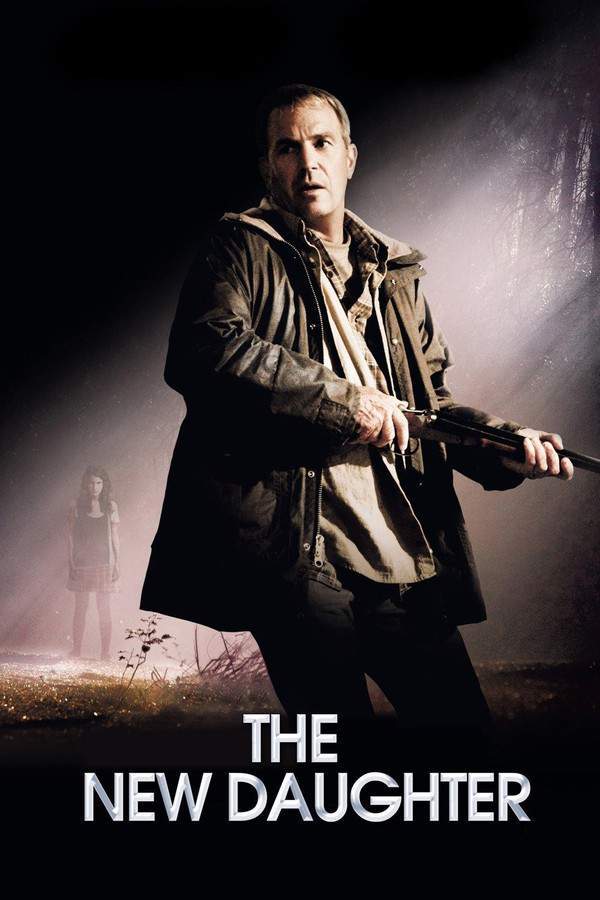
The New Daughter
2009
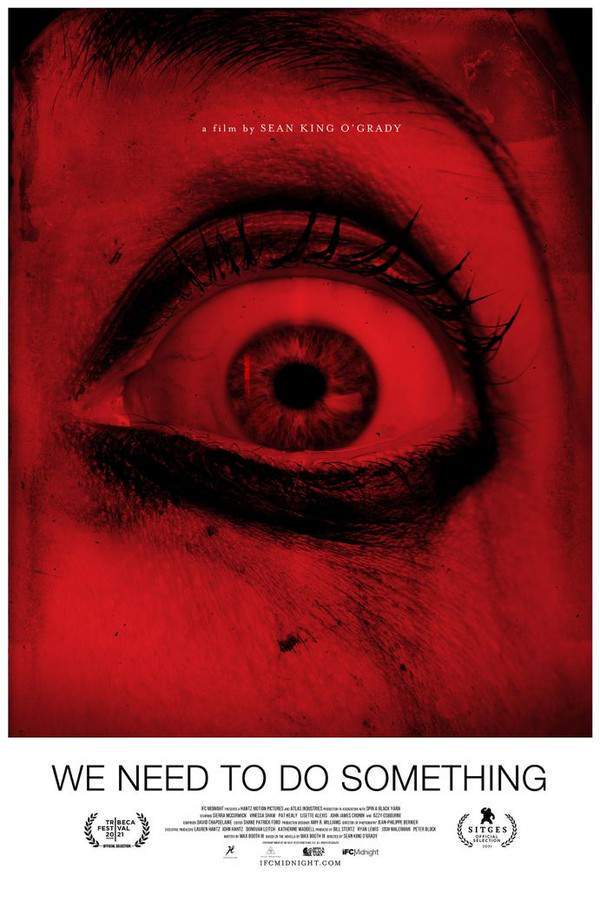
We Need to Do Something
2021

Dark Places
2015
Narrative Summary
The narrative pattern involves a family or individual moving into a new environment for a fresh start, only to discover its hidden, traumatic history. The protagonist's investigation into the past unravels a mystery that directly parallels or threatens their current life, leading to a climactic confrontation with the lingering evil, whether supernatural or human.
Why These Movies?
These films share a cohesive mood defined by a pervasive sense of dread, a focus on the home as a central character, and a plot driven by uncovering a dark secret. The similarity lies in the atmospheric tension, the theme of the past haunting the present, and the slow-burn revelation of horror within a domestic space.
Unlock the Full Story of Dream House
Don't stop at just watching - explore Dream House in full detail. From the complete plot summary and scene-by-scene timeline to character breakdowns, thematic analysis, and a deep dive into the ending - every page helps you truly understand what Dream House is all about. Plus, discover what's next after the movie.
Dream House Timeline
Track the full timeline of Dream House with every major event arranged chronologically. Perfect for decoding non-linear storytelling, flashbacks, or parallel narratives with a clear scene-by-scene breakdown.

Characters, Settings & Themes in Dream House
Discover the characters, locations, and core themes that shape Dream House. Get insights into symbolic elements, setting significance, and deeper narrative meaning - ideal for thematic analysis and movie breakdowns.


Similar Movies to Dream House
Discover movies like Dream House that share similar genres, themes, and storytelling elements. Whether you’re drawn to the atmosphere, character arcs, or plot structure, these curated recommendations will help you explore more films you’ll love.
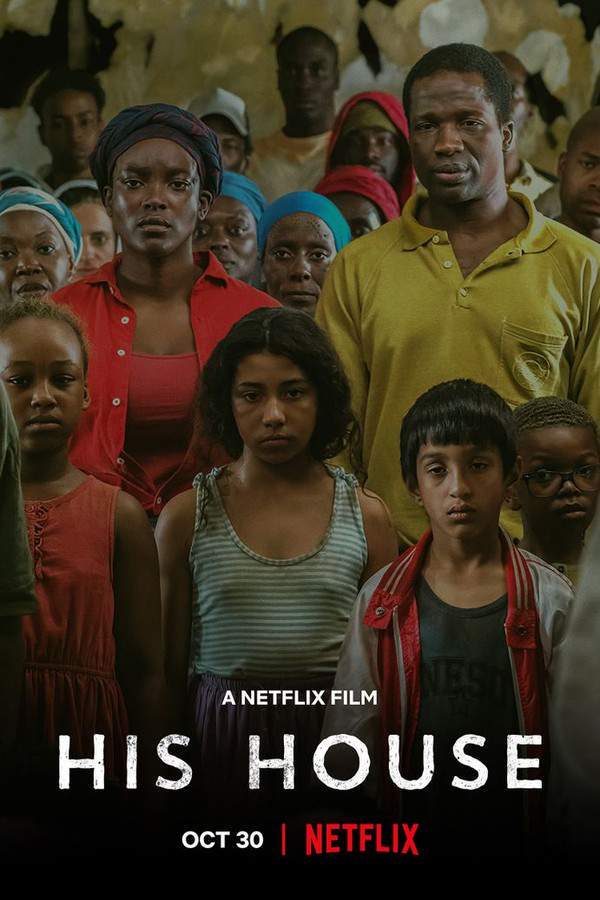

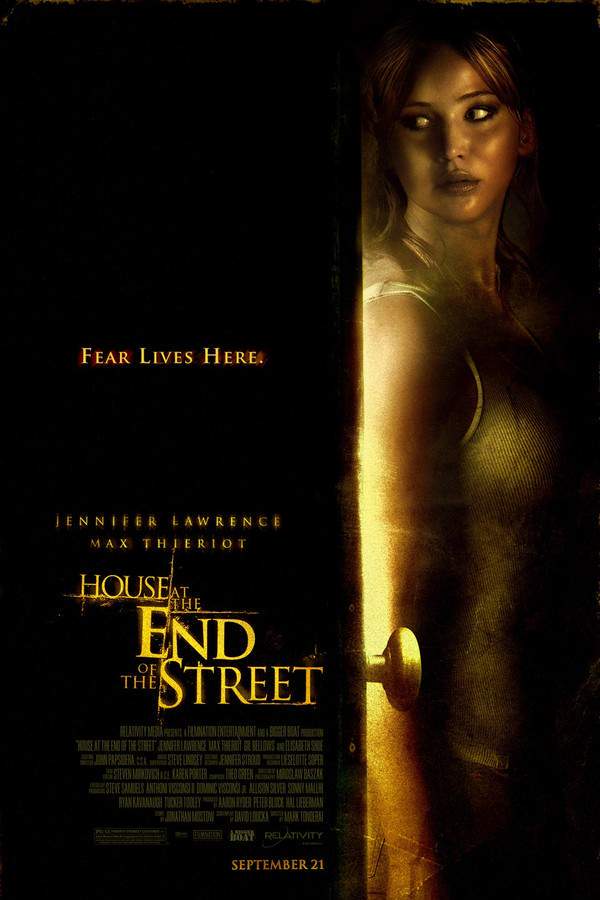





Explore More About Movie Dream House
Dream House (2011) Scene-by-Scene Movie Timeline
Dream House (2011) Movie Characters, Themes & Settings
Dream House (2011) Spoiler-Free Summary & Key Flow
Movies Like Dream House – Similar Titles You’ll Enjoy
His House (2020) Full Summary & Key Details
Incident In a Ghostland (2018) Story Summary & Characters
Our House (2018) Full Summary & Key Details
House at the End of the Street (2012) Plot Summary & Ending Explained
The House of Yes (1997) Ending Explained & Film Insights
The House (2017) Full Movie Breakdown
A House on the Bayou (2021) Complete Plot Breakdown
House (1986) Spoiler-Packed Plot Recap
Dark House (2014) Complete Plot Breakdown
Our House (2023) Plot Summary & Ending Explained
Dream Home (2006) Story Summary & Characters
A Dream House (2023) Detailed Story Recap
House out of Town (1995) Full Summary & Key Details
In Dreams (1999) Plot Summary & Ending Explained
House of Dreams (1963) Full Movie Breakdown