



Plot Explained Spoilers guaranteed!
Plot Explained

Browse by genre

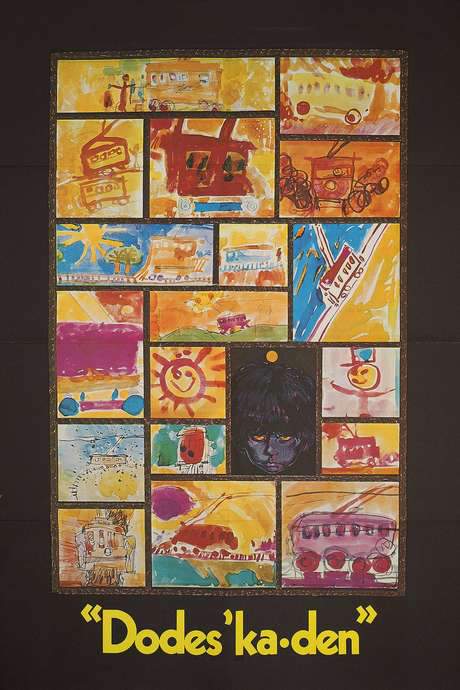
Dodes’ka-den (1970) movie poster

Characters & Themes

Dodes’ka-den (1970) Characters, Setting & Themes Explained

Release, runtime and language
1970 · 140 mins · Japanese
JustWatch #27,741 2
Directed by
Akira Kurosawa
Starring
Tatsuo Matsumura, Akemi Negishi, Yoshitaka Zushi, Hisashi Igawa, Kôji Mitsui, Kamatari Fujiwara

Set in a Tokyo slum on the city’s outskirts, the film portrays the everyday struggles of its residents. A homeless father and his son imagine building their own house, a young woman endures her uncle’s abuse, and a boy pretends to be a trolley conductor, each finding a personal hope that sustains them despite poverty.

On this page (8)
  1. 1 Where to watch
  2. 2 Characters explained (7)
  3. 3 Where & when it takes place
  4. 4 Themes & meaning (4)
  5. 5 Character & meaning questions
  6. 6 Movie threads
  7. 7 Movies like Dodes’ka-den
  8. 8 Every angle

Where to watch

Where to Watch Dodes’ka-den (1970)

Where can you watch Dodes’ka-den? Stream, rent or buy it in the US, including on HBO Max: current JustWatch availability with up-to-date prices.

Streaming availability powered by JustWatch

7 main characters · contains spoilers

Dodes’ka-den Characters Explained: Who Is Who

The main characters of Dodes’ka-den (1970), heroes and villains: what drives them, how they change over the course of the story and what each of them reveals about the film's bigger ideas.

  • Roku-Chan (Yoshitaka Zushi)

    A boy who lives in a fantasy world where he drives a trolley along a fixed route, chanting dodeska-den. His obsession with the trolley earns him the label 'trolley freak' from locals, while his mother worries he might be mentally challenged. The character embodies the collision between imagination and a brutal social reality.

    • 🎭 Child prodigy
    • 🧠 Delusion
    • 🛷 Fantasy
  • Ryotaro Sawagami (Shinsuke Minami)

    A devoted hairbrush maker who shoulders the burden of supporting many children from his wife Misao’s affairs. He remains remarkably steadfast and loving, illustrating quiet resilience amid infidelity and hardship.

    • 👨‍👧‍👦 Family
    • 💪 Resilience
    • 🧭 Duty
  • Mr. Tanba (Atsushi Watanabe)

    A sage-like chasework silversmith who helps people in need and speaks with calm, understanding words. He disarms danger and offers guidance, serving as a moral anchor within the town.

    • 🎨 Artisans
    • 🕊️ Wisdom
    • 👐 Generosity
  • Yukichi Shima (Junzaburō Ban)

    A man with a tic who defends his outwardly unpleasant wife. His stubborn loyalty masks a capacity for care, showing complexity in a relationship tested by hardship and social judgment.

    • 🕳️ Struggles
    • 🤝 Loyalty
    • 💢 Frustration
  • Ochô (Tomoko Naraoka)

    A resident whose presence highlights the tangled relationships and unspoken histories within the shantytown, contributing to the film’s intricate social web of obligation and desire.

    • 💬 Relationships
    • 🧭 Morality
    • 🧡 Affection
  • Katsuko Watanaka (Tomoko Yamazaki)

    A mute girl who is raped by her alcoholic uncle, becomes pregnant, and triggers a cascade of turmoil. Her act and its consequences reveal the vulnerability and peril faced by individuals in the dump.

    • 👧 Trauma
    • 🩸 Violence
    • 🕯️ Innocence
  • Okabe (Masahiko Kametani)

    A warm-hearted shopworker whose tenderness toward Katsuko offers a rare, humane counterpoint to the town’s brutality. He embodies a glimmer of decency amid chaos.

    • ❤️ Kindness
    • 🕊️ Hope
    • 🧭 Trust

Last updated: October 04, 2025 at 19:05

Was this helpful?

Setting

Where and When Does Dodes’ka-den Take Place?

The setting of Dodes’ka-den (1970): the year and time period, the places and locations, and how they shape the characters, the mood and the tension of the story.

Time period

Location

Suburban shantytown atop a rubbish dump

The setting centers on a gritty suburban shantytown perched atop a vast rubbish dump outside a city. Makeshift homes and narrow lanes form a fragile community where scavenging defines daily life. The dump’s harsh environment mirrors the residents’ struggles and fragile hopes for a better future.

  • 🏙️ Suburban shantytown
  • 🗑️ Rubbish-dump setting
  • 🎭 Social realism

Last updated: October 04, 2025 at 19:05

Was this helpful?

4 major themes

Dodes’ka-den Meaning: Themes & Message Explained

What is Dodes’ka-den (1970) really about? The emotional, social and philosophical themes the film keeps returning to, its symbolism and the message beneath the surface.

  • Poverty

    Poverty is the backdrop against which every character negotiates dignity and despair. The shantytown’s precarious dwellings and scarcity force makeshift routines and fragile dreams. The film confronts social neglect while highlighting moments of resilience that emerge from hardship.

  • Fantasy

    Roku-Chan’s fantasy world of a trolley driver offers a counterpoint to harsh reality. His imagined routine gives structure and meaning to his days, even as it isolates him from others. The fantasy serves as a coping mechanism, revealing the limits of escape in a constrained environment.

  • Compassion

    Across the stories, small acts of kindness illuminate the human capacity to care. Characters like Tanba offer guidance and warmth, while others show forgiveness amid fault lines of betrayal and neglect. Compassion acts as a brief balm in an otherwise harsh world.

  • Escape

    Many residents dream of leaving the dump, seeking a different life through work, relationships, or new beginnings. These dreams drive decisions and tensions within families and between friends. Yet the pull of the environment continually tests the feasibility of escape.

Last updated: October 04, 2025 at 19:05

Was this helpful?

Character & theme questions

Dodes’ka-den Characters & Meaning: Your Questions Answered

The questions people ask about Dodes’ka-den (1970): who the characters really are, their relationships, what the symbols mean, where it takes place and what the movie is really about. Each answer contains spoilers.

Q1

Where is Dodes’ka-den set?

The film takes place in a gritty suburban shantytown built atop a vast rubbish dump on the outskirts of Tokyo. Makeshift homes and narrow lanes form a fragile community where residents survive by scavenging. The harsh dump environment mirrors the characters' struggles and their fragile hopes for a better life.

  • setting
  • shantytown
  • rubbish dump
  • Tokyo
  • poverty
  • environment
Q2

What time period does the movie take place in?

The film is set in post-war Japan during the late 1960s to early 1970s, reflecting the era when rapid urbanization left marginalized communities living in informal settlements on the city's peripheries.

  • time period
  • post-war Japan
  • 1970s
  • historical context
Q3

What does the film say about poverty?

Poverty serves as the constant backdrop against which every character negotiates dignity and despair. The shantytown's precarious dwellings and scarcity force makeshift routines and fragile dreams. The film confronts social neglect while highlighting moments of resilience that emerge from hardship.

  • poverty
  • social neglect
  • resilience
  • hardship
  • dignity
Q4

What is the significance of Roku-Chan's trolley fantasy?

Roku-Chan's fantasy world of being a trolley driver offers a counterpoint to harsh reality. His imagined routine gives structure and meaning to his days, even as it isolates him from others. The fantasy serves as a coping mechanism, revealing the limits of escape in a constrained environment.

  • fantasy
  • trolley
  • Roku-Chan
  • coping mechanism
  • imagination
  • escape
Q5

How does compassion appear in the film?

Across the stories, small acts of kindness illuminate the human capacity to care. Characters like Mr. Tanba offer guidance and warmth, while others show forgiveness amid fault lines of betrayal and neglect. Compassion acts as a brief balm in an otherwise harsh world.

  • compassion
  • kindness
  • Tanba
  • forgiveness
  • human connection
Q6

What role do dreams of escape play in the story?

Many residents dream of leaving the dump, seeking a different life through work, relationships, or new beginnings. These dreams drive decisions and tensions within families and between friends. Yet the pull of the environment continually tests the feasibility of escape.

  • escape
  • dreams
  • leaving
  • hope
  • aspiration
  • leaving the dump
Q7

Who is Roku-Chan and what is his role?

Roku-Chan is a boy who lives in a fantasy world where he drives a trolley along a fixed route, chanting 'dodeska-den.' His obsession with the trolley earns him the label 'trolley freak' from locals, while his mother worries he might be mentally challenged. The character embodies the collision between imagination and brutal social reality.

  • Roku-Chan
  • trolley
  • fantasy
  • boy
  • imagination
  • mental health
Q8

Who is Mr. Tanba and what is his function in the story?

Mr. Tanba is a sage-like silversmith who helps people in need and speaks with calm, understanding words. He disarms danger and offers guidance, serving as a moral anchor within the town. He represents compassion and wisdom in an otherwise harsh environment.

  • Mr. Tanba
  • silversmith
  • mentor
  • moral anchor
  • guidance
  • wisdom
Q9

What happens to Katsuko in the film?

Katsuko Watanaka is a mute girl who is raped by her alcoholic uncle, becomes pregnant, and triggers a cascade of turmoil. Her act and its consequences reveal the vulnerability and peril faced by individuals in the dump, highlighting the film's dark examination of abuse and social neglect.

  • Katsuko
  • abuse
  • vulnerability
  • pregnancy
  • uncle
  • silence
  • neglect
Q10

Who is Ryotaro Sawagami and what does he represent?

Ryotaro Sawagami is a devoted hairbrush maker who shoulders the burden of supporting many children from his wife Misao's affairs. He remains remarkably steadfast and loving, illustrating quiet resilience amid infidelity and hardship.

  • Ryotaro
  • resilience
  • hairbrush maker
  • infidelity
  • family
  • endurance
Q11

How is the film structured?

The film uses an anthology structure, following overlapping vignettes of various residents in the shantytown. This creates a complex narrative mosaic rather than a linear plot. The slow pacing is deliberate, focusing on character observation and small details over rapid progression.

  • anthology
  • structure
  • vignettes
  • narrative
  • mosaic
  • storytelling style
Q12

What is the overall tone of the film?

The film carries a bittersweet tone, emerging from the stark contrast between the bleak reality of poverty, abuse, and suffering and the fragile, sustaining hopes that characters cling to. This gives the film significant emotional weight due to its serious themes, yet it avoids being purely bleak by emphasizing resilience and quiet acts of care.

  • tone
  • bittersweet
  • emotional
  • bleak
  • hope
  • resilience
  • suffering

Movie threads

More Movies Like Dodes’ka-den, by Mood & Story

Curated lists built around what makes Dodes’ka-den tick: the same mood, the same kind of story or the same emotional payoff. Each list explains why these movies belong together.

Anthology Slice-of-Life Dramas like Dodes’ka-den

Interconnected stories of ordinary people enduring hardship with quiet dignity. If you liked the mosaic narrative of Dodes’ka-den, you might enjoy these other movies that weave together multiple stories within a single community. These films offer a complex, observant look at life, capturing the full emotional spectrum of human experience through interconnected vignettes.

  • observant
  • melancholic
  • gritty
  • patient
  • hopeful
  • community
  • Tone: bittersweet, melancholic, observant
  • Pacing: slow, patient, character-driven
Why these movies?

The story pattern: These narratives unfold not through a single protagonist's journey, but through a tapestry of overlapping lives. The plot is driven by character observation rather than a central conflict, creating a rich, complex portrait of a specific world and the collective spirit of its inhabitants.

Why they belong together: They are grouped by their shared narrative structure and thematic focus on community. They possess a patient, observant pacing and a bittersweet tone that balances the heaviness of reality with glimmers of human resilience and connection.


Movies About Imagination and Survival like Dodes’ka-den

Stories where characters use fantasy to survive overwhelming suffering. For viewers who appreciated the theme of imaginative escape in Dodes’ka-den, this list features films where characters use fantasy, art, or obsession to cope with suffering. Discover similar stories that blend harsh reality with surreal, dreamlike hope.

  • dreamlike
  • melancholic
  • psychological
  • hopeful
  • gritty
  • surreal
  • Tone: bittersweet, dreamlike, melancholic
  • Pacing: slow, contemplative
Why these movies?

The story pattern: The narrative follows characters whose inner world of fantasy or ritual starkly contrasts with their external reality. The story often hinges on the tension between these two worlds, exploring whether imagination is a saving grace or a dangerous detachment, typically leading to a bittersweet resolution.

Why they belong together: These movies share a core theme of psychological survival through imagination. They often have a dreamlike or surreal quality woven into a gritty setting, creating a specific bittersweet or melancholic mood that acknowledges pain while celebrating the human spirit's ingenuity.

If you liked this

Movies Like Dodes’ka-den

Similar movies to Dodes’ka-den: the same genre, themes or kind of story. Each one comes with its own plot summary, timeline and ending explained.

Browse all movie summaries

Every angle

Dodes’ka-den (1970) Explained: Plot, Timeline & Characters

Everything about Dodes’ka-den in one place: what happens in the plot summary, the timeline in chronological order, the characters and meaning and a spoiler-free summary. What's After the Movie adds the cast, box office and post-credit scenes.

Coming soon on iOS and Android

The Plot Explained Movie Summary App

Plot summaries, endings explained and timelines on your phone. Catch up on any movie in minutes, save your favorites and never miss a twist again.

Be the first to know when we launch. Your email stays private, always.

Learn more about the app