Plot Explained Spoilers guaranteed!
Plot Explained

Browse by genre

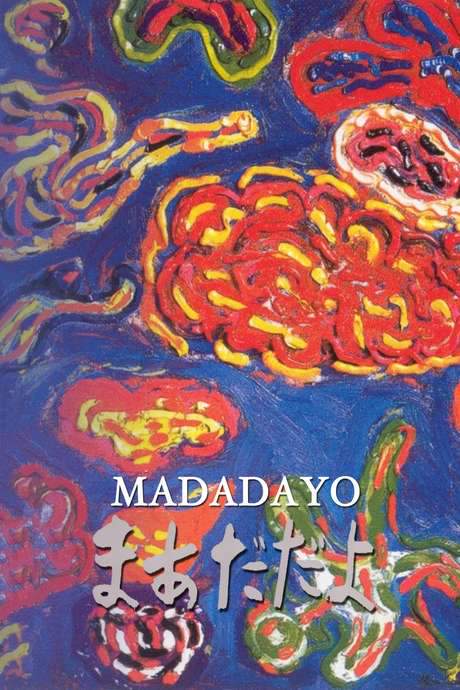
Madadayo (1993) movie poster

Plot Summary

Madadayo (1993) Plot Summary Explained

Release, runtime and language
1993 · 134 mins · Japanese
JustWatch #33,378 4
Directed by
Akira Kurosawa
Starring
Tetsu Watanabe, Akira Terao, Tatsuo Matsumura, Kyôko Kagawa, Yoshitaka Zushi, Masayuki Yui

Based on the life of Hyakken Uchida, a Japanese author and academic, the film opens with his resignation from a German‑language professorship at the start of World War II. It then unfolds through a series of gentle vignettes that follow his later years, showing former students caring for him, sharing memories and moments that reveal his personality and the quiet dignity of his aging life.

On this page (6)
  1. 1 Where to watch
  2. 2 What happens: full plot
  3. 3 Plot questions answered
  4. 4 Movie threads
  5. 5 Movies like Madadayo
  6. 6 Every angle

Where to watch

Where to Watch Madadayo (1993)

Where can you watch Madadayo? Stream, rent or buy it in the US: current JustWatch availability with up-to-date prices.

Streaming availability powered by JustWatch

Full plot summary · contains spoilers

What Happens in Madadayo: Full Plot Summary

The whole story of Madadayo (1993) explained, from the opening scene to the final frame: every key event, every twist and what it all adds up to. Read it as a quick recap before the sequel, to check a scene you missed, or to finally understand what really happened.

The film is based on the life of Japanese academic and author Hyakken Uchida (1889–1971). While playfully teaching a German-language class in the years just before World War II, Uchida tearfully announces his retirement to his crestfallen students. In 1943, Uchida moves into a spacious house, and Kyôko Kagawa as the Professor's Wife is concerned about the safety of the neighborhood. Two students arrive to pretend to burglarize the home, but instead discover a series of instructions Uchida has written on how to break in to the house.

He hosts a dinner for several of his students, but wartime shortages force him and his wife to serve venison and horse meat, which embarrasses him. Their house is later destroyed by U.S. bombing raids, and Uchida and his wife must live in a small shack with no indoor toilet and only a few possessions left.

After the war ends, his former students organize a banquet to honor him. Asked several times whether he is ready to die, he replies, “Not yet.” The banquet is therefore nicknamed the Not Yet Banquet. At the end of the raucous celebration, two American military policemen arrive but smile when they see the jovial gathering.

With the help of his students, he builds a new house for himself and his wife, featuring a pond with a small island. A stray alley cat appears, and he eventually adopts it, naming it Nora. The plot thickens when the empty lot across from their home is bought by a developer who wants to build over it. Uchida refuses to sell, but his students pool resources to buy the lot back and return it to the seller, who agrees not to disturb Uchida’s view.

Nora disappears during a storm, sending Uchida into a deep depression. He conducts searches with the help of his students, local schools, and townspeople, but Nora is never found. Later, another cat arrives, which Uchida names Kurz, and his spirits lift again.

The seventeenth Not Yet Banquet is held by his former students. It is no longer an all-male affair: the children and grandchildren of his pupils bring flowers and a large cake. After delivering his remarks, Uchida collapses from arrhythmia. He is taken home, where he falls asleep, dreaming of childhood hide-and-seek. In the dream, the other children ask if he is ready, and he answers again, “Not yet,” before finally finding a hiding place and gazing toward a golden sun.

Many vignettes—like the search for a missing cat and Uchida’s time in a one-room hut after his home was bombed—draw from Uchida’s own writings, and the film also lets Kurosawa reflect on modern Japanese history, including the American occupation of Japan, a topic he had only explored indirectly in his earlier work.
Last updated: October 09, 2025 at 11:26

Was this helpful?

Plot questions answered

Madadayo Plot Explained: Your Questions Answered

The questions people ask most about Madadayo (1993): what happens in the confusing scenes, why the characters do what they do, the twists, hidden details and what the ending means. Each answer contains spoilers.

Q1

Why do the students pretend to burglarize Uchida's house?

The two students stage a fake burglary to test whether Uchida's new house is secure, since his wife had expressed concern about neighborhood safety. However, they discover that Uchida has already anticipated this, he has left written instructions on how to break into the house, showing his playful intelligence and trust in his students.

Foreshadowing: Earlier in class, Uchida was known for his playful teaching style, hinting at his whimsical nature.

  • burglary test
  • students
  • house
  • safety
  • instructions
Q2

What is the significance of the Not Yet Banquet?

The Not Yet Banquet is a recurring gathering organized by Uchida's former students after the war to honor him. At each banquet, they ask him if he is ready to die, and he consistently replies 'Not yet.' This phrase becomes the banquet's name and represents his enduring spirit and refusal to accept mortality, even as he ages.

Foreshadowing: Uchida tearfully announces his retirement at the start of the film, foreshadowing his confrontation with mortality.

  • not yet banquet
  • students
  • death
  • tradition
  • mortality
Q3

Why does Uchida refuse to sell his house to the developer?

When a developer buys the empty lot across from Uchida's house to build a tower that would block his view, Uchida refuses to sell his own property. His students then pool their resources to buy the lot back from the developer and convince the original seller to preserve Uchida's view, demonstrating their deep respect and care for their former professor.

Foreshadowing: The new house with its pond and island represents Uchida's hard-won peace after the war, making his view precious.

  • developer
  • lot
  • view
  • students
  • house
Q4

What happens to Nora the cat?

Nora, the stray alley cat that Uchida adopts, disappears during a storm. The loss sends Uchida into a deep depression, and he organizes extensive searches with the help of students, local schools, and townspeople, but Nora is never found. Later, another cat named Kurz arrives and helps lift his spirits.

Foreshadowing: The gentle companionship between Uchida and Nora is shown throughout the film, making her loss impactful.

  • nora
  • cat
  • storm
  • disappearance
  • depression
Q5

What is the meaning of Uchida's final dream?

After collapsing from arrhythmia at the 17th Not Yet Banquet, Uchida returns home and dreams of playing hide-and-seek as a child. The other children ask if he is ready, and he answers 'Not yet' before finding a hiding spot and gazing toward a golden sun. This dream symbolizes his lifelong refusal to accept death and his hope of finding peace, connecting his childhood innocence to his present wisdom.

Foreshadowing: The recurring 'Not yet' answer throughout the banquets builds toward this moment.

  • dream
  • hide-and-seek
  • golden sun
  • childhood
  • mortality
Q6

Why do the American MPs smile at the Not Yet Banquet?

Two American military policemen arrive at the first Not Yet Banquet after the war. Rather than intervening in the celebration, they smile when they see the jovial gathering, recognizing the warmth and humanity of the ceremony. This moment reflects the film's themes of reconciliation and the ability of simple human connections to bridge cultural divides.

Foreshadowing: The banquet takes place in the immediate post-war period during the American occupation.

  • american mp
  • occupation
  • banquet
  • smile
  • reconciliation
Q7

Why does Uchida adopt the stray cat Nora?

Uchida adopts the stray alley cat that appears near his new house, naming her Nora. This reflects his character trait of finding joy in small pleasures and his gentle nature. The cat becomes a source of companionship in his later years, symbolizing his ability to find happiness despite the hardships he has endured.

Foreshadowing: After losing his home to bombing and living in a small shack, Uchida appreciates simple comforts.

  • nora
  • cat
  • adoption
  • companionship
  • stray
Q8

How does Uchida react to losing his home in the bombing?

When U.S. bombing raids destroy Uchida's house, he and his wife are forced to move into a small one-room shack with no indoor toilet. Despite losing most of their possessions, Uchida maintains his dignity and resilience. This hardship is later contrasted with the new house his students help him build, symbolizing renewal and the enduring bond between teacher and students.

Foreshadowing: His wife expressed concern about neighborhood safety when they first moved in.

  • bombing
  • house destruction
  • shack
  • resilience
  • loss
Q9

Why does Uchida serve venison and horse meat at his dinner?

During the war, Uchida hosts a dinner for his students but must serve venison and horse meat due to wartime food shortages. He is embarrassed by this, showing his desire to provide properly for his guests despite the difficult circumstances. The meal represents both the hardships of wartime Japan and the warmth of the student-teacher relationship.

Foreshadowing: The timing is during wartime Japan when rationing was common.

  • dinner
  • wartime
  • venison
  • horse meat
  • shortages
Q10

What changes at the seventeenth Not Yet Banquet?

By the seventeenth Not Yet Banquet, the event has evolved from an all-male gathering to include the children and grandchildren of Uchida's former students, who bring flowers and a large cake. This reflects the passing of time and the expansion of the community around Uchida, while also highlighting that his students have grown older and started families.

Foreshadowing: The recurring annual banquets naturally span many years.

  • seventeenth banquet
  • children
  • grandchildren
  • cake
  • evolution

Movie threads

More Movies Like Madadayo, by Mood & Story

Curated lists built around what makes Madadayo tick: the same mood, the same kind of story or the same emotional payoff. Each list explains why these movies belong together.

Gentle movies about aging with dignity like Madadayo

Quiet stories that celebrate the wisdom and grace of growing old. If you liked the quiet, respectful portrayal of aging in Madadayo, you'll appreciate these movies. They explore themes of memory, legacy, and the bittersweet beauty of growing old, offering similar gentle pacing and contemplative moods in stories like Ikiru and The Straight Story.

  • contemplative
  • gentle
  • reverent
  • nostalgic
  • melancholic
  • bittersweet
  • Tone: bittersweet, contemplative, gentle
  • Pacing: slow, reflective
Why these movies?

The story pattern: Narratives in this thread are often episodic or vignette-based, focusing on character over plot. They follow a protagonist in their twilight years, reflecting on their past, cherishing present connections, and coming to terms with the passage of time in a quiet, dignified manner.

Why they belong together: These films are grouped together for their shared focus on the aging process, their gentle and reverent tone, and their slow, contemplative pacing that invites reflection rather than excitement.

Movies about mentor and student bonds like in Madadayo

Stories of deep, non-romantic bonds that provide solace and meaning. Viewers who enjoyed the deep, respectful bond between the professor and his former students in Madadayo will find similar heartfelt connections here. Discover movies that explore found family dynamics through mentorship, with stories like Good Will Hunting and The King's Speech offering similar emotional resonance.

  • heartfelt
  • bittersweet
  • poignant
  • reverent
  • nostalgic
  • contemplative
  • Tone: bittersweet, heartfelt, poignant
  • Pacing: steady, character-driven
Why these movies?

The story pattern: The narrative pattern involves a central, often eccentric or wise, figure whose life is enriched by a group of younger people. The story unfolds through their interactions, showcasing mutual growth, unwavering loyalty, and the formation of a resilient, non-biological family unit that endures over time.

Why they belong together: These movies share a core theme of found family built on mentorship, a bittersweet emotional tone balancing warmth and sadness, and a medium emotional weight that focuses on meaningful human connections.

If you liked this

Movies Like Madadayo

Similar movies to Madadayo: the same genre, themes or kind of story. Each one comes with its own plot summary, timeline and ending explained.

Browse all movie summaries

Every angle

Madadayo (1993) Explained: Plot, Timeline & Characters

Everything about Madadayo in one place: what happens in the plot summary, the timeline in chronological order, the characters and meaning and a spoiler-free summary. What's After the Movie adds the cast, box office and post-credit scenes.

Coming soon on iOS and Android

The Plot Explained Movie Summary App

Plot summaries, endings explained and timelines on your phone. Catch up on any movie in minutes, save your favorites and never miss a twist again.

Be the first to know when we launch. Your email stays private, always.

Learn more about the app