Funeral Parade of Roses

Funeral Parade of Roses

Year: 1969

Runtime: 105 mins

Language: Japanese

Director: Toshio Matsumoto

Drama

Set in 1960s Tokyo, Gonda runs a bar that serves as a hub for gay, cross‑dressing and trans communities. She shares a relationship with the bar’s madam, Leda, but when the younger Eddie begins a passionate affair with Gonda, jealousy erupts. Leda’s anger is compounded by a hidden past that links the three of them.

Warning: spoilers below!

Haven’t seen Funeral Parade of Roses yet? This summary contains major spoilers. Bookmark the page, watch the movie, and come back for the full breakdown. If you're ready, scroll on and relive the story!

Funeral Parade of Roses (1969) – Full Plot Summary & Ending Explained

Read the complete plot breakdown of Funeral Parade of Roses (1969), including all key story events, major twists, and the ending explained in detail. Discover what really happened, and what it all means.

A vivid look into Tokyo’s underground gay scene, this film constantly shifts its timeline while weaving in documentary-style interludes where the cast speaks about sexuality and gender identity. The result is a patient, observational drama that blends personal memory with a social landscape, inviting the audience to piece together how identity is formed, performed, and sometimes shattered.

As a child, Eddie endures abuse at the hands of her father. When her father leaves both Eddie and her mother, Eddie tries to reassure her mother that she can still be there for her, only to be met with disbelief and laughter. In a later, brutal moment, Eddie discovers her mother with another man and stabs them both with a knife, a devastating act that marks the early line between protection and violence in Eddie’s life.

Now an adult, Eddie works at Genet, a Tokyo gay bar that employs several transgender women. The bar is run by a drug dealer named Gonda, and the lead girl of the venue, Leda, lives in a close relationship with him. Leda’s keen instincts reveal a hidden tension: she suspects that [Eddie] and [Gonda] have a secret sexual alliance, and Gonda even hints at elevating Eddie to the position of madame at the Genet. The power dynamics here swing between care, control, and desire, hinting at a world where status is earned through perilous trust and guarded affection.

A sequence of ordinary-seeming days deepens the film’s meditation on identity. [Eddie] attends a street protest and then steps into an art exhibit where a voice on a tape recorder speaks about people masking their true selves, floating around the idea of “wearing” one or more masks to stave off loneliness. The day continues with light, intimate pleasures—shopping with friends, visiting clothing stores and a hair salon, sharing ice cream, and even wandering into a men’s bathroom while wearing skirts. The scenes juxtapose everyday forms of self-expression with a sense of clandestine belonging, a tension that threads through Eddie’s social circles and desire.

The world expands as Guevara, a member of a filmmaking collective, introduces Eddie to avant-garde cinema. After seeing one of Guevara’s works, Eddie and her friends share marijuana and dance, blurring boundaries between art, rebellion, and intimacy. This artistic doorway broadens Eddie’s social world and foreshadows a reckoning that will come later, when personal loyalties collide with the bar’s fragile hierarchy.

Tensions erupt in a night out with two friends, leading to a confrontation with a trio of women and a violent clash. When [Gonda] visits [Leda] and feigns concern for Eddie’s well-being, the rift between appearance and reality widens. The fallout is starkly ritualized: after the funeral for [Leda], she is found dead in her bed, wearing a veil and surrounded by roses, with two dolls on the floor bearing nails in their chests and eyes—a stark, symbolic tableau that signals wounds beneath glossy surfaces.

In the aftermath, [Eddie] rises as the new madame of the Genet, only to encounter a revelation tied to family and memory. While Eddie showers, [Gonda] discovers a booklet containing a photograph of Eddie as a child with her parents. Although the face of Eddie’s father is burned away in the image, Gonda recognizes Eddie’s mother, Eddie’s mother, as his former lover. Realizing that Eddie is his child, Gonda takes his own life with a knife. The moment of reckoning pushes Eddie to an ultimate act of self-destruction: she uses the same knife to stab herself in each eye, then staggers out before a watching crowd, ending the film in a shocking, fatal defiance of the world that constructed her.

This film braids intimate trauma, subculture, and art into a linked set of scenes that demand attention to how people perform themselves in the face of violence, power, and loss. It asks who gets to wear a mask, who gets to decide what lives behind it, and what price is paid when those masks can no longer hold.

Last updated: October 09, 2025 at 11:27

Was this helpful?

Funeral Parade of Roses (1969) Plot Questions Answered – Summary FAQ

Explore frequently asked questions about Funeral Parade of Roses (1969) with spoiler-rich answers covering the full plot summary, major story beats, character motivations, hidden details, and ending meaning. This movie summary FAQ helps explain confusing scenes, plot twists, and narrative decisions in clear, searchable detail.

Q1

Why did Eddie stab her mother and the other man?

A.

As a child, Eddie endured severe abuse from her father. When he abandoned the family, Eddie tried to reassure her mother that she could be relied upon, but her mother laughed at her. Later, Eddie discovered her mother with another man and, in a traumatic rage, stabbed both of them. The stabbing represents the moment when Eddie's protective impulse turned violent, blurring the line between protection and aggression that would define her life.

eddiechildhood traumamatricideabusefather abandonment
Q2

Why did Leda kill herself?

A.

Leda's suicide occurs after a confrontation with Gonda, who visits her while feigning concern for Eddie's well-being. Leda had suspected that Eddie and Gonda were having a secret sexual relationship, and Gonda had promised to make Eddie the new Madame of the Genet bar. The combination of jealousy, betrayal, and loss of status within the only world she knew led Leda to take her own life. She is found dead wearing a veil and surrounded by roses.

ledasuicidejealousyGenet barbetrayal
Q3

What is the meaning of the dolls with nails in their chests?

A.

After Leda's suicide, two dolls are found on the floor of her room with nails driven into their chests and eyes. These figures represent the wounds beneath the glamorous surface of the bar's world. They symbolize the emotional violence, jealousy, and betrayal that Leda experienced, as well as the way identities and relationships become fragmented under the pressure of hidden desires and competing loyalties.

dollssymbolismnailsLedavisual imagery
Q4

Why did Gonda kill himself after finding the photo?

A.

While Eddie showers, Gonda discovers a booklet containing a photograph of Eddie as a child with her parents. Although the father's face is burned away, Gonda recognizes Eddie's mother as his former lover. This revelation leads Gonda to realize that Eddie is his biological child. Overwhelmed by this incestuous truth and the weight of his past actions, Gonda takes his own life with a knife.

gondasuiciderevelationincestEddie's father
Q5

Is Eddie Gonda's biological daughter?

A.

Yes. The film reveals that Eddie is Gonda's daughter. When Gonda finds the photograph of Eddie as a child, he recognizes Eddie's mother as his former lover. The father's face is burned away in the image, but Gonda's recognition confirms the biological connection. This hidden paternity explains Gonda's investment in Eddie and adds a tragic layer of incest to the love triangle.

eddiegondadaughterpaternityfamily secret
Q6

Why does Eddie blind herself at the end of the film?

A.

After witnessing Gonda's suicide, Eddie is devastated by the dual revelation of her parentage and the violent death of the man who turned out to be her father. She takes the same knife he used and stabs herself in both eyes, then staggers outside before a crowd. This act represents a final, extreme rejection of the world that constructed her identity through trauma, performance, and hidden bloodlines. By destroying her sight, Eddie refuses to see a world that has offered her only violence and betrayal.

The film's earlier art exhibit sequence features a voice discussing masks and identity, foreshadowing Eddie's ultimate rejection of visual perception itself.

eddieself-mutilationblindingendingeyessuicide
Q7

What was the nature of Eddie and Gonda's relationship?

A.

Gonda manages the Genet bar where Eddie works, and Leda suspects they have a secret sexual alliance. Gonda hints at elevating Eddie to Madame, signaling both sexual and power-based intimacy. However, the film's final revelation adds devastating context: Gonda was Eddie's biological father, making their relationship an incestuous one. This hidden truth transforms their earlier interactions into something far more tragic and disturbing.

eddiegondarelationshipintimacylove triangle
Q8

Why did Leda suspect Eddie and Gonda were involved?

A.

Leda lived in a close relationship with Gonda as the Madame of his bar. Her keen instincts picked up on signs of a secret sexual alliance between Eddie and Gonda. Gonda's promise to make Eddie the new Madame of the Genet signaled a shift in power and affection that threatened Leda's position. This suspicion fueled Leda's jealousy and ultimately contributed to her decision to end her life.

ledajealousysuspicionEddieGondapower dynamics
Q9

Why does the film jump back and forth in time?

A.

The fractured timeline serves the film's exploration of identity formation. By mixing childhood memories with adult life, the film shows how past trauma shapes present behavior. Eddie's violent childhood directly informs her adult choices, relationships, and ultimate self-destruction. The documentary-style interludes where cast members discuss sexuality and gender further blur temporal boundaries, reinforcing how identity is constructed through memory, performance, and societal perception.

nonlineartimelinestructuredocumentarymemoryidentity
Q10

What does the title Funeral Parade of Roses refer to?

A.

The title refers to Leda's death and the symbolic imagery surrounding it. Leda is found dead wearing a veil and surrounded by roses, with two nailed dolls at her feet, a funeral tableau. The word 'parade' suggests the procession of identities and performances that构成 the film's world, while 'roses' evoke both beauty and decay. The title encapsulates the film's themes of death, beauty, and the rituals we perform around loss.

titlerosesfuneralsymbolismLeda
Q11

What is the significance of the mask imagery in the film?

A.

During Eddie's visit to an art exhibit, a voice on a tape recorder discusses how people mask their true selves to stave off loneliness, suggesting we 'wear' one or more masks. This theme runs throughout the film as characters perform gender, sexuality, and identity within Tokyo's underground subculture. Eddie's final act of blinding herself represents the ultimate mask: removing the ability to be seen or to see others, rejecting the performance entirely.

masksidentityperformanceart exhibitself-expression
Q12

Why does Gonda run a gay bar as a drug dealer?

A.

Gonda uses the Genet bar as both a front for his drug dealing operations and as a space of belonging within Tokyo's underground gay, cross-dressing, and transgender communities. The bar functions as a hub where marginalized individuals find community and expression. Gonda's management gives him power and intimacy within this world, allowing him to surround himself with the community he serves while conducting illegal business.

gondaGenet bardrug dealerTokyoundergroundcommunity
Q13

What traumatic events shaped Eddie as a child?

A.

Eddie suffered severe abuse at the hands of her father. When he abandoned the family, Eddie told her mother she could be relied upon, but her mother laughed dismissively. Later, Eddie discovered her mother with another man and, in a devastating moment of violence, killed both her mother and the lover. This childhood trauma of abuse, abandonment, and matricide established Eddie's lifelong pattern of protective violence turning destructive, ultimately culminating in her own self-destruction.

eddiechildhoodabusefathermothertraumastabbing
Mobile App Preview

Coming soon on iOS and Android

The Plot Explained Mobile App

From blockbusters to hidden gems - dive into movie stories anytime, anywhere. Save your favorites, discover plots faster, and never miss a twist again.

Sign up to be the first to know when we launch. Your email stays private, always.

Explore Movie Threads

Discover curated groups of movies connected by mood, themes, and story style. Browse collections built around emotion, atmosphere, and narrative focus to easily find films that match what you feel like watching right now.

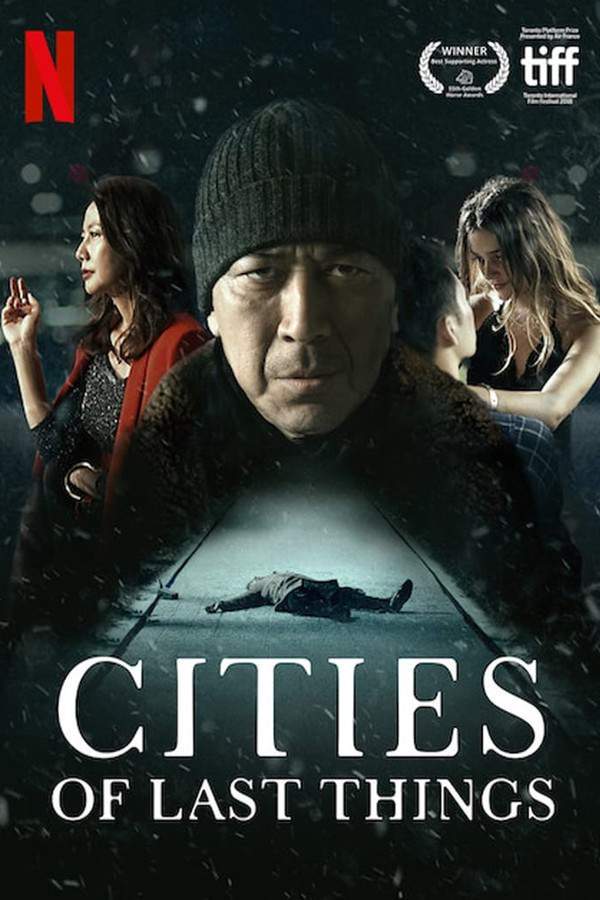
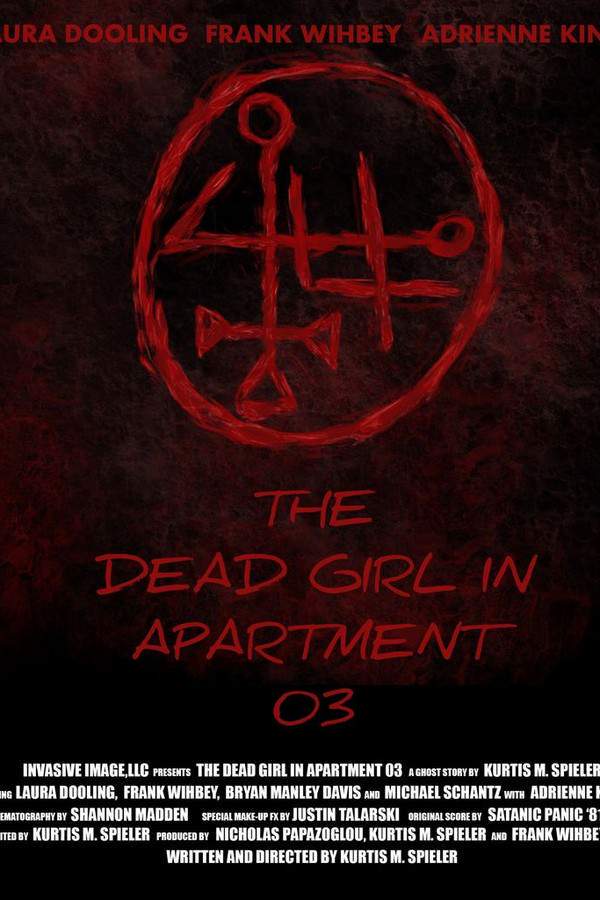
Movies like Funeral Parade of Roses: Underground Subculture Tragedies

Intimate stories of marginalized communities heading towards a dark, inevitable end.Find movies similar to Funeral Parade of Roses that explore intense, tragic stories set within marginalized or underground communities. These films often feature heavy emotional weight, dark tones, and a bleak outlook, providing a raw look at identity, trauma, and fatalism.

oppressiveanxiousconfrontationalmelancholicclaustrophobicraw

Narrative Summary

Narratives in this thread typically follow characters deeply embedded in a specific, often ostracized, community. Their journeys are not about escape or triumph but about the psychological and emotional unraveling fueled by past trauma, internal conflict, and the oppressive nature of their world, leading to a tragic conclusion.

Why These Movies?

These films are grouped for their shared commitment to portraying the beauty and brutality of subcultural life, their dark and heavy emotional tone, and their focus on characters whose fates seem sealed from the outset by personal and societal forces.

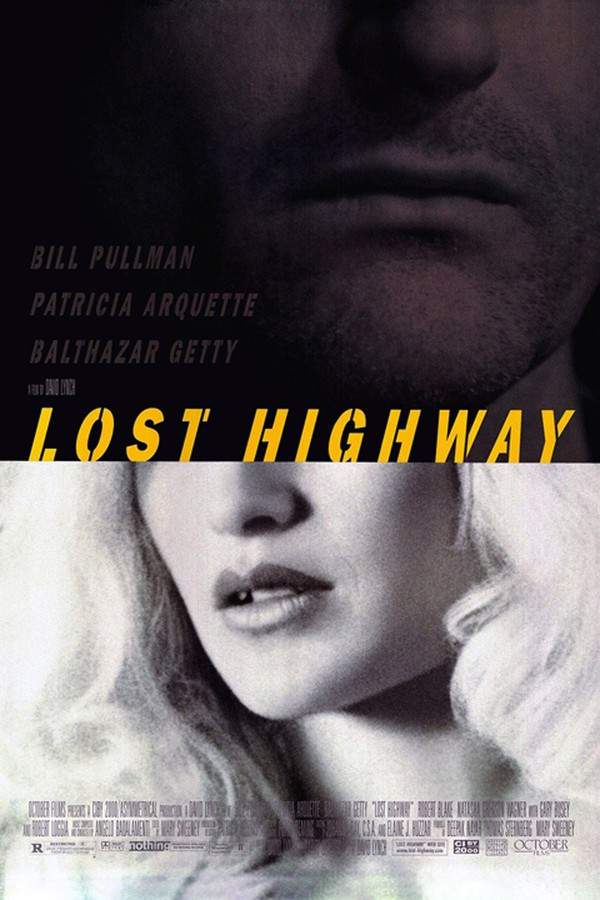
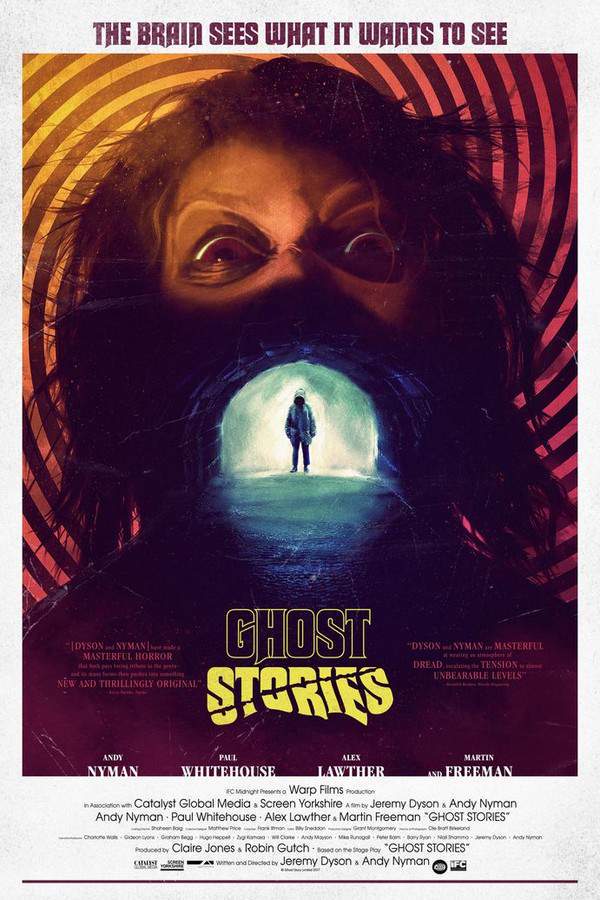
Surreal and Complex Psychological Movies like Funeral Parade of Roses

Where nonlinear narratives and dreamlike visuals reveal deep-seated trauma and identity crises.Discover complex, surreal films that use nonlinear narratives, similar to Funeral Parade of Roses. If you liked its dreamlike style and exploration of deep trauma, these movies offer similarly challenging and thought-provoking viewing experiences with high complexity.

surrealdreamlikeanxiousdisturbingpsychologically intensefragmentedthought-provoking

Narrative Summary

The narrative pattern is defined by a rejection of linear time, employing flashbacks, fantasies, and symbolic sequences that interrupt the present-day story. This structure is not merely stylistic but essential for understanding the character's psychological state, as past trauma violently intrudes upon and ultimately dictates their present reality.

Why These Movies?

Movies in this thread share a very high degree of narrative complexity, a surreal and dreamlike visual style, and a central focus on unraveling a character's profound psychological trauma. The viewing experience is intentionally disorienting and intellectually demanding.

Unlock the Full Story of Funeral Parade of Roses

Don't stop at just watching - explore Funeral Parade of Roses in full detail. From the complete plot summary and scene-by-scene timeline to character breakdowns, thematic analysis, and a deep dive into the ending - every page helps you truly understand what Funeral Parade of Roses is all about. Plus, discover what's next after the movie.

Funeral Parade of Roses Timeline

Track the full timeline of Funeral Parade of Roses with every major event arranged chronologically. Perfect for decoding non-linear storytelling, flashbacks, or parallel narratives with a clear scene-by-scene breakdown.

Funeral Parade of Roses Timeline

Characters, Settings & Themes in Funeral Parade of Roses

Discover the characters, locations, and core themes that shape Funeral Parade of Roses. Get insights into symbolic elements, setting significance, and deeper narrative meaning - ideal for thematic analysis and movie breakdowns.

Characters, Settings & Themes in Funeral Parade of Roses

Funeral Parade of Roses Spoiler-Free Summary

Get a quick, spoiler-free overview of Funeral Parade of Roses that covers the main plot points and key details without revealing any major twists or spoilers. Perfect for those who want to know what to expect before diving in.

Funeral Parade of Roses Spoiler-Free Summary

More About Funeral Parade of Roses

Visit What's After the Movie to explore more about Funeral Parade of Roses: box office results, cast and crew info, production details, post-credit scenes, and external links - all in one place for movie fans and researchers.

More About Funeral Parade of Roses

Similar Movies to Funeral Parade of Roses

Discover movies like Funeral Parade of Roses that share similar genres, themes, and storytelling elements. Whether you’re drawn to the atmosphere, character arcs, or plot structure, these curated recommendations will help you explore more films you’ll love.