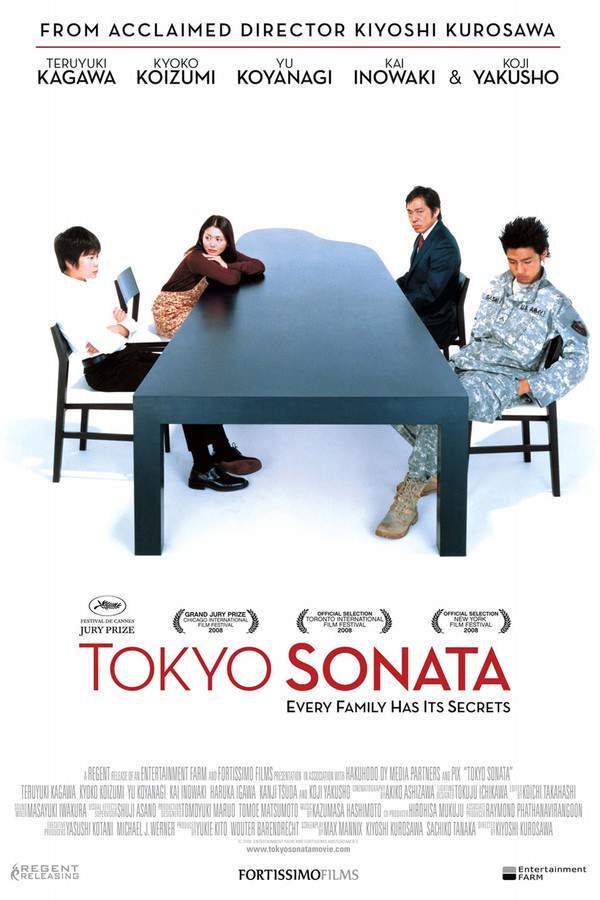
Children of Tokyo

Children of Tokyo

Year: 2010

Runtime: 100 min

Director: Yasujiro Ozu

DramaComedy

This heartwarming story follows two lively brothers as they experience the ups and downs of growing up together in Tokyo. Facing schoolyard bullies, dealing with demanding teachers, and understanding their father's place in society, they learn valuable lessons about friendship, family, and resilience. Through humor and genuine emotion, the film portrays a touching and entertaining look at childhood.

Warning: spoilers below!

Haven’t seen Children of Tokyo yet? This summary contains major spoilers. Bookmark the page, watch the movie, and come back for the full breakdown. If you're ready, scroll on and relive the story!

Children of Tokyo (2010) – Full Plot Summary & Ending Explained

Read the complete plot breakdown of Children of Tokyo (2010), including all key story events, major twists, and the ending explained in detail. Discover what really happened, and what it all means.

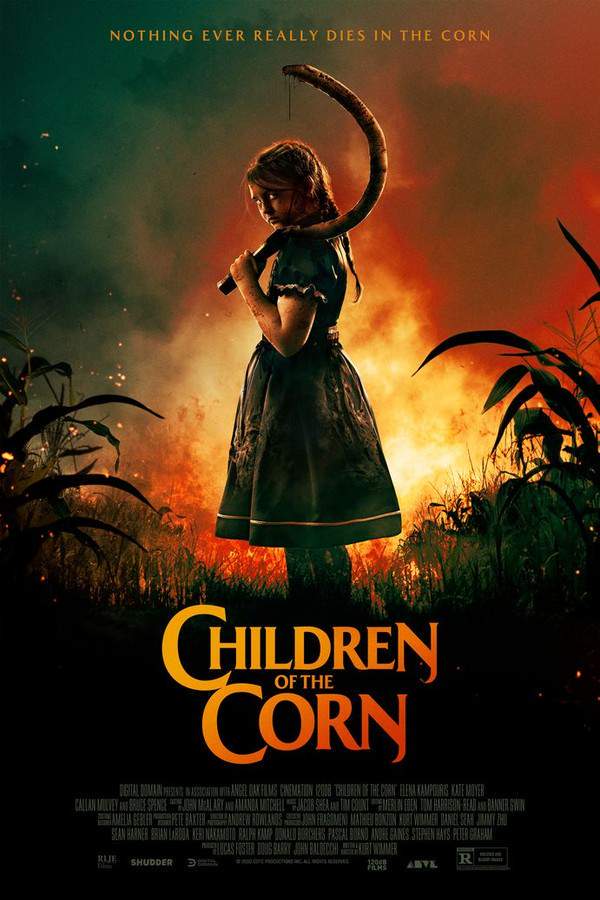
The story begins in 1963 in the arid town of Gatlin, Nebraska, where a severe drought has gripped the area. In the heart of the vast cornfields, a young boy, who claims to be a prophet of an ancient deity known as “He Who Walks Behind The Rows,” gathers the local children in a tent. He delivers a chilling message that the sinful, blasphemous adults are the cause of their misery, reminiscent of the destruction of Sodom and Gomorrah. The boy convinces the children that to end their suffering, they must sacrifice every adult over the age of nineteen—a horrifying demand that leads to the formation of a death cult around this belief.

Fast forward twelve years to 1975, where a couple, Burt, a Vietnam veteran played by David Anders, and his anti-war activist wife Vicky, portrayed by Kandyse McClure, are traveling a deserted road near Gatlin, eager to celebrate their second honeymoon in California. Their journey takes a dark turn when they accidentally hit a young boy named Joseph, portrayed by Ramington Jennings, who stumbles out of the corn. Upon discovering the boy’s throat has been slashed, they hurriedly wrap his body and place it in their trunk. Burt, armed with a shotgun, investigates the gruesome scene and discovers Joseph’s bloodied suitcase among the corn.

As they seek help to report the tragic incident, they are being watched by Isaac, the boy preacher played by Preston Bailey, and his loyal follower Malachai, portrayed by Daniel Newman. Reaching an abandoned gas station only to find the phones inoperable, Vicky opens Joseph’s suitcase and uncovers a tribal idol made of corn, signifying a dark connection to the cult.

In a small clearing in the cornfields, Isaac openly discusses their need to sacrifice Burt and Vicky, just as they did with Joseph, renamed “Ahaz,” who was deemed cursed for attempting to escape the cult’s grip. Upon entering town, Burt and Vicky find the eerily deserted streets and a calendar stuck on 1963. Their unsettling discovery intensifies when they find a church still engaged in dark rituals that appear to echo the cult’s malevolence.

Ignoring Vicky’s warnings, Burt scours the church and encounters strange biblical inscriptions along with a record of the townsfolk’s births and deaths. Vicky, meanwhile, is surrounded by Malachai and other boys. A violent confrontation ensues, resulting in Vicky being wounded and captured while Burt manages to fight back, leading him on a desperate escape into the unforgiving cornfields.

As night descends, the children, now emboldened by Isaac, pursue Burt with intentions of sacrificial violence. Amidst his struggles, Burt experiences a mix of trauma from his past and a surreal battle against the children. The once innocent realm of corn becomes a maze of horror as Bert faces haunting visions before unearthing the somber reality of Vicky’s fate—her lifeless body has been twisted into a scarecrow.

Ultimately, Isaac delivers messages from “He Who Walks Behind The Rows,” declaring Burt’s demise must occur, and the age requirement for sacrifice has shifted downward as punishment for their failings. After the grim events unfold, the fate of Burt becomes intertwined with a shocking conclusion that leaves him, along with Vicky, positioned as grotesque decorations on display for the sinister forces at play.

In a haunting epilogue, with a flicker of hope extinguished, Malachai leads a procession of eighteen-year-olds into the cornfields to offer themselves, showcasing the grip that this dark ideology continues to hold over the youth of Gatlin. As the cycles of darkness loom larger, one of them, Ruth, finds herself beset by a troubling vision of destruction—a stark representation of the continuous struggle against the cult’s ominous influence.

Last updated: May 13, 2025 at 20:30

Was this helpful?

Children of Tokyo (2010) Plot Questions Answered – Summary FAQ

Explore frequently asked questions about Children of Tokyo (2010) with spoiler-rich answers covering the full plot summary, major story beats, character motivations, hidden details, and ending meaning. This movie summary FAQ helps explain confusing scenes, plot twists, and narrative decisions in clear, searchable detail.

Q1

Why do the children in Gatlin kill adults?

A.

The children of Gatlin formed a death cult in 1963 after a young boy claimed to be a prophet of an ancient deity called 'He Who Walks Behind The Rows.' He convinced the children that the town's severe drought was caused by sinful, blasphemous adults. To end their suffering, the cult demands that every adult over the age of nineteen be sacrificed to appease this deity.

The cult's origins are traced back to the prophet boy's chilling message in the opening scene, establishing the deadly ideology that drives the entire narrative.

children cultgatlinadultssacrificehe who walks behind the rows
Q2

What is He Who Walks Behind The Rows?

A.

He Who Walks Behind The Rows is an ancient deity worshipped by the Gatlin cult. The children believe this entity lives in the cornfields and demands human sacrifices to end the drought and maintain the town's prosperity. The deity is depicted through a corn-made tribal idol found in Joseph's suitcase.

The ominous presence of the cornfields is established early, with the cult gathering in the fields to receive prophecies from their dark god.

he who walks behind the rowsdeitycorncultgod
Q3

Why did Isaac want to sacrifice Burt and Vicky?

A.

Isaac wanted Burt and Vicky killed because they stumbled into Gatlin and discovered evidence of the cult's activities. After Burt found the church with birth and death records, and Vicky opened Joseph's suitcase containing the corn idol, the cult viewed them as threats who needed to be eliminated to keep their secrets and satisfy He Who Walks Behind The Rows.

Isaac and Malachai are first seen watching Burt and Vicky from the cornfields, signaling the couple has drawn the cult's attention.

isaacburtvickysacrificecultkilled
Q4

What was inside Joseph's suitcase?

A.

Inside Joseph's suitcase was a tribal idol made of corn, a pagan object that Vicky identified as connected to the cult's dark rituals. This finding heightened their concern about the town they were approaching and foreshadowed the supernatural horror awaiting them in Gatlin.

The suitcase was discovered among the corn where Joseph's body was found, linking the idol directly to the cult's activities.

josephsuitcasecorn idoltribal idolcult
Q5

Why was Joseph killed by the cult?

A.

Joseph was killed because he attempted to escape the cult's grip. After being renamed 'Ahaz' by the cult, he tried to flee Gatlin but was caught. His throat was slashed as punishment for attempting to leave, and his body was left in the cornfields as a warning to others who might consider escaping.

Isaac mentions that Ahaz was killed for being cursed due to his escape attempt, establishing the cult's harsh consequences for dissent.

josephahazescapedcultpunishedkilled
Q6

What happened to Vicky at the end?

A.

Vicky was captured and killed by the cult children during their attack. Burt later discovered her lifeless body had been brutally twisted and used as a scarecrow in the cornfield. Her gruesome death serves as a horrifying realization of the cult's ritualistic violence.

Vicky was ambushed and wounded while Burt was inside the church, separating the couple and setting up the tragic fate awaiting them.

vickyscarecrowkilledcultcorpse
Q7

Why did the cult lower the sacrifice age to 18?

A.

Isaac lowered the sacrifice age from nineteen to eighteen as punishment for the cult's failure to kill Burt. Since they failed to complete the required sacrifice, Isaac declared that the age requirement would decrease, ensuring more followers would be offered to He Who Walks Behind The Rows.

Isaac's sermon after the failed Burt hunt announces this new rule, showing how the cult intensifies its demands following any perceived failure.

sacrifice age1819isaacpunishmentcult rules
Q8

What caused Burt's hallucinations in the cornfields?

A.

Burt's hallucinations were caused by a combination of severe dehydration, injury from the attack, and traumatic PTSD from his time as a Vietnam veteran. While lost in the cornfields, he experienced vivid flashbacks to Vietnam, mistaking the cult children for enemy soldiers. This state of delirium led him to kill some of the children while fighting for survival.

Burt's Vietnam veteran background is established early in the film, making his traumatic flashbacks a natural narrative consequence when he becomes injured and dehydrated.

burthallucinationsvietnamptsddeliriumtrauma
Q9

How did the cult start in Gatlin in 1963?

A.

The cult began in 1963 when a young boy in Gatlin claimed to receive a divine message from He Who Walks Behind The Rows during a devastating drought. He gathered the local children in a tent and proclaimed that sinful, blasphemous adults were causing their misery, similar to the destruction of Sodom and Gomorrah. This message led the children to form the death cult and kill everyone over nineteen.

The opening scene establishes the prophet boy's chilling message as the catalyst for all subsequent violence in Gatlin.

1963cult formationdroughtprophet boyorigin
Q10

What happened to Burt at the end?

A.

Burt was killed in a brutal ritual by Isaac and the cult. In a confrontation in the cornfield clearing, He Who Walks Behind The Rows appeared to Burt, who was then disemboweled and had his eyes gouged out. His body was then burned on a pile of sacrifices alongside Vicky's remains, serving as offerings to the dark deity.

Isaac's sermon declares Burt must die to please He Who Walks Behind The Rows, setting up the inevitable fatal confrontation.

burtkilledsacrificeritualdisemboweledhe who walks behind the rows
Q11

What does the ending imply about the cult's future?

A.

The ending implies the cult's ideology continues to thrive and expand. In the epilogue, Malachai leads a procession of eighteen-year-olds into the cornfields to willingly offer themselves as sacrifices. One of them, Ruth, has a troubling vision of destruction, suggesting the cycle of violence will persist and potentially grow even more intense.

The final scene shows the cult's deep psychological grip on the youth, with members now eagerly accepting their sacrificial fate at an even younger age.

endingmalachaicult continuessacrificeruther18 year olds
Mobile App Preview

Coming soon on iOS and Android

The Plot Explained Mobile App

From blockbusters to hidden gems - dive into movie stories anytime, anywhere. Save your favorites, discover plots faster, and never miss a twist again.

Sign up to be the first to know when we launch. Your email stays private, always.

Explore Movie Threads

Discover curated groups of movies connected by mood, themes, and story style. Browse collections built around emotion, atmosphere, and narrative focus to easily find films that match what you feel like watching right now.

Ritualistic horror movies like Children of Tokyo

Isolated communities consumed by dark traditions and sacrificial violence.If you liked the oppressive dread of Children of Tokyo, explore more movies about sinister cults and dark rituals. These films often feature isolated settings, psychological trauma, and a grim confrontation with fanatical beliefs, creating a similarly tense and bleak viewing experience.

ritualisticoppressivesinistercultdreadisolatedgruesomedesperate

Narrative Summary

Stories typically follow outsiders or vulnerable individuals who become ensnared by a closed community's sinister practices. The narrative builds methodically towards a violent ceremonial climax, often exploring themes of faith, sacrifice, and the loss of innocence against a backdrop of inescapable doom.

Why These Movies?

They are grouped by their shared focus on cult mentality, ritualized violence, and the unique horror of societal norms being twisted into something monstrous. The collective atmosphere of pervasive dread and the bleak, often tragic, conclusions create a cohesive and chilling experience.

Movies with a bleak inevitable ending like Children of Tokyo

Stories where hope dwindles under the weight of an unavoidable, grim fate.For viewers who appreciated the grim, foreboding conclusion of Children of Tokyo, this list features films with a similar sense of fatalism. These stories masterfully build tension towards an ending that feels both shocking and tragically unavoidable, leaving a heavy emotional impact.

bleakinevitabletragicdreadhopelessheavydarkfatalistic

Narrative Summary

The plot often follows a linear path towards disaster, with pacing that steadily amplifies dread rather than suspense. Character actions may delay the inevitable, but cannot prevent it, resulting in an emotionally devastating conclusion that reinforces the film's pessimistic themes.

Why These Movies?

They share a core narrative structure and emotional payoff: the methodical build-up of hopelessness and a finale that offers no respite. The experience is defined by a heavy, lingering emotional weight and a tone that remains unflinchingly dark throughout.

Unlock the Full Story of Children of Tokyo

Don't stop at just watching - explore Children of Tokyo in full detail. From the complete plot summary and scene-by-scene timeline to character breakdowns, thematic analysis, and a deep dive into the ending - every page helps you truly understand what Children of Tokyo is all about. Plus, discover what's next after the movie.

Children of Tokyo Timeline

Track the full timeline of Children of Tokyo with every major event arranged chronologically. Perfect for decoding non-linear storytelling, flashbacks, or parallel narratives with a clear scene-by-scene breakdown.

Children of Tokyo Timeline

Characters, Settings & Themes in Children of Tokyo

Discover the characters, locations, and core themes that shape Children of Tokyo. Get insights into symbolic elements, setting significance, and deeper narrative meaning - ideal for thematic analysis and movie breakdowns.

Characters, Settings & Themes in Children of Tokyo

Children of Tokyo Spoiler-Free Summary

Get a quick, spoiler-free overview of Children of Tokyo that covers the main plot points and key details without revealing any major twists or spoilers. Perfect for those who want to know what to expect before diving in.

Children of Tokyo Spoiler-Free Summary

More About Children of Tokyo

Visit What's After the Movie to explore more about Children of Tokyo: box office results, cast and crew info, production details, post-credit scenes, and external links - all in one place for movie fans and researchers.

More About Children of Tokyo

Similar Movies to Children of Tokyo

Discover movies like Children of Tokyo that share similar genres, themes, and storytelling elements. Whether you’re drawn to the atmosphere, character arcs, or plot structure, these curated recommendations will help you explore more films you’ll love.