









Plot Explained Spoilers guaranteed!
Plot Explained

Browse by genre

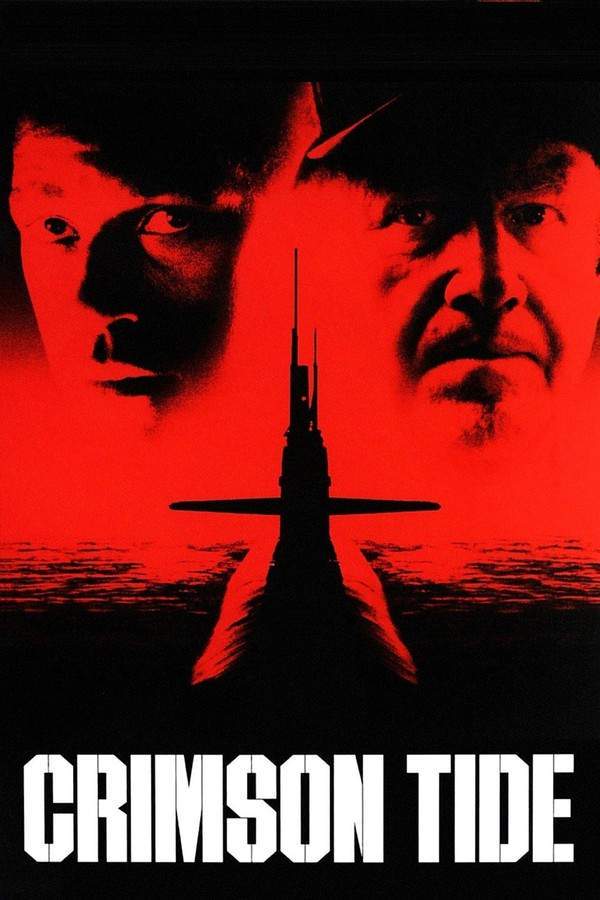
Crimson Tide (1995) movie poster

Timeline

Crimson Tide (1995) Timeline Explained – Every Event in Order

Release, runtime and language
1995 · 116 min · English
JustWatch #2,513 8
Directed by
Tony Scott
Starring
Gene Hackman, Denzel Washington

During a tense global crisis, the crew of the USS Alabama submarine receives a questionable order to initiate a nuclear missile launch, potentially triggering a devastating World War III. The submarine's commander, a veteran officer, clashes with his executive officer, a man with differing opinions, as they struggle for control of the vessel and question the validity of the order. Their conflicting perspectives and the immense pressure of the situation threaten to lead humanity into a catastrophic conflict.

On this page (6)
  1. 1 Where to watch
  2. 2 Events in order (15)
  3. 3 Timeline questions answered
  4. 4 Movie threads
  5. 5 Movies like Crimson Tide
  6. 6 Every angle

Where to watch

Where to Watch Crimson Tide (1995)

Where can you watch Crimson Tide? Stream, rent or buy it in the US, including on fuboTV, Philo and Amazon Video: current JustWatch availability with up-to-date prices.

Streaming availability powered by JustWatch

15 events in order · contains spoilers

Crimson Tide Timeline: Events in Chronological Order

Every key event of Crimson Tide (1995) in order, scene by scene, with when and where it takes place. Use it to untangle flashbacks, time jumps and parallel storylines, to refresh your memory before the sequel or to find the exact scene you are thinking of.

  1. Civil War Erupts in Russia

    In post-Soviet Russia, tensions escalate as a civil war erupts, primarily fueled by the ongoing conflict in Chechnya. The chaos leads to military factions consolidating power and threatening global security.

    When
    1990s
    Where
    Russia
  2. Radchenko Takes Control

    Vladimir Radchenko, an ultra-nationalist, seizes control of a nuclear missile installation, posing a grave threat to both American and Russian governments. His military units declare their readiness to engage in nuclear warfare, escalating the crisis.

    When
    1990s
    Where
    Nuclear Missile Installation, Russia
  3. USS Alabama Assigned Mission

    The U.S. Navy assigns the USS Alabama, a ballistic missile submarine, to a critical patrol mission. Captain Frank Ramsey, an experienced commander, prepares his crew to potentially retaliate against Radchenko's threats.

    When
    Defcon 4
    Where
    USS Alabama
  4. Tension Between Captain and XO

    As the crew embarks on their mission, tension quickly rises between Captain Ramsey and his new executive officer, Ron Hunter. Ramsey's impulsive style clashes with Hunter's analytical approach, revealing fundamental differences in their leadership.

    When
    Day 1
    Where
    USS Alabama
  5. Fire Incident in the Galley

    On Day 3, a fire breaks out in the submarine's galley, tragically resulting in the death of the chief mess officer, Rono. Amidst the chaos, Hunter attempts to assist the mess crew, while Ramsey orders a missile drill, further highlighting their conflicting priorities.

    When
    Day 3
    Where
    USS Alabama
  6. Emergency Warning Received

    On Day 6, the USS Alabama receives an Emergency Action Message indicating that Radchenko's forces have acquired nuclear weapons. The status escalates to Defcon 3, increasing the urgency of their mission.

    When
    Day 6
    Where
    USS Alabama
  7. Crew Morale Declines

    By Day 11, Hunter observes a fight among the sailors, signaling deteriorating morale aboard the Alabama. In response, Ramsey chastises the crew over the intercom for their lack of battle focus, fostering further discord.

    When
    Day 11
    Where
    USS Alabama
  8. Launch Order Received

    On Day 12, the Alabama is ordered to launch missiles against the Russian nuclear installation as Radchenko's missiles are reportedly being fueled. However, confusion arises as a second transmission is cut off amidst an attack from a Russian submarine.

    When
    Day 12
    Where
    USS Alabama
  9. Russian Submarine Engagement

    The Alabama is targeted by a Russian Akula-class submarine loyal to Radchenko, resulting in a fierce battle. The crew manages to escape using countermeasures, but the submarine sustains critical damage during the skirmish.

    When
    Day 12
    Where
    Pacific Ocean
  10. Breach of Command Protocol

    As tensions peak, Hunter refuses to launch the missiles without confirmation of the order’s validity. This leads to a confrontation where he attempts to arrest Ramsey, claiming he is prioritizing protocol over potential catastrophe.

    When
    Day 12
    Where
    USS Alabama
  11. Crisis on Board

    After a failed attack by the Russian submarine, water floods the bilge bay, forcing Hunter to seal it off, which tragically leads to the drowning of several sailors trapped inside. The crew strives to restore propulsion before reaching critical depths.

    When
    Day 12
    Where
    USS Alabama
  12. Standoff Between Officers

    A standoff occurs between Ramsey's loyalists and Hunter's faction in the control room. They confront each other armed, each side is prepared to force their authority despite the ship’s dire straits.

    When
    Day 12
    Where
    USS Alabama
  13. Communication Restored

    As tensions rise, the radio team successfully restores communications, revealing the second message that retracts the missile launch orders due to the quelling of Radchenko's rebellion. This leads Ramsey to relinquish command to Hunter.

    When
    Day 12
    Where
    USS Alabama
  14. Return to Base

    Following their harrowing ordeal, Ramsey and Hunter return to base, where they are called before a naval tribunal to address their actions during the crisis. The tribunal ultimately concludes both were right and wrong in their decisions.

    When
    After Day 12
    Where
    Naval Station Pearl Harbor
  15. End of Command Authority

    As a consequence of the events, regulations are changed to prohibit sub captains from launching nuclear missiles without presidential authorization. This represents a pivotal shift in military protocol handling nuclear engagement.

    When
    January 1, 1996
    Where
    United States

Last updated: January 14, 2025 at 19:25

Was this helpful?

Timeline questions answered

Crimson Tide Timeline Explained: Your Questions Answered

When does it happen, and why in that order? The questions people ask about the chronology of Crimson Tide (1995): time jumps, flashbacks, cause and effect between scenes and the correct order of events, each answered with spoilers.

Q1

Why does Ron Hunter refuse to launch the missiles?

Hunter refuses because the launch order was cut off before completion and he received a fragment of a second transmission that suggested the order was being retracted. With nuclear war at stake, he believes they cannot launch without confirmed, unambiguous orders. He argues that following an unclear order could start World War III, while Ramsey insists that delaying could give Radchenko time to launch first.

Foreshadowing: Earlier in the film, Hunter states that in the nuclear age, the greatest enemy is war itself, establishing his philosophical opposition to rushing into nuclear strikes.

  • ron hunter
  • nuclear launch
  • submarine mutiny
  • command conflict
  • world war 3
Q2

What was the second message that was cut off?

The second message was a retraction of the launch order. The rebellion led by Radchenko had been suppressed by Russian forces, and the original order to launch ten missiles was no longer valid. The crew only learns this after communication is restored, revealing that launching would have been unnecessary and catastrophic.

Foreshadowing: The timeline shows that both American and Russian governments were working to contain Radchenko's threat, making the retraction logical within the story's context.

  • launch order
  • retraction message
  • radchenko
  • communication restored
Q3

Why does the crew split between Ramsey and Hunter?

The crew divides based on their views of command authority and risk assessment. Some sailors trust Ramsey's combat experience and believe they should follow orders without hesitation. Others side with Hunter's insistence on protocol and caution, especially as the situation becomes increasingly chaotic with the Russian attack and flooding. The division reflects the broader philosophical conflict about nuclear deterrence and military obedience.

Foreshadowing: Throughout the early days, tensions between the two leaders create factions among the crew, with sailors witnessing their disagreements during the fire incident and the morale crisis.

  • crew loyalty
  • ramsey supporters
  • hunter supporters
  • submarine mutiny
Q4

What happens to the sailors in the bilge bay during the attack?

During the Russian submarine's second attack, a torpedo causes water to flood the bilge bay. Hunter is forced to seal the compartment to prevent the submarine from sinking, which traps several sailors inside who drown. This tragic event raises the stakes and adds to the pressure facing both commanders.

Foreshadowing: The earlier damage from the first torpedo attack already compromised the submarine's integrity, making the flooding a logical escalation.

  • bilge bay
  • drowned sailors
  • flooding
  • russian torpedo
  • submarine damage
Q5

Why does the Russian submarine attack the Alabama?

The Russian Akula-class submarine is loyal to Radchenko's faction, not the legitimate Russian government. It attacks the Alabama to prevent the U.S. from launching missiles against Radchenko's installation. The attack creates the chaos that disrupts communication and forces the crew into their impossible decision about launching.

Foreshadowing: The timeline establishes that Radchenko dispatched four Akula-class submarines specifically to counter American intervention.

  • russian submarine
  • akula class
  • radchenko
  • torpedo attack
  • pacific ocean
Q6

Why does Captain Ramsey eventually give command to Hunter?

Ramsey concedes when communication is restored and the retraction message is received, proving that Hunter was right to question the order. More importantly, the submarine is in critical condition with flooding and loss of propulsion, and Hunter demonstrates decisive leadership in crisis. Ramsey acknowledges that Hunter's caution saved them from launching an unnecessary nuclear strike.

Foreshadowing: The earlier scene where Ramsey removes his hat and places it on the console signals his acceptance of losing authority.

  • captain ramsey
  • command transfer
  • ron hunter
  • leadership
  • validation
Q7

What happens at the naval tribunal after the mission?

The tribunal finds that both men were right and both were wrong. Hunter was correct that they should not launch on unconfirmed orders, but Ramsey was also right to follow what he believed was a valid chain of command. Hunter is given command of his own submarine, while Ramsey retires early. The tribunal acknowledges the impossible situation they faced.

Foreshadowing: The film's ending emphasizes the morally gray nature of nuclear command decisions, validating both perspectives.

  • naval tribunal
  • court martial
  • hunter command
  • ramsey retirement
  • nuclear protocol
Q8

Why does the movie reference Lipizzaner stallions?

Captain Ramsey mentions Lipizzaner stallions as a contrast to the brutal reality of nuclear warfare. He describes them as a rare thing of beauty and discipline, representing civilization and art in contrast to the chaos aboard the submarine. This conversation between Ramsey and Hunter provides a brief humanizing moment amid the tension and shows that despite their conflict, they share a moment of mutual respect.

Foreshadowing: This scene occurs just before the final confrontation, offering a pause before the climax.

  • lipizzaner stallions
  • ramsey speech
  • beauty
  • civilization vs war
Q9

How do the Defcon levels affect the story?

The story progresses from Defcon 4 to Defcon 3 as the crisis escalates. When Radchenko's forces are confirmed to have nuclear weapons, the status rises, increasing the pressure on the Alabama to launch. The Defcon levels reflect the growing threat and create urgency, showing viewers how close the world comes to nuclear war.

Foreshadowing: The Emergency Action Message on Day 6 marks the first major escalation, changing the mission's nature.

  • defcon 3
  • defcon 4
  • nuclear threat
  • emergency action message
  • escalation
Q10

What changes in nuclear launch protocols after the incident?

After the incident, new regulations prohibit submarine captains from launching nuclear missiles without direct presidential authorization. This removes the captain's autonomous authority to launch, shifting the decision to the highest political level. The change reflects the film's central theme about the dangers of delegated nuclear command.

Foreshadowing: The entire film dramatizes why giving individual commanders launch authority is dangerous, making this outcome inevitable.

  • nuclear protocol
  • presidential authorization
  • launch authority
  • submarine captain
  • regulations changed
Q11

Why is Hunter's lack of combat experience significant?

Hunter has never seen combat, which creates tension with Ramsey, who has extensive combat experience. Hunter relies on academic training and theoretical knowledge, while Ramsey trusts instinct and practical experience. This dynamic drives their conflict, Hunter's caution stems from understanding the theoretical devastation of nuclear war, while Ramsey's urgency comes from witnessing the consequences of military indecision.

Foreshadowing: Captain Ramsey specifically chooses Hunter for his academic credentials but underestimates how those same credentials might lead Hunter to question orders.

  • hunter combat experience
  • ramsey experience
  • military training
  • academic vs practical

Movie threads

More Movies Like Crimson Tide, by Mood & Story

Curated lists built around what makes Crimson Tide tick: the same mood, the same kind of story or the same emotional payoff. Each list explains why these movies belong together.

Claustrophobic thrillers like Crimson Tide

Stories where intense conflict explodes in a confined, inescapable space. If the tense, submarine-set conflict of Crimson Tide had you on the edge of your seat, you'll enjoy these movies. This list features other films where a small, confined setting becomes a pressure cooker for high-stakes drama, ethical dilemmas, and explosive character clashes.

  • claustrophobic
  • high-pressure
  • tense
  • anxious
  • confined
  • high-stakes
  • Tone: tense, oppressive, paranoid
  • Pacing: steady, methodical build
Why these movies?

The story pattern: These narratives typically begin by establishing a volatile situation within a closed environment. Tension escalates methodically as characters are forced to confront each other and the dire circumstances, with the limited space ensuring there's no easy escape from the rising conflict.

Why they belong together: They are grouped by their shared use of a single, claustrophobic setting to generate unbearable tension. The experience is defined by a feeling of being trapped alongside characters facing a crisis, creating a consistent vibe of high-anxiety and immediate danger.

Military ethics and mutiny movies like Crimson Tide

When a rigid hierarchy fractures under the weight of a morally ambiguous order. For viewers who enjoyed the philosophical debate and power struggle in Crimson Tide, this list gathers films about mutiny, challenged authority, and weighty ethical decisions within rigid command structures. These movies explore what happens when duty and morality violently collide.

  • authoritative
  • ethical dilemma
  • power struggle
  • ideological clash
  • high-stakes
  • tense
  • Tone: tense, morally complex, authoritative
  • Pacing: steady, debate-driven
Why these movies?

The story pattern: The plot revolves around a pivotal, morally grey order from a superior. The protagonist, often a high-ranking subordinate, must weigh blind obedience against their own conscience, leading to an ideological battle that threatens to tear the entire organization apart.

Why they belong together: They share a core narrative pattern of a mutiny or authority challenge driven by ethical doubt. The appeal lies in the intellectual and emotional conflict between characters who are all, in their own way, trying to do the right thing within an impossible situation.

If you liked this

Movies Like Crimson Tide

Similar movies to Crimson Tide: the same genre, themes or kind of story. Each one comes with its own plot summary, timeline and ending explained.

Browse all movie summaries

Every angle

Crimson Tide (1995) Explained: Plot, Timeline & Characters

Everything about Crimson Tide in one place: what happens in the plot summary, the timeline in chronological order, the characters and meaning and a spoiler-free summary. What's After the Movie adds the cast, box office and post-credit scenes.

Coming soon on iOS and Android

The Plot Explained Movie Summary App

Plot summaries, endings explained and timelines on your phone. Catch up on any movie in minutes, save your favorites and never miss a twist again.

Be the first to know when we launch. Your email stays private, always.

Learn more about the app