Plot Explained Spoilers guaranteed!
Plot Explained

Browse by genre

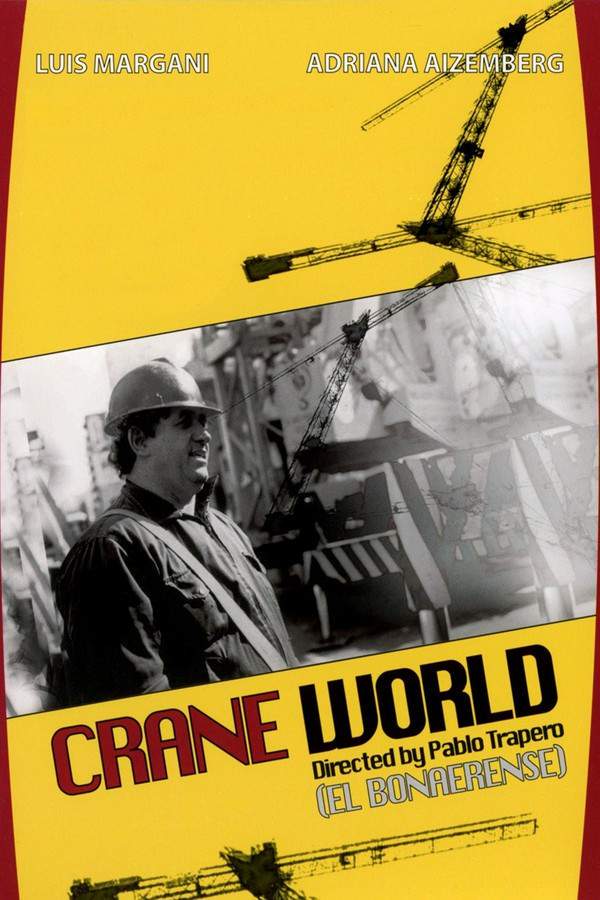
Crane World (1999) movie poster

Timeline

Crane World (1999) Timeline Explained – Every Event in Order

Release, runtime and language
1999 · 90 min · Spanish
Loading streaming availability…
Directed by
Pablo Trapero
Starring
Federico Esquerro, Adriana Aizemberg, Alejandro Zucco, Alfonso Rementería, Daniel Valenzuela, Graciana Chironi

After fading from the spotlight in the 1970s, Luis Margani finds himself seeking a new direction. He unexpectedly begins a career as a crane operator, a far cry from his former life as a musician. As he learns the ropes of his new profession, he’s forced to reckon with past regrets and search for meaning in this surprising, demanding world, ultimately finding a chance at redemption and a renewed sense of purpose.

On this page (6)
  1. 1 Where to watch
  2. 2 Events in order (12)
  3. 3 Timeline questions answered
  4. 4 Movie threads
  5. 5 Movies like Crane World
  6. 6 Every angle
Loading streaming availability…

12 events in order · contains spoilers

Crane World Timeline: Events in Chronological Order

Every key event of Crane World (1999) in order, scene by scene, with when and where it takes place. Use it to untangle flashbacks, time jumps and parallel storylines, to refresh your memory before the sequel or to find the exact scene you are thinking of.

  1. Rulo's life in Buenos Aires during the Great Depression

    Rulo, a middle-aged ex-bass player, struggles to make ends meet in Buenos Aires during the Great Depression. He applies for a crane operator job at a nearby construction firm and greets the quiet routine as a rare source of calm after years in the spotlight. He forg es new bonds with Torres, begins a romance with Adriana, and often reminisces about his glory days with former bandmates, even as he worries about his future and Claudio’s path.

    When
    Great Depression era (mid-1930s)
    Where
    Buenos Aires
  2. First day on the job ends in dismissal

    On what is supposed to be his first day of work, Rulo discovers another coworker operating the crane. He takes the matter up with his supervisor, who reveals that he was dismissed on the insurer's recommendation due to his health risks. The setback leaves him unemployed again and raises the stakes of his future in construction.

    When
    First day
    Where
    Buenos Aires (construction firm near his home)
  3. Adriana deepens in his life

    Rulo's romance with Adriana, the sandwich shop owner, begins to deepen, giving him emotional support amid hardship. The relationship offers a glimpse of stability and warmth as his job prospects falter. It becomes a personal lifeline that ties him to Buenos Aires life.

    When
    early in the story
    Where
    Buenos Aires
  4. Claudio's lifestyle strains their relationship

    Rulo confronts Claudio about his reckless, meandering lifestyle and late-night arrivals. He lends money and even lets Claudio borrow his old bass for a show, but Claudio's habits continue to frustrate him. Meanwhile Rulo's mother grows weary of the clutter and chaos at home.

    When
    pre-departure
    Where
    Buenos Aires
  5. Torres sends him to southern Argentina

    As consolation for being fired, Torres suggests a new job in southern Argentina as an excavator. Rulo weighs his health and the risks, but accepts the offer, promising Adriana he will visit and call regularly. The move marks a shift from city life to a grittier rural-industrial environment.

    When
    shortly after dismissal
    Where
    Buenos Aires to southern Argentina
  6. Journey south and meeting Sartori

    Rulo travels by train and hitchhiking to the south and quickly befriends his new superior, Sartori. The firm itself is financially marginal, with workers missing meals and Sartori's house lacking basic running water. The shared hardship forges a bond between Rulo and Sartori.

    When
    upon arrival
    Where
    Southern Argentina
  7. Skill transfer fuels early progress

    Rulo's crane training proves transferable to excavation, and he begins making progress on a pipeline project. His practical know-how earns him respect despite the tough conditions and sparse resources. He experiences a renewed sense of purpose amid the hardship.

    When
    during the project
    Where
    Sartori's project site
  8. Bankruptcy halts the project

    Financial trouble overtakes the firm, and food becomes scarce for the workers. The pipeline project remains unfinished when the company declares bankruptcy, leaving Rulo and his colleagues uncertain about their futures. The collapse underscores how fragile opportunities can be in despairing times.

    When
    end of project
    Where
    Southern Argentina
  9. Return to Buenos Aires and confession

    Facing an uncertain future, Rulo decides to return to Buenos Aires. He calls his mother to ease Claudio's worries, lying that everything is going well, while privately confessing the downturn to Claudio. The confrontation tests their relationship and his resolve to rebuild.

    When
    after bankruptcy
    Where
    Buenos Aires
  10. Farewell with Sartori and the long road home

    Rulo parts ways with Sartori and boards a truck back toward Buenos Aires, carrying both scars and new experience. He feels anxious about what lies ahead but is determined to start anew and keep connections alive, especially with Adriana. The journey marks a personal turning point as he leaves the south behind.

    When
    after return decision
    Where
    From southern Argentina to Buenos Aires
  11. Family dynamics at a crossroads

    Back in Buenos Aires, his mother and Claudio become focal points of his efforts to rebuild. Claudio's ambitions and quirks challenge Rulo’s patience, but his generosity has also shaped their expectations. The family dynamic reflects the broader struggle to adapt after the fall from fame.

    When
    present
    Where
    Buenos Aires
  12. Hope persists: a plan for the future

    Despite the setback, Rulo holds onto Adriana’s support and the skills he has gained, hoping for a new opportunity to rebuild a stable life. He vows to visit Adriana and stay connected as he searches for a chance to rise again. The film closes on a note of cautious resilience.

    When
    future
    Where
    Buenos Aires

Last updated: October 14, 2025 at 04:07

Was this helpful?

Timeline questions answered

Crane World Timeline Explained: Your Questions Answered

When does it happen, and why in that order? The questions people ask about the chronology of Crane World (1999): time jumps, flashbacks, cause and effect between scenes and the correct order of events, each answered with spoilers.

Q1

Why was Rulo fired from his crane operator job on his first day?

Rulo was fired on his first day because the insurance company recommended his dismissal due to his health and weight, which posed risks for the physically demanding crane operation. This occurred after he discovered a coworker already operating the crane and confronted his supervisor about the situation, only to learn he had been let go before he could even begin.

  • fired
  • crane operator
  • insurance
  • health
  • first day
Q2

Why did Rulo accept the job in southern Argentina after being fired?

After being fired from the crane job, Rulo's former trainer Torres suggested the excavator position in southern Argentina as a way to find new work. Despite his concerns about his health and the risks involved, Rulo accepted because he needed employment and was facing financial pressure after losing his job. He promised Adriana he would visit regularly and stay in touch.

  • southern argentina
  • job
  • excavator
  • torres
  • employment
Q3

Why did Rulo lie to his mother about his situation when he returned to Buenos Aires?

Rulo lied to his mother about the true state of his affairs because he didn't want her to worry about him or Claudio. He called her to ease Claudio's concerns, claiming everything was going well, while privately confessing the truth to his son about the bankruptcy and failed job opportunity in the south.

  • lie
  • mother
  • claudio
  • return
  • honesty
Q4

What caused the company in southern Argentina to go bankrupt?

The company in southern Argentina faced financial troubles that led to bankruptcy, leaving workers without food and halting the pipeline project. The firm was already marginal when Rulo arrived, with workers missing meals and even the supervisor Sartori lacking running water. The economic collapse left Rulo and his colleagues uncertain about their futures.

  • bankruptcy
  • pipeline project
  • financial trouble
  • sartori
  • south
Q5

Why does Rulo lend his old bass guitar to his son Claudio?

Rulo lends his cherished bass guitar to Claudio because despite their clashes over lifestyle and discipline, Rulo wants to support his son's musical ambitions. He demonstrates patience by allowing Claudio to borrow the guitar for a show, even though Claudio's casual approach to responsibility frustrates him. This reflects Rulo's lingering connection to his own musical past.

  • bass guitar
  • claudio
  • musical support
  • father son
Q6

What does the crane work represent to Rulo emotionally?

The crane work represents a rare source of calm and meditation for Rulo. From high above the city, the bustling noise of Buenos Aires feels distant, and the dangerous heights become oddly peaceful. This quiet, blue-collar reality forms a bridge between his loud rock-star past and his uncertain present, offering him a sense of purpose he hadn't found since his musical career faded.

  • crane work
  • peace
  • meditation
  • purpose
  • heights
Q7

Why does Rulo maintain his relationship with Adriana despite moving away?

Rulo maintains his relationship with Adriana because she becomes his emotional anchor throughout his struggles. Even when he leaves for southern Argentina, he promises to visit and call every couple of months, treating these rituals as lifelines. Her warmth and stability represent a sense of belonging and normalcy that Rulo desperately needs as he navigates his uncertain future.

  • adriana
  • romance
  • distance
  • connection
  • support
Q8

Why does Claudio's lifestyle cause friction between him and Rulo?

Claudio's lifestyle causes friction because his late-night arrivals, casual approach to responsibility, and pursuit of his own rock band clash with Rulo's expectations. Rulo wants his son to be more disciplined, but Claudio's nocturnal gigs and unstructured habits frustrate him. This tension mirrors the larger generational struggle of youth pursuing dreams in a economically devastated country.

  • claudio
  • lifestyle conflict
  • rock band
  • father son
  • responsibility
Q9

How does Rulo's crane experience help him in the excavation job?

Rulo's crane operator training proves transferable to excavation work. The technical skills he learned operating the crane translate well to the new role, allowing him to make real progress on the pipeline project. His practical know-how earns him respect from his supervisor Sartori despite the tough conditions and limited resources.

  • skills transfer
  • excavation
  • crane experience
  • sartori
  • pipeline
Q10

Why does Rulo constantly think about his past as a rock musician?

Rulo constantly reminisces about his glory days with his former band Seventh Regiment because his current life as a blue-collar worker represents a dramatic fall from fame. The noisy, energetic past contrasts sharply with his quiet, uncertain present. These memories represent both his lost identity and the source of his lingering artistic passion that he passes on to Claudio.

  • rock music
  • seventh regiment
  • memories
  • identity
  • glory days

Movie threads

More Movies Like Crane World, by Mood & Story

Curated lists built around what makes Crane World tick: the same mood, the same kind of story or the same emotional payoff. Each list explains why these movies belong together.

Blue-Collar Character Studies like Crane World

Finding quiet dignity and renewed purpose through manual labor and new beginnings. Explore movies like Crane World where the world of work is central to the character's journey. These similar dramas and comedies follow individuals seeking purpose and identity through blue-collar jobs, offering quiet, contemplative stories about starting over and finding dignity in labor.

  • contemplative
  • quiet
  • hopeful
  • introspective
  • resigned
  • nostalgic
  • Tone: melancholic, reflective, hopeful
  • Pacing: slow, steady, observational
Why these movies?

The story pattern: Stories in this thread follow characters—often facing a personal or economic crossroads—as they enter a new line of manual or skilled labor. The narrative unfolds through the routines and challenges of the job itself, which becomes a catalyst for introspection, healing, and a redefinition of self-worth away from past failures or fame.

Why they belong together: These movies are grouped together because they share a deep focus on the intersection of work and identity. They possess a similar meditative, observational tone, a slow, steady pacing that mirrors the rhythm of labor, and a central theme of finding redemption and purpose not in grand achievements, but in the quiet dignity of everyday effort.

Bittersweet Midlife Renewal Stories like Crane World

Stories of late-in-life reinvention marked by regret, hope, and uncertain futures. If you liked the bittersweet journey in Crane World, discover more movies about midlife crises and redemption. These similar films feature protagonists grappling with regret and economic hardship, seeking a new path that offers a mix of hope and sobering reality, leading to emotionally resonant and authentic conclusions.

  • bittersweet
  • melancholic
  • hopeful
  • nostalgic
  • introspective
  • resigned
  • Tone: bittersweet, melancholic, hopeful
  • Pacing: slow, character-driven
Why these movies?

The story pattern: The narrative pattern involves a protagonist, often an artist or someone who has lost their way, forced by circumstance to rebuild their life from the ground up. The journey is linear and straightforward, focusing on personal setbacks and small victories. The ending is typically ambiguous or bittersweet, acknowledging the progress made but also the scars of the past and the uncertainty of the future.

Why they belong together: These films share a specific emotional mix: a melancholic tone rooted in regret, balanced by glimmers of hope from new relationships or endeavors. They have medium emotional weight, a straightforward narrative complexity, and a pacing that allows for deep character reflection. The central theme of searching for meaning after a fall from grace creates a cohesive viewing experience.

If you liked this

Movies Like Crane World

Similar movies to Crane World: the same genre, themes or kind of story. Each one comes with its own plot summary, timeline and ending explained.

Browse all movie summaries

Every angle

Crane World (1999) Explained: Plot, Timeline & Characters

Everything about Crane World in one place: what happens in the plot summary, the timeline in chronological order, the characters and meaning and a spoiler-free summary. What's After the Movie adds the cast, box office and post-credit scenes.

Coming soon on iOS and Android

The Plot Explained Movie Summary App

Plot summaries, endings explained and timelines on your phone. Catch up on any movie in minutes, save your favorites and never miss a twist again.

Be the first to know when we launch. Your email stays private, always.

Learn more about the app