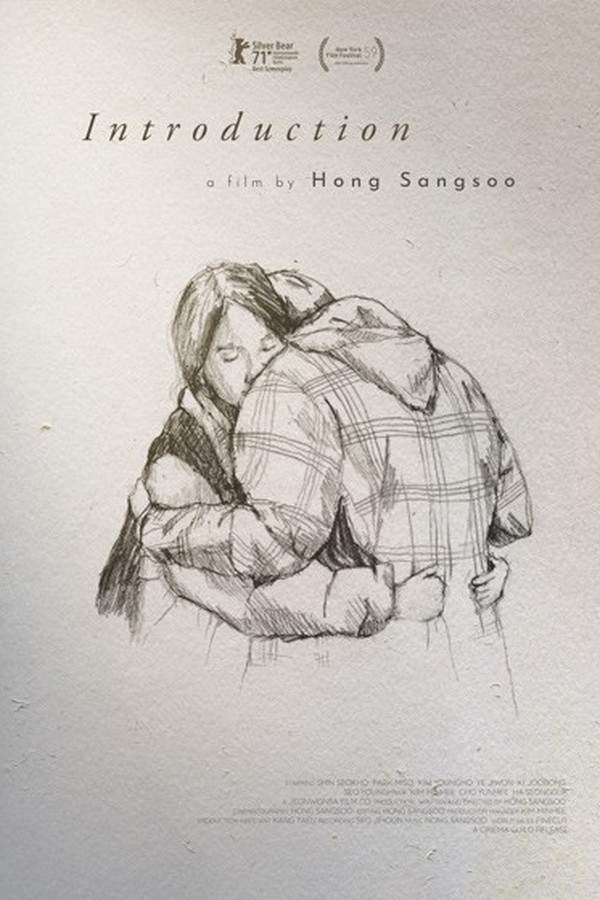
Marina Farfán, a quiet worker at a cloth factory, wins a company ceremony raffle that awards a fully paid trip to Playa Salamandra. The prize is for two, and Marina's long-standing introversion has left her without anyone to share the getaway with. The news should be exciting, yet the reality feels daunting for someone who tends to keep to herself and avoid drawing attention. The idea of traveling with a companion she doesn’t know stirs a mix of curiosity and hesitation, setting a tone of cautious anticipation around a trip that could change her routine life.
Later, while she is out buying bread, she is approached by Víctor Mina, a former high school classmate who is a bit insistent about reconnecting. Marina isn't interested at first, but after a quarrel with her sister Lucía, who was supposed to join the trip, she calls Víctor and invites him to come along. The invitation feels like a boundary-crossing moment for her, yet it also opens the door to a connection she hasn’t allowed herself to consider for years. The encounter hints at possibilities, even as both keep parts of themselves shielded behind polite restraint.
As departure day looms, they begin to swap invitations to step out together, gradually learning small details about each other. There is a growing sense of mutual warmth, yet they never truly connect on an emotional level. The dynamic is informed by their shared loneliness more than a romantic spark, and the conversations linger in a space between familiarity and distance. Each new moment reveals how easily two strangers can start to resemble companions simply because they’re no longer alone, even if the bond remains tentative.
With time, it becomes clear that loneliness is the underlying reason they are drawn together, turning the arrangement into something defined more by need than by romance. They navigate the awkwardness of early closeness, testing boundaries and learning to read each other’s silences, which speak louder than words at times. The sense of longing becomes a common thread that binds them, inviting them to confront what they truly want from companionship and from life outside their separate worlds.
On travel day, Marina decides to go alone, a choice that underscores her habitual independence even as the situation remains fragile. When she returns, they talk again and decide to give each other a second chance. [Víctor Mina] proposes, and she accepts, despite the absence of obvious chemistry or love between them. The ending leaves the door open to the possibility that two people can choose to build something—grounded in shared history and honesty—even if the spark isn’t the conventional kind. The film closes with a quiet, hopeful note: a partnership formed not by a dramatic confession or fireworks, but by a sober acknowledgment of two solitary people choosing to walk forward together.




-9oRID22_wgwsFA.jpg)