Plot Explained Spoilers guaranteed!
Plot Explained

Browse by genre

Confucius (2010) movie poster

Characters & Themes

Confucius (2010) Characters, Setting & Themes Explained

Release, runtime and language
2010 · 125 mins · Chinese
Loading streaming availability…
Directed by
Hu Mei
Starring
Ren Quan, Chen Jianbin, Zhou Xun, Chow Yun-Fat, Wang Ban, Yao Lu

In 500 B.C., during China’s Spring and Autumn Period, the philosopher Kong Ze—known as Confucius—is appointed Minister of Law in the Kingdom of Lu. His wise governance lifts Lu to prosperity, but the aggressive state of Qi seeks to subjugate it. Facing annihilation, Lu’s people enlist Confucius to command their army. He secures an unlikely victory, yet jealous nobles conspire against him, underestimating a mind whose wisdom outweighs any sword.

On this page (7)
  1. 1 Where to watch
  2. 2 Characters explained (5)
  3. 3 Where & when it takes place
  4. 4 Themes & meaning (3)
  5. 5 Character & meaning questions
  6. 6 Movie threads
  7. 7 Every angle
Loading streaming availability…

5 main characters · contains spoilers

Confucius Characters Explained: Who Is Who

The main characters of Confucius (2010), heroes and villains: what drives them, how they change over the course of the story and what each of them reveals about the film's bigger ideas.

  • Yan Hui

    played by Ren Quan

    Yan Hui is Confucius's devoted disciple, representing loyalty, wisdom, and the ideal student. He supports Confucius's efforts to reform society and often reflects the moral integrity of the philosophical teachings. His character embodies dedication and youthful idealism.

    • 👩‍🎓 Disciple
    • 🧠 Wise
    • 🤝 Loyal
  • Confucius

    played by Chow Yun-Fat

    A revered philosopher and teacher, Confucius dedicates his life to moral education, justice, and societal harmony. His leadership and ethical principles challenge the political corruption and violence of his time. He is depicted as a wise, calm, and resilient figure striving for lasting change.

    • 🎓 Philosopher
    • 🕊️ Moral Leader
    • 📚 Educator
  • Ji Sunsi

    played by Chen Jianbin

    Ji Sunsi is a nobleman and court minister in Lu who symbolizes political power and traditional authority. His decisions and involvement in court politics impact Confucius's fate, illustrating the complex influence of aristocratic interests.

    • 🏛️ Nobleman
    • ⚔️ Politician
    • 🛡️ Traditionalist
  • Nanzi

    played by Zhou Xun

    Nanzi is a royal consort of Wei and a character torn between her desires and political realities. Her admiration for Confucius and her tragic end reflect themes of love, ambition, and the personal costs of political intrigue.

    • 👸 Royalty
    • 💔 Tragic
    • 💡 Ambitious
  • Li Chu

    played by Yao Lu

    Li Chu is a military minister of Qi, representing the aggressive and strategic side of the era's political landscape. His actions threaten Confucius’s ideals and exemplify the danger of militaristic expansionism.

    • ⚔️ Military
    • 🧠 Strategist
    • 🚩 Conqueror

Last updated: August 05, 2025 at 06:52

Was this helpful?

Setting

Where and When Does Confucius Take Place?

The setting of Confucius (2010): the year and time period, the places and locations, and how they shape the characters, the mood and the tension of the story.

Time period

circa 500 BC

The film takes place during the Spring and Autumn period of Chinese history, roughly around 500 BC. This era was characterized by fragmented states, frequent wars, and the rise of influential philosophical schools. It was a time of political instability but also of rich cultural and intellectual growth, exemplified by Confucius' teachings.

Location

Lu, Qi, Wei, Song, Zheng

The movie is set in various regions of ancient China, primarily the state of Lu, known for Confucius' influence, as well as neighboring kingdoms like Qi, Wei, Song, and Zheng. These places are depicted as complex feudal territories with political intrigue, warfare, and cultural significance. Each region reflects the historical context of the Spring and Autumn period, a time marked by territorial disputes and philosophical development.

  • 🏯 Ancient China
  • 🏞️ Ancient City
  • 🛡️ Feudal States

Last updated: August 05, 2025 at 06:52

Was this helpful?

3 major themes

Confucius Meaning: Themes & Message Explained

What is Confucius (2010) really about? The emotional, social and philosophical themes the film keeps returning to, its symbolism and the message beneath the surface.

  • Wisdom & Philosophy

    The movie explores themes of morality, ethics, and the pursuit of knowledge through Confucius's teachings. It highlights the importance of virtue, tradition, and education as tools for personal and societal development. The philosophical debates reflect the broader quest for harmony in a fractured world.

  • Politics & Power

    Political intrigue, loyalty, and power struggles are central themes. The film depicts the conflict between noble families and the rising influence of Confucius as he navigates court politics. The story emphasizes how political ambitions and warfare impact the fate of states and individuals.

  • Peace & Conflict

    The narrative underscores the tension between war and diplomacy. Confucius advocates for moral governance and peace, often facing opposition from those seeking power through conflict. The film portrays both the destructive nature of war and the hope for societal harmony through education and virtue.

Last updated: August 05, 2025 at 06:52

Was this helpful?

Character & theme questions

Confucius Characters & Meaning: Your Questions Answered

The questions people ask about Confucius (2010): who the characters really are, their relationships, what the symbols mean, where it takes place and what the movie is really about. Each answer contains spoilers.

Q1

Where is the movie set?

The film takes place in ancient China during the Spring and Autumn Period, primarily in the state of Lu where Confucius had his greatest influence. The story also spans neighboring kingdoms including Qi, Wei, Song, and Zheng. These feudal territories are depicted as politically volatile regions marked by warfare, court intrigue, and philosophical development.

  • ancient china
  • lu
  • qi
  • wei
  • spring and autumn period
  • setting
Q2

When does the story take place?

The movie is set around 500 BC during China's Spring and Autumn Period, a historical era characterized by fragmented states, frequent warfare, and the rise of influential philosophical schools. This was a time of political instability but also rich cultural and intellectual growth, precisely when Confucius developed his teachings.

  • 500 bc
  • spring and autumn period
  • ancient china
  • historical era
  • time period
Q3

What are the main themes explored in the film?

The movie explores three core themes: Wisdom and Philosophy (emphasizing morality, ethics, and the pursuit of knowledge), Politics and Power (depicting court intrigue, loyalty struggles, and noble ambitions), and Peace and Conflict (highlighting the tension between war and diplomacy). These themes interweave to show Confucius's struggle to maintain his ideals in a violent world.

  • themes
  • wisdom
  • philosophy
  • politics
  • power
  • peace
  • conflict
  • morality
Q4

What does the film say about wisdom and philosophy?

The movie presents wisdom and philosophy as transformative forces capable of reforming society. Confucius is depicted as a teacher who believes virtue, tradition, and education are essential tools for both personal development and societal harmony. His philosophical debates throughout the film reflect a broader quest for moral order in a fractured world.

  • wisdom
  • philosophy
  • confucian teaching
  • virtue
  • education
  • morality
Q5

How does the film portray politics and power?

The film portrays politics as a dangerous landscape of shifting alliances, noble ambition, and moral compromise. Confucius must navigate court intrigue while facing opposition from aristocratic families who view his ethical principles as threats to their power. The story illustrates how political ambitions and warfare directly impact the fate of states and individuals.

  • politics
  • power
  • nobility
  • court intrigue
  • aristocratic
  • corruption
Q6

Who is Confucius in the movie?

Confucius (played by Chow Yun-Fat) is depicted as a revered philosopher and teacher dedicated to moral education, justice, and societal harmony. He serves as Minister of Law in Lu and later leads its army against Qi. The film presents him as a wise, calm, and resilient figure who challenges political corruption and violence through ethical principles, striving for lasting societal change.

  • confucius
  • philosopher
  • teacher
  • minister
  • moral education
  • choy yun-fat
Q7

Who is Yan Hui and what is his role?

Yan Hui (Real name: Ren Quan) is Confucius's most devoted disciple, representing loyalty, wisdom, and the ideal student. He supports Confucius's efforts to reform society and embodies the moral integrity of Confucian teachings. His character reflects dedication and youthful idealism, serving as a faithful follower throughout Confucius's journey.

  • yan hui
  • disciple
  • loyal student
  • follower
  • ideal student
Q8

Who is Nanzi in the story?

Nanzi (played by Zhou Xun) is a royal consort of Wei who becomes deeply torn between her personal desires and political realities. She admires Confucius and his teachings, but her tragic end reflects the personal costs of political intrigue. Her character represents themes of love, ambition, and the sacrifices demanded by court life.

  • nanzi
  • royal consort
  • wei
  • love
  • political intrigue
  • tragic
Q9

Who is Li Chu and what does he represent?

Li Chu (played by Yao Lu) is the military minister of Qi, representing the aggressive and militaristic side of the era's political landscape. His actions pose direct threats to Confucius's ideals of peaceful governance. Li Chu exemplifies the danger of militaristic expansionism and serves as an antagonist who challenges the film's philosophical message through warfare.

  • li chu
  • military minister
  • qi
  • war
  • expansionism
  • antagonist
Q10

Who is Ji Sunsi in the film?

Ji Sunsi (played by Chen Jianbin) is a nobleman and court minister in Lu who symbolizes political power and traditional authority. His decisions and involvement in court politics significantly impact Confucius's fate. As an aristocrat, his character illustrates the complex influence of noble interests that often conflict with reformist ideals.

  • ji sunsi
  • nobleman
  • minister
  • lu
  • aristocratic
  • authority
Q11

What was the Spring and Autumn Period?

The Spring and Autumn Period (770-476 BC) was a era in Chinese history marked by political fragmentation, with numerous feudal states constantly warring for territory and influence. Despite the chaos, this period saw tremendous cultural and intellectual growth, including the birth of major philosophical schools like Confucianism. The movie captures both the warfare and the philosophical development that defined this time.

  • spring and autumn period
  • chinese history
  • feudal states
  • warring states
  • philosophical schools
Q12

How does the movie address war and peace?

The film emphasizes the tension between war and diplomacy as a central conflict. Confucius consistently advocates for moral governance and peaceful resolution, often facing opposition from leaders who seek power through military conflict. The narrative portrays war's destructive nature while offering hope for harmony through education and virtue, even as Confucius faces military challenges.

  • war
  • peace
  • diplomacy
  • military
  • conflict resolution
  • harmony
Q13

What is the overall tone and mood of the film?

The film carries a predominantly melancholic tone, framed by an elder reminiscing about Confucius's life. While there are moments of hope and intellectual triumph, the story repeatedly explores themes of rejection, loss, and the personal cost of idealism. The ending is bittersweet, Confucius profoundly influences history, yet his ideals are only partially realized in his lifetime, leaving a legacy tempered by hardship.

  • tone
  • mood
  • melancholic
  • bittersweet
  • emotional
  • legacy
  • idealism

Movie threads

More Movies Like Confucius, by Mood & Story

Curated lists built around what makes Confucius tick: the same mood, the same kind of story or the same emotional payoff. Each list explains why these movies belong together.

Movies about the weight of wisdom like Confucius

Stories where profound thinkers face political turmoil and personal sacrifice. If you appreciated the thoughtful and solemn journey of Confucius, explore these movies about great thinkers and leaders. This list features similar historical dramas and biopics where the pursuit of wisdom comes at a heavy personal cost, resulting in melancholic yet profound stories.

  • philosophical
  • solemn
  • reflective
  • dignified
  • meditative
  • resigned
  • Tone: melancholic, philosophical, dignified
  • Pacing: steady, deliberate
Why these movies?

The story pattern: These narratives typically follow a brilliant individual whose intellect or moral code poses a threat to the established order. They achieve initial success, only to be undone by political intrigue or societal fear, leading to a period of hardship or exile. The story culminates in the enduring, posthumous influence of their ideas, creating a bittersweet conclusion.

Why they belong together: Movies in this thread share a melancholic tone, a steady, deliberate pacing, and a heavy emotional weight. They are united by the core theme of an idealist's struggle against a rigid system, focusing on the intellectual and emotional journey rather than just physical action.

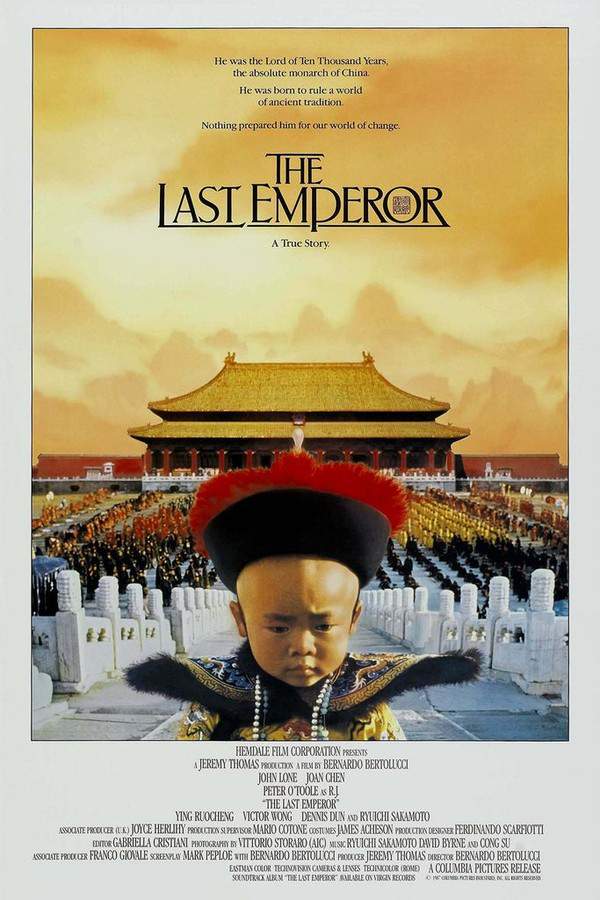
Solemn historical epics with political drama like Confucius

Lavish historical dramas where moral conviction clashes with brutal politics. For viewers who liked the political and ethical depth of Confucius, this collection highlights similar historical epics. Discover movies that blend lavish period settings with serious themes of reform, betrayal, and the struggle to maintain moral integrity against overwhelming political forces.

  • solemn
  • meditative
  • epic
  • political
  • philosophical
  • dignified
  • Tone: solemn, meditative, dignified
  • Pacing: steady, character-driven
Why these movies?

The story pattern: These films unfold in pivotal historical periods, following a protagonist of high moral standing who attempts to enact reform. Their ideals are tested by the pragmatic and often corrupt machinery of power, leading to strategic battles, both verbal and martial. The journey is one of gradual disillusionment or hard-won, partial victories, emphasizing the cost of principle.

Why they belong together: These films are grouped by their shared mood—solemn and meditative—within the epic historical genre. They combine a steady pacing with medium intensity, focusing on political and ethical complexity rather than non-stop action, resulting in a heavy, thought-provoking experience.

Every angle

Confucius (2010) Explained: Plot, Timeline & Characters

Everything about Confucius in one place: what happens in the plot summary, the timeline in chronological order, the characters and meaning and a spoiler-free summary. What's After the Movie adds the cast, box office and post-credit scenes.

Coming soon on iOS and Android

The Plot Explained Movie Summary App

Plot summaries, endings explained and timelines on your phone. Catch up on any movie in minutes, save your favorites and never miss a twist again.

Be the first to know when we launch. Your email stays private, always.

Learn more about the app