Plot Explained Spoilers guaranteed!
Plot Explained

Browse by genre

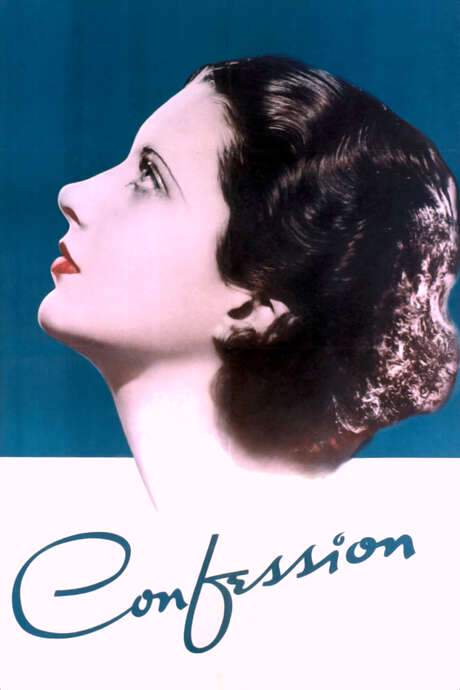
Confession (1937) movie poster

Timeline

Confession (1937) Timeline Explained – Every Event in Order

Release, runtime and language
1937 · 87 mins · English
Loading streaming availability…
Directed by
Joe May
Starring
Basil Rathbone, Robert Barrat, Ferdinand Munier, Veda Ann Borg, Dorothy Peterson, Donald Crisp

A tale of heartbreak written in blood and tears unfolds as Vera Kowalska stands trial for the murder of celebrated concert pianist Michael Michailow. During the proceedings, startling testimony reveals that years earlier Michael had devastated Vera’s life, fueling a desperate quest for vengeance that now puts her fate in the hands of the court.

On this page (6)
  1. 1 Where to watch
  2. 2 Events in order (15)
  3. 3 Timeline questions answered
  4. 4 Movie threads
  5. 5 Movies like Confession
  6. 6 Every angle
Loading streaming availability…

15 events in order · contains spoilers

Confession Timeline: Events in Chronological Order

Every key event of Confession (1937) in order, scene by scene, with when and where it takes place. Use it to untangle flashbacks, time jumps and parallel storylines, to refresh your memory before the sequel or to find the exact scene you are thinking of.

  1. Lisa receives the concert tickets at the train station

    In 1930, in a European city, 17-year-old Lisa Koslov is handed an envelope containing two tickets to a piano concert as her mother sees her off at the train station. She suspects the sender might be stalking her. Her friend Hildegard urges her to attend, setting the plot in motion.

    When
    1930
    Where
    Train station
  2. The concert reveals the pianist Michailow

    At the concert, Lisa realizes that the mysterious man behind the envelope is the renowned pianist Michael Michailow. Hildegard quickly accepts his dinner invitation on Lisa's behalf. The encounter marks the start of a dangerous attraction that will pull Lisa into a web of secrecy.

    When
    1930
    Where
    Concert hall
  3. Michailow falsifies himself as Lisa's tutor

    The day after the concert, Michailow pleads loneliness and asks to see Lisa again. Lisa discovers that he has lied to the conservatory professor to insinuate himself as her tutor. The deception deepens his hold over her.

    When
    1930
    Where
    Conservatory
  4. Michailow kisses Lisa

    During a charged moment, Michailow kisses Lisa. Despite recognizing the ethical trouble, she responds to the kiss. The kiss seals the troubling pattern of seduction.

    When
    1930
    Where
    Conservatory
  5. They slip away to a seedy cabaret

    The third day, Michailow calls Lisa at home and persuades her to sneak out. They travel to a seamy cabaret to continue his patient seduction away from prying eyes. The atmosphere grows more dangerous for Lisa.

    When
    1930
    Where
    Lisa's home; cabaret
  6. A tawdry cabaret number reveals Vera Kowalska; Michailow and Vera recognize each other

    In the cabaret, a tawdry number is sung by Vera Kowalska, and Vera and Michailow recognize one another. He kisses Lisa again in the spotlight. Vera faints from shock at the sight.

    When
    1930
    Where
    Cabaret
  7. Vera shoots Michailow dead

    In the ensuing chaos, Vera shoots Michailow dead. The murder triggers the courtroom drama to come. Lisa stands at the edge of a perilous situation.

    When
    1930
    Where
    Cabaret
  8. Vera's murder trial begins

    Back in court, Vera confesses to the murder but refuses to disclose her motive. The lawyers debate how much truth should be revealed about Michailow and Vera's past. The outcome hinges on Vera's intent to protect Lisa's reputation.

    When
    1930
    Where
    Courtroom
  9. The suitcase as evidence and the judge's order

    As lawyers argue, Vera's suitcase is brought forward as evidence. The presiding judge orders the suitcase opened to see if it contains mitigating information. Vera insists she will give a full statement if the suitcase is not opened, heightening the drama.

    When
    1930
    Where
    Courtroom
  10. 1912 Warsaw: Vera is a rising opera diva

    In her backstory, Vera is a young opera diva in Warsaw. Michailow lures her to a party at his apartment, where she becomes drunk and passes out. The memory foreshadows the scandal and its consequences for Vera.

    When
    1912
    Where
    Warsaw (1912)
  11. Charity ball, affair, and its consequences

    The next morning, Michailow returns from the front as an amputee and Vera contemplates how to tell her husband. She becomes involved with him, leading to gossip and a legal fight when her husband sues for adultery. The affair costs Vera custody of her daughter and begins a long exile from her career.

    When
    1912
    Where
    Michailow's apartment; Warsaw
  12. Fifteen years later: Vera locates Leonide and Lisa

    Fifteen years pass as Vera travels Europe searching for Leonide Kirow, now using the name Koslov, and her daughter. She locates them on the day of the shooting and learns that Leonide has been dead for three years and had remarried. Lisa remains unaware that her second mother is Vera.

    When
    circa 1927
    Where
    Across Europe
  13. Open session resumes and Vera's full statement

    When open court resumes, the parties avoid discussing the old scandal and Vera is allowed to present her full statement. Her testimony explains the 1912 events that shaped her actions and her motive to protect Lisa's reputation.

    When
    1930
    Where
    Courtroom
  14. The court pardons Vera after a guilty verdict

    Despite finding Vera guilty of murder, the court grants her a pardon, recognizing the complexity of her past and her attempt to shield Lisa. The resolution blends mercy with accountability.

    When
    1930
    Where
    Courtroom
  15. Final moment: Lisa bids Vera farewell

    After the trial, Lisa approaches Vera to wish her well. Vera envisions a warm embrace, but instead she calmly thanks Lisa and watches her drive away. The film closes on a bittersweet note about mothers, secrets, and the costs of truth.

    When
    1930
    Where
    Courtroom / Courthouse area

Last updated: October 09, 2025 at 11:04

Was this helpful?

Timeline questions answered

Confession Timeline Explained: Your Questions Answered

When does it happen, and why in that order? The questions people ask about the chronology of Confession (1937): time jumps, flashbacks, cause and effect between scenes and the correct order of events, each answered with spoilers.

Q1

Why did Vera Kowalska shoot Michael Michailow at the cabaret?

Vera shot Michailow because she recognized him at the cabaret after years of searching for him. In 1912, Michailow had seduced her when she was a rising opera diva in Warsaw, leading her to abandon her career, marry a soldier, and eventually lose custody of her daughter when her husband sued for adultery. When she saw Michailow with another young woman (Lisa) at the cabaret, the old rage and desire for vengeance overwhelmed her.

Foreshadowing: Earlier scenes show Michailow's pattern of manipulating young women, setting up his past behavior as the catalyst for Vera's violent response.

  • vera kowalska
  • michael michailow
  • murder
  • motive
  • revenge
  • 1912 affair
Q2

Why did Vera refuse to reveal her motive for killing Michailow?

Vera initially refused to reveal her motive to protect her daughter Lisa's reputation. Lisa had been raised by Leonide Kirow (who later became Koslov) and believed her stepmother was her real mother. If the full details of Vera's 1912 affair with Michailow had been exposed in open court, Lisa would have learned the painful truth about her biological mother and the scandal that destroyed Vera's life.

Foreshadowing: The timeline shows Vera spent fifteen years searching for her daughter, indicating her primary motivation was always to protect Lisa's wellbeing.

  • lisa koslov
  • vera kowalska
  • reputation
  • protection
  • daughter
  • motive secret
Q3

Who is Lisa Koslov's real mother?

Lisa Koslov's biological mother is Vera Kowalska. In 1912, Vera was an opera diva in Warsaw who had an affair with Michailow. When her husband Leonide Kirow discovered the affair, he sued for adultery. Vera lost custody of her daughter, who was then raised by Leonide under the surname Koslov after he remarried. Vera spent fifteen years searching for her daughter but remained hidden from Lisa's life to protect her.

Foreshadowing: The film hints at this connection when Vera faints upon recognizing Michailow at the cabaret, her emotional reaction suggests a deeply personal history.

  • lisa koslov mother
  • vera kowalska
  • leonide kirow
  • biological mother
  • custody
Q4

What happened between Vera and Michailow in 1912?

In 1912, Vera Kowalska was a rising opera diva in Warsaw. Michailow lured her to a party at his apartment where she became intoxicated and passed out, reportedly being taken advantage of while unconscious. The next morning, Michailow returned from the front as an amputee, and Vera became involved with him, leading to a scandal. Her husband Leonide sued for adultery, Michailow fled to avoid testifying, and Vera was found guilty, losing custody of her daughter and beginning years of exile.

Foreshadowing: Michailow's pattern of manipulating young women (like Lisa) mirrors his 1912 behavior with Vera, showing his consistent predatory tactics.

  • 1912 warsaw
  • opera diva
  • affair
  • michailow
  • scandal
  • lost custody
Q5

Why was Vera Kowalska pardoned despite being found guilty?

Vera was pardoned because the court recognized the extraordinary circumstances surrounding her crime. While she admitted to killing Michailow, her testimony revealed that Michailow had destroyed her life years earlier by seducing and abandoning her, causing her to lose her career and daughter. Additionally, Vera had acted to protect her daughter's reputation by refusing to have the sensitive documents read aloud in open court. The court acknowledged both her suffering and her selfless motives.

Foreshadowing: The judge's decision reflects the film's themes of sacrifice and the complex moral weight of Vera's choices throughout her life.

  • court pardon
  • vera kowalska
  • guilty verdict
  • mitigating circumstances
  • mercy
Q6

What was in Vera's suitcase that she brought to trial?

Vera's suitcase contained documents that would prove her side of the 1912 story, papers that could verify Michailow's predatory behavior and Vera's innocence against the adultery charges that cost her custody of her daughter. She refused to let the suitcase be opened in open court because reading those documents aloud would have exposed Lisa to the painful truth about her biological mother's scandal, potentially damaging Lisa's relationship with her stepmother and her reputation.

Foreshadowing: Vera's insistence on keeping the suitcase contents private foreshadows her continued sacrifice for Lisa's wellbeing even at her own trial.

  • suitcase
  • documents
  • evidence
  • 1912 trial
  • proof
  • adultery charges
Q7

How did Lisa learn that Vera was her mother?

Lisa learned the truth during Vera's trial when Vera gave a private statement to the judge, revealing her full history including that she was Lisa's biological mother. The judge allowed a private session where Vera could explain everything without the public exposure that would have harmed Lisa. This private testimony is what finally connected Lisa to her real mother, though the film leaves the emotional reconciliation incomplete.

Foreshadowing: The film's structure builds toward this revelation through Vera's determination to protect Lisa at all costs.

  • lisa learns truth
  • biological mother
  • trial testimony
  • private statement
  • revelation
Q8

Why did Vera spend fifteen years traveling across Europe?

Vera traveled across Europe for fifteen years because she was searching for her daughter Lisa and her former husband Leonide Kirow. After losing custody in 1912, Vera was forced to give up her career as an opera singer and lived as a struggling performer. She finally located Leonide and Lisa, only to discover that Leonide had died three years earlier and had remarried. Lisa remained unaware that her stepmother was not her biological mother.

Foreshadowing: This long search establishes Vera's desperation to reconnect with her daughter and explains her presence at the cabaret on the day of the murder.

  • fifteen years
  • search for daughter
  • leonide kirow
  • europe
  • struggling performer
Q9

What happened to Leonide Kirow (Lisa's father)?

Leonide Kirow was Vera's husband and Lisa's biological father. He was a soldier who went to war and returned as an amputee. When he discovered Vera's affair with Michailow, he sued for adultery. After the divorce, he raised Lisa as a single father and later remarried a woman Lisa believed was her real mother. Leonide died three years before the events of 1930, which is why Lisa never knew the truth about Vera until the trial.

Foreshadowing: Vera's discovery that Leonide had died explains why she approached the situation differently, she could not confront him or resolve the past directly.

  • leonide kirow
  • soldier
  • amputee
  • died
  • remarried
  • lisa father
Q10

Why did Lisa allow herself to be seduced by Michailow?

Lisa was a 17-year-old music student when Michailow targeted her. He used his fame, charm, and position to manipulate the situation, arranging to become her tutor through deception and gradually isolating her from her normal life. Though Lisa sensed something was improper about the relationship, she was drawn to the attention and excitement he offered. The film presents her as a victim of Michailow's predatory patterns, which he had used against Vera years earlier.

Foreshadowing: Michailow's tactics with Lisa mirror exactly what he did to Vera in 1912, showing his consistent pattern of targeting young, ambitious women in the arts.

  • lisa seduction
  • michailow
  • tutor
  • manipulation
  • music student
  • victim
Q11

What happened between Vera and Lisa at the end of the trial?

After the trial, Lisa approached Vera to wish her well, representing a moment of possible reconciliation. Vera imagined a warm embrace between mother and daughter, but the reality was more restrained, Vera simply thanked Lisa and watched her drive away. This bittersweet ending captures the tragedy of their relationship: they finally know the truth, but years of separation and the weight of the past prevent a true reunion.

Foreshadowing: The ending reflects the film's overall theme of sacrifice, Vera chose to let Lisa go rather than disrupt her life with the full truth.

  • final scene
  • vera lisa goodbye
  • reconciliation
  • separation
  • bittersweet ending

Movie threads

More Movies Like Confession, by Mood & Story

Curated lists built around what makes Confession tick: the same mood, the same kind of story or the same emotional payoff. Each list explains why these movies belong together.

Emotional Courtroom Dramas Like Confession

Trials that dig into deep emotional wounds and tragic pasts. Discover movies like Confession where the courtroom setting frames a deeply personal tragedy. These films are for viewers who enjoy tense legal proceedings intertwined with heavy emotional backstories, family secrets, and somber character revelations.

  • courtroom drama
  • tense
  • tragic
  • somber
  • emotional revelation
  • melancholic
  • Tone: melancholic, tense, tragic
  • Pacing: steady, methodical
Why these movies?

The story pattern: The narrative typically centers around a trial, but the true story unfolds through testimony and flashbacks, revealing a tragic past of betrayal, sacrifice, or loss. The legal outcome is often less important than the emotional reckoning.

Why they belong together: They share a blend of high-stakes legal tension and heavy emotional weight, often featuring melancholic tones and bittersweet resolutions that linger long after the verdict.

Somber Revenge Dramas Similar to Confession

Quiet, heartbreaking stories where revenge leads to profound sadness. If you liked the tragic quest for vengeance in Confession, explore these movies. They feature protagonists driven by heartbreak on a melancholic path toward retribution, resulting in emotionally heavy stories with bittersweet or sorrowful conclusions.

  • revenge
  • tragic
  • melancholic
  • longing
  • somber
  • regret
  • Tone: melancholic, somber, bittersweet
  • Pacing: steady, deliberate
Why these movies?

The story pattern: The story follows a protagonist whose life is shattered by a profound betrayal. Their long-planned revenge is executed not with fury, but with a sorrowful determination, and the climax brings a bittersweet resolution that underscores the ultimate cost of their actions.

Why they belong together: They are united by a melancholic tone, a steady pacing that allows for emotional depth, and a central theme of revenge that is portrayed as a tragic, rather than triumphant, endeavor.

If you liked this

Movies Like Confession

Similar movies to Confession: the same genre, themes or kind of story. Each one comes with its own plot summary, timeline and ending explained.

Browse all movie summaries

Every angle

Confession (1937) Explained: Plot, Timeline & Characters

Everything about Confession in one place: what happens in the plot summary, the timeline in chronological order, the characters and meaning and a spoiler-free summary. What's After the Movie adds the cast, box office and post-credit scenes.

Coming soon on iOS and Android

The Plot Explained Movie Summary App

Plot summaries, endings explained and timelines on your phone. Catch up on any movie in minutes, save your favorites and never miss a twist again.

Be the first to know when we launch. Your email stays private, always.

Learn more about the app