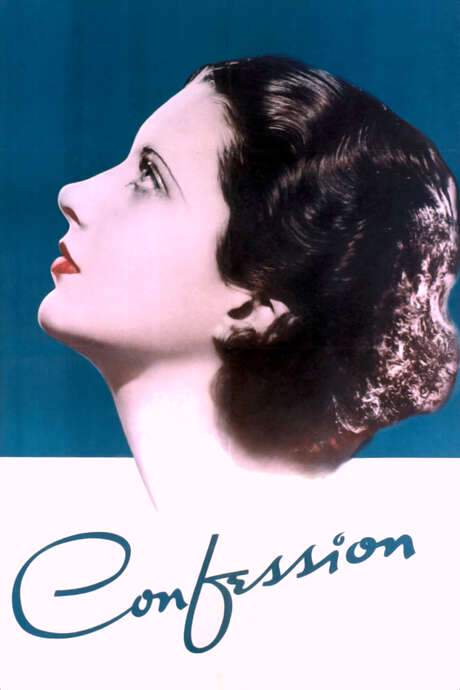
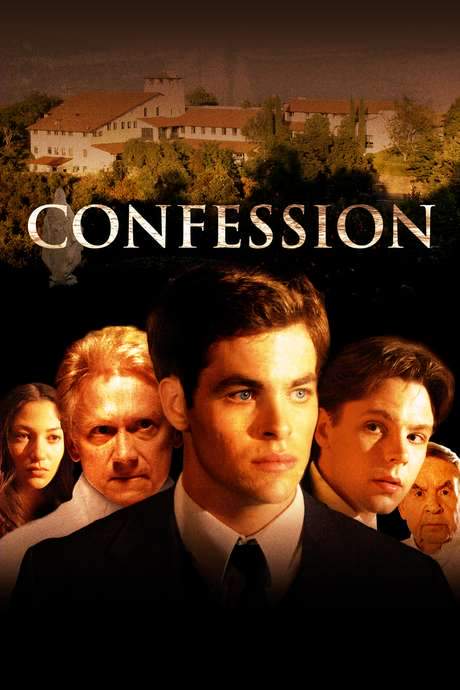
In a rain‑slick European city of the early 1930s, the grand yet austere courtroom becomes the focal point of a story that pulses with the lingering echo of a once‑vibrant music world. A single, striking trial dominates the city’s conversation: Vera Kowalska stands accused of the killing of a celebrated concert pianist. The case draws the press, the public, and a host of curious onlookers, all eager to witness how the past can be summoned into a stark, legal arena.
Vera is introduced as a former opera diva whose life was once lit by the glow of the stage. Years of triumph, loss, and a tangled personal history have left her a figure of both reverence and mystery. Across the bench, Michael Michailow carries the charisma of a virtuoso whose performances have captivated audiences far beyond the concert hall, yet whose reputation now hangs in precarious balance. Watching from the periphery is Lisa Koslov, a seventeen‑year‑old conservatory student whose own ambitions are quietly shaped by the very music that once brought the two adults together.
The trial forces each of them to confront the shadows that have followed them for decades. As testimony is offered, fragments of a shared past surface—letters, broken promises, and a lingering sense of unfinished business—casting the proceedings into a delicate dance between fact and feeling. The courtroom’s cold stone walls seem to absorb the strains of a bygone era, while the murmurs of the gallery hint at deeper currents of love, regret, and the relentless pursuit of redemption.
Through a palette of muted lighting, period costumes, and a soundtrack that weaves classical motifs with melancholy, the film establishes a tone that is both intimate and grandiose. It invites the audience to linger on the fragile ties that bind a mother, a lover, and a young artist, promising that the truth behind the accusation may be as complex and haunting as the music that defined their lives.