Plot Explained Spoilers guaranteed!
Plot Explained

Browse by genre

Double Confession (1950) movie poster

Plot Summary

Double Confession (1950) Plot Summary Explained

Release, runtime and language
1950 · 86 mins · English
Directed by
Ken Annakin
Starring
Kathleen Harrison, Peter Lorre, William Hartnell, Naunton Wayne, Mona Washbourne, George Woodbridge

In a single, frantic day the lives of eight strangers become intertwined. A man discovers his estranged wife murdered and tries to frame her lover for the killing. His plan pulls him into the orbit of dangerous criminals who repeatedly fail to eliminate him, while detectives work to untangle the truth and solve the mystery.

On this page (5)
  1. 1 What happens: full plot
  2. 2 Plot questions answered
  3. 3 Movie threads
  4. 4 Movies like Double Confession
  5. 5 Every angle

Full plot summary · contains spoilers

What Happens in Double Confession: Full Plot Summary

The whole story of Double Confession (1950) explained, from the opening scene to the final frame: every key event, every twist and what it all adds up to. Read it as a quick recap before the sequel, to check a scene you missed, or to finally understand what really happened.

Late at night, Jim Medway, Derek Farr, returns to the fictional seaside town of Seagate, slipping through the quiet streets toward his estranged wife Lorna’s isolated coastal cottage. As he arrives, he spots Charlie Durham, William Hartnell, coming out of the same house, a moment that hints at a past tangled with infidelity and motive. Jim carries the knowledge that Lorna had been involved with Durham, and he is left to wrestle with a troubling question: did he kill Lorna, or did Durham — or perhaps someone else entirely — have a hand in it?

The next day, Jim meets Ann Corday, Joan Hopkins, a young woman facing a life-changing decision: whether to keep her baby daughter or give her up for adoption. Jim enjoys her company and wants to spend time with her, but Ann overhears a tense exchange in which Jim tells Durham that he killed Lorna and plans to tell the police that Durham did so. This overheard confession drives her to consider ending their acquaintance, yet when they meet again, she agrees to spend the day with him, having come to believe that Jim killed Lorna in a moment of madness. She is honest about the heavy weight of Lorna’s death on their futures, but she still wants them to have a day to remember.

Yet, she does not approve of his plan to exact revenge on Durham by pressuring for an arrest, even though he asserts he will not let Durham take the blame. His aim is not justice but a period of suffering for a man he once trusted, a motive that drags Ann deeper into the moral gray area of the couple’s fragile alliance. The tension between right and wrong, loyalty and resentment, adds a layered tension to their fleeting happiness together.

Against this emotional backdrop, Paynter, Durham’s sinister sidekick, Peter Lorre, moves through Seagate with a quiet and chilling resolve. He is determined to protect his employer, and his presence intensifies the sense that danger is never far away. The threat is not just physical; it is the possibility that a calculated misstep could trigger a catastrophe that would ruin Jim, Charlie, and everyone connected to them. The wordless menace surrounding Paynter adds a skin-crawling edge to the narrative, turning a seaside town into a pressure cooker of concealed motives and subtle intimidation.

As the mystery unfolds, Inspector Tenby, Naunton Wayne, slowly gathers clues and begins to suspect there is a less obvious culprit at work. His patient, methodical approach contrasts with the characters’ impulsive emotions, gradually pulling back the curtain on the psychological game at the heart of Seagate’s quiet tragedy. The investigation threads through the town's familiar sounds and places—the corridor-lit cottages, the flicker of a shooting gallery, a jury of ordinary faces—building a sense of unease as the web of relationships tightens around Jim, Ann, and Durham.

The film balances intimate, character-driven moments with a growing sense of dread as the pieces of the puzzle begin to converge. The seaside setting, with its foggy nights and dimly lit rooms, amplifies the mood of suspicion and doubt. Each encounter—between Jim and Ann, between Jim and Durham, and between Paynter and Jim’s fragile plans—feels charged with moral risk. The story never rushes to a neat resolution; instead, it invites viewers to weigh competing loyalties and to consider how grief, jealousy, and a desire for revenge can blur the line between protector and aggressor.

Overall, the movie crafts a slow-burning, psychologically tense drama in which a man’s fight with his own demons collides with the ambitions and schemes of others around him. The interplay of trust and deception, set against Seagate’s quiet, windswept backdrop, creates a timeless atmosphere of noir-inflected suspense. While the central question—who killed Lorna, and who is truly responsible for the subsequent turmoil—remains a guiding thread, the film places greater emphasis on character study and the moral complexity of revenge, leaving audiences to ponder whether justice can emerge from the shadows of guilt and whether any path through the night can lead to a truly clear dawn.

Last updated: February 24, 2026 at 09:57

Was this helpful?

Plot questions answered

Double Confession Plot Explained: Your Questions Answered

The questions people ask most about Double Confession (1950): what happens in the confusing scenes, why the characters do what they do, the twists, hidden details and what the ending means. Each answer contains spoilers.

Q1

Who killed Lorna in Double Confession?

Lorna was murdered, but the identity of her killer remains deliberately ambiguous throughout the film. Jim Medway discovers her body and initially suspects Charlie Durham, whom he sees leaving the cottage. However, Jim later admits to Ann Corday that he killed Lorna, though he intends to frame Durham for the crime. Inspector Tenby's investigation suggests the killer may be someone less obvious than the obvious suspects, keeping the true resolution uncertain.

  • lorna murder
  • killer
  • whodunit
  • charlie durham
  • jim medway
Q2

Why does Jim tell Ann he killed Lorna?

Jim confesses to Ann because he genuinely wants honesty between them, despite his plan to frame Durham. He explains that he will not let Durham actually take the blame for the crime, but he wants Durham to suffer first by being suspected. This confession reveals Jim's conflicted state, he's both guilty and seeking emotional connection with Ann, even as he engages in deception against Durham.

  • jim confession
  • ann corday
  • guilt
  • emotional confession
Q3

Why does Ann spend the day with Jim after hearing his confession?

After overhearing Jim confess to killing Lorna, Ann initially intends to leave but ultimately decides to spend the day with him. She believes Jim may have killed Lorna in a moment of madness, and despite the weight of her knowledge about his crime, she wants them to have a day to remember together. Her own pending decision about her unborn baby adds urgency, she seeks connection before her life potentially changes dramatically.

  • ann corday
  • jim medway
  • relationship
  • moment of madness
Q4

What is Paynter's role in the story?

Paynter is Charlie Durham's loyal and dangerous sidekick who arrives in Seagate specifically to protect his employer. Determined to eliminate threats to Durham, Paynter schemes to arrange an 'accident' for Jim Medway that would remove him permanently. His silent, methodical menace adds physical danger to the narrative and represents the violent underworld consequences that could derail Jim's complex revenge scheme.

  • peter lorre
  • paynter
  • charlie durham
  • hitman
  • protection
Q5

Why does Jim want revenge on Charlie Durham?

Jim wants revenge on Durham because he discovered that Lorna was having an affair with Durham. Even though Jim himself killed Lorna, his primary target for punishment is Durham, the man he once trusted who betrayed him with his wife. Jim's plan involves making Durham suffer by being suspected of murder before eventually clearing him, a twisted form of justice that serves his personal anger rather than true justice.

  • revenge
  • charlie durham
  • affair
  • betrayal
  • jealousy
Q6

What happens to Ann's baby in Double Confession?

Ann Corday is facing a life-changing decision about whether to keep her baby daughter or give her up for adoption. The film focuses on her relationship with Jim amid this dilemma, but the summary does not specify which choice she ultimately makes. Her pregnancy adds emotional weight to her scenes with Jim, as she seeks meaningful connection before her potential life change.

  • ann corday
  • baby
  • adoption
  • pregnancy decision
Q7

What is the 'double confession' in the movie title?

The 'double confession' refers to two separate admissions Jim makes: first, his secret admission to Ann that he himself killed Lorna, and second, his public plan to confess to police that Durham committed the murder, though this second confession would be false. The title highlights the film's themes of deception, guilt, and the complex truth-telling between characters caught in a murder mystery.

  • double confession
  • title meaning
  • deception
  • guilt
Q8

How does Jim plan to frame Durham for Lorna's murder?

Jim's plan involves confessing to police that Durham killed Lorna, knowing this will immediately incriminate his rival. However, Jim tells Ann he does not actually intend to let Durham take the blame permanently, he wants Durham to suffer under suspicion for a period before eventually revealing the truth. This allows Jim to satisfy his desire for revenge while maintaining some control over the narrative.

  • frame
  • charlie durham
  • false confession
  • revenge plan
Q9

What does Inspector Tenby discover about the case?

Inspector Tenby methodically gathers clues throughout the film and begins to suspect there is a 'less obvious culprit' behind Lorna's murder. His patient, methodical approach contrasts with the impulsive emotions driving the other characters. The investigation builds toward revealing a twist that challenges the obvious suspects, Jim, Durham, and potentially Paynter, suggesting the true killer may be someone unexpected.

  • inspector tenby
  • police investigation
  • clues
  • twist
Q10

Why does the entire movie happen in one day?

The entire plot of Double Confession unfolds over a single frantic day, creating intense pacing and mounting pressure. This compressed timeline amplifies the stakes as events rapidly escalate from Jim's discovery of the body, through his scheme to frame Durham, to violent reprisals and the police investigation. The single-day structure reflects the noir tradition of characters trapped in escalating crises with no time to think clearly.

  • single day
  • pacing
  • 24 hours
  • noir structure
Q11

Why did Jim kill his wife Lorna?

The exact circumstances of Lorna's death are left ambiguous in the summary. Jim carries the knowledge that Lorna was involved with Charlie Durham, which provides strong motive. However, the film does not clearly explain whether Jim killed Lorna deliberately, in a moment of passion upon discovering the affair, or accidentally. His confession to Ann describes it as potentially a 'moment of madness,' suggesting emotional turmoil rather than premeditation.

  • jim medway
  • lorna
  • killing
  • motive
  • affair
  • moment of madness
Q12

Why is the setting Seagate important to the story?

Seagate is depicted as an isolated, foggy seaside town that creates an atmosphere of secrecy and confinement. The quiet coastal cottages, dimly lit rooms, and empty streets provide the perfect backdrop for a murder mystery where characters can move unnoticed and secrets can be kept. This isolated setting intensifies the sense that once the characters enter this world, they cannot easily escape the consequences of their actions.

  • seagate
  • setting
  • coastal town
  • isolation
  • atmosphere

Movie threads

More Movies Like Double Confession, by Mood & Story

Curated lists built around what makes Double Confession tick: the same mood, the same kind of story or the same emotional payoff. Each list explains why these movies belong together.

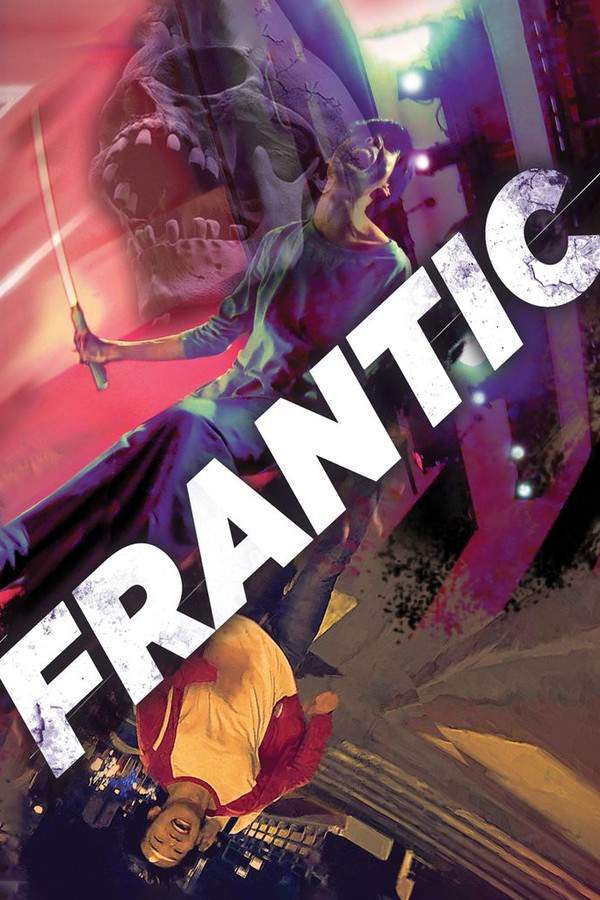
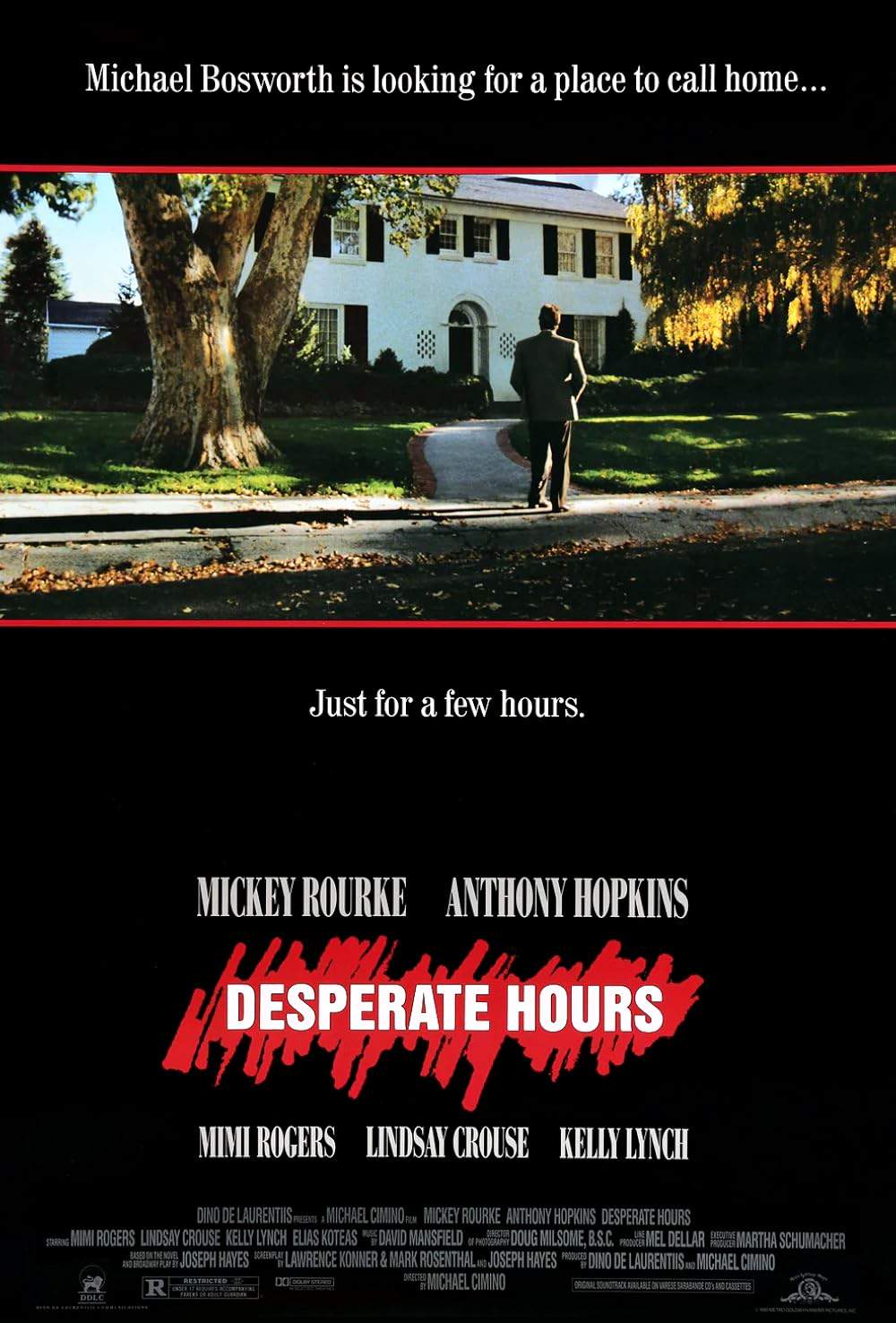
Frantic Noir Descent movies like Double Confession

A desperate protagonist's single-day spiral through a world of crime and deceit. Explore a curated list of films akin to Double Confession. If you loved the breakneck pacing and high-stakes spiral of this 1950s noir, discover other movies where a desperate plan sets off a tense, single-day cascade of danger and moral compromise.

  • suspenseful
  • anxious
  • fatalistic
  • desperate
  • high-stakes
  • relentless
  • Tone: tense, cynical, fatalistic
  • Pacing: fast, frantic, relentless
Why these movies?

The story pattern: Stories in this thread typically follow a protagonist who, driven by revenge or desperation, initiates a dangerous game. Their plan immediately backfires, pulling them into a series of escalating confrontations with criminals and authorities over a very short period, often just a day. The narrative is linear and tightly focused on survival and untangling the web they've created.

Why they belong together: These movies are grouped together because they share a specific, high-tension narrative structure. They combine a fast pace with a morally ambiguous tone, focusing on the chaotic fallout of a single, catastrophic choice. The shared experience is one of relentless suspense and a protagonist pushed to their limits.

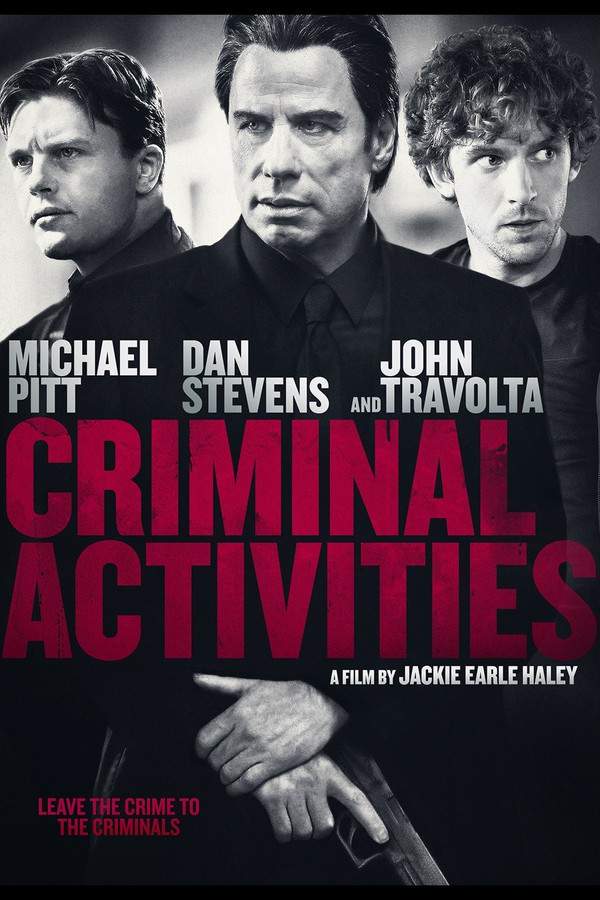
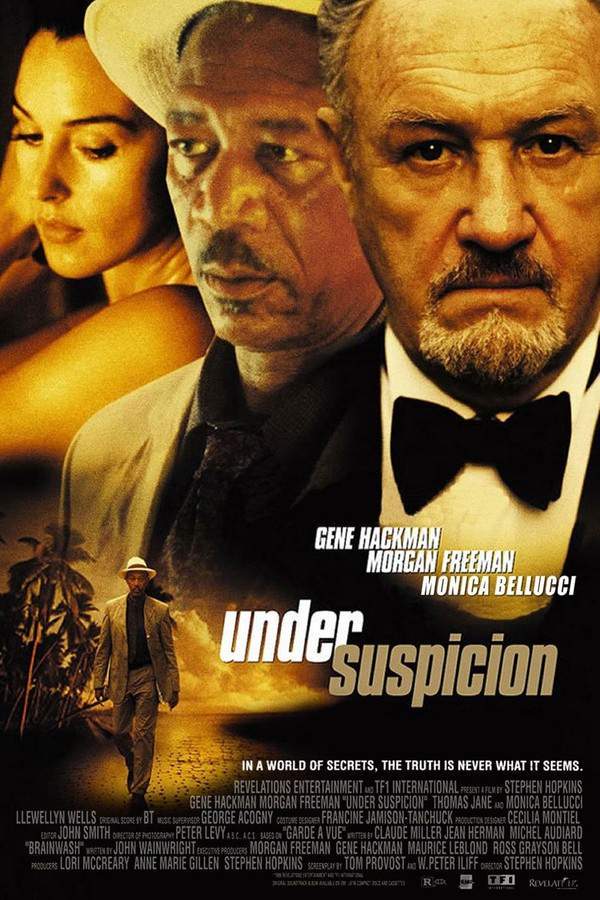
Morally Murky Crime Investigation movies like Double Confession

Twisted investigations where the truth is obscured by personal motives and lies. Find movies similar to Double Confession's tangled web of deceit. If you enjoyed the complex interplay of a police investigation, a revenge plot, and criminal conspiracies, this list features other thrillers where solving the crime means navigating a landscape of moral ambiguity and personal betrayal.

  • unsettling
  • suspenseful
  • moral ambiguity
  • deceit
  • dysfunctional relationships
  • investigation
  • Tone: unsettling, tense, cynical
  • Pacing: steady, intricate
Why these movies?

The story pattern: The narrative pattern involves a central crime, typically a murder, that serves as a catalyst. The investigation is not a straightforward procedural; instead, it is constantly complicated by the protagonists who are actively manipulating events or withholding information. The focus is on the psychological tension between the official investigation and the personal vendettas playing out alongside it.

Why they belong together: This thread unites films that prioritize moral complexity over simple whodunit puzzles. The shared core is a crime story where the investigation's path is twisted by the characters' dysfunctional relationships and selfish motives. The appeal lies in the unsettling feeling that the truth is subjective and justice may be compromised.

If you liked this

Movies Like Double Confession

Similar movies to Double Confession: the same genre, themes or kind of story. Each one comes with its own plot summary, timeline and ending explained.

Browse all movie summaries

Every angle

Double Confession (1950) Explained: Plot, Timeline & Characters

Everything about Double Confession in one place: what happens in the plot summary, the timeline in chronological order, the characters and meaning and a spoiler-free summary. What's After the Movie adds the cast, box office and post-credit scenes.

Coming soon on iOS and Android

The Plot Explained Movie Summary App

Plot summaries, endings explained and timelines on your phone. Catch up on any movie in minutes, save your favorites and never miss a twist again.

Be the first to know when we launch. Your email stays private, always.

Learn more about the app