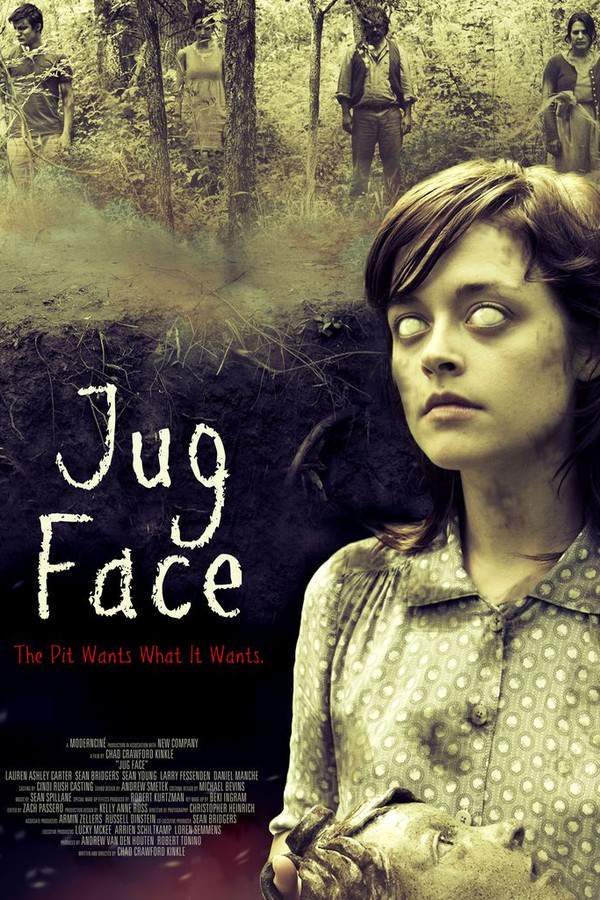
Miss Carol is an idealistic teacher in a remote, one-room schoolhouse set against the rugged backdrop of the Ozarks. A native of these hills, she dedicates herself to ending the cruel practice of child marriage, where older men wed teen or preteen girls. Her earnest crusade quickly stirs resentment among some local men, led by Jake Bolby, a man who views her efforts as a direct challenge to the town’s old ways. The clash between progressive ideals and entrenched tradition unfolds in a community that is wary of change, yet not immune to the dramatic consequences of failing to protect its children.
One night the tension comes to a head when Bolby drags Miss Carol into the woods and ties her to a tree, intending to tar and feather her as punishment for speaking out. The act of violence is interrupted by the timely arrival of Angelo the dwarf and Ira Colton, who come armed with a shotgun and force the would-be mob to retreat. The danger Miss Carol faces is a stark reminder of how fear and control can threaten even the most steadfast advocates for reform.
Shortly after, Bolby’s predatory interest shifts to the Colton family when he spots young Jennie Colton while she swims near the Colton property. With her father dead, Bolby sees an opportunity to leverage Jennie’s situation for his own gain. He uses the death of her father as a weapon, pressuring Jennie’s mother, Ma Colton, to consent to the marriage by coercive means and threatening that he will see Jennie hanged for murder if she resists. To sweeten the bargain, he tries to win Jennie over with a doll, a troubling symbol of manipulation veiled as courtship.
The wedding itself takes place under the shadow of illegality, as the story notes that child marriage had been banned only days earlier. Yet this legal wrinkle becomes moot in the heat of the moment, as Bolby’s advance toward consummation is thwarted not by law but by the decisive intervention of Angelo, who shoots Bolby to end the threat once and for all. The violent confrontation marks a grim turning point, underscoring the precariousness of reform in a community resistant to change.
In the wake of Bolby’s death, Jennie leaves his house with Freddie Nulty, stepping away from a perilouś alliance and toward an uncertain future. The narrative threads together themes of courage, community resistance, and the cost of protecting vulnerable young people when tradition and fear collide. The film’s steady, restrained tone invites viewers to reflect on the impact of isolated acts of cruelty and the resilience of those who advocate for a safer, fairer world for children.