Plot Explained Spoilers guaranteed!
Plot Explained

Browse by genre

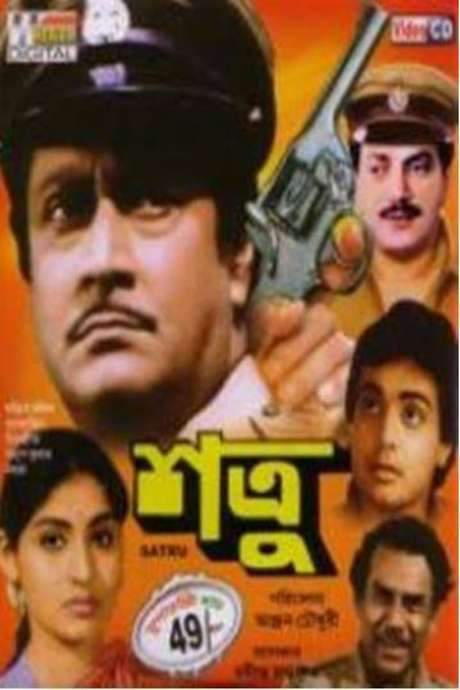
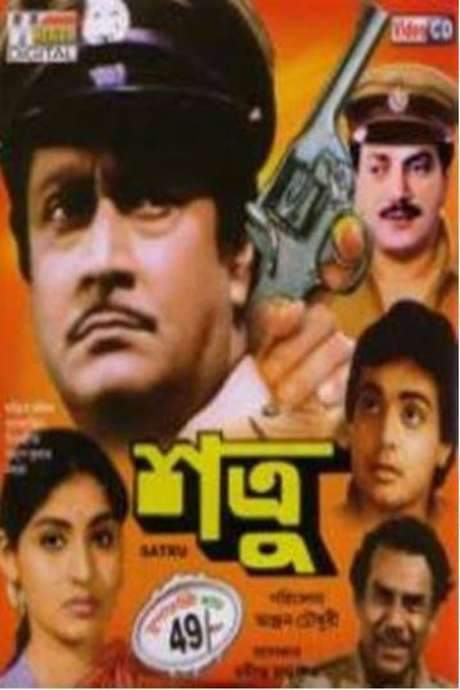
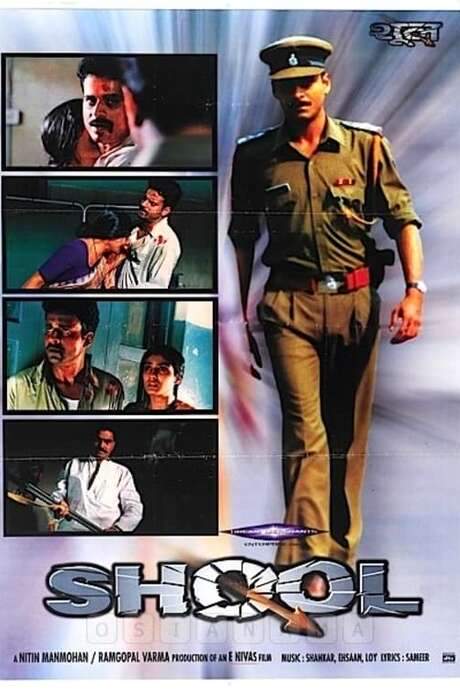
Shatru (1986) movie poster

Plot Summary

Shatru (1986) Plot Summary Explained

Release, runtime and language
1986 · 150 mins · Bengali, Bangla
Directed by
Anjan Choudhury
Starring
Biplab Chatterjee, Prosenjit Chatterjee, Shakuntala Barua, Dilip Roy, Manoj Mitra, Chiranjeet Chakraborty

Inspector Ashok Sharma is posted to a distant police station, where he rescues a blind man and a widow before confronting strongman Nishikant Shah. When Shah discovers the fighter is the new inspector, his conciliatory visit is rejected. Shah and the MLA then fabricate false charges, accusing Ashok of killing a detainee and endangering his career.

On this page (5)
  1. 1 What happens: full plot
  2. 2 Plot questions answered
  3. 3 Movie threads
  4. 4 Movies like Shatru
  5. 5 Every angle

Full plot summary · contains spoilers

What Happens in Shatru: Full Plot Summary

The whole story of Shatru (1986) explained, from the opening scene to the final frame: every key event, every twist and what it all adds up to. Read it as a quick recap before the sequel, to check a scene you missed, or to finally understand what really happened.

Haridaspur sits quietly as the backdrop when Inspector Ashok Sharma arrives to serve the community with vigilance and care. Right from the start, he steps in to protect those in need, pulling a blind man from danger and guiding a widow to safety. This compassionate courage soon draws him into a tense confrontation—a fist fight with Nishikant Shah, Manoj Mitra and his men. The clash leaves a mark, and the next day the village learns that the person who faced Shah’s henchmen was Ashok himself.

Shah, seeking to smooth things over, visits for a reconciliation, but Ashok refuses to bow to coercion or pretend nothing happened. As a chain of events unfolds, Ashok uncovers the depth of corruption around him: the misdeeds of Nishikant Shah and the powerful MLA Gopal Choudhary. The truth fuels a growing resolve in Ashok to protect the people of the village from being trampled by the wealth and influence of the few.

Seeking a place to stay while he does this essential work, Ashok becomes a paying guest at the home of a girl named Asha. There, he finds a new sense of belonging and slowly forms a bond with Chotu, an orphan child who lives in the village. Chotu’s father had been a loyal farmer who was exploited and killed by Nishikant’s associates, a tragedy that hardens Chotu’s resolve to seek justice.

Chotu’s vow to avenge his father’s death intensifies the stakes, as Shah and his ally Choudhary craft a plan to undermine Ashok. They manipulate circumstances to paint Ashok as the perpetrator of a death that occurs while he is in custody, a tactic designed to ruin his reputation and cost him his job. The calculated deception tests Ashok’s integrity and resilience, forcing him to navigate a treacherous web of politics, power, and personal risk.

Throughout the ordeal, Ashok remains determined to stand up for the villagers and to shield those who cannot defend themselves. The story threads together themes of sacrifice, corruption, and the quiet strength of a man who chooses duty over self-preservation. In the end, the village is left to weigh the costs of standing up to entrenched interests, and Ashok’s mission to protect the vulnerable endures as a testament to courage in the face of oppression.

Last updated: February 18, 2026 at 23:44

Was this helpful?

Plot questions answered

Shatru Plot Explained: Your Questions Answered

The questions people ask most about Shatru (1986): what happens in the confusing scenes, why the characters do what they do, the twists, hidden details and what the ending means. Each answer contains spoilers.

Q1

Why did Inspector Ashok refuse Nishikant Shah's reconciliation offer?

Ashok refused because he understood that Shah's reconciliation was not genuine, it was an attempt to coerce him into ignoring the corruption and exploitation affecting the village. Having already witnessed Shah's mistreatment of the blind man and widow, Ashok recognized that pretending nothing happened would betray his duty as a police officer.

Foreshadowing: This refusal is foreshadowed by Ashok's immediate action to protect vulnerable residents upon his arrival, showing his commitment to justice over compromise.

  • reconciliation
  • corruption
  • coercion
  • village protection
Q2

How was Chotu's father killed and why?

Chotu's father was a loyal farmer who was exploited by Nishikant Shah's associates and then killed. The men took advantage of his vulnerability as a farmer dependent on local power holders, ultimately murdering him, a fate that many villagers feared would repeat itself if anyone stood up to Shah.

Foreshadowing: Chotu's tragic backstory is hinted at early when Ashok bonds with him, as the orphan child already carries deep resentment toward the powerful men controlling the village.

  • farmer
  • exploitation
  • murder
  • villagers
Q3

Why did Nishikant Shah and MLA Choudhary frame Inspector Ashok?

Shah and Choudhary framed Ashok because he posed a threat to their corruption and exploitation of the village. After learning about their misdeeds and refusing to be appeased, Ashok became a liability. By making it appear that Ashok caused a death while a detainee was in his custody, they hoped to destroy his credibility and remove him from their path.

Foreshadowing: The framing is set up when Ashok uncovers their crimes and commits to protecting the villagers, which directly threatens Shah and Choudhary's control.

  • framing
  • conspiracy
  • police misconduct
  • villagers
Q4

How did Shah and Choudhary manipulate circumstances to frame Ashok?

Shah and Choudhary manipulated events to make it seem as though Ashok was responsible for a death that occurred while a man was in his custody. They likely staged or misrepresented the incident to paint Ashok as the perpetrator, using their political influence to spread rumors and damage his reputation among both villagers and authorities.

Foreshadowing: The scheme was prepared after Ashok refused reconciliation and began actively opposing their corruption, giving them clear motive to eliminate him.

  • manipulation
  • death in custody
  • rumors
  • politics
Q5

What happened to Inspector Ashok at the end of the movie?

Ashok lost both his job and his hard-won reputation. The calculated framing succeeded in tarnishing his image in the eyes of the villagers and his superiors, leaving him at a personal and professional low point. His mission to protect the vulnerable was derailed by the very corruption he fought against.

Foreshadowing: This downfall is foreshadowed by the meta notes describing a tragic ending with the hero's destruction through psychological and systemic means.

  • job loss
  • reputation
  • defeat
  • village
Q6

Why did Chotu vow to avenge his father's death?

Chotu vowed revenge because he witnessed his father, an honest farmer, being exploited and murdered by Shah's associates with no justice served. This personal tragedy hardened his resolve to seek justice outside the law, adding a layer of personal vendetta that intertwined with Ashok's public fight against corruption.

Foreshadowing: Chotu's vow is rooted in the backstory revealed when he shares his father's fate with Ashok, showing the deep impact of the villains' actions on the village's families.

  • revenge
  • orphan
  • father
  • villagers
Q7

Why did the villains target Ashok specifically?

Ashok became a target because he was the first authority figure in years to actively oppose their exploitation of the village. By rescuing the blind man and widow, fighting Shah's men, refusing reconciliation, and then uncovering their crimes, he demonstrated that he would not be intimidated or bought off, making him a dangerous obstacle to their control.

Foreshadowing: The target on Ashok's back is established the moment he stands up to Shah's henchmen on his first day, signaling that he will not tolerate injustice.

  • honest officer
  • intimidation
  • corruption
  • village
Q8

What was the significance of Ashok staying at Asha's house?

Ashok became a paying guest at Asha's house to integrate into village life while continuing his work. This arrangement gave him proximity to the villagers and allowed him to form the bond with Chotu that would later influence his choices. It also symbolized his commitment to living among the people heprotecting rather than remaining distant.

Foreshadowing: This living arrangement was the natural next step after Ashok decided to help the village, showing his transition from outsider officer to invested community member.

  • paying guest
  • village life
  • bonding
  • integration
Q9

Why did Inspector Ashok immediately rescue a blind man and a widow?

Ashok rescued them because protecting vulnerable people was integral to his sense of duty as a police officer. His arrival in Haridaspur coincided with witnessing these people in danger, and his immediate action established his character as someone who will not stand by when innocents are threatened, regardless of who the perpetrators are.

Foreshadowing: These rescues immediately set up the conflict with Shah, as the villains were the ones threatening the village's most defenseless residents.

  • blind man
  • widow
  • vulnerable
  • rescue
Q10

What form of corruption and exploitation did Shah and Choudhary inflict on Haridaspur?

Shah and MLA Choudhary exploited the villagers through economic power and political influence, taking advantage of farmers and vulnerable residents. Chotu's father was a prime example, a loyal farmer who was used and then killed when he became inconvenient. The villagers lived in fear, too intimidated to resist the few powerful men controlling their lives.

Foreshadowing: The nature of their exploitation is revealed through Chotu's backstory and the villagers' widespread fear, which explains why no one had challenged them before Ashok arrived.

  • farmers
  • exploitation
  • political power
  • fear

Movie threads

More Movies Like Shatru, by Mood & Story

Curated lists built around what makes Shatru tick: the same mood, the same kind of story or the same emotional payoff. Each list explains why these movies belong together.

Movies about corrupt systems crushing idealists like in Shatru

Stories where an honest individual is destroyed by pervasive and inescapable corruption. Explore films like Shatru where an honest protagonist confronts an overwhelmingly corrupt system. For viewers who appreciate gritty crime dramas featuring moral conflict, social injustice, and bleak, disheartening endings.

  • gritty
  • corrupt
  • disheartening
  • oppressive
  • vengeful
  • moral conflict
  • Tone: dark, gritty, disheartening
  • Pacing: steady, methodical
Why these movies?

The story pattern: These narratives typically follow a clear arc: an idealistic character enters or confronts a corrupt institution. Their initial attempts to fight back are met with systemic resistance, leading to their professional and personal ruin, often through false accusations or psychological destruction, culminating in a sense of hopelessness.

Why they belong together: Movies are grouped here for their shared focus on the theme of systemic corruption as an unbeatable foe, a steady pacing that builds a sense of inevitability, and a uniformly dark tone leading to a sad ending with heavy emotional weight.

Gritty noir films with a mood of despair like Shatru

Bleak crime stories where the world offers no justice, only resignation. Find movies with a similar oppressive mood to Shatru. If you liked the gritty realism, corrupt world, and heavy sense of injustice, these films capture that same bleak, disheartening crime drama atmosphere.

  • noir
  • gritty
  • bleak
  • oppressive
  • corrupt
  • disheartening
  • Tone: dark, oppressive, bleak
  • Pacing: steady, deliberate
Why these movies?

The story pattern: The narratives in this thread are often straightforward, focusing on a central moral conflict within a corrupt world. The journey is less about a complex plot and more about the emotional and psychological toll on the characters, leading to an ending that reinforces the cynical, oppressive nature of their environment.

Why they belong together: These films are united by their shared dark and gritty tone, high emotional intensity, and a pervasive sense of bleakness. The viewing experience is defined by feelings of oppression, injustice, and a resigned acceptance of a broken world.

If you liked this

Movies Like Shatru

Similar movies to Shatru: the same genre, themes or kind of story. Each one comes with its own plot summary, timeline and ending explained.

Browse all movie summaries

Every angle

Shatru (1986) Explained: Plot, Timeline & Characters

Everything about Shatru in one place: what happens in the plot summary, the timeline in chronological order, the characters and meaning and a spoiler-free summary. What's After the Movie adds the cast, box office and post-credit scenes.

Coming soon on iOS and Android

The Plot Explained Movie Summary App

Plot summaries, endings explained and timelines on your phone. Catch up on any movie in minutes, save your favorites and never miss a twist again.

Be the first to know when we launch. Your email stays private, always.

Learn more about the app