Richard Thomas Gibson is a new art teacher at a high school. Glenn Close as Cornelia Engelbrecht, a history teacher, invites him to see a painting of a young girl that she insists is a genuine Vermeer. She then weaves a series of stories around the artwork, telling them as flashed memories that travel through time. The tales are presented in a deliberately non-linear order, each one peeling back another layer of the painting’s mystery while moving through the Netherlands and its people across centuries. The narrative voice shifts between the present classroom setting and the shifting textures of memory, with the painting acting as a portal to long-buried lives and choices.
The first thread takes us to the late 1800s, a period ripe with romance and risk. The story unspools with romantic currents amid a social landscape that complicates loyalty and art’s allure. Within this tale, memories echo within memories, a nested storytelling device that deepens the sense that the painting has traveled through many hands and many eras, each layer adding motive and consequence to the lives intertwined with it.
A second thread carries us further back to the early 1700s, a time of floods and fragile borders. In this tale a baby is abandoned during a catastrophic dike breach, and the painting accompanies the infant on a perilous journey. The intention behind the infant’s fate—enduring hardship to secure care or prospects—frames the painting as both a witness and a talisman, carried from one desperate moment to the next in the hope that it will eventually find a rightful home or purpose.
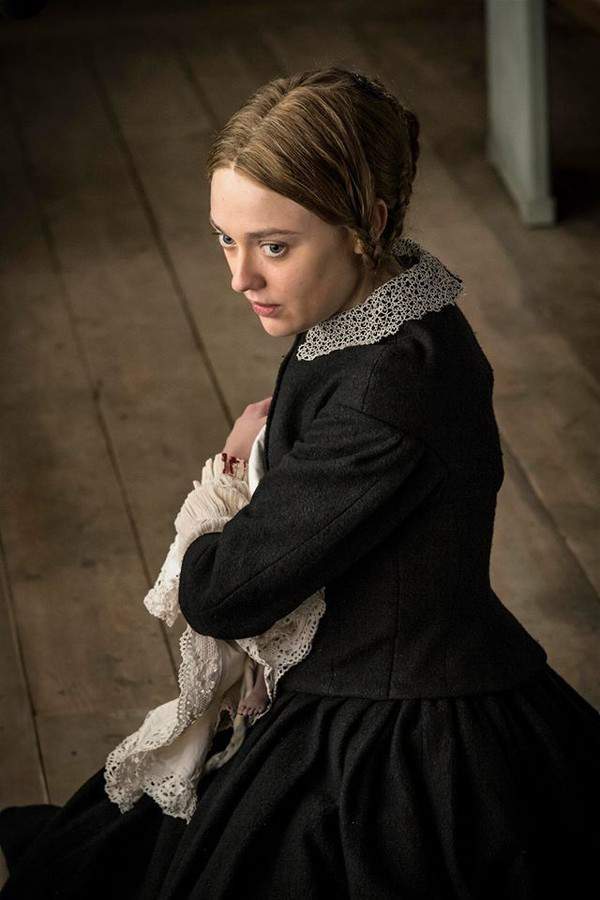
The next vignette centers on a man who leaves university to work with the heavy machinery that maintains the dikes. He becomes entangled with a servant girl who is punished by being placed in stocks, a punishment that exposes harsh social hierarchies of the time and reveals, in a startling turn, the origins of the baby’s story. This piece deepens the connection between labor, punishment, and the fragile line between art’s beauty and the harsher realities that shaped the painting’s journey.
A very brief segment follows, focusing on a woman who fails to win a bidding war at auction but seems to know more about the painting than the auctioneer. The fragment hints at concealed knowledge and a more intimate grasp of the artwork’s provenance, suggesting that the painting’s truth has always been guarded by those who understood its significance.
Another short piece explains how Vermeer himself came to paint the girl’s portrait, offering a hinge between the artist’s craft and the painting’s perceived authenticity. The tale connects the technical mastery of light and texture with the painting’s mystique, inviting the present-day observer to reconsider what makes an artwork verifiable and powerful across time.
In the concluding frame, Cornelia explains how she herself came into possession of the painting, tying together the dispersed narratives into a single, personal arc. The revelation reframes the object not merely as a masterpiece of technique, but as a vessel carrying legacies of love, loss, ambition, and the human longing to preserve what matters most.
> A mystery hidden for generations. Now the truth will finally be revealed.