
The Nose or Conspiracy of Mavericks
Year: 2020
Runtime: 89 mins
Language: Russian
This film explores 20th-century Russia, focusing on the period following the Russian Civil War and the subsequent merging of the Party and the state. This union led to widespread corruption and the suppression of both left and right-wing opposition groups. The narrative blends historical settings with biographical accounts and showcases works from prominent Russian avant-garde artists, composers, and writers of the era, offering a vivid portrayal of a complex and transformative period.
Warning: spoilers below!
Haven’t seen The Nose or Conspiracy of Mavericks yet? This summary contains major spoilers. Bookmark the page, watch the movie, and come back for the full breakdown. If you're ready, scroll on and relive the story!
The Nose or Conspiracy of Mavericks (2020) – Full Plot Summary & Ending Explained
Read the complete plot breakdown of The Nose or Conspiracy of Mavericks (2020), including all key story events, major twists, and the ending explained in detail. Discover what really happened, and what it all means.
On a sunlit airport tarmac, a large Aeroflot jet begins its ascent into the open sky, carrying a remarkable cohort of Russian theater and cinema luminaries. Inside, the passengers settle in for a flight that doubles as a moving stage: each person watches a different classic on the in-flight entertainment, and as the camera sweeps through the cabin, time itself seems to fold and fuse into a single, dreamlike tapestry. The film uses this airborne setting to meld distinctive epochs into one ongoing meditation on art, power, and memory.
The journey kicks off with the figure of Nikolai Gogol arriving in St. Petersburg around 1828, where he sits to write the famous tale The Nose. This early segment establishes a mood of whimsy and menace, where the boundaries between author, character, and fate feel porous and alive. The story of the missing nose becomes a mirror for questions about identity, social rank, and the fragility of artistic authority.
As the flight of time continues, the narrative threads shift forward to the 1920s, when the composer Dmitri Shostakovich begins work on an adaptation of Gogol’s novella. In this era snapshot, he encounters the theater innovator Vsevolod Meyerhold, and a budding collaboration seems to take shape, suggesting that art might still find space to breathe even under shifting political currents. The interplay between music, theater, and literature here is treated with a careful, almost clinical tenderness, inviting viewers to consider how collaboration can both elevate and threaten artistic vision.
Within this evolving mosaic, a figure known as Major Kovalyov steps into the foreground, tethered to the Gogolian world where the missing appendage of social status becomes a source of comic yet piercing anxiety. The Nose itself—quite literally—escapes control: it dons spectacles, struts through scenes, and even appears inside a luxury car, a moving symbol of how appearances, authority, and personal fate can sprawl beyond the control of the person who claims them.
A vivid scene unfolds at the Bolshoi, where an opera—featured against a backdrop of a Bulgakov-inspired piece—draws a cadre of Stalinist officials, including the figure of Zhdanov, into the theater’s orbit. The gathering underscores how culture can be pressed into service or surveillance by those who wield political power, turning art into a site of negotiation, spectacle, and tension. The entourage is present, in part, because a letter from a playwright laments the lack of patronage for the arts, highlighting how patronage, prestige, and censorship ride side by side in this historical landscape.
The mood intensifies when a day later Pravda publishes an editorial titled “Muddle Instead of Music,” a pointed critique aimed at Meyerhold and Shostakovich. The editorial thread reveals how swiftly cultural figures can be drawn into political campaigns, and how public opinion can be weaponized in the battle over what counts as legitimate, patriotic art. The film does not shy away from showing the damage and paranoia that accompany such campaigns, while continuing to weave these strands into its overarching meditation on creativity under constraint.
In its final movement, the piece widens its lens in Part 3 to tell the broader story of Meyerhold and, more generally, the fates of writers, scientists, and artists who navigate life under an authoritarian government. The meta-narrative keeps circling back to the tension between vision and control, between the impulse to experiment and the pressures to conform, offering a panoramic view of how culture endures—sometimes defiantly, sometimes fragiledly—through generations of upheaval.
The film is anchored by a powerful ensemble of performers who bring these eras to life. The performances by Chulpan Khamatova, Yuri Rost, Andrey Khrzhanovsky, and Dmitry Krymov lend texture and humanity to the mosaic, grounding the abstract ideas in the lived reality of artists who have shaped Russian stage and screen. Their presence helps the audience feel the intimate stakes behind the sweeping historical panorama, turning a conceptual voyage into a human one.
Overall, the work invites viewers to reflect on how art can travel across time and politics, how memories of writers and performers persist, and how a single idea—whether a nose, a note, or a line of dialogue—can become a beacon or a liability in the broader theatre of history. The film’s quiet curiosity, its patient layering of scenes, and its reverent yet unflinching gaze create a distinctive, thought-provoking odyssey through culture, censorship, and resilience.
Last updated: March 05, 2026 at 18:40
The Nose or Conspiracy of Mavericks (2020) Plot Questions Answered – Summary FAQ
Explore frequently asked questions about The Nose or Conspiracy of Mavericks (2020) with spoiler-rich answers covering the full plot summary, major story beats, character motivations, hidden details, and ending meaning. This movie summary FAQ helps explain confusing scenes, plot twists, and narrative decisions in clear, searchable detail.
Why does the Nose leave Major Kovalyov?
The Nose leaves Kovalyov because in Gogol's satirical tale, it gains independent existence and social status beyond its owner. The Nose literally escapes Kovalyov's control, dons spectacles, travels in luxury cars, and achieves a higher rank than Kovalyov himself. This surreal element serves as Gogol's commentary on identity, social hierarchy, and how one's status or appendages can take on a life of their own, becoming more powerful than the person they belong to.
The whimsical tone established when Gogol arrives in St. Petersburg hints at the porous boundaries between reality and absurdity that will define the Nose storyline.
What is the Pravda editorial 'Muddle Instead of Music'?
"Muddle Instead of Music" is a real historical Pravda editorial published in 1936 that attacked Shostakovich's opera "Lady Macbeth of Mtsensk." In the film, this editorial targets both Meyerhold and Shostakovich, representing how the Soviet regime used state media to police artistic expression. The editorial exemplifies the broader campaign against experimental art and demonstrates how cultural figures could be swiftly drawn into political campaigns that threatened their careers and freedoms.
The Bolshoi scene with Zhdanov and Stalinist officials establishes the political pressure on artists that culminates in the Pravda attack.
Who is Vsevolod Meyerhold in the film?
Vsevolod Meyerhold was a pioneering Russian theater director and innovator who appears in the 1920s-1930s portion of the film. He represents the conflict between artistic experimentation and political conformity. The film shows his collaboration with Shostakovich and depicts his ultimate fate under Stalinist repression, Meyerhold was arrested in 1939 and executed in 1940. His story illustrates the broader theme of how authoritarian regimes suppress creative vision.
The early collaboration between Shostakovich and Meyerhold in the 1920s foreshadows the tragic consequences that unfold in the 1930s.
Why does the film use an Aeroflot flight as its framing device?
The Aeroflot flight serves as a metaphorical vessel that carries Russian theater and cinema luminaries through time. As the camera sweeps through the cabin where passengers watch different classic films, the boundaries between historical eras collapse into "a single, dreamlike tapestry." This device allows the film to seamlessly merge Gogol's 1820s, Shostakovich's 1920s, and the Stalinist 1930s into one continuous meditation on art, power, and memory, suggesting that history itself is a performance layered with both wit and tragedy.
The opening flight sequence establishes the film's non-linear, meta-narrative approach that weaves multiple eras together.
How is Shostakovich connected to Gogol's The Nose?
Shostakovich worked on adapting Gogol's novella "The Nose" into an operatic or theatrical work during the 1920s. The film depicts this creative endeavor as part of its broader exploration of how Russian artists across generations engage with classic literature. This adaptation represents the continuity of artistic interpretation, how different eras reinterpret classic works to reflect contemporary concerns, including the tension between artistic freedom and political constraint that defines both Gogol's time and Shostakovich's.
The early Gogol segment establishing the Nose's surreal journey sets up Shostakovich's later adaptation effort.
What is Zhdanov's role in the film?
Andrei Zhdanov was a Soviet politician and close associate of Stalin who appears at the Bolshoi Opera in the 1930s. He represents the state's direct involvement in cultural affairs. The scene shows Zhdanov and other Stalinist officials attending the performance, demonstrating how culture was placed under state surveillance. The "Zhdanov Doctrine" later formalized the party's control over artistic expression, and his presence at the Bolshoi foreshadows the increasing ideological pressure that led to the Pravda editorial attacking Meyerhold and Shostakovich.
The Zhdanov scene at the Bolshoi directly precedes and sets up the Pravda "Muddle Instead of Music" attack.
What does the Nose represent in Gogol's story?
The Nose symbolizes multiple things: social rank and bureaucratic power, the fragmentation of identity, and the absurdity of human attachment to status. By having the Nose achieve higher social standing than its owner, obtaining a rank superior to Major Kovalyov, Gogol creates a surreal satire on how society values position over the person who holds it. The Nose's independence also represents how aspects of ourselves can escape our control, becoming forces that rival or surpass our own authority.
The whimsical and menacing mood established in Gogol's arrival foreshadows the satirical depth of the Nose storyline.
Why does a letter about patronage for the arts matter in the film?
The letter from a playwright complaining about the lack of patronage for the arts serves as the catalyst that brings the Stalinist officials (including Zhdanov) to the Bolshoi performance. This dramatizes how art in Soviet Russia became intertwined with political patronage and surveillance. The letter highlights the precarious position of artists who depended on state support while being subject to state control, creating a system where requesting patronage also meant inviting ideological oversight.
The letter's complaint about patronage directly leads to the official attendance at the Bolshoi, setting up the chain of events leading to the Pravda editorial.
How does the film portray censorship under authoritarian rule?
The film portrays censorship through the arc of Meyerhold and Shostakovich, from their early 1920s collaboration and creative freedom to the 1930s crackdown symbolized by the Pravda editorial. It shows how artists initially found space to experiment, then faced increasing political pressure, public denunciation, and ultimately suppression. The narrative demonstrates that censorship operates through multiple mechanisms: direct bans, self-censorship, the weaponization of public opinion, and the physical elimination of artists. The film's sweeping scope across eras illustrates this as a persistent pattern in Russian cultural history.
The early collaborative scenes between Shostakovich and Meyerhold establish what is later lost to censorship and repression.
What connects the different historical eras in the film?
The different eras, the 1820s of Gogol, the 1920s of Shostakovich and Meyerhold, and the 1930s of Stalinist repression, are connected through recurring themes of art versus power, creative vision versus political conformity, and the fate of artists under authoritarian rule. The airplane framing device physically merges these time periods, suggesting that the struggles and triumphs of Russian artists across centuries form a continuous lineage. Characters and motifs (like The Nose) reappear or echo across periods, emphasizing how history repeats and how art persists through generational upheaval.
The meta-narrative structure from the opening flight sequence establishes that all these eras will be woven together into one tapestry.

Explore Movie Threads
Discover curated groups of movies connected by mood, themes, and story style. Browse collections built around emotion, atmosphere, and narrative focus to easily find films that match what you feel like watching right now.
Surreal Historical Allegories like The Nose or Conspiracy of Mavericks
Where the absurd and the tragic collide in re-imagined historical landscapes.If you enjoyed the blend of history and surrealism in The Nose or Conspiracy of Mavericks, explore more movies that use fantastical elements to dissect real-world events. These films offer intellectually rich and artistically bold perspectives on history, power, and memory.
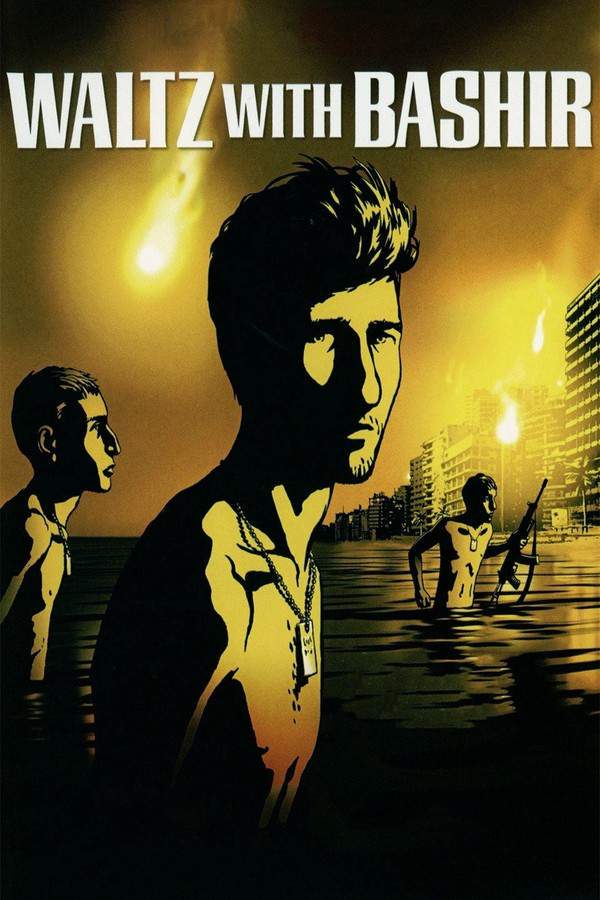
Waltz with Bashir
2008
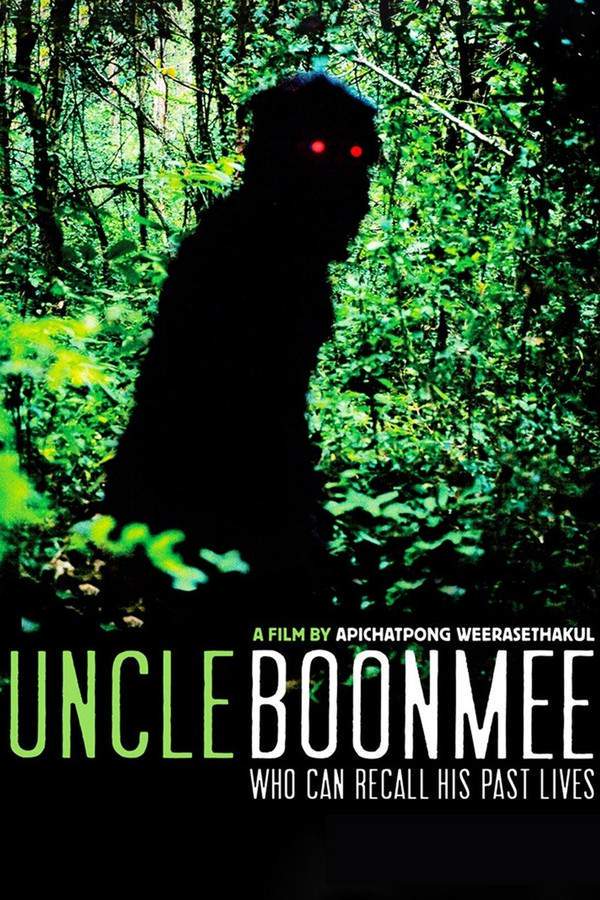
Uncle Boonmee Who Can Recall His Past Lives
2011
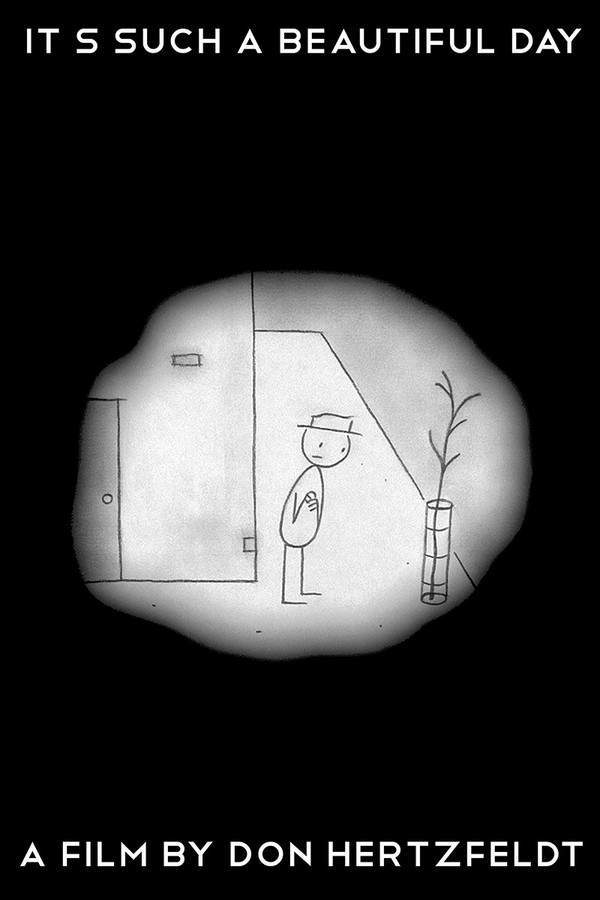
It's Such a Beautiful Day
2012
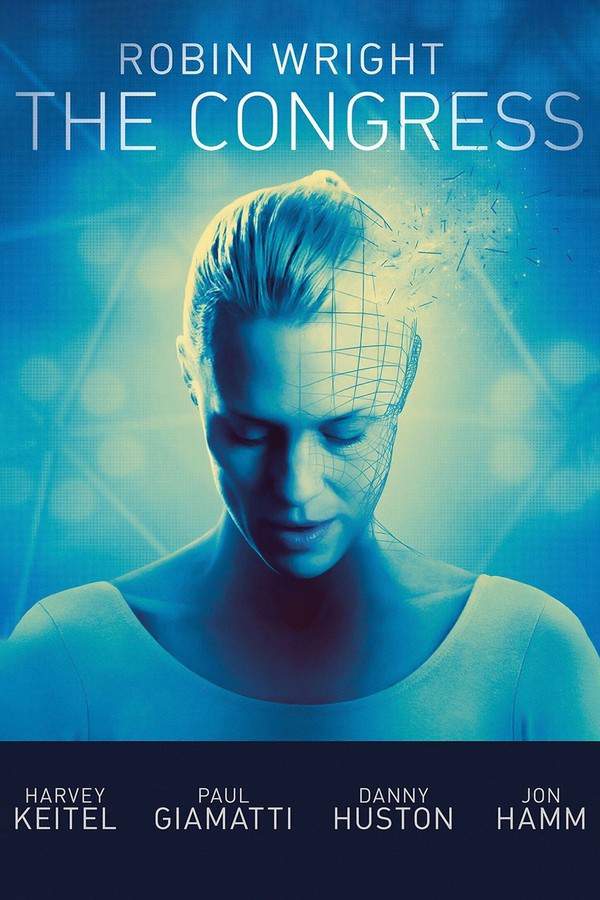
The Congress
2014
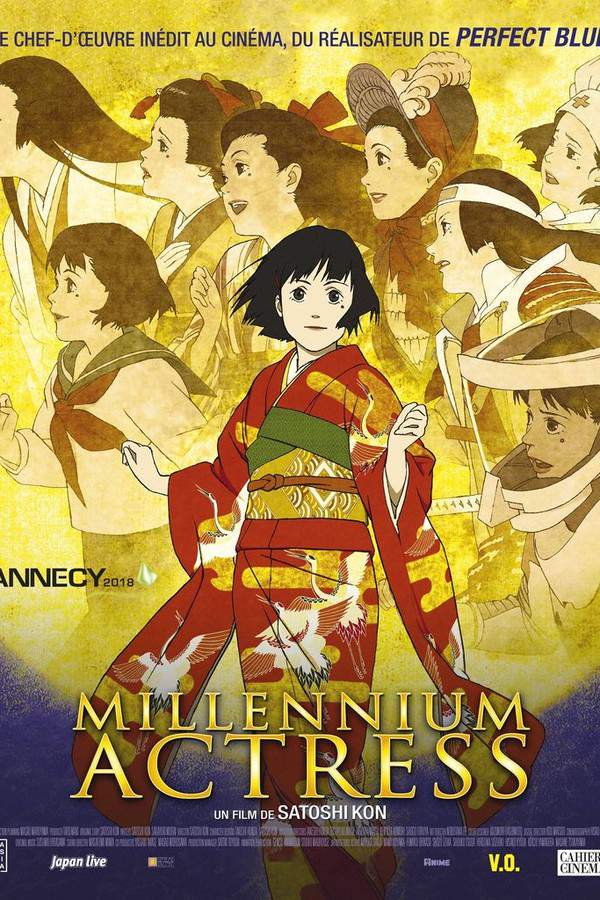
Millennium Actress
2003
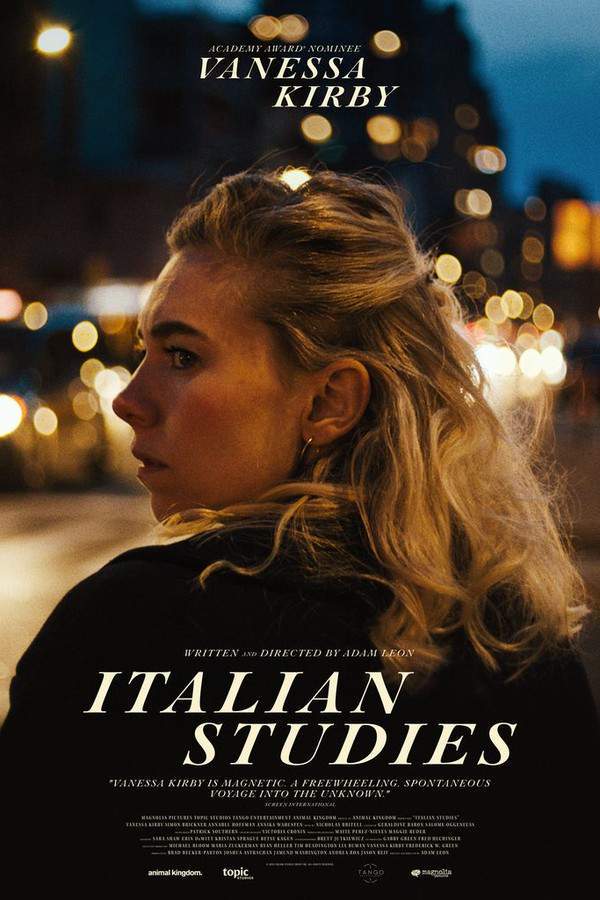
Italian Studies
2022
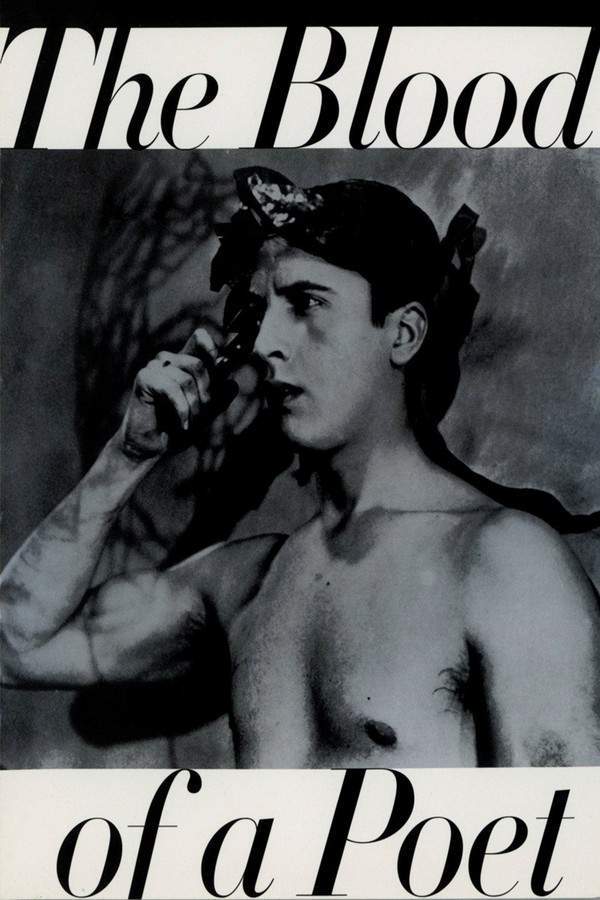
The Blood of a Poet
1933
-HOGtBZMKH4I3HQ.jpg)
Surviving Life (Theory and Practice)
2010

The Life of Budori Gusuko
2012

Tale of Cinema
2005

The Voice of the Moon
1990

An Egyptian Story
1982

Nouvelle Vague
1990
The Nose or Conspiracy of Mavericks
2020

Castle of Otranto
1977
Narrative Summary
Narratives in this thread often fragment or distort historical timelines, using symbolic characters and absurd events to critique political systems or explore collective trauma. The plot structure is typically non-linear, prioritizing thematic resonance over straightforward chronology.
Why These Movies?
These films are grouped by their shared approach of using surreal, dreamlike, or absurdist storytelling as a lens for historical and political commentary. They create a unique, intellectually demanding viewing experience that challenges conventional historical narratives.
Movies about Artists Under Oppression like The Nose or Conspiracy of Mavericks
Stories of creative spirits navigating the crushing weight of authoritarian rule.Fans of The Nose or Conspiracy of Mavericks will appreciate these stories about the struggle for artistic creation against political repression. Discover films that delve into the lives of creators facing censorship and the personal cost of making art under authoritarian regimes.
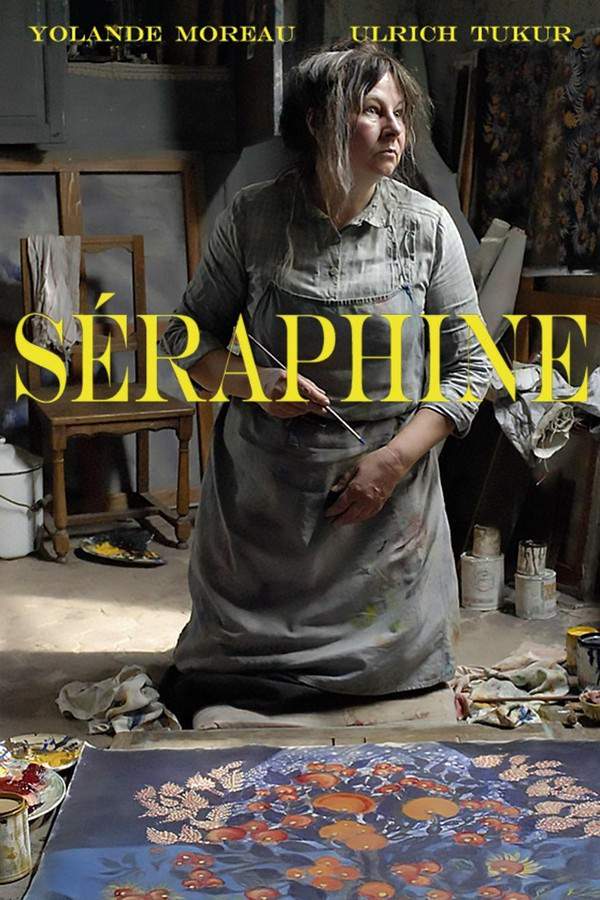
Séraphine
2009
The Artist
2011

11 Flowers
2013
Chagall-Malevich
2015
Frenchman
2004
Tale of Cinema
2005
Passion
1983

When Father Was Away on Business
1985

A King and His Movie
1986

Year of Enlightment
1986
The Nose or Conspiracy of Mavericks
2020

The Unbearable Lightness of the Revolution
2021

No Regrets for Our Youth
1946

The Great Consoler
1933

Mozart’s Sister
2024
Narrative Summary
The central conflict pits the protagonist's inner creative drive against external political forces. The journey often involves sacrifice, internal conflict, and a meditation on whether art can survive or meaningfully resist oppression, typically leading to a bittersweet or ambiguous resolution.
Why These Movies?
These movies share a powerful thematic core: the clash between individual creativity and systemic control. They evoke a specific melancholic and reflective mood, focusing on the emotional and intellectual toll of creating under duress.
Unlock the Full Story of The Nose or Conspiracy of Mavericks
Don't stop at just watching - explore The Nose or Conspiracy of Mavericks in full detail. From the complete plot summary and scene-by-scene timeline to character breakdowns, thematic analysis, and a deep dive into the ending - every page helps you truly understand what The Nose or Conspiracy of Mavericks is all about. Plus, discover what's next after the movie.
The Nose or Conspiracy of Mavericks Timeline
Track the full timeline of The Nose or Conspiracy of Mavericks with every major event arranged chronologically. Perfect for decoding non-linear storytelling, flashbacks, or parallel narratives with a clear scene-by-scene breakdown.

Characters, Settings & Themes in The Nose or Conspiracy of Mavericks
Discover the characters, locations, and core themes that shape The Nose or Conspiracy of Mavericks. Get insights into symbolic elements, setting significance, and deeper narrative meaning - ideal for thematic analysis and movie breakdowns.


