







Plot Explained Spoilers guaranteed!
Plot Explained

Browse by genre

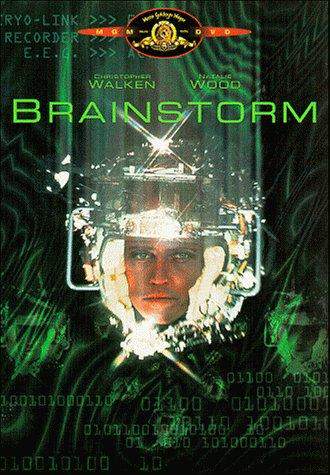
Brainstorm (1983) movie poster

Timeline

Brainstorm (1983) Timeline Explained – Every Event in Order

Release, runtime and language
1983 · 106 min
JustWatch #2,493 6
Directed by
Douglas Trumbull
Starring
Louise Fletcher, Christopher Walken, Natalie Wood, Jason Lively, Cliff Robertson, Alan Fudge

Researchers Lillian Reynolds and Michael Brace pioneer a revolutionary technology capable of recording and replaying human thoughts, emotions, and memories. As they delve deeper, the implications become increasingly unsettling, revealing the potential for misuse including government control and disturbing obsessions. The scientists must then grapple with the frightening possibility of facing their own mortality through the technology's unforeseen consequences.

On this page (6)
  1. 1 Where to watch
  2. 2 Events in order (13)
  3. 3 Timeline questions answered
  4. 4 Movie threads
  5. 5 Movies like Brainstorm
  6. 6 Every angle

Where to watch

Where to Watch Brainstorm (1983)

Where can you watch Brainstorm? Stream, rent or buy it in the US, including on YouTube Free, Amazon Video and Apple TV Store: current JustWatch availability with up-to-date prices.

Streaming availability powered by JustWatch

13 events in order · contains spoilers

Brainstorm Timeline: Events in Chronological Order

Every key event of Brainstorm (1983) in order, scene by scene, with when and where it takes place. Use it to untangle flashbacks, time jumps and parallel storylines, to refresh your memory before the sequel or to find the exact scene you are thinking of.

  1. Invention demo to investors

    The brain–computer interface is unveiled as a working prototype when the team demonstrates it to investors, following CEO Alex’s instruction. They reveal that the device can record sensations from a person’s brain on tape for others to experience. The demonstration sets the stage for funding and future development.

    Where
    R&D lab
  2. Karen records emotional experiences

    Karen dons the recorder while collaborating with Michael and Lillian in the lab, beginning the first actual recording session. They discover that the device captures emotional states along with physical sensations. This realization foreshadows ethical and personal consequences to come.

    Where
    R&D lab
  3. Michael shares memories with Karen

    Michael tapes memories of times with Karen and plays them back for her. Watching the memories brings them closer, sparking a long-awaited reconciliation between the estranged spouses. The recording demonstrates the potential of shared memories to repair relationships.

    Where
    R&D lab
  4. Military pressure and Landan's involvement

    Alex and the investors push to recruit Landan, a government contact with military ties, to accelerate the project’s development. Karen vehemently opposes turning the invention toward warfare or coercive use. The debate heightens tensions over the project’s direction.

    Where
    Boardroom
  5. Gordy’s risky use of the recorder

    Gordy uses the recorder during intimate contact and shares the tape with colleagues. Hal takes a segment and splices it into a continuous orgasm, creating sensory overload that forces Hal into retirement. The incident reveals how easily the technology can be misused and abused.

    Where
    Lab
  6. Lillian's heart attack and recording

    Lillian, a chain smoker with heart problems, suffers a heart attack while working alone. Realizing she may die, she records her experience so others can feel what she endures. The moment underscores the severe risks of broadcasting intimate physiological states.

    Where
    Lab
  7. Michael experiences Lillian’s memories

    Michael decides to play Lillian’s recording and nearly dies as his body relives the heart attack. He reconfigures his console to filter the physical output and replays the tape instead. As he watches, he sees memory bubbles—moments from Lillian’s life, including a humorous exchange with Michael, a surprise birthday party, and the disappointment when a project is canceled.

    Where
    Lab
  8. Gordy dies during playback

    Landan’s men monitor the playback while Gordy plugs in, ignoring warnings that Michael has modified the terminal. Gordy dies from experiencing Lillian’s heart attack, a stark reminder of the price paid for raw access to memories. The event pushes the project toward a dangerous brink.

    Where
    Research facility
  9. Chris’s psychotic break

    Hal cuts the playback short, intensifying Michael’s urge to see the full tape. Michael’s son Chris inadvertently views the memory and suffers a psychotic break that lands him in the hospital. The incident demonstrates the devastating, unintended consequences of exposing intimate memories to the vulnerable.

    Where
    Michael's home
  10. Confronting Alex and vow to destroy the project

    Michael confronts Alex about Project Brainstorm, accusing the project of enabling abuses and deaths. Alex denies knowledge of the program and informs him of Gordy’s death, further fueling Michael’s fury. Michael vows to destroy his work and enlists Karen and Hal to help.

    Where
    Company offices
  11. Pinehurst plan and sabotage

    Michael and Karen go to Pinehurst Resort, aware they are under surveillance, and stage a pretend reconciliation while Hal’s team tries to hack the Brainstorm system. Karen sabotages the robots manufacturing the interface terminals, triggering a cascading failure. The plan throws the plant into chaos as security collapses.

    Where
    Pinehurst Resort
  12. Plant chaos and arrest

    Karen disables security to allow the sabotage to proceed as Michael loads Lillian’s tape into the facility’s systems. The plant erupts into chaos and Robert orders Michael’s arrest. The escalation marks a turning point from corporate intrigue to outright crisis.

    Where
    Factory plant
  13. Final memory-tape revelation at Wright Brothers memorial

    Karen follows Michael to a phone booth at the Wright Brothers memorial, where the tape finally plays. Michael experiences an afterlife vision—hell, a journey through the universe, and a cosmic light—before collapsing. He awakens to Karen’s frantic pleas and, amid memory bubbles, whispers, 'Look at the stars' as their embrace carries them into the night.

    Where
    Wright Brothers memorial

Last updated: October 09, 2025 at 15:39

Was this helpful?

Timeline questions answered

Brainstorm Timeline Explained: Your Questions Answered

When does it happen, and why in that order? The questions people ask about the chronology of Brainstorm (1983): time jumps, flashbacks, cause and effect between scenes and the correct order of events, each answered with spoilers.

Q1

Why did Michael decide to play Lillian's memory tape after she died?

Michael played Lillian's recording to understand what she had recorded in her final moments. After Lillian suffered a heart attack and died, Michael was determined to see what she had captured, believing it might contain important information or insights. His curiosity drove him to risk his own life by experiencing her recorded death, which nearly killed him when his body physically relived her heart attack.

Foreshadowing: Earlier in the film, Lillian mentions she plans to record her experience, hinting at her intention to leave something behind.

  • michael brace
  • lillian reynolds
  • memory tape
  • death recording
  • near death experience
Q2

How did Gordy die from the Brainstorm technology?

Gordy died because he plugged into the modified playback terminal that Michael had altered to filter physical sensations. When Landan's men forced Gordy to experience Lillian's recording, the modified system allowed the full physical impact of her heart attack to pass through. Since Lillian died from the heart attack, experiencing her death recording directly caused Gordy's fatal cardiac event.

Foreshadowing: Earlier, Michael had modified his terminal specifically to filter out the dangerous physical effects, but this modification was not applied to the terminal Gordy used.

  • gordy
  • death
  • heart attack
  • lillian recording
  • fatal playback
Q3

Why did Chris have a psychotic break after viewing the memory tape?

Chris, Michael's young son, inadvertently viewed one of Lillian's memory recordings and suffered a psychotic break requiring hospitalization. The memory tape contained intense emotional and sensory content from Lillian's life, including powerful experiences like her near-death heart attack. The technology was not designed for a child's developing mind, and the overwhelming nature of adult memories, filled with complex emotions, trauma, and sensory overload, caused Chris to mentally collapse.

Foreshadowing: The film establishes that even trained adults could not safely handle certain recordings, with Hal already forced into retirement from sensory overload.

  • chris
  • psychotic break
  • hospitalization
  • memory tape
  • child trauma
Q4

What was Project Brainstorm and why was it dangerous?

Project Brainstorm was a secret military program designed to weaponize the brain recording technology. The project aimed to use the device for military applications, including potentially harvesting intelligence from captured operatives or weaponizing recorded experiences. Michael discovered that the technology could be turned into a tool for government control, surveillance, and psychological warfare, which is why he became determined to destroy his work.

Foreshadowing: Karen's earlier opposition to Landan's involvement foreshadows the military's interest in weaponizing the technology.

  • project brainstorm
  • military
  • weaponization
  • government
  • conspiracy
Q5

Why did Karen strongly oppose bringing Landan into the project?

Karen opposed Landan's involvement because she recognized the dangerous military implications of the technology. She understood that adding a government contact with military ties would push the project toward warfare and coercive applications rather than ethical uses. Her opposition was based on foresight that the technology could be weaponized, leading to the very abuses and deaths that later occurred.

Foreshadowing: The film shows Karen's ethical concerns early, contrasting with Alex's profit-driven approach to the technology.

  • karen
  • landan
  • military opposition
  • ethics
  • weaponization
Q6

What did Michael experience at the Wright Brothers memorial in the final scene?

When Michael played Lillian's complete tape at the Wright Brothers memorial, he experienced a transcendent afterlife vision. He saw hell, traveled through the universe, encountered angels and departed souls, and witnessed a cosmic Light. This mystical experience represented the full content of Lillian's recording, her own near-death journey and what lies beyond. After collapsing and nearly dying, he awoke to whisper "Look at the stars" to Karen, symbolizing hope and transcendence.

Foreshadowing: The memory bubbles Michael previously glimpsed hinted at the profound, personal nature of Lillian's recorded experiences.

  • wright brothers memorial
  • afterlife
  • cosmic vision
  • stars
  • transcendence
Q7

How did the Brainstorm technology capture emotions, not just physical sensations?

The Brainstorm device was originally designed to record physical sensations from the brain, but during the first recording session with Karen, the team discovered it also captured emotional states. When Michael played back his memories of times with Karen, she could feel not just the physical sensations but the emotional context, his love, longing, and affection. This dual capture of sensation and emotion was what made the technology so powerful and also so dangerous.

Foreshadowing: The demonstration to investors only showed physical sensation recording, but the actual testing revealed the deeper emotional dimension.

  • emotions
  • sensations
  • recording
  • technology
  • brain-computer interface
Q8

What were the memory bubbles Michael discovered in Lillian's recording?

Memory bubbles were self-contained moments from Lillian's life that existed within her recorded tape. When Michael modified his console to filter physical sensations, he could safely view these bubbles without dying. They contained significant personal memories: a playful exchange with Michael manipulating an industrial robot, a surprise birthday party, and the heartbreak when Alex canceled an earlier project. These bubbles represented the preserved essence of Lillian's life experiences.

Foreshadowing: The memory bubbles were hidden within the recording, accessible only after filtering out the deadly physical content.

  • memory bubbles
  • lillian
  • personal memories
  • recording
  • playback
Q9

Why did Michael nearly die when playing Lillian's recording the first time?

Michael nearly died because he played Lillian's recording without filtering the physical sensations. Since Lillian had recorded her actual death from a heart attack, when Michael experienced the tape, his body physically relived her cardiac arrest. He was only saved because he quickly realized the danger and modified his console to filter out the physical output before replaying the tape to safely view the memory bubbles.

Foreshadowing: Lillian's heart attack occurred offscreen, but she had mentioned recording her experience, suggesting she knew it might be fatal.

  • near death
  • heart attack
  • lillian
  • playback
  • danger
Q10

Why did Michael decide to destroy the Brainstorm technology?

Michael decided to destroy his creation after witnessing its devastating consequences: Gordy's death, his son's psychotic break, the military's weaponization attempts, and the overall potential for abuse. The technology had caused multiple deaths and severe harm, and Michael realized its existence posed too great a risk to humanity. He enlisted Karen and Hal to sabotage the facility and wipe the research, believing the world would be safer without it.

Foreshadowing: The escalating incidents throughout the film, from Hal's retirement to Gordy's death, progressively convinced Michael of the technology's danger.

  • destroy
  • sabotage
  • technology
  • ethics
  • michael brace
Q11

What happened when Gordy shared his intimate recording with colleagues?

Gordy used the Brainstorm recorder during sexual intimacy and shared the tape with colleagues, including Hal. Hal then spliced segments from the tape to create a continuous orgasm experience. However, this artificial continuous stimulation caused sensory overload in Hal, forcing him into retirement. This incident demonstrated how easily the technology could be misused for personal gratification rather than legitimate purposes.

Foreshadowing: The incident revealed the technology's potential for abuse beyond its original scientific and medical purposes.

  • gordy
  • sex tape
  • sensory overload
  • hal
  • misuse
Q12

Why did Karen pretend to reconcile with Michael at Pinehurst Resort?

Karen and Michael staged a pretend reconciliation at Pinehurst Resort while under surveillance by Landan's men. The ruse was designed to distract their watchers while Hal's team attempted to hack into the Brainstorm system. In reality, Karen secretly left for Hal's house to help with the sabotage operation. This deception was part of their plan to destroy the technology while evading detection.

Foreshadowing: Earlier scenes established that they were being watched, requiring creative tactics to proceed with their plan.

  • karen
  • michael
  • reconciliation
  • surveillance
  • sabotage
Q13

What was the meaning of the final scene with the memory bubbles drifting into the night?

The final scene shows Michael and Karen's embrace preserved inside a memory bubble, drifting into the night after Michael's transcendent experience. This visual represents their love and connection transcending physical death, the technology that began as a scientific breakthrough ultimately became a vessel for preserving human consciousness and emotional connection beyond mortality. The "Look at the stars" moment symbolizes hope, transcendence, and the enduring power of human experience.

Foreshadowing: The entire film built toward the question of whether consciousness and love can transcend death, which the memory bubble imagery answers affirmatively.

  • memory bubble
  • night
  • stars
  • love
  • transcendence

Movie threads

More Movies Like Brainstorm, by Mood & Story

Curated lists built around what makes Brainstorm tick: the same mood, the same kind of story or the same emotional payoff. Each list explains why these movies belong together.

Tech Ethics Thrillers like Brainstorm

Scientific breakthroughs create ethical dilemmas and life-or-death consequences. Explore movies like Brainstorm where scientific advancement creates a profound ethical crisis. These similar sci-fi thrillers feature groundbreaking technologies with dangerous implications, corporate or military conspiracies, and scientists grappling with the heavy consequences of their creations.

  • tense
  • unsettling
  • thought-provoking
  • paranoid
  • ethically complex
  • high-stakes
  • Tone: dark, tense, unsettling
  • Pacing: steady, escalating
Why these movies?

The story pattern: These narratives typically begin with a brilliant discovery, followed by escalating tension as its potential for misuse becomes apparent. Characters face external threats from powerful entities seeking to control the technology, as well as internal moral conflicts about their responsibility, often culminating in a desperate race to prevent catastrophe.

Why they belong together: Movies are grouped here based on their shared focus on the moral and existential dangers of science. They share a consistent tone of intellectual tension, high emotional stakes, and a serious exploration of how technology can outpace human ethics, creating a cohesive viewing experience for fans of speculative cautionary tales.

Existential Sci-Fi Movies like Brainstorm

Unsettling journeys into the human mind, mortality, and what it means to exist. Find films similar to Brainstorm that explore the unsettling nature of consciousness and memory. If you liked its deep dive into identity and mortality, you'll enjoy these atmospheric sci-fi stories that raise big questions about existence and leave a lasting emotional impact.

  • existential
  • unsettling
  • melancholic
  • atmospheric
  • mind-bending
  • philosophical
  • Tone: unsettling, melancholic, existential
  • Pacing: steady, atmospheric
Why these movies?

The story pattern: The narrative pattern involves characters using a technology or concept to explore or manipulate the human mind, leading to revelations that challenge their understanding of reality and self. The journey is internal and philosophical, often resulting in a bittersweet or melancholic resolution that acknowledges the profound, sometimes frightening, truths uncovered.

Why they belong together: These films are connected by their shared atmospheric mood of existential unease and their thematic focus on the mysteries of the mind. They prioritize a heavy emotional weight and a slow-burning, contemplative pace, offering a cohesive vibe for viewers seeking intellectually and emotionally challenging science fiction.

If you liked this

Movies Like Brainstorm

Similar movies to Brainstorm: the same genre, themes or kind of story. Each one comes with its own plot summary, timeline and ending explained.

Browse all movie summaries

Every angle

Brainstorm (1983) Explained: Plot, Timeline & Characters

Everything about Brainstorm in one place: what happens in the plot summary, the timeline in chronological order, the characters and meaning and a spoiler-free summary. What's After the Movie adds the cast, box office and post-credit scenes.

Coming soon on iOS and Android

The Plot Explained Movie Summary App

Plot summaries, endings explained and timelines on your phone. Catch up on any movie in minutes, save your favorites and never miss a twist again.

Be the first to know when we launch. Your email stays private, always.

Learn more about the app