Year: 1983
Runtime: 106 min
Director: Douglas Trumbull
Researchers Lillian Reynolds and Michael Brace pioneer a revolutionary technology capable of recording and replaying human thoughts, emotions, and memories. As they delve deeper, the implications become increasingly unsettling, revealing the potential for misuse including government control and disturbing obsessions. The scientists must then grapple with the frightening possibility of facing their own mortality through the technology's unforeseen consequences.
Warning: spoilers below!
Haven’t seen Brainstorm yet? This summary contains major spoilers. Bookmark the page, watch the movie, and come back for the full breakdown. If you're ready, scroll on and relive the story!
Read the complete plot breakdown of Brainstorm (1983), including all key story events, major twists, and the ending explained in detail. Discover what really happened—and what it all means.
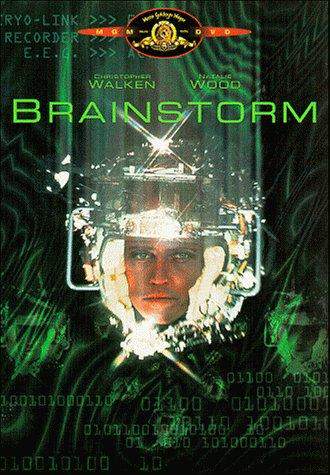
Scientists invent a brain–computer interface that records sensations from a person’s brain on tape for others to experience. The team includes estranged husband and wife Michael and Karen, as well as Michael’s colleague Lillian. Under CEO Alex’s direction, they demonstrate the device to investors to secure financing.
Karen dons the recorder while Michael and Lillian operate the system. When Michael plays the tape back, the group realizes that not only sensations but also emotions are captured. Michael records memories of times with Karen, sharing them with her, and this leads to their reconciliation.
Alex and his investors push to recruit Landan, who works for the federal government and has military ties, onto the team. Karen strongly opposes the plan to develop the invention for military use.
One team member, Gordy, has sex while wearing the recorder and shares the tape with colleagues, including Hal. Hal then splices a segment to form a continuous orgasm, causing sensory overload and forcing Hal into retirement. Tensions mount as the potential for abuse—beyond just the military-industrial complex—becomes clear.
Lillian, a chain smoker, suffers heart problems and has a heart attack while working alone. Realizing she is dying, Lillian records the experience.
Michael decides to play Lillian’s recording, but nearly dies when his body relives her heart attack. He modifies his console to filter the physical output and replays the tape, uncovering memory bubbles—moments from Lillian’s life. He witnesses Lillian’s memories, including a playful exchange with Michael as he manipulates an industrial robot, a surprise birthday party, and the heartbreak when Alex cancels an earlier project.
Landan’s men monitor the equipment while Michael plays Lillian’s tape. They have Gordy plug in, but Landan ignores warnings that Michael modified his terminal. Gordy dies from experiencing Lillian’s heart attack.
Michael’s playback is cut short by Hal, but witnessing the near-death experience increases his resolve to see the entire tape. Alex has the recording locked away and informs Michael he will not be allowed to view it. When Michael returns to work, he finds Landan and outside technicians going through his research records; Alex fires Michael and Karen.
Michael attempts to hack the lab’s computers. Hal urges him to search for “Project Brainstorm,” a military program designed to weaponize the invention. Michael accesses a tape in his den and abruptly stops, unsettled by its disturbing content. Even their son Chris views the tape, triggering a psychotic break that requires hospitalization. Alex visits, and Michael confronts him about Project Brainstorm, blaming him for Chris’s condition. Alex denies knowledge of the project and informs Michael of Gordy’s death.
Michael vows to destroy his work and enlists Karen and Hal. They head to Pinehurst Resort, only to realize they are under surveillance. Karen feigns a reconciliation with Michael while secretly leaving for Hal’s house. Michael then accesses the Brainstorm system through another phone line, and Karen sabotages the robots that manufacture the interface terminals. The facility descends into chaos.
Karen disables the security system, locking the staff out. Michael loads Lillian’s tape. With the plant in turmoil, Robert orders Michael’s arrest.
Karen reunites with Michael at a location meaningful to them. Hal and his wife Wendy send the last commands to shut down the company computers. Karen shadows Michael to a phone booth at the Wright Brothers memorial; the tape plays. Michael experiences an afterlife—seeing hell, traversing the cosmos, and encountering angels and departed souls moving toward a cosmic Light. He collapses. Believing him dead, Karen screams and begs him to stay. When he awakens, he whispers, Look at the stars.
Look at the stars!
Their embrace, preserved inside a memory bubble, drifts into the night.
Last Updated: October 09, 2025 at 15:39
Discover curated groups of movies connected by mood, themes, and story style. Browse collections built around emotion, atmosphere, and narrative focus to easily find films that match what you feel like watching right now.
Scientific breakthroughs create ethical dilemmas and life-or-death consequences.Explore movies like Brainstorm where scientific advancement creates a profound ethical crisis. These similar sci-fi thrillers feature groundbreaking technologies with dangerous implications, corporate or military conspiracies, and scientists grappling with the heavy consequences of their creations.
These narratives typically begin with a brilliant discovery, followed by escalating tension as its potential for misuse becomes apparent. Characters face external threats from powerful entities seeking to control the technology, as well as internal moral conflicts about their responsibility, often culminating in a desperate race to prevent catastrophe.
Movies are grouped here based on their shared focus on the moral and existential dangers of science. They share a consistent tone of intellectual tension, high emotional stakes, and a serious exploration of how technology can outpace human ethics, creating a cohesive viewing experience for fans of speculative cautionary tales.
Unsettling journeys into the human mind, mortality, and what it means to exist.Find films similar to Brainstorm that explore the unsettling nature of consciousness and memory. If you liked its deep dive into identity and mortality, you'll enjoy these atmospheric sci-fi stories that raise big questions about existence and leave a lasting emotional impact.
The narrative pattern involves characters using a technology or concept to explore or manipulate the human mind, leading to revelations that challenge their understanding of reality and self. The journey is internal and philosophical, often resulting in a bittersweet or melancholic resolution that acknowledges the profound, sometimes frightening, truths uncovered.
These films are connected by their shared atmospheric mood of existential unease and their thematic focus on the mysteries of the mind. They prioritize a heavy emotional weight and a slow-burning, contemplative pace, offering a cohesive vibe for viewers seeking intellectually and emotionally challenging science fiction.
Don't stop at just watching — explore Brainstorm in full detail. From the complete plot summary and scene-by-scene timeline to character breakdowns, thematic analysis, and a deep dive into the ending — every page helps you truly understand what Brainstorm is all about. Plus, discover what's next after the movie.
Track the full timeline of Brainstorm with every major event arranged chronologically. Perfect for decoding non-linear storytelling, flashbacks, or parallel narratives with a clear scene-by-scene breakdown.
Discover the characters, locations, and core themes that shape Brainstorm. Get insights into symbolic elements, setting significance, and deeper narrative meaning — ideal for thematic analysis and movie breakdowns.
Get a quick, spoiler-free overview of Brainstorm that covers the main plot points and key details without revealing any major twists or spoilers. Perfect for those who want to know what to expect before diving in.
Visit What's After the Movie to explore more about Brainstorm: box office results, cast and crew info, production details, post-credit scenes, and external links — all in one place for movie fans and researchers.
Discover movies like Brainstorm that share similar genres, themes, and storytelling elements. Whether you’re drawn to the atmosphere, character arcs, or plot structure, these curated recommendations will help you explore more films you’ll love.
Brainstorm (1983) Scene-by-Scene Movie Timeline
Brainstorm (1983) Movie Characters, Themes & Settings
Brainstorm (1983) Spoiler-Free Summary & Key Flow
Movies Like Brainstorm – Similar Titles You’ll Enjoy
Listening (2015) Full Movie Breakdown
The Brain That Wouldn't Die (1962) Film Overview & Timeline
Brain Dead (1990) Movie Recap & Themes
Brain Twisters (1991) Complete Plot Breakdown
Brainwash (1981) Complete Plot Breakdown
BrainWaves (1982) Movie Recap & Themes
The Brain (1988) Full Summary & Key Details
Brain Sex (1988) Full Summary & Key Details
Brainstorm (1965) Full Movie Breakdown
The Brain Eaters (1958) Ending Explained & Film Insights
Brainjacked (2009) Story Summary & Characters
The Mind Snatchers (1972) Ending Explained & Film Insights
Brainscan (1994) Ending Explained & Film Insights
Static (2008) Detailed Story Recap
The Brain Machine (1972) Full Summary & Key Details