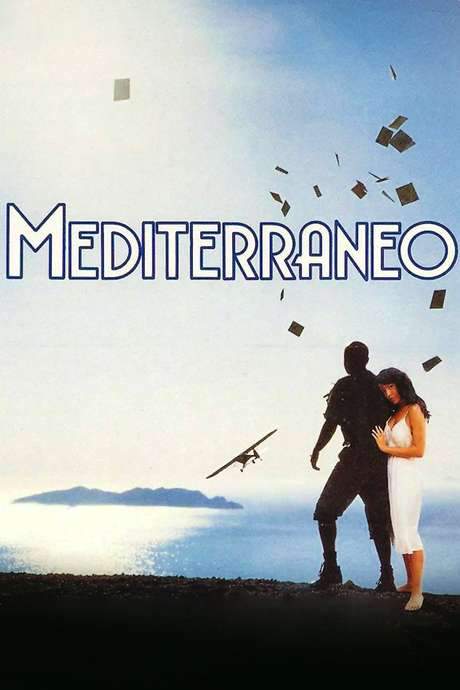
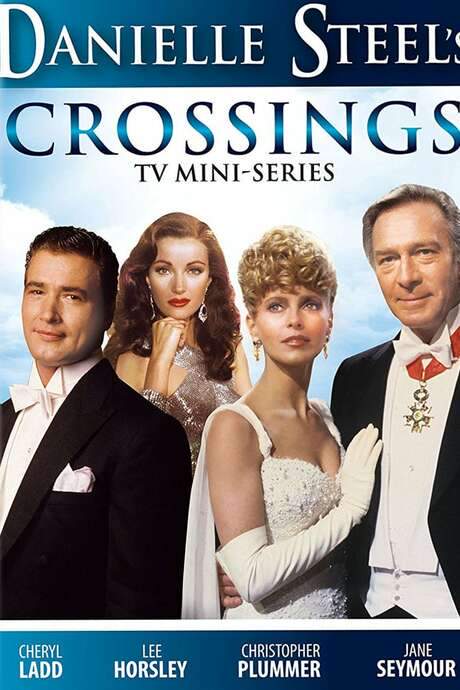
In 1939, film star Viviane Denvert, Isabelle Adjani, sits in the premiere crowd and is unsettled by a man who keeps staring her down. As the applause dies away and she is praised from the stage, she hastily returns to her apartment, only to discover that the same unnamed observer is now haunting her in private. The fear she feels is real and immediate, and when she confronts him she ends up escalating a dangerous conflict that ends with a violent confrontation on her balcony.
An hour later, Frédéric Auger, a young writer, receives a frantic call from Viviane. For years she has relied on his devotion, and now she asks him to come to her apartment right away. When Frédéric arrives, he finds a dead body that Viviane claims to have killed in self-defense after the man harassed her; she insists he help her dispose of the corpse. They haul the body into the trunk of his car, but the weather turns foul and rain slicks the streets. A fateful misstep occurs when Frédéric drives over a curb and triggers a police signaling device—the trunk pops open under the weight of the corpse, and the arriving officers arrest him.
As Paris braces for the looming German invasion, the city’s citizens are evacuated, and the chaos of this moment ripples through every life. Prisoners, including Frédéric, are paired up and handcuffed together for the journey. Seizing the opportunity, Frédéric and his cellmate Raoul slip away in the confusion. Frédéric boards a train headed to Bordeaux, hoping to lay low, while Raoul nudges him toward a seat near Camille, a young physicist working at the prestigious College de France under Professor Kopolski. Camille and her colleague are guarding critical stocks of heavy water—an essential resource they intend to ship to England before the Germans can reach it.
From this point, the film threads together a brisk, action-packed series of escapes, loyalties, and moral decisions as characters find themselves caught between two overwhelming forces: the advancing German occupation and the unpredictable melodrama that Viviane embodies so vividly. A brief, recognizable cameo by General Charles de Gaulle underscores the precarious political backdrop as the city trembles on the edge of war. Meanwhile, Frédéric’s path crosses with Camille, and a quiet bond grows between the two, even as danger closes in.
Frédéric eventually falls for Camille, and when he makes it back from England, he searches for her at an outdoor café. The moment the Germans spot them, they flee and slip into a movie theater to hide. Frédéric spots a German in the venue and, with tension rising, he turns to kiss Camille in a bid to anchor their humanity against the encroaching danger. The pursuers depart, and the lovers briefly part their lips in a kiss, only to redirect their attention to the screen, where Viviane Denvert’s world of song and dance fills the room. In that final breath of cinema and peril, Frédéric looks at Camille, and they resume their embrace as the film ends, leaving the couple and the audience suspended between love and survival.
This story unfolds as a meditation on fear, resilience, and the lines people cross when faced with a world swelling with threat. It moves from the glitter of a premiere into the shadow of war, weaving a tapestry of daring acts and intimate moments that test loyalty, courage, and the limits of romance. The performances—anchored by the luminous presence of Viviane Denvert and the evolving chemistry between Frédéric and Camille—give the film its pulse, while the backdrop of occupied Paris and the urgent, clandestine work surrounding heavy water adds a sense of historical gravity. The film’s momentum builds on the tension between personal melodrama and the larger stakes of a nation preparing for invasion, offering a long, layered narrative that invites viewers to stay engaged with every decision and every twist as the characters seek safety, meaning, and human connection in a city on the brink.