Plot Explained Spoilers guaranteed!
Plot Explained

Browse by genre

Blades of Blood (2010) movie poster

Timeline

Blades of Blood (2010) Timeline Explained – Every Event in Order

Release, runtime and language
2010 · 108 mins · Korean
Directed by
Lee Joon-ik
Starring
Seo Seung-won, Ryu Seung-ryong, Kim Min-seung, Hwang Jung-min, Jeong Gyu-su, Shin Jung-keun

In a world soaked with blood, Lee Mong‑hak joins forces with the masterful blind swordsman Hwang Jeong‑hak, both determined to purge corruption and heal the land. To overthrow the tyrannical king, Lee raises a rebel army, sparking a fierce struggle toward a hopeful future.

On this page (4)
  1. 1 Events in order (12)
  2. 2 Timeline questions answered
  3. 3 Movie threads
  4. 4 Every angle

12 events in order · contains spoilers

Blades of Blood Timeline: Events in Chronological Order

Every key event of Blades of Blood (2010) in order, scene by scene, with when and where it takes place. Use it to untangle flashbacks, time jumps and parallel storylines, to refresh your memory before the sequel or to find the exact scene you are thinking of.

  1. Alliance forged against corruption and invasion

    In the late 16th century, Lee Mong-hak partners with the legendary blind swordsman Hwang Jeong-hak and the rebel Gyeon-ja to challenge the corruption festering at the court. They share a vision of a freer, fairer Joseon and the repulsion of the invading forces, forming a growing rebel force that seeks to reform the ruling system. The alliance is forged in hardship and mutual resolve.

    When
    Late 16th century
    Where
    Outskirts of the Joseon court
  2. Persecution at court sparks rebellion

    The jealous and ineffective king intensifies his crackdown on dissent, labeling the rebels as a threat to order. Mong-hak chooses the path of rebellion, committing to overthrow the oppressive regime. The mood shifts from clandestine plotting to open defiance.

    When
    Late 16th century
    Where
    Joseon court
  3. Growing rebel force gathers

    Across the countryside, the alliance recruits a diverse band of followers, from soldiers to disillusioned peasants, swelling the rebellion's ranks. The rebels train and plan, united by a common dream of reform. Their numbers begin to shift the balance in their favor.

    When
    Late 16th century
    Where
    Countryside rebel camps
  4. Duel with Hwang Jeong-hak ends in tragedy

    The rebels clash with rival factions in a brutal confrontation on a harsh battlefield. Hwang Jeong-hak fights with the grit of a legendary swordsman, but Mong-hak's prowess overwhelms him. Jeong-hak falls, marking a crushing blow to the rebel leadership.

    When
    During early campaigns
    Where
    Battlefield
  5. Gyeon-ja vows to carry the fight

    With Jeong-hak dead, Gyeon-ja steels himself to continue the rebellion. He leads the dwindling remnants of their cause toward Seoul, bearing the weight of vengeance and a future shaped by sacrifice. The vow becomes a driving force for the remaining fighters.

    When
    Post-Jeong-hak defeat
    Where
    Rebel camps
  6. Japanese forces move toward the peninsula

    Mong-hak learns that Japanese troops are marching toward the countryside, threatening villages and the last bastions of resistance. The rebels realize time is running out to defend the land they seek to liberate. The warning deepens the urgency of their advance toward the capital.

    When
    Approaching invasion
    Where
    Rebel camps and coastal approaches
  7. Rebels push toward the capital

    Fueled by a sense of mission, the rebel army presses toward Seoul, prioritizing strategic gains over vulnerable villages. Some villagers flock to their banner seeking protection, while others are left to face the brutal realities of war. The march intensifies as the capital looms.

    When
    Approaching capital
    Where
    Countryside toward Seoul
  8. Seoul reached; the king has fled

    The rebels reach Seoul to find the city abandoned by the king, with the palace standing in silent desolation. The absence of royal support exposes the fragility of the regime and the rebels' audacious hopes for change. The capital becomes a stage for the impending clash and reckoning.

    When
    Upon reaching Seoul
    Where
    Seoul, throne pavilion vicinity
  9. Japanese assault and massacre of rebels

    The Japanese army arrives in force, unleashing a brutal assault against the rebel ranks. The siege shatters the rebels' gains and tests the limits of loyalty, courage, and sacrifice. The city thins under the weight of invasion as hope battles despair.

    When
    During the siege
    Where
    Seoul
  10. Climactic duel: Mong-hak vs Gyeon-ja

    In the throne pavilion and surrounding grounds, the final confrontation unfolds as Gyeon-ja closes in on ultimate power. He kills Mong-hak in a brutal, decisive duel, but the victory comes at a grave price as he is mortally wounded by the invaders. The rebel dream edges toward a tragic climax.

    When
    Climax of the siege
    Where
    Seoul throne pavilion
  11. Gyeon-ja's sacrifice seals a future, at a cost

    Gyeon-ja's sacrifice fulfills his vow for a better future only through his own death, underscoring the high cost of rebellion. The rebels' momentum collapses without their leader, leaving the fate of the uprising uncertain. The cost of pursuit and principle hangs heavy over the city.

    When
    Climax
    Where
    Seoul outskirts
  12. Aftermath: ruin and quiet

    The battle ends with a grim quiet over the city, the fires of rebellion dimmed but not entirely extinguished. The film lingers on the costs of loyalty, the pain of betrayal, and the fragile balance between heroism and ruin. In the end, the costs of ambition and the price of change linger long after the battles cease.

    When
    Aftermath
    Where
    Seoul

Last updated: October 09, 2025 at 16:56

Was this helpful?

Timeline questions answered

Blades of Blood Timeline Explained: Your Questions Answered

When does it happen, and why in that order? The questions people ask about the chronology of Blades of Blood (2010): time jumps, flashbacks, cause and effect between scenes and the correct order of events, each answered with spoilers.

Q1

Why does Lee Mong-hak fight and kill Hwang Jeong-hak if they're allies?

Mong-hak and Hwang Jeong-hak are allies in the rebellion, but they have a fundamental disagreement about how to achieve their goals. During a brutal confrontation, Mong-hak's superior combat skills overwhelm the blind swordsman, and Jeong-hak falls. Their alliance was forged over shared visions of reform, but the duel suggests a conflict in their methods or possibly a test of resolve that Mong-hak passes by defeating his mentor figure.

Foreshadowing: The timeline notes mention the alliance is 'forged in hardship' and 'tests loyalties,' hinting that the partnership contains internal tensions.

  • lee mong-hak
  • hwang jeong-hak
  • duel
  • blind swordsman
  • rebel alliance
  • betrayal
Q2

Why does Lee Mong-hak push toward Seoul despite Japanese forces threatening villages?

Mong-hak prioritizes seizing the capital and overthrowing the throne over protecting vulnerable villages. Though he learns Japanese forces are marching toward the countryside to raze villages, he chooses to continue the rebel army's march toward Seoul to achieve the strategic goal of taking the throne. This decision reflects his belief that only by removing the corrupt king can lasting change occur, even if it means sacrificing those who flocked to his banner for protection.

Foreshadowing: The timeline shows Mong-hak chooses 'strategic gains over vulnerable villages' during the march, indicating a calculated prioritization of political victory over immediate humanitarian concerns.

  • lee mong-hak
  • japanese invasion
  • villages
  • strategic decision
  • rebellion
  • seoul
Q3

Why does Gyeon-ja kill Lee Mong-hak despite fighting on the same side?

Gyeon-ja is the bastard child of a family slain by Mong-hak, making his personal motivation vengeance rather than ideological alignment with the rebellion. Though he fights alongside Mong-hak temporarily, his ultimate goal is to kill the man responsible for his family's death. In the climactic throne pavilion duel, Gyeon-ja fulfills his vow of vengeance by killing Mong-hak, though he is himself mortally wounded by Japanese invaders in the process.

Foreshadowing: The summary explicitly states Gyeon-ja is 'the bastard child of a family slain by Mong-hak' whose 'fate becomes entwined with the rebels' deadly gambit as he seeks vengeance.'

  • gyeon-ja
  • lee mong-hak
  • vengeance
  • family massacre
  • throne pavilion
  • final duel
Q4

Why does the king abandon Seoul when the rebels approach?

The king is described as 'jealous and ineffective' and faces a rebellion he cannot suppress. When the rebels reach Seoul, they find the city abandoned by the monarch who has fled, leaving the palace in 'desolate silence.' This reflects the weakness of the corrupted regime and its inability to maintain control when faced with a serious challenge to its power.

Foreshadowing: The timeline notes mention the king's 'jealous and ineffective' nature and his 'crackdown on dissent' that backfires, showing his regime's fragility.

  • king
  • seoul
  • flee
  • palace
  • corrupt king
  • regime fall
Q5

What happens to the rebellion after Hwang Jeong-hak is killed?

With Hwang Jeong-hak's death, Gyeon-ja takes up the mantle and leads the remaining rebel forces toward Seoul. The loss of the legendary blind swordsman is a crushing blow to rebel leadership, but Gyeon-ja steels himself to continue, viewing it as both a duty and an opportunity to pursue his personal vendetta against Mong-hak while the rebellion presses onward.

Foreshadowing: Timeline item 5 shows Gyeon-ja 'steels himself' after Jeong-hak falls, 'bearing the weight of vengeance and a future shaped by sacrifice.'

  • hwang jeong-hak
  • death
  • gyeon-ja
  • rebellion leadership
  • continuation
Q6

Why do all the main characters die in the end?

The film follows a tragic trajectory where the rebellion is crushed by external invasion. Hwang Jeong-hak falls in combat against Mong-hak, Mong-hak is killed by Gyeon-ja's vengeance, and Gyeon-ja himself is mortally wounded by Japanese invaders after fulfilling his oath. The ending reflects the heavy cost of rebellion and ambition in a world consumed by war, with the narrative emphasizing that revolutionary change often comes through personal sacrifice rather than victory.

Foreshadowing: The meta notes emphasize the ending is 'definitively BLEAK' with 'all primary figures dying' and the 'rebellion ends in a massacre.'

  • ending
  • tragic
  • character deaths
  • rebellion crushed
  • japanese invasion
  • sacrifice
Q7

What drives Gyeon-ja to continue fighting after Hwang Jeong-hak's death?

Gyeon-ja is motivated by two intertwined forces: personal vengeance against Mong-hak for killing his family, and a reluctant sense of duty to the rebel cause. After Jeong-hak falls, Gyeon-ja 'steels himself' to lead the remaining forces, carrying both the weight of his vow for vengeance and the dream of a better future that the rebellion represents.

Foreshadowing: The summary describes Gyeon-ja's fate as 'entwined with the rebels' deadly gambit as he seeks vengeance and a future shaped by their shared courage.'

  • gyeon-ja
  • motivation
  • vengeance
  • family
  • rebellion
  • duty
Q8

Why do Japanese forces attack during the rebel siege of Seoul?

The Japanese invasion coincides with the rebel assault on the capital, creating a catastrophic convergence of threats. As Mong-hak closes in on the throne, Japanese forces arrive in force and unleash a brutal massacre on the rebel ranks. This timing is crucial, the rebels are caught between taking the palace and defending against the foreign invasion, leading to their ultimate destruction.

Foreshadowing: Timeline items 6 and 9 show the Japanese forces 'marching toward the countryside' as the rebels advance, with the invasion arriving 'in force' during the siege.

  • japanese invasion
  • timing
  • siege
  • massacre
  • rebel army
  • concurrent attack
Q9

What motivates Lee Mong-hak to start a rebellion despite being from the royal lineage?

As an illegitimate scion from a cadet branch of the royal lineage, Mong-hak is positioned to understand both the court's corruption and the people's suffering. He is persecuted by the 'jealous and ineffective' king, which pushes him to choose rebellion over loyalty to his bloodline. His vision is of a 'freer, fairer' Joseon where the corrupt system is reformed and invaders are repelled.

Foreshadowing: The summary establishes Mong-hak as someone who sees the corruption 'festering at court' and chooses to challenge it despite his royal connections.

  • lee mong-hak
  • royal blood
  • illegitimate
  • rebellion motivation
  • corruption
  • king persecution
Q10

What is the significance of the final confrontation at the throne pavilion?

The throne pavilion represents the seat of power Mong-hak has marched his army to claim. In this location, Gyeon-ja finally confronts Mong-hak, not as a fellow rebel but as a vengeance-seeker whose family was destroyed by Mong-hak. The duel occurs as Japanese forces massacre the rebels outside, making this inner confrontation a tragic microcosm of the film's larger themes of loyalty, betrayal, and the cost of ambition.

Foreshadowing: Timeline item 10 describes the 'climactic duel' occurring 'in the throne pavilion and surrounding grounds' as Gyeon-ja 'closes in on ultimate power.'

  • throne pavilion
  • final duel
  • power
  • confrontation
  • symbolism
  • climax

Movie threads

More Movies Like Blades of Blood, by Mood & Story

Curated lists built around what makes Blades of Blood tick: the same mood, the same kind of story or the same emotional payoff. Each list explains why these movies belong together.

Bloody revolutionary epics like Blades of Blood

Historical epics where noble rebellions end in bloody, tragic failure. If you enjoyed the tragic rebellion in Blades of Blood, explore more movies like it. This section features similar historical action dramas where a quest for justice leads to a violent, desperate struggle against corruption, often ending in a grim and hopeless finale.

  • grim
  • tragic
  • brutal
  • desperate
  • somber
  • gritty
  • Tone: dark, bleak, tragic
  • Pacing: fast, relentless
Why these movies?

The story pattern: The narrative follows a clear arc: a catalyst inspires a group to challenge a powerful, corrupt authority. The rebellion gains momentum through intense action and sacrifice, but is ultimately doomed by internal betrayal, flawed ambition, or an overpowering enemy force, leading to a catastrophic and tragic ending for the protagonists.

Why they belong together: Movies are grouped here based on their shared focus on a doomed historical rebellion, a dark and gritty tone, high-intensity action, and a definitive bleak ending. The emotional journey is consistently heavy, emphasizing the tragic cost of idealism in a brutal world.

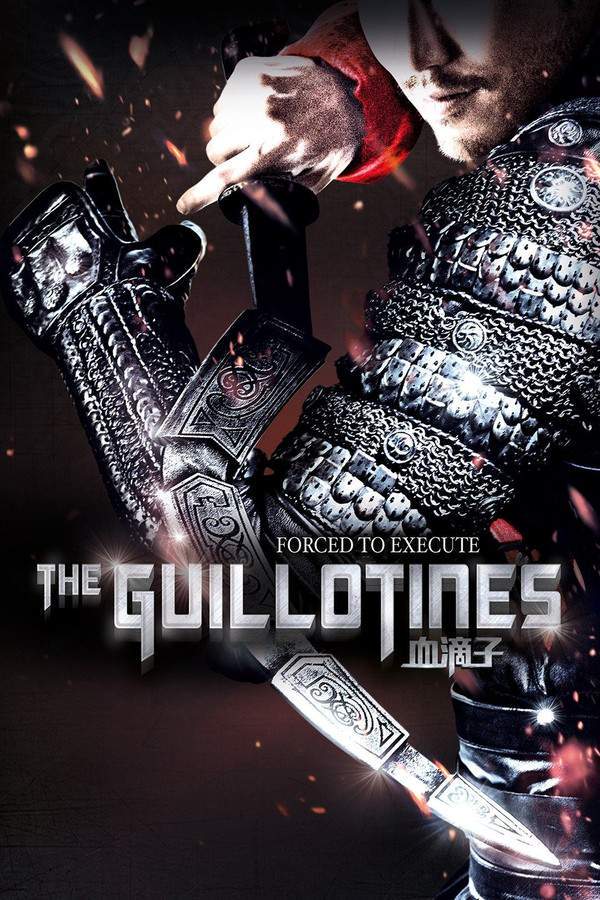
Deadly warrior partnerships like in Blades of Blood

Action stories about lethal partnerships forged in violence and shattered by fate. For viewers who liked the blind swordsman and rebel leader duo in Blades of Blood, this section finds similar movies about lethal partnerships. Discover action films where two fighters unite for a cause, only to see their alliance tested by violence and fate.

  • brutal
  • gritty
  • tragic
  • intense
  • somber
  • deadly
  • Tone: gritty, somber, intense
  • Pacing: fast-paced
Why these movies?

The story pattern: The narrative structure revolves around the formation, trials, and eventual dissolution of a powerful fighting partnership. The duo achieves significant victories through their combined strength, but the story's central conflict—often internal betrayal or diverging morals—irrevocably fractures their bond, leading to a tragic confrontation between them.

Why they belong together: These films are connected by the central theme of a deadly partnership, a consistently gritty and intense mood, and a focus on high-stakes physical conflict. The emotional core is the rise and fall of the duo's relationship, which typically ends in a somber or tragic manner.

Every angle

Blades of Blood (2010) Explained: Plot, Timeline & Characters

Everything about Blades of Blood in one place: what happens in the plot summary, the timeline in chronological order, the characters and meaning and a spoiler-free summary. What's After the Movie adds the cast, box office and post-credit scenes.

Coming soon on iOS and Android

The Plot Explained Movie Summary App

Plot summaries, endings explained and timelines on your phone. Catch up on any movie in minutes, save your favorites and never miss a twist again.

Be the first to know when we launch. Your email stays private, always.

Learn more about the app