Plot Explained Spoilers guaranteed!
Plot Explained

Browse by genre

Burn (2019) movie poster

Plot Summary

Burn (2019) Plot Summary Explained

Release, runtime and language
2019 · 88 min · English
Echo score 70
JustWatch #8,492 248
Directed by
Mike Gan
Starring
Harry Shum Jr., Suki Waterhouse, Josh Hutcherson, Rob Figueroa, Shiloh Fernandez, Jim Devoti

Melinda, a quiet and frustrated gas station attendant, feels overshadowed by her coworker. Her life takes a dramatic turn when Billy, a desperate man holding up the station, arrives. Seeing a chance to escape her mundane existence, Melinda unexpectedly forms a volatile and intense connection with the hostage-taking robber, pushing boundaries and risking everything in the process.

On this page (6)
  1. 1 Where to watch
  2. 2 What happens: full plot
  3. 3 Plot questions answered
  4. 4 Movie threads
  5. 5 Movies like Burn
  6. 6 Every angle

Where to watch

Where to Watch Burn (2019)

Where can you watch Burn? Stream, rent or buy it in the US, including on Philo, Starz and Tubi TV: current JustWatch availability with up-to-date prices.

Streaming availability powered by JustWatch

Full plot summary · contains spoilers

What Happens in Burn: Full Plot Summary

The whole story of Burn (2019) explained, from the opening scene to the final frame: every key event, every twist and what it all adds up to. Read it as a quick recap before the sequel, to check a scene you missed, or to finally understand what really happened.

In the year 1844, the British Admiralty embarks on a covert mission by dispatching Sir William Walker, an agent provocateur, to the island of Queimada—a prosperous Portuguese colony located in the Lesser Antilles. This operation, initiated by the British government, aims to facilitate the economic exploitation of the island by the Antilles Royal Sugar Company. Tasked with instigating a rebellion among the enslaved Africans against their Portuguese overlords, Walker’s ultimate goal is to replace the existing regime with a government that is more compliant and favorable to the interests of white planters.

Upon his arrival at the island, Walker is drawn into the vibrant life of Queimada and soon befriends the captivating leader José Dolores. By leveraging his charm and persuasive skills, Walker convinces Dolores to rally the enslaved population and lead the revolt against their oppressors. Influencing key landowners, he stirs their discontent with Portuguese rule, which helps set the stage for the uprising. The rebellion under Dolores is a tremendous success, leading to a striking nighttime coup where Walker cunningly orchestrates the assassination of the Portuguese governor.

With the old regime overthrown, Walker establishes a puppet government strictly loyal to the Antilles Company, headed by the earnest yet ineffective revolutionary Teddy Sanchez. Through manipulation, Walker persuades Dolores to endorse the new government and lay down his arms, promising that their efforts would culminate in the abolition of slavery. Once this mission is deemed successful, Walker is swiftly reassigned to a new operation in Indochina.

Fast forward to 1848, we find a disillusioned Dolores who, repulsed by the new regime's collusion with the Antilles Company, ignites a second uprising with the ambition of expelling British influence from Queimada. This conflict drags on for six long years until, by 1854, the Antilles Company decides to re-deploy Walker, who is discovered in Plymouth, England, and commands the Admiralty's approval for his return to Queimada with a menacing mission. His instructions: to quell the burgeoning rebellion and reassert control over the island.

However, President Sanchez, filled with resentment towards the exploitation of Queimada, proves to be a thorn in Walker’s side. A swift coup, engineered by Walker, results in Sanchez's ousting and subsequent execution. With a firm hand, Walker constructs a government that is submissive to the Antilles Company. British forces, under Walker's direction, swiftly crush the rebellion and capture Dolores, who then finds himself confronted by the man who once helped him rise to power. Walker, feeling a pang of guilt over their shared history, desperately attempts to save Dolores from the gallows. Yet, Dolores, embodying the spirit of true freedom, rejects Walker's offer, stating emphatically that “> Freedom is earned, not received.”

Sadly, the narrative reaches a tragic conclusion with the execution of Dolores by hanging. Shortly afterward, a remorseful Walker is confronted as he prepares to leave Queimada. He is approached by a man who eerily mirrors Dolores's welcome upon Walker's original arrival on the island, only to be brutally stabbed to death. As he fades away, Walker's dying gaze sweeps across the somber faces of the impoverished inhabitants of the port, each bearing silent witness to the chaos he has wrought upon their lives.

Last updated: December 13, 2024 at 06:47

Was this helpful?

Plot questions answered

Burn Plot Explained: Your Questions Answered

The questions people ask most about Burn (2019): what happens in the confusing scenes, why the characters do what they do, the twists, hidden details and what the ending means. Each answer contains spoilers.

Q1

Why did José Dolores refuse Walker's offer to save him?

Dolores refused Walker's help because he believed true freedom cannot be received as a gift but must be earned through struggle. Having witnessed how Walker betrayed the revolution by installing a puppet regime loyal to the Antilles Company, Dolores would not accept salvation from the same man who destroyed his cause. His final statement, 'Freedom is earned, not received,' encapsulates his unwavering principle that liberation achieved through manipulation and foreign interests is not genuine freedom.

Foreshadowing: Earlier, Walker had persuaded Dolores to lay down his arms after the first rebellion, promising abolition would follow, setting the stage for Dolores's distrust of empty promises.

  • josé dolores
  • walker
  • freedom
  • execution
  • refusal
  • betrayal
Q2

Why did the British send Walker back to Queimada in 1854?

The Antilles Royal Sugar Company convinced the British Admiralty to reinstate Walker because the second uprising led by Dolores threatened their economic control over the island. After six years of rebellion, the Company needed someone who understood the local dynamics and could effectively suppress the revolution. Walker's experience in orchestrating the original coup made him the logical choice to crush the rebellion and restore British dominance.

Foreshadowing: Walker's earlier success in 1844 demonstrated his effectiveness at manipulating revolutionary movements for colonial gain.

  • british
  • walker
  • return
  • 1854
  • rebellion
  • colonies
Q3

Why did José Dolores agree to lay down his arms after the first rebellion?

Dolores surrendered his weapons because Walker convinced him that doing so would lead to the abolition of slavery. Walker promised that once the puppet government under Teddy Sanchez was established, the enslaved population would be freed. Dolores trusted Walker's assurances, believing the revolution's goals had been achieved and that further conflict was unnecessary. This decision ultimately proved disastrous, as the new regime simply replaced Portuguese oppression with British corporate exploitation.

Foreshadowing: Walker's persuasive charm was established early in their relationship, when he convinced Dolores to become the face of the rebellion.

  • josé dolores
  • weapons
  • surrender
  • walker
  • promise
  • abolition
Q4

Why did Walker order Teddy Sanchez's execution?

Walker orchestrated Sanchez's ousting and execution because the president had become uncooperative with the Antilles Company's interests. Despite being installed as a puppet leader, Sanchez grew resentful of the exploitation and began resisting British colonial demands. This defiance made him a liability, so Walker arranged a coup, removed Sanchez from power, and had him executed to install a completely compliant government loyal to the sugar company.

Foreshadowing: Sanchez was described as earnest but ineffective, suggesting his conscience would eventually conflict with his role as a puppet.

  • teddy sanchez
  • execution
  • walker
  • coup
  • colonies
Q5

Why did Walker help organize the slave rebellion against Portugal?

Walker orchestrated the first rebellion not out of moral opposition to slavery, but as a strategic operation for the British government. His mission was to replace the Portuguese colonial regime with one more amenable to the Antilles Royal Sugar Company's economic interests. By inciting enslaved Africans to revolt, Walker could justify intervening, overthrow the Portuguese, and install a puppet government that would grant the Company favorable trading terms, all while appearing to champion liberation.

Foreshadowing: The British Admiralty dispatched Walker specifically to facilitate economic exploitation of the island from the beginning.

  • walker
  • rebellion
  • british
  • motives
  • portugal
  • manipulation
Q6

What does Walker's death at the end signify?

Walker's stabbing death at the hands of a man who resembles Dolores represents the cyclical nature of colonial violence and betrayal. Just as Walker arrived to manipulate a revolution, he is killed by someone echoing the people he betrayed. His final glimpse of the resentful islanders underscores the consequences of his manipulation, the oppressed people rejected him completely. The ending illustrates how colonial agents who exploit revolutionary movements ultimately face the wrath of those they manipulate, regardless of their intentions.

Foreshadowing: Walker's first encounter with Dolores mirroring his final moment creates a tragic symmetry throughout the narrative.

  • walker
  • death
  • ending
  • stabbed
  • symbolism
  • revenge
Q7

Why did the second uprising fail so quickly in 1854?

The second uprising failed because Walker returned with full British military backing and intimate knowledge of the island's resistance. By 1854, Dolores had been fighting for six years, but Walker's expertise in counterinsurgency allowed British forces to rapidly suppress the rebellion. Walker also strategically removed Sanchez, who might have opposed the military campaign, ensuring unified colonial control. The combination of superior firepower, strategic knowledge, and the betrayal of the revolution's original architect made the uprising unsustainable.

Foreshadowing: The timeline shows six years of conflict (1848-1854) before Walker's return, indicating the rebellion's strength without direct British intervention.

  • second uprising
  • failure
  • british forces
  • 1854
  • dolores
Q8

What was Britain's actual goal in Queimada?

Britain's true goal in Queimada was economic exploitation through the Antilles Royal Sugar Company, disguised as anti-colonial intervention. Rather than liberating enslaved people, Britain wanted to replace Portugal as the colonial power and install a regime that would grant preferential trading rights to British commercial interests. The rebellion Walker orchestrated was a pretext to overthrow Portuguese rule and establish a government that would serve corporate rather than native interests.

Foreshadowing: The British Admiralty's involvement from the start signals political rather than humanitarian motives.

  • britain
  • colonial
  • economic
  • exploitation
  • antilles company
Q9

What was the nature of the relationship between Walker and José Dolores?

Walker and Dolores shared a complex bond that blended genuine connection with manipulative exploitation. Initially, Walker genuinely admired Dolores's charisma and leadership, while Dolores trusted Walker as an ally against oppression. However, Walker always viewed Dolores as a tool to achieve British objectives. Despite this, Walker experienced guilt upon returning to suppress Dolores's second rebellion, attempting to save him, a gesture that was as much about Walker's personal conscience as any remaining friendship.

Foreshadowing: Their friendship formed immediately upon Walker's arrival, with Walker charmed by Dolores's magnetic presence.

  • walker
  • dolores
  • relationship
  • friendship
  • manipulation
Q10

What happened to the promise of slavery abolition in Queimada?

The promise of abolition was never fulfilled. After Walker convinced Dolores to lay down arms and recognize the puppet government, the new regime, loyal to the Antilles Company, had no intention of ending slavery. The Company required enslaved labor for sugar production, so the abolition promise was merely a manipulation tactic. This betrayal fueled Dolores's disillusionment and sparked his second uprising in 1848 to expel British influence entirely.

Foreshadowing: Walker persuaded Dolores to surrender weapons 'in exchange for the promise of abolishing slavery', aEmpty promise from the start.

  • slavery
  • abolition
  • promise
  • betrale
  • antilles company
Q11

What is the film's critique of colonialism shown through the story?

The film critiques colonialism by demonstrating how revolutionary movements are co-opted for economic gain. Walker's character represents the cynical reality that colonial powers masquerade as liberators while installing exploitative systems. The enslaved people merely changed masters, from Portuguese to British corporate control. The tragedy of Dolores illustrates how idealists are manipulated by colonial agents who promise freedom but deliver economic subjugation, exposing the empty promise of benevolent imperialism.

Foreshadowing: The entire narrative arc from rebellion to betrayal to re-conquest illustrates the cyclical nature of colonial exploitation.

  • colonialism
  • critique
  • irony
  • revolution
  • exploitation
  • imperialism

Movie threads

More Movies Like Burn, by Mood & Story

Curated lists built around what makes Burn tick: the same mood, the same kind of story or the same emotional payoff. Each list explains why these movies belong together.

Movies about volatile criminal partnerships like Burn

A dangerous bond forms between unlikely partners during a high-stakes crime. If you liked the tense, dangerous dynamic between Melinda and Billy in Burn, explore more movies about unlikely criminal partnerships. These films feature characters who form intense, often toxic bonds under pressure, leading to shared risk and moral ambiguity in gripping thrillers.

  • tense
  • volatile
  • psychological
  • desperate
  • claustrophobic
  • dangerous
  • Tone: dark, tense, psychologically complex
  • Pacing: steady, character-focused
Why these movies?

The story pattern: Stories in this thread often begin with a crime or hostage situation that unexpectedly brings two characters together. Instead of simple conflict, a complex psychological dance unfolds, forging a bond built on shared desperation and a mutual escape from mundane or oppressive lives. The narrative follows their risky collaboration and the escalating consequences.
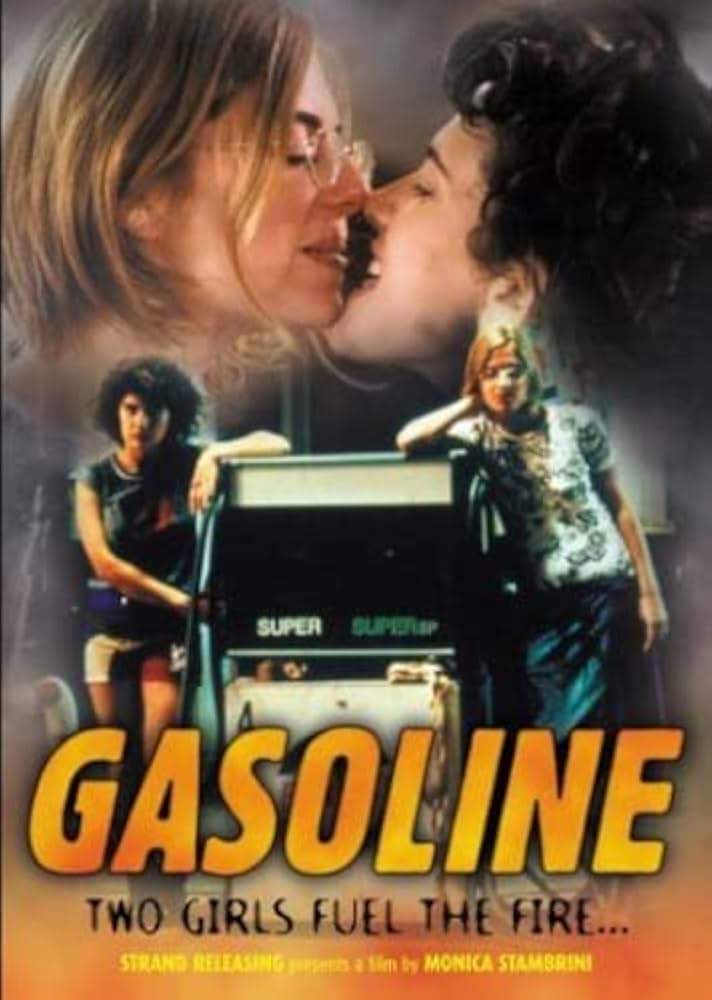
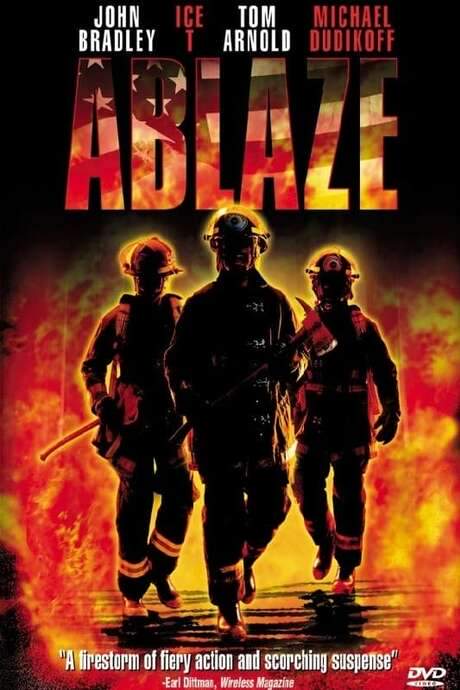
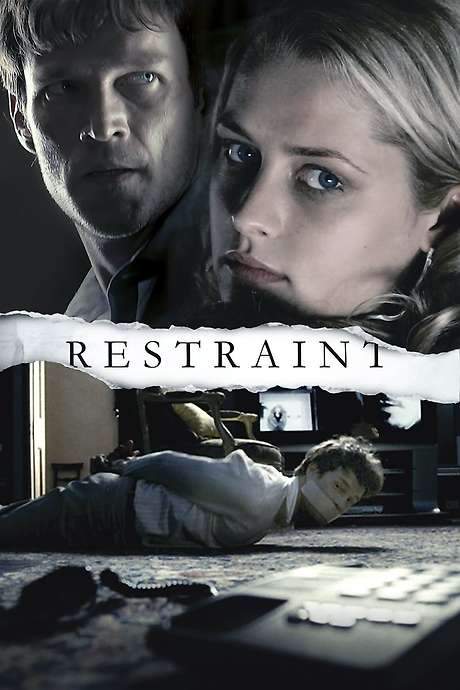
Why they belong together: Movies are grouped here for their shared focus on the intense, character-driven dynamic that forms between two people in a high-pressure criminal scenario. They share a dark tone, steady pacing that allows the relationship to develop, and a high intensity stemming from the characters' volatile choices.
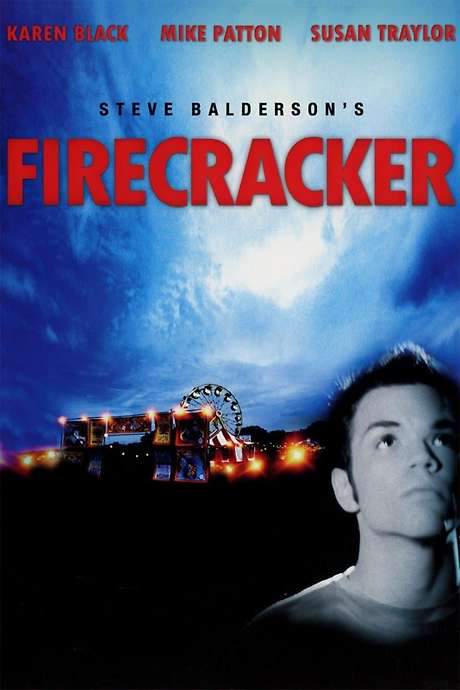
Movies about escaping a mundane life like Burn

Characters risk everything for a violent escape from a suffocatingly ordinary life. Fans of Burn who enjoyed Melinda's desperate gamble to escape her boring life will find similar themes here. Discover movies where ordinary characters, stifled by their routine, make reckless choices that plunge them into a dangerous new world, with high stakes and bleak outcomes.

  • oppressive
  • desperate
  • monotony
  • escape
  • tragic
  • reckless
  • Tone: bleak, dark, cynical
  • Pacing: steady, building to a climax
Why these movies?

The story pattern: The pattern follows a protagonist stuck in a repetitive, soul-crushing routine. A catalyst—often a criminal act or a chaotic event—presents itself as a chance for freedom or excitement. The story then chronicles their deliberate choice to embrace the danger, exploring the thrilling yet destructive path of abandoning their old life for a volatile new one.

Why they belong together: These films are united by the core theme of a mundane life violently disrupted. They share a bleak or dark tone, a steady pacing that builds to a pivotal moment of choice, and a heavy emotional weight derived from the protagonist's tragic pursuit of liberation from their oppressive normality.

If you liked this

Movies Like Burn

Similar movies to Burn: the same genre, themes or kind of story. Each one comes with its own plot summary, timeline and ending explained.

Browse all movie summaries

Every angle

Burn (2019) Explained: Plot, Timeline & Characters

Everything about Burn in one place: what happens in the plot summary, the timeline in chronological order, the characters and meaning and a spoiler-free summary. What's After the Movie adds the cast, box office and post-credit scenes.

Coming soon on iOS and Android

The Plot Explained Movie Summary App

Plot summaries, endings explained and timelines on your phone. Catch up on any movie in minutes, save your favorites and never miss a twist again.

Be the first to know when we launch. Your email stays private, always.

Learn more about the app