Plot Explained Spoilers guaranteed!
Plot Explained

Browse by genre

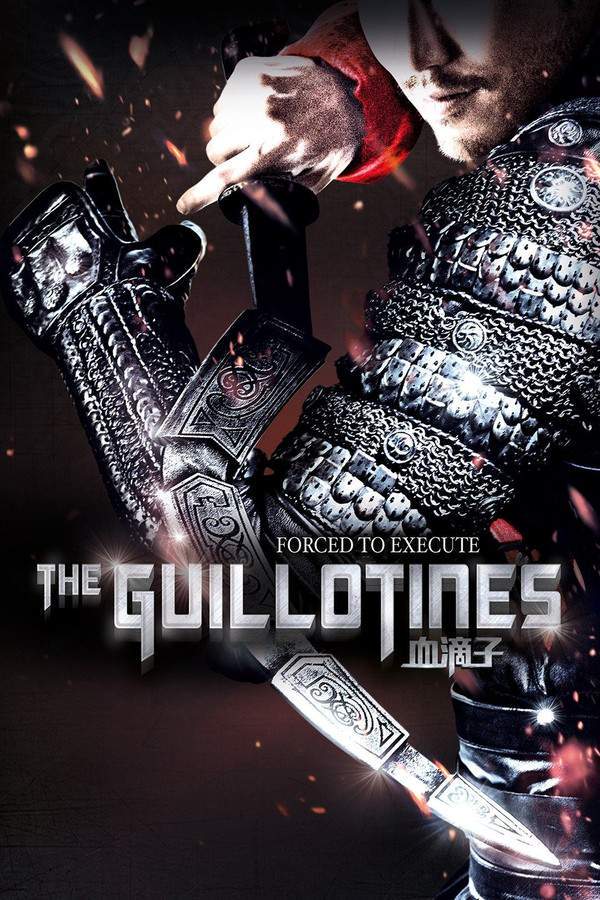
The Guillotines (2013) movie poster

Timeline

The Guillotines (2013) Timeline Explained – Every Event in Order

Release, runtime and language
2013 · 112 min · Chinese
Loading streaming availability…
Directed by
Wai-keung Lau

During a period of turmoil in the Qing Dynasty, Emperor Yongzheng orders a fearsome group of executioners to hunt down and eliminate the Herders, a rebellious faction threatening his rule. The film explores themes of power, loyalty, and the brutal consequences of challenging imperial authority, as the emperor’s agents relentlessly pursue their targets.

On this page (5)
  1. 1 Where to watch
  2. 2 Events in order (15)
  3. 3 Timeline questions answered
  4. 4 Movie threads
  5. 5 Every angle
Loading streaming availability…

15 events in order · contains spoilers

The Guillotines Timeline: Events in Chronological Order

Every key event of The Guillotines (2013) in order, scene by scene, with when and where it takes place. Use it to untangle flashbacks, time jumps and parallel storylines, to refresh your memory before the sequel or to find the exact scene you are thinking of.

  1. Emergence of the Guillotines

    In the oppressive atmosphere of the Qing Dynasty, the Yongzheng Emperor established a secretive group known as the 'Guillotines.' This squad was formed to eliminate any threats to his authority, initially celebrated for their lethal efficiency.

  2. Shift in Power

    As the Qianlong Emperor rose to power, the Guillotines fell into obscurity, giving way to new Western ideals and advancing technologies. The Qianlong Emperor sought to solidify his control over the empire through fear and terror against the Han Chinese populace.

  3. Leng Leads the Guillotines

    Master warrior Leng became the leader of the Guillotines, directing a talented team of six young fighters, including Musen and Hutu. Their loyalty to the Qing court was unwavering, and they had accomplished an impressive 348 missions.

  4. Rising Rebellion

    Amidst growing grievances against their Manchurian overlords, a social turmoil peaked, led by Tian-Lang, known as 'Wolf.' As the charismatic leader of the Herders, Wolf ignited a rebellion that rallied the Han people to fight for their freedom.

  5. Wolf's Capture

    Wolf was captured, and at the same time, Leng learned of a clash of destinies when Wolf declared that he was meant to kill him – but not yet. This moment began a dangerous game as the future of both men became inexorably linked.

  6. The Ambush

    On the eve of his execution, Wolf executed a daring ambush that allowed him to escape, albeit leaving Bai-Lan in captivity. Seizing the opportunity, Wolf took Musen hostage to ensure Bai-Lan's safety, escalating the conflict.

  7. Tracking Down the Herders

    The Guillotines were dispatched to retrieve Musen and eliminate Wolf for good. As they tracked the Herders, their pursuit led them to a village reeling from a smallpox outbreak, deepening the complexities of their mission.

    Where
    Village with smallpox outbreak
  8. Betrayal and Chaos

    The confrontation escalated when Haidu, Leng's estranged brother, attacked the meeting between the Herders and Han settlers. This resulted in Bai-Lan's tragic death, shattering the Guillotines' morale and igniting a conflict of familial loyalty.

  9. Leng's Confrontation with Haidu

    In a critical moment of reckoning, Leng challenged Haidu and was pushed down a steep cliff in retaliation. Surviving this fall, he was unexpectedly nursed back to health by Wolf, marking a pivotal turn in their relationship.

  10. Revelation of Identity

    While recuperating, Leng shared a poignant truth with Wolf: he was, in fact, Han Chinese. This revelation illustrated the complexities of their identities and the betrayals they faced in a world steeped in conflict.

  11. Return of Haidu

    The conflict reignited when Haidu returned with a vengeful force intent on obliterating Leng's newly formed sanctuary. With the village evacuated, Musen courageously stayed behind to confront the impending assault.

    Where
    Leng's sanctuary village
  12. Musen's Sacrifice

    In a heart-wrenching moment, despite her bravery, Musen faced overwhelming odds against Haidu's troops. Her tragic death became a painful symbol for Leng, marking the culmination of their sacrifices and shattered dreams.

  13. Final Confrontation

    Feeling the weight of loss, Leng faced Wolf in a climactic confrontation against Haidu on a precipice. In a tragic twist, Wolf died by Leng's hand, compelling them both to return to the palace, a haunting reminder of their intertwined fates.

    Where
    Windswept precipice
  14. Challenging the Emperor

    Upon returning to the palace's grand halls, Leng, distraught from his experiences, boldly challenged the Qianlong Emperor. He urged the ruler to acknowledge the suffering of the Han people and to rectify the injustices perpetuated during his reign.

    Where
    Palace grand halls
  15. Acceptance of Fate

    Understanding the emperor's unyielding nature and his intentions to erase the past, Leng accepted his fate. He willingly walked towards execution, a final act of sacrifice meant to cleanse the realm of its ingrained corruption.

Last updated: November 18, 2024 at 20:16

Was this helpful?

Timeline questions answered

The Guillotines Timeline Explained: Your Questions Answered

When does it happen, and why in that order? The questions people ask about the chronology of The Guillotines (2013): time jumps, flashbacks, cause and effect between scenes and the correct order of events, each answered with spoilers.

Q1

Why is Leng actually Han Chinese?

Leng reveals to Wolf that he was born Han Chinese but was selected by the former emperor to serve the Qianlong Emperor. To hide his true identity, he was forced to adopt a Manchu facade, reflecting the betrayals and harsh realities of their world. This revelation explains why Leng ultimately sympathizes with the Herders and questions his loyalty to the Qing court.

Foreshadowing: Earlier, Wolf declared he was meant to kill Leng but 'not yet,' hinting at their intertwined destinies rooted in shared heritage.

  • leng identity
  • han chinese
  • manchu facade
  • hidden identity
Q2

Why did Leng oppose Haidu despite being ordered to capture Wolf?

Leng opposed Haidu when he witnessed the massacre of both Herders and Han settlers during the betrayal at the exchange site. Bai-Lan's tragic death and the emperor's order to eliminate everyone, including the Guillotines, made Leng realize the emperor had betrayed him. This moment shattered his loyalty to the crown and led him to defy the imperial command.

Foreshadowing: The emperor's mention of 'cleaning his legacy' earlier suggested he planned to eliminate the Guillotines once their purpose was served.

  • leng haidu conflict
  • betrayal
  • emperor orders
  • defiance
Q3

Why did Wolf die at Leng's hands in the final confrontation?

On the windswept precipice, Wolf was killed by Leng during their confrontation with Haidu. The exact motivation isn't fully spelled out, but Wolf's earlier declaration that he was 'meant to kill Leng' suggests a prophetic destiny where they were bound to destroy each other. Their tragic fates were sealed by the impossible circumstances imposed by the emperor's forces.

Foreshadowing: When Wolf was captured, he told Leng that he was meant to kill him but 'not yet,' foreshadowing their deadly final encounter.

  • wolf death
  • leng wolf confrontation
  • prophecy
  • final battle
Q4

Why did Musen stay behind to face Haidu's troops?

Musen stayed behind to protect the evacuated village and give the others time to escape. Having witnessed the brutal impact of the Guillotines' actions on Wolf's family, she had already rejected their ruthless ways. Her sacrifice represented her redemption and final act of loyalty to the new life she had chosen with Leng.

Foreshadowing: Earlier, Musen left the Guillotines after seeing their brutal impact on Wolf's family, showing her change of heart.

  • musen sacrifice
  • death scene
  • redemption
  • village attack
Q5

Why did Leng willingly accept execution at the end?

Leng accepted execution because he understood the emperor would never change and would continue erasing anyone who threatened his vision of a perfect legacy. By willingly walking to his death, Leng believed his sacrifice could cleanse the realm of corruption and send a message about the suffering of the Han people. His acceptance was also a final act of defiance, he chose to die with his principles rather than live as a puppet of tyranny.

Foreshadowing: The prophecy foreshadowing a tragic fate over Leng hinted at his inevitable sacrifice.

  • leng execution
  • sacrifice
  • emperor defiance
  • final act
Q6

Why were the Guillotines erased from history during Qianlong's reign?

The Qianlong Emperor wanted to erase the Guillotines from history to create a facade of peace between the Manchurian and Han peoples. By removing all record of his secret execution squad, he could present his reign as a utopian era free of the violence and ethnic persecution that defined earlier years. The film's closing reveals this historical erasure as a metaphor for how easily truth can be obliterated from official records.

Foreshadowing: The emperor's obsession with 'cleaning his legacy' and removing any shadows from his predecessors motivated his plan to eliminate the Guillotines.

  • historical erasure
  • qianlong emperor
  • guillotines history
  • memory
Q7

Who is Haidu in relation to Leng?

Haidu is Leng's estranged brother, sent by the Qianlong Emperor to complete the mission against the Guillotines. Unlike Leng, Haidu remained loyal to the emperor and led the rifle squad that attacked the Herders and Guillotines. Their brotherly conflict represents the divide between those who blindly serve authority and those who question it.

Foreshadowing: The emperor's mysterious reference to sending his 'most trusted agent' hinted at a personal connection to Leng.

  • haidu brother
  • leng family
  • estranged brother
  • imperial agent
Q8

Why did Bai-Lan die during the exchange ambush?

Bai-Lan was killed when Haidu's rifle squad launched a surprise attack on the meeting between the Herders and Han settlers. The emperor had ordered a complete purge to erase all traces of the rebellion, meaning Bai-Lan's death was a tragic consequence of Haidu's ruthless interpretation of that order. Her death devastated Leng and marked the point where he openly defied the emperor.

Foreshadowing: The emperor's earlier order to 'clean his legacy' indicated he wanted no survivors from either faction.

  • bai-lan death
  • ambush attack
  • haidu betrayal
  • exchange site
Q9

Why did Wolf take Musen hostage?

Wolf took Musen hostage during his escape to ensure Bai-Lan's safe return, since he had been forced to leave her behind during the ambush. Musen was the only female Guillotine and a valuable prisoner who could be exchanged for Bai-Lan. This hostage situation drove much of the conflict between the Guillotines and the Herders.

Foreshadowing: Wolf's daring ambush was planned specifically to free himself while capturing a high-value hostage.

  • musen hostage
  • wolf capture
  • bai-lan exchange
  • prisoner swap
Q10

How did Leng survive being pushed down the cliff by Haidu?

Leng survived the fall down the steep cliff due to the intervention of Wolf, who found his broken body and nursed him back to health in a remote village. This unlikely rescue marked a turning point in their relationship, transforming them from enemies to allies. The film doesn't explain the exact medical treatment, but emphasizes Wolf's compassion in saving his former adversary.

Foreshadowing: Wolf's earlier statement that he was meant to kill Leng 'but not yet' foreshadowed their continued intertwined fate.

  • leng fall cliff
  • wolf rescue
  • survival
  • recovery village
Q11

Why did the Qianlong Emperor want to destroy the Guillotines?

The Qianlong Emperor wanted to destroy the Guillotines to erase any evidence of the brutal methods used to maintain his power. By eliminating them, he could present his reign as a peaceful, enlightened era while removing witnesses to the persecution of the Han people. The emperor saw the Guillotines as a threat to his legacy rather than a useful tool.

Foreshadowing: The shift in power from Yongzheng to Qianlong brought new Western ideals and a desire to distance the new emperor from the violent tactics of his predecessor.

  • qianlong emperor
  • guillotines purge
  • legacy erasure
  • imperial power

Movie threads

More Movies Like The Guillotines, by Mood & Story

Curated lists built around what makes The Guillotines tick: the same mood, the same kind of story or the same emotional payoff. Each list explains why these movies belong together.

Ruthless Regime Tragedies like The Guillotines

Stories of brutal power and the agents crushed by their own loyalty. For viewers who liked the brutal political dynamics of The Guillotines, this section features movies about oppressive governments, elite agents, and stories where loyalty to power leads to tragic consequences. Discover similar historical epics and action dramas with heavy emotional weight.

  • oppressive
  • brutal
  • tragic
  • betrayal
  • grim
  • tense
  • Tone: dark, bleak, tragic
  • Pacing: fast, relentless
Why these movies?

The story pattern: Narratives in this thread often follow elite operatives or soldiers who serve an authoritarian power. Their initial dedication is tested as they witness the regime's true brutality, leading to a crisis of conscience, betrayal from their masters, and a final, tragic confrontation where they become the hunted.

Why they belong together: Movies are grouped here for their shared focus on the corrupting nature of absolute power, the theme of loyalty twisted into a weapon against the loyal, and the bleak, tragic arcs of their protagonists caught in machinations larger than themselves.

Hunter vs Hunted Action Thrillers like The Guillotines

Fast-paced stories where the predator becomes the prey. If you enjoyed the relentless pursuit and dramatic role reversal in The Guillotines, this list is for you. Find movies with similar high-stakes cat-and-mouse narratives, where professional hunters become the prey in a fast-paced, violent struggle for survival.

  • violent
  • tense
  • brutal
  • desperate
  • chaotic
  • relentless
  • Tone: dark, tense, violent
  • Pacing: fast, chaotic
Why these movies?

The story pattern: The narrative pattern is defined by a clear hunter-hunted dynamic that undergoes a sudden inversion. The story begins with a dominant, efficient force pursuing a quarry, but a betrayal or revelation flips the power structure, leading to a chaotic and brutal survival story for the original hunters.

Why they belong together: These films share a core structural similarity: the dramatic reversal of fortune for a specialized group. They are united by a fast pace, high intensity, violent action, and the pervasive tension of being pursued by a once-familiar, now-hostile force.

Every angle

The Guillotines (2013) Explained: Plot, Timeline & Characters

Everything about The Guillotines in one place: what happens in the plot summary, the timeline in chronological order, the characters and meaning and a spoiler-free summary. What's After the Movie adds the cast, box office and post-credit scenes.

Coming soon on iOS and Android

The Plot Explained Movie Summary App

Plot summaries, endings explained and timelines on your phone. Catch up on any movie in minutes, save your favorites and never miss a twist again.

Be the first to know when we launch. Your email stays private, always.

Learn more about the app