Plot Explained Spoilers guaranteed!
Plot Explained

Browse by genre

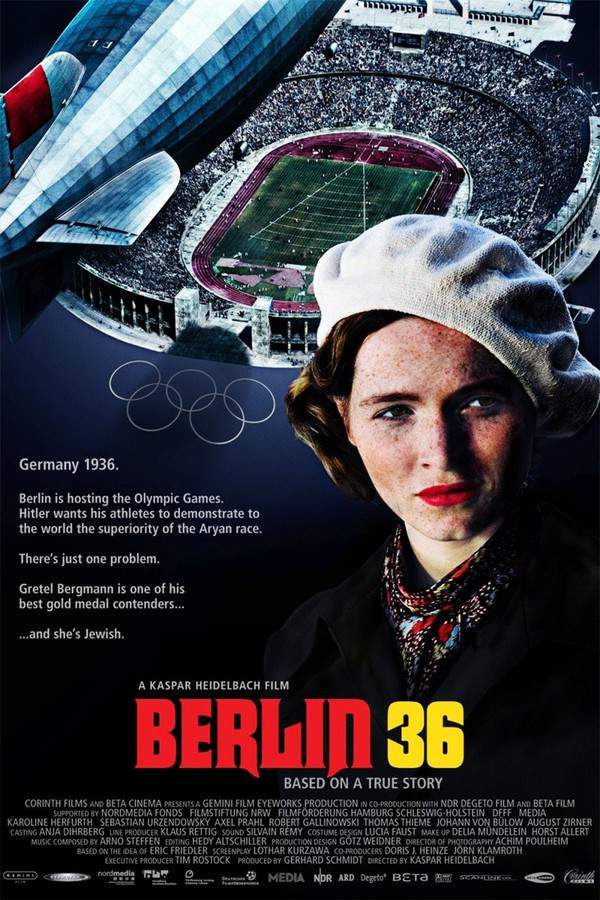
Berlin 36 (2011) movie poster

Characters & Themes

Berlin 36 (2011) Characters, Setting & Themes Explained

Release, runtime and language
2011 · 100 min · German
Loading streaming availability…
Directed by
Kaspar Heidelbach

During the 1936 Berlin Olympics, Jewish athlete Gretel Bergmann’s talent challenges the Nazi ideal of Aryan supremacy. Her potential for a gold medal threatens the regime’s propaganda, and she becomes entangled in a web of national pride and prejudice. As authorities conspire to undermine her, a surprising secret about her background emerges, which could have even more damaging consequences for the Nazi party.

On this page (7)
  1. 1 Where to watch
  2. 2 Characters explained (4)
  3. 3 Where & when it takes place
  4. 4 Themes & meaning (3)
  5. 5 Character & meaning questions
  6. 6 Movie threads
  7. 7 Every angle
Loading streaming availability…

4 main characters · contains spoilers

Berlin 36 Characters Explained: Who Is Who

The main characters of Berlin 36 (2011), heroes and villains: what drives them, how they change over the course of the story and what each of them reveals about the film's bigger ideas.

  • Gretel Bergmann

    Gretel Bergmann is a fiercely dedicated athlete whose talent is overshadowed by the oppressive political climate of Nazi Germany. Her resilience is tested as she confronts antisemitism and betrayal within her own team. Ultimately, Gretel's journey is one of empowerment as she navigates her challenges and seeks to assert her identity and right to compete.

    • 🏃‍♀️ Athlete
    • 🇩🇪 Jewish
    • 💔 Resilient
  • Marie Ketteler

    Marie Ketteler's character presents a poignant exploration of identity and deception, as he disguises himself as a female athlete to escape persecution. His elaborate efforts to maintain this facade symbolize the extreme lengths to which individuals will go to survive under oppressive regimes. Marie's internal conflict ultimately drives him to make a powerful choice in the climactic moments of the story.

    • 🤐 Secret
    • 🏅 Rival
    • 🌈 Identity
  • Hans Waldmann

    Hans Waldmann serves as Gretel’s supportive coach, embodying compassion amidst a hostile environment. His character reflects the struggle against the Nazi regime's influence over athletes, as he faces pressure and danger for advocating for Gretel's rights. Hans represents the voice of reason and support in a time of fear and uncertainty.

    • 🏋️‍♂️ Coach
    • 🤝 Supportive
    • 🎭 Sacrificing
  • Sigfrid Kulmbach

    Sigfrid Kulmbach is portrayed as the antagonist within the narrative, representing the ideological loyalty to the Nazi party. His tactics to undermine Gretel exemplify the high-stakes environment athletes faced during this era, where personal ambition clashed with political agendas. Kulmbach's role is a chilling reminder of the destructiveness of fanaticism.

    • 👮‍♂️ Antagonist
    • 🔥 Oppressive
    • 🎖️ Party Loyalist

Last updated: October 22, 2024 at 23:09

Was this helpful?

Setting

Where and When Does Berlin 36 Take Place?

The setting of Berlin 36 (2011): the year and time period, the places and locations, and how they shape the characters, the mood and the tension of the story.

Time period

1930s

The movie is set during the tumultuous 1930s, a time marked by the rise of the Nazi party and escalating anti-Semitic policies in Germany. This era saw profound changes in societal structures and a dramatic impact on the lives of Jewish people, notably affecting athletes like Gretel Bergmann as they navigated personal talents against a backdrop of oppression.

Location

Berlin, United Kingdom

The story takes place primarily in Berlin, a city that became a focal point of political tension during the Nazi regime, yet also serves as a stage for athletic excellence. The high jump championships are held in the United Kingdom, showcasing a contrasting environment of sportsmanship and camaraderie amidst growing international strife.

  • 🏙️ City
  • 🇩🇪 Germany
  • 🏅 Sports

Last updated: October 22, 2024 at 23:09

Was this helpful?

3 major themes

Berlin 36 Meaning: Themes & Message Explained

What is Berlin 36 (2011) really about? The emotional, social and philosophical themes the film keeps returning to, its symbolism and the message beneath the surface.

  • Sportsmanship

    The theme of sportsmanship is intricately woven into the narrative as Gretel Bergmann strives to succeed in high jump competitions, reflecting her dedication and skill. However, the theme also highlights the darker aspects of competition under a regime that distorted the purity of sports, revealing the true cost of victory and participation.

  • Identity

    Identity plays a crucial role, particularly through Marie Ketteler's struggle to conceal his true self as a man competing as a woman. This theme explores the complexities of gender and societal expectations, especially within the repressive environment of Nazi Germany, where conformity could determine one's fate.

  • Resistance

    The theme of resistance is embodied in Gretel and Marie's defiance against the oppressive norms imposed by the Nazi regime. Their friendship and shared struggle culminate in acts of rebellion that challenge the status quo, providing hope in the face of tyranny and a reminder of the power of solidarity.

Last updated: October 22, 2024 at 23:09

Was this helpful?

Character & theme questions

Berlin 36 Characters & Meaning: Your Questions Answered

The questions people ask about Berlin 36 (2011): who the characters really are, their relationships, what the symbols mean, where it takes place and what the movie is really about. Each answer contains spoilers.

Q1

Where is Berlin 36 set?

The movie primarily takes place in Berlin, Germany, which during the 1930s was the focal point of political tension under the Nazi regime. Some key athletic events, particularly the high jump championships, occur in the United Kingdom, providing a contrasting environment of sportsmanship away from the oppressive political climate of Germany.

  • berlin
  • germany
  • united kingdom
  • setting
  • nazi regime
  • olympics
Q2

What time period is Berlin 36 set in?

Berlin 36 is set during the 1930s, a tumultuous decade marked by the rise of the Nazi party and escalating anti-Semitic policies in Germany. This era dramatically impacted the lives of Jewish citizens, forcing athletes like Gretel Bergmann to navigate their personal talents against a backdrop of oppression and political persecution.

  • 1930s
  • nazi era
  • historical setting
  • third reich
  • olympics
Q3

What are the main themes in Berlin 36?

Berlin 36 explores three interconnected themes: sportsmanship, which highlights the corruption of athletic purity under Nazi politics; identity, particularly through the complex struggle of concealing one's true self; and resistance, embodied in the protagonists' defiance against oppressive norms. These themes intertwine to create a narrative about maintaining integrity under extreme political pressure.

  • sportsmanship
  • identity
  • resistance
  • nazi oppression
  • themes
Q4

Who is Gretel Bergmann in the movie?

Gretel Bergmann is a fiercely dedicated Jewish high jump athlete whose exceptional talent challenges the Nazi ideal of Aryan supremacy. Her presence in the 1936 Berlin Olympics threatens the regime's propaganda machine, making her a target of political manipulation and antisemitic discrimination. Her journey represents both athletic excellence and the struggle for basic rights under an oppressive regime.

  • gretel bergmann
  • jewish athlete
  • high jump
  • nazi discrimination
  • protagonist
Q5

Who is Marie Ketteler in Berlin 36?

Marie Ketteler is a character whose true identity becomes central to the story, a man competing as a female athlete to escape Nazi persecution. His elaborate disguise symbolizes the extreme measures individuals took to survive under the repressive Nazi regime. Marie's internal conflict drives significant moral choices in the story, particularly during climactic moments that challenge both his identity and loyalty.

  • marie ketteler
  • identity
  • gender disguise
  • survival
  • concealment
Q6

Who is Hans Waldmann in Berlin 36?

Hans Waldmann serves as Gretel Bergmann's supportive coach, representing compassion and reason in a hostile environment. Despite facing pressure and danger from the Nazi regime, he advocates for Gretel's right to compete and supports her throughout her journey. Hans embodies the moral struggle of those who resisted the regime's influence over athletics.

  • hans waldmann
  • coach
  • support
  • resistance
  • nazi regime
Q7

Who is Sigfrid Kulmbach in Berlin 36?

Sigfrid Kulmbach functions as the film's primary antagonist, representing ideological loyalty to the Nazi party. He employs various tactics to undermine Gretel Bergmann's athletic career, reflecting the high-stakes environment where personal ambition merged with political agendas. His character exemplifies the destructive nature of fanaticism and the corruption of sports by political ideology.

  • sigfrid kulmbach
  • antagonist
  • nazi party
  • opposition
  • villain
Q8

How does Berlin 36 portray sports under the Nazi regime?

The film portrays sports as a battleground for political propaganda, where athletic achievement became intertwined with ideological supremacy. The Nazi regime sought to exploit athletic victories to promote Aryan superiority, making athletes like Gretel Bergmann targets not just for their performance but for what their success would represent politically. The film reveals how the purity of competition was corrupted by the regime's need for propaganda victories.

  • sports
  • propaganda
  • nazi ideology
  • olympics
  • athletics
Q9

How does Berlin 36 explore identity?

Berlin 36 explores identity on multiple levels: through Gretel's Jewish identity threatened by antisemitism, through Marie's gender identity concealed for survival, and through the broader question of what it means to maintain one's true self under a regime that demands conformity. The film shows how oppressive systems force individuals to hide fundamental aspects of who they are to survive.

  • identity
  • concealment
  • jewish identity
  • gender
  • survival
Q10

How does Berlin 36 depict resistance?

Resistance in Berlin 36 takes both overt and subtle forms. Gretel's mere participation as a Jewish athlete defies Nazi ideology, while Marie's ultimate choices in the story represent a powerful act of rebellion. The film shows how solidarity between individuals, like Gretel and Marie, can become a form of resistance, providing hope against tyranny through collective acts of defiance.

  • resistance
  • defiance
  • nazi regime
  • rebellion
  • solidarity
Q11

What is the significance of the 1936 Berlin Olympics in the story?

The 1936 Berlin Olympics serve as the pivotal setting where the story's central conflict unfolds. Originally intended by the Nazi regime as a showcase of Aryan supremacy, the Olympics became a stage where Jewish athletes like Gretel Bergmann could potentially challenge the regime's propaganda. The film dramatizes how athletic competition took on enormous political weight during this historical moment.

  • 1936 olympics
  • berlin games
  • political significance
  • athletic competition

Movie threads

More Movies Like Berlin 36, by Mood & Story

Curated lists built around what makes Berlin 36 tick: the same mood, the same kind of story or the same emotional payoff. Each list explains why these movies belong together.

Historical dramas about defiance like Berlin 36

Personal acts of courage challenge overwhelming state power in historical settings. Explore movies like Berlin 36 that center on personal defiance against oppressive political systems. These historical dramas share a tense, heavy atmosphere and focus on the moral courage required to stand up to overwhelming power, often leading to complex, bittersweet conclusions.

  • defiant
  • oppressive
  • tense
  • historical
  • urgent
  • moral conflict
  • Tone: tense, grim, defiant
  • Pacing: steady, deliberate
Why these movies?

The story pattern: Narratives in this thread typically follow a protagonist whose conscience conflicts with a powerful, unethical regime. The journey involves escalating risk, moral quandaries, and ultimately a defining act of resistance. While the character may not achieve a conventional victory, their defiance serves as a powerful symbolic win against injustice.

Why they belong together: These films are grouped by their shared focus on individual resistance within a historically grim context. They create a similar viewing experience defined by high emotional stakes, a tense and oppressive tone, and a conclusion that balances the pain of loss with the nobility of the struggle.

Bittersweet sports dramas like Berlin 36

Where the real triumph isn't the medal, but the personal integrity preserved. If you liked Berlin 36, discover other sports movies where the victory is complex and bittersweet. These films explore rivalry and competition but prioritize moral and emotional triumphs over simple wins, often set against serious political or personal backdrops.

  • defiant
  • hopeful
  • tense
  • athletic
  • urgent
  • moral victory
  • Tone: tense, hopeful, bittersweet
  • Pacing: steady, building
Why these movies?

The story pattern: Stories in this thread use the framework of competition to explore larger themes of justice, identity, and integrity. The protagonist's athletic journey becomes a vehicle for a greater personal or ethical battle. The climax often involves a sacrifice or a subversion of the expected competitive outcome, leading to a victory that is spiritual or moral rather than purely physical.

Why they belong together: These movies share a specific narrative arc that subverts traditional sports movie tropes. They are united by a steady pacing that builds to an emotional climax, a heavy weight derived from high-stakes personal conflicts, and a conclusively bittersweet feeling that celebrates a deeper, more meaningful form of success.

Every angle

Berlin 36 (2011) Explained: Plot, Timeline & Characters

Everything about Berlin 36 in one place: what happens in the plot summary, the timeline in chronological order, the characters and meaning and a spoiler-free summary. What's After the Movie adds the cast, box office and post-credit scenes.

Coming soon on iOS and Android

The Plot Explained Movie Summary App

Plot summaries, endings explained and timelines on your phone. Catch up on any movie in minutes, save your favorites and never miss a twist again.

Be the first to know when we launch. Your email stays private, always.

Learn more about the app