Plot Explained Spoilers guaranteed!
Plot Explained

Browse by genre

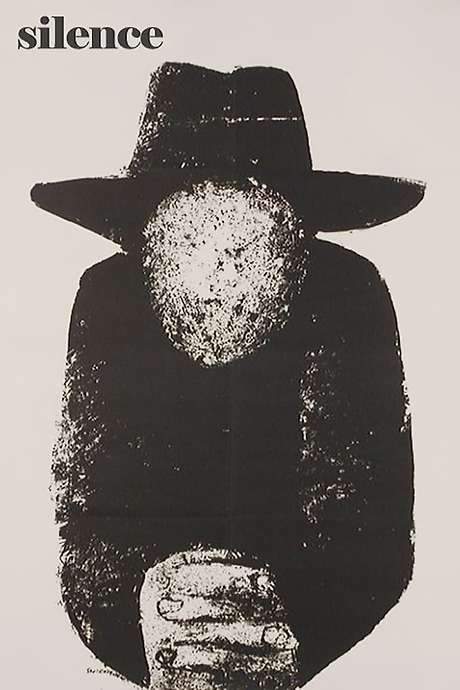
The Silent Revolution (2018) movie poster

Timeline

The Silent Revolution (2018) Timeline Explained – Every Event in Order

Release, runtime and language
2018 · 112 mins · German
Directed by
Lars Kraume
Starring
Ronald Zehrfeld, Burghart Klaußner, Florian Lukas, Jonas Dassler, Jördis Triebel, Judith Engel

In East Germany, 1956, a brief moment of silence during a classroom exercise triggers a chain of unexpected events. As the Hungarian uprising against the Soviets unfolds, a group of teenagers in Stalinstadt inadvertently instigates repercussions that will change their lives. Their seemingly innocuous act challenges the oppressive atmosphere of the time and exposes the fragility of control in a divided nation.

On this page (5)
  1. 1 Events in order (14)
  2. 2 Timeline questions answered
  3. 3 Movie threads
  4. 4 Movies like The Silent Revolution
  5. 5 Every angle

14 events in order · contains spoilers

The Silent Revolution Timeline: Events in Chronological Order

Every key event of The Silent Revolution (2018) in order, scene by scene, with when and where it takes place. Use it to untangle flashbacks, time jumps and parallel storylines, to refresh your memory before the sequel or to find the exact scene you are thinking of.

  1. Secret trip to West Berlin cinema

    In late 1956, Kurt and Theo secretly travel from Stalinstadt to West Berlin to see a cinema. They watch a newsreel about the Hungarian uprising, which heightens their awareness of political tensions in East Germany. When they return home, they begin convincing classmates to visit the nearby home of Edgar to listen to West Berlin radio.

    When
    late 1956
    Where
    West Berlin (cinema)
  2. Back home: gathering classmates to Edgar's house

    Back in Stalinstadt, Kurt and Theo persuade several classmates to visit Edgar's home to listen to RIAS. The group tunes in to West Berlin broadcasts and becomes aware of international events. This plan seeds future actions and the class's growing willingness to challenge authority.

    When
    same day
    Where
    Stalinstadt
  3. Listening to RIAS; Puskás misinformation

    At Edgar's, the students listen to RIAS and hear news of Ferenc Puskás's supposed death, which turns out to be misinformation designed to inflame protests. The revelation unsettles them and shows how easily information can be manipulated. The incident strengthens their resolve to stay connected with West Berlin sources.

    When
    that evening
    Where
    Edgar's home
  4. Moment of silence proposed by Kurt

    Kurt persuades the majority of the class to observe a moment of silence for the Hungarian victims before class starts. The gesture shocks their teacher and draws harsh attention from authorities. Erik notes that it is an act of protest in disguise.

    When
    the next class start
    Where
    Stalinstadt school
  5. Edgar's house: class votes to lie

    The class meets again at Edgar's home and votes to lie about what happened, agreeing to claim the moment of silence was a mourning tribute to footballer Puskás. The decision cements the group's solidarity while increasing the risk of exposure. They understand the potential fallout from their deception.

    When
    that evening
    Where
    Edgar's home
  6. Kessler begins an investigation

    Kessler, the zealous school superintendent, begins to look into the incident and to identify the instigator. She starts gathering information from students and reviewing the events surrounding the visit to Edgar and the RIAS broadcast. The pressure to find someone to blame intensifies quickly.

    When
    days later
    Where
    Kessler's office
  7. Lange arrives; incident labeled counter-revolutionary

    Fritz Lange, the minister for national education, arrives at the school and classifies the incident as counter-revolutionary. He demands that the class point to the instigator and escalates the political stakes for everyone involved. The mood shifts from curiosity to fear as officials take a hard line.

    When
    soon after
    Where
    School
  8. Punishment: no graduation

    Under pressure, the class remains silent and refuses to identify a single instigator. As punishment, they are prohibited from graduating, depriving them of a normal path forward. Their futures seem increasingly uncertain as the crackdown tightens.

    When
    the next day
    Where
    School
  9. Erik confesses; Edgar arrested

    Under pressure, Erik admits the full story about Edgar and listening to RIAS. Edgar is arrested, with Paul witnessing the arrest. The crackdown reinforces the consequences of speaking out and pressures others to stay silent.

    When
    that day
    Where
    Police/arrest scene
  10. Theo's father appeals to Lange

    Theo's father tries to reason with Lange about the uprising, but his pleas carry little weight. Lange remains unswayed, likely due to his own harsh view of dissent and his past involvement in 1953.

    When
    the same day
    Where
    Lange's office
  11. Interrogations and Erik's break

    The next day, Kessler interrogates every class member. To pressure Erik, she reveals that his revered father was a Nazi collaborator who was hanged by the Red Army. Erik cannot bear the revelation, shoots his firearm instructor, and is overpowered by three classmates, then confesses to having given up Kurt.

    When
    the following day
    Where
    School
  12. Kurt flees to West Berlin

    That evening, Kessler tries to persuade Kurt to place the blame on Erik, but Kurt refuses and escapes to West Berlin. His flight marks a decisive break with the regime's expectations and highlights the personal risks involved.

    When
    evening
    Where
    Stalinstadt
  13. Blame question; expulsion

    The next day, Kessler asks every class member to confirm that Kurt was the instigator. The class refuses to assign blame, maintaining solidarity, but they are expelled as a consequence. The decision seals their separation from the East German education system.

    When
    the next day
    Where
    School
  14. Mass flight to West Berlin

    Within a few days, the expelled students flee together to West Berlin to seek safety and freedom from the GDR. Their collective escape demonstrates the strength and peril of student dissent under an oppressive regime. The journey marks the end of this chapter and the beginning of a new, uncertain life in the West.

    When
    within a few days
    Where
    West Berlin

Last updated: October 09, 2025 at 15:26

Was this helpful?

Timeline questions answered

The Silent Revolution Timeline Explained: Your Questions Answered

When does it happen, and why in that order? The questions people ask about the chronology of The Silent Revolution (2018): time jumps, flashbacks, cause and effect between scenes and the correct order of events, each answered with spoilers.

Q1

Why was the moment of silence considered counter-revolutionary in East Germany?

The moment of silence for Hungary was seen as a direct political protest against the Soviet-aligned East German government. By mourning Hungarian victims of the Soviet suppression, the students were implicitly questioning the USSR's control over Eastern Europe and the GDR's own relationship with Moscow. The authorities viewed any expression of solidarity with anti-communist movements as a threat to state stability, especially in the tense period following the Hungarian uprising.

Foreshadowing: The students had already been listening to West Berlin radio broadcasts about the Hungarian uprising, which primed them for political action.

  • moment of silence
  • counter-revolutionary
  • East Germany
  • 1956
  • Hungarian uprising
  • Soviet
Q2

Why did Erik shoot his firearms instructor after the interrogation?

Kessler revealed during interrogation that Erik's father, whom Erik revered as a socialist hero, was actually a Nazi collaborator executed by the Red Army. This devastating revelation shattered Erik's entire identity and worldview. Overwhelmed by the trauma of learning his father was a traitor and the psychological pressure of the interrogation, Erik snapped and fired at his instructor before being subdued by classmates.

Foreshadowing: Erik had shown himself to be emotionally vulnerable throughout the investigation, and his reverence for his father was established early in the film.

  • Erik
  • interrogation
  • father
  • Nazi collaborator
  • Red Army
  • shooting
  • breakdown
Q3

What happened to Edgar after he was arrested?

Edgar, Paul's great-uncle whose home was used to listen to West Berlin radio, was taken into custody by the Stasi. The timeline does not specify his ultimate fate, but his arrest served as a warning to the family and demonstrated the harsh consequences of providing a space for dissent. Paul witnessed the arrest, which added to the psychological toll on the students.

Foreshadowing: The students had gathered at Edgar's house multiple times to listen to RIAS, making him a key link in the investigation.

  • Edgar
  • arrest
  • Stasi
  • Paul
  • listening to radio
  • RIAS
Q4

Why did the students lie and claim the moment of silence was for footballer Puskás?

When the authorities demanded an explanation for the moment of silence, the class collectively decided to lie and claim it was a mourning tribute to Hungarian footballer Ferenc Puskás, whose supposed death had been reported on RIAS (later proven false). This lie was a strategic attempt to deflect the political implications of their gesture by reframing it as an apolitical mourning for a sports figure, which they hoped would result in a lighter punishment.

Foreshadowing: The class had voted at Edgar's house to create a cover story, demonstrating their early commitment to solidarity.

  • Puskás
  • moment of silence
  • lie
  • cover story
  • football
  • class solidarity
Q5

Why was Theo's father unable to help his son when he appealed to Lange?

Theo's father attempted to reason with Minister Lange about the incident, but his pleas carried no weight because of his own past involvement in the 1953 East German uprising against the Soviet-backed government. This made him a politically unreliable figure in the eyes of the authorities, and Lange dismissed his concerns as the complaints of a known dissident. His prior protest history disqualified him from being seen as a credible voice.

Foreshadowing: The timeline establishes Theo's father's background as a 1953 protester, which is why his intervention fails.

  • Theo's father
  • Lange
  • 1953 uprising
  • appeal
  • political unreliable
  • dissident
Q6

What was the significance of Erik learning his father was a Nazi collaborator?

The revelation that Erik's father was a Nazi collaborator who was executed by the Red Army was devastating because it completely overturned Erik's understanding of his family history. Erik had believed his father was a socialist hero, which was central to his identity and political alignment. Learning he was actually a traitor to both Nazi Germany and the Soviet cause left Erik emotionally shattered and unable to reconcile his beliefs, leading to his violent breakdown.

Foreshadowing: Kessler strategically used this information as a weapon during interrogation, knowing it would break Erik psychologically.

  • Erik
  • father
  • Nazi collaborator
  • execution
  • Red Army
  • identity
  • betrayal
Q7

Why did Kurt refuse to blame Erik when Kessler asked?

When Kessler attempted to pressure Kurt into blaming Erik for the moment of silence, Kurt refused because he did not want to sacrifice his classmate to save himself. Kurt had been the actual originator of the moment of silence idea, but he chose not to let Erik take the fall. This act of moral courage led Kurt to flee to West Berlin that evening rather than participate further in the regime's attempts to divide and blame the students.

Foreshadowing: Kurt had shown leadership and moral conviction throughout the story, from proposing the moment of silence to maintaining solidarity with his classmates.

  • Kurt
  • refuse
  • blame
  • Erik
  • flee
  • West Berlin
  • moral courage
  • solidarity
Q8

Why did the class refuse to confirm Kurt was the instigator?

Despite pressure from Kessler, the entire class collectively refused to confirm that Kurt was the instigator of the moment of silence. This act of solidarity meant they all faced expulsion rather than allow one person to be scapegoated. The class chose to protect each other, demonstrating their united stance against the regime's divide-and-conquer tactics. Their refusal marked a powerful moment of collective resistance.

Foreshadowing: The class had previously voted to lie about the moment's purpose, showing their commitment to mutual protection throughout the crisis.

  • class solidarity
  • expulsion
  • Kurt
  • instigator
  • collective refusal
  • united stance
Q9

What happened to the students after they were expelled from school?

After being expelled for refusing to identify the instigator, the students faced a dire situation in East Germany. Within a few days, all the expelled students made the collective decision to flee together to West Berlin. This mass escape marked their final break with the GDR and the beginning of uncertain but free lives in the West, trading their homes and futures in East Germany for political freedom.

Foreshadowing: Kurt had already fled to West Berlin after refusing to blame Erik, setting the precedent for escape.

  • expelled students
  • flee
  • West Berlin
  • escape
  • divided Germany
  • freedom
Q10

Why was the Hungarian uprising important to the students in the film?

The Hungarian uprising of 1956 represented a real-world example of resistance against Soviet control that inspired the students. When Kurt and Theo learned about the anti-communist revolt through newsreels in West Berlin, they felt a connection to the struggle for freedom. The desire to show solidarity with the Hungarian people motivated their act of defiance, even though that solidarity was limited to a moment of silence in their classroom.

Foreshadowing: The film opens with the students' secret trip to West Berlin specifically to learn about events in Hungary.

  • Hungarian uprising
  • 1956
  • students
  • resistance
  • Soviet
  • newsreel
  • West Berlin
  • inspiration

Movie threads

More Movies Like The Silent Revolution, by Mood & Story

Curated lists built around what makes The Silent Revolution tick: the same mood, the same kind of story or the same emotional payoff. Each list explains why these movies belong together.

Political Dramas About Small Defiance Like The Silent Revolution

Stories where a minor act of resistance sparks massive, oppressive fallout. If you liked The Silent Revolution, explore more movies about small acts of rebellion with huge consequences. These tense historical and political dramas focus on the oppressive fallout from a single gesture of defiance, capturing the anxiety and solidarity of ordinary people under authoritarian control.

  • tense
  • oppressive
  • anxious
  • unsettling
  • defiant
  • claustrophobic
  • Tone: tense, oppressive, anxious
  • Pacing: steady, deliberate
Why these movies?

The story pattern: These narratives typically follow a linear, cause-and-effect structure. A simple, often collective, act of dissent sets off a chain reaction, pitting ordinary individuals against an all-powerful system. The story focuses on the investigation, paranoia, and psychological pressure that follows, leading to a climax where characters must face exile, punishment, or a profound moral victory at a great personal cost.

Why they belong together: Movies in this thread share a high-tension, oppressive mood and a steady, straightforward pacing that builds dread. They are united by themes of political control, the fragility of innocence, and the heavy emotional weight of confronting an unjust system, resulting in bittersweet or bleak endings where survival itself is a form of victory.

Coming-of-Age Stories in Oppressive Regimes Like The Silent Revolution

Young lives forever changed by the harsh realities of an authoritarian state. Discover movies similar to The Silent Revolution that blend coming-of-age dramas with intense political themes. These films follow teenagers who lose their innocence under authoritarian rule, where friendship and solidarity are tested by surveillance, betrayal, and the fight for personal freedom.

  • somber
  • tense
  • unsettling
  • defiant
  • loss of innocence
  • solidarity
  • Tone: somber, tense, bittersweet
  • Pacing: steady, character-driven
Why these movies?

The story pattern: The narrative pattern follows a group of young protagonists living in a controlled society. A catalytic event—often related to politics or war—forces them to see the world's harsh truths. Their bonds of friendship are tested by external pressure and internal betrayal, leading to a loss of innocence and a bittersweet transition into adulthood, marked by exile or a deeply changed understanding of home.

Why they belong together: These films are grouped by their heavy emotional weight and their focus on the painful intersection of personal growth and political awakening. They share a tense, somber mood, a steady pacing that allows for character development, and a consistent theme of lost innocence within a claustrophobic, oppressive world.

If you liked this

Movies Like The Silent Revolution

Similar movies to The Silent Revolution: the same genre, themes or kind of story. Each one comes with its own plot summary, timeline and ending explained.

Browse all movie summaries

Every angle

The Silent Revolution (2018) Explained: Plot, Timeline & Characters

Everything about The Silent Revolution in one place: what happens in the plot summary, the timeline in chronological order, the characters and meaning and a spoiler-free summary. What's After the Movie adds the cast, box office and post-credit scenes.

Coming soon on iOS and Android

The Plot Explained Movie Summary App

Plot summaries, endings explained and timelines on your phone. Catch up on any movie in minutes, save your favorites and never miss a twist again.

Be the first to know when we launch. Your email stays private, always.

Learn more about the app