Plot Explained Spoilers guaranteed!
Plot Explained

Browse by genre

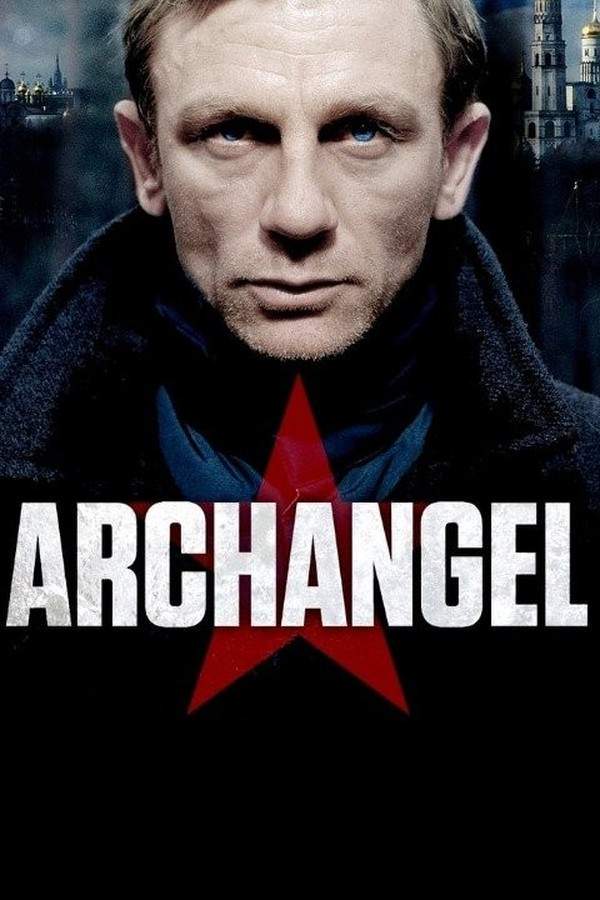
Archangel (1991) movie poster

Characters & Themes

Archangel (1991) Characters, Setting & Themes Explained

Release, runtime and language
1991 · 90 min · English
Loading streaming availability…
Directed by
Guy Maddin
Starring
Ari Cohen, David Falkenburg, Ihor Procak, Kathy Marykuca, Kyle McCulloch, Margaret Anne MacLeod

A troubled investigator teams up with a resourceful young girl to uncover dark secrets from the era of Josef Stalin's rule. Their investigation into a series of brutal events leads them down a dangerous path, forcing them to confront a web of lies and betrayals. Along the way, they experience a journey of redemption, complicated by an unexpected romantic connection, all set against the backdrop of a turbulent wartime landscape.

On this page (8)
  1. 1 Where to watch
  2. 2 Characters explained (9)
  3. 3 Where & when it takes place
  4. 4 Themes & meaning (4)
  5. 5 Character & meaning questions
  6. 6 Movie threads
  7. 7 Movies like Archangel
  8. 8 Every angle
Loading streaming availability…

9 main characters · contains spoilers

Archangel Characters Explained: Who Is Who

The main characters of Archangel (1991), heroes and villains: what drives them, how they change over the course of the story and what each of them reveals about the film's bigger ideas.

  • Lt. John Boles

    A one-legged Canadian soldier who arrives in Archangel and carries a burden of love for Iris. His fixation on Veronkha blurs with his memory of Iris and leads him to misread reality. He navigates a war-torn world with bravado that sometimes masks vulnerability and longing.

    • 🎖️ Soldier
    • 💔 Lovelorn
    • 🗺️ Wanderer
  • Iris

    Boles's dead lover whose urn is thrown overboard and whose memory haunts him throughout Archangel. Her absence shapes Boles's decisions and emotions, intertwining memory with desire.

    • 💔 Lost love
    • 🕯️ Memory
    • 🧭 Symbol
  • Veronkha

    A central figure caught between Veronkha's memory and her marriages. Her amnesia and complicated relationships with Philbin and Boles drive the film's emotional twists and the pursuit of identity.

    • 💑 Love triangle
    • 🧠 Amnesia
    • 🏰 Identity
  • Philbin

    Veronkha's husband who forgets their wedding and relives that day. His memory loss creates recurring moments of longing and conflict, complicating Boles's pursuit.

    • 🧠 Amnesia
    • 💍 Marriage
    • 🕰️ Repetition
  • Geza

    The brave son whose admiration for Boles and endurance under war culminate in a fatal battle. His death and later spectral return to his father underscore themes of honor and memory.

    • 🗡️ Courage
    • 👶 Child
    • 👻 Ghosts
  • Jannings

    The cowardly father who becomes part of the story's brutal violence and ultimately dies in the conflict. His arc marks a shift from fear to a final act of implied heroism.

    • 🧭 Family
    • 🗡️ Violence
    • 🏅 Sacrifice
  • Danchuk

    Geza's mother who shelters Boles and tends to the family, balancing warmth with war's harsh realities. She acts as a stabilizing, caring figure amid chaos.

    • 👩‍👦 Family
    • 💖 Compassion
    • 🏠 Hostility
  • Baba

    The grandmother whose presence embodies tradition and resilience, offering quiet wisdom in a world of upheaval.

    • 👵 Wisdom
    • 🕊️ Memory
    • 🏡 Home
  • Jilian

    Maddin's daughter makes a cameo as a young Cossack girl who orders an execution, adding a surreal, dreamlike moment to the film.

    • 👧 Cameo
    • 🗡️ Violence
    • 🖼️ Surreal

Last updated: November 22, 2025 at 15:33

Was this helpful?

Setting

Where and When Does Archangel Take Place?

The setting of Archangel (1991): the year and time period, the places and locations, and how they shape the characters, the mood and the tension of the story.

Time period

1919

The story unfolds in 1919, amid the Russian Civil War and a brief Allied intervention in Archangel. It juxtaposes military operations with fragile human rituals—marriages, memory experiments, and remembered loves—that shape the characters’ destinies. The period's chaos amplifies the tension between truth and illusion that drives the plot.

Location

Archangel, Russia

Archangel is a port city in northern Russia that serves as the backdrop for the film's events in 1919. The setting blends wartime occupation with intimate domestic spaces, from billets to the family home where personal dramas unfold. The harsh, windswept landscape underscores the fragility of life after World War I.

  • 🗺 Archangel
  • 🧭 Northern Russia

Last updated: November 22, 2025 at 15:33

Was this helpful?

4 major themes

Archangel Meaning: Themes & Message Explained

What is Archangel (1991) really about? The emotional, social and philosophical themes the film keeps returning to, its symbolism and the message beneath the surface.

  • Love vs War

    Love competes with the brutality of war, twisting memory into a refuge and a weapon. Iris's memory haunts Boles and Veronkha, shaping their choices and blurring reality. The film shows how attachment can both sustain and destroy, especially when war erases reliable anchors. In this context, romance becomes a fragile, costly operation on a battlefield.

  • Memory & Identity

    Memory is unstable and powerful, guiding actions as much as memory itself misleads. Veronkha's amnesia and the hypnosis scene create a web where reality and illusion collide. Boles's belief that Veronkha is Iris reveals how identity can be constructed from longing. The story uses memory to question what defines a person.

  • Heroism & Death

    Bravery and sacrifice punctuate the war's brutality. Geza's endurance and ultimate death, coupled with Jannings's grim acts, anchor the narrative in the costs of conflict. The film invites reflection on what makes someone a hero when humanity is fractured. Death is presented as both meaning-making and tragedy in Archangel's trenches.

  • Illusion & Fate

    The plot unfolds through dreamlike sequences, a treasure map, and repeated wedding ceremonies that mimic memory's loops. Veronkha's changing loyalties and Boles's pursuit raise questions about choice versus destiny. Illusion works as a lens on desire, memory, and the inescapable pull of the past. Fate seems to impersonate ritual in Archangel's unsettled world.

Last updated: November 22, 2025 at 15:33

Was this helpful?

Character & theme questions

Archangel Characters & Meaning: Your Questions Answered

The questions people ask about Archangel (1991): who the characters really are, their relationships, what the symbols mean, where it takes place and what the movie is really about. Each answer contains spoilers.

Q1

Where is the movie set?

The film takes place in Archangel, a port city in northern Russia. The harsh, windswept landscape of this Arctic location serves as a dramatic backdrop, blending wartime occupation with intimate domestic spaces like billets and family homes. The setting emphasizes the fragility of life in the aftermath of World War I.

  • archangel
  • russia
  • northern russia
  • setting
  • port city
Q2

When does the story take place?

The story unfolds in 1919, during the Russian Civil War and the Allied intervention in Archangel. This specific historical moment, amid military operations and political chaos, creates the context for the film's exploration of truth versus illusion, with the period's instability amplifying every character choice and emotional stakes.

  • 1919
  • russian civil war
  • time period
  • historical setting
Q3

What are the main themes?

The film explores four interconnected themes: Love vs War, where romance becomes a fragile operation on a battlefield; Memory & Identity, questioning what defines a person when memory is unstable; Heroism & Death, examining the cost of conflict and what makes a hero; and Illusion & Fate, using dreamlike sequences and looping rituals to explore desire and the pull of the past.

  • themes
  • love
  • war
  • memory
  • identity
  • heroism
  • illusion
  • fate
Q4

Who is Lt. John Boles?

Lt. John Boles is a one-legged Canadian soldier who arrives in Archangel carrying the burden of love for his dead lover, Iris. His fixation on Veronkha blurs with his memory of Iris, causing him to misread reality. He navigates the war-torn world with bravado that often masks deep vulnerability and longing for a lost love.

  • lt john boles
  • canadian soldier
  • iris
  • veronkha
  • protagonist
Q5

Who is Iris?

Iris is Boles's dead lover whose memory haunts him throughout the film. Her urn is thrown overboard early in the story, but her absence continues to shape Boles's decisions and emotions. The film uses her memory to explore how attachment can both sustain and destroy, especially when war erases reliable anchors.

  • iris
  • dead lover
  • boles memory
  • love interest
Q6

Who is Veronkha?

Veronkha is a central figure in the film who experiences amnesia and becomes entangled in complicated relationships with both Philbin and Boles. Her changing loyalties and identity struggles drive much of the film's emotional twists. She represents the blurred line between memory and reality that defines the movie's exploration of identity.

  • veronkha
  • amnesia
  • philbin
  • boles
  • identity
Q7

What genre is the film?

Archangel is a war drama with elements of comedy and romance. The film blends brutal war violence with surreal, almost whimsical moments, like fleeing rabbits or disciplinary whipping, that create a tonally complex work. The genres interact to produce both melancholic tragedy and absurdist humor, reflecting the film's exploration of memory and identity under extreme circumstances.

  • genre
  • drama
  • comedy
  • romance
  • war
  • tonal complexity
Q8

What role does memory play in the story?

Memory is central to Archangel, functioning as both a refuge and a weapon. Veronkha's amnesia and a hypnosis scene create a web where reality and illusion collide. Boles's belief that Veronkha is Iris reveals how identity can be constructed from longing. The film questions what defines a person when memory is unstable and unreliable.

  • memory
  • amnesia
  • identity
  • illusion
  • reality
Q9

Who are the other key characters?

Key supporting characters include Philbin, Veronkha's husband who forgets their wedding and relives that day repeatedly; Geza, the brave son who dies in battle and returns spectrally to his father; Jannings, the cowardly father who undergoes a shift from fear to implied heroism; Danchuk, Geza's mother who shelters Boles; and Baba, the grandmother embodying tradition and resilience.

  • philbin
  • geza
  • jannings
  • danchuk
  • baba
  • supporting characters
Q10

How would you describe the film's tone?

The tone is dominantly melancholic, anchored by themes of irretrievable loss and the destructive power of clinging to memory. However, the film also features surreal and absurd moments that create a whimsical layer contrasting with its bleak core. The pacing shifts between slow, dreamlike sequences of memory and delusion, and fast, chaotic bursts of battlefield violence.

  • tone
  • melancholic
  • surreal
  • dreamlike
  • bleak
  • whimsical
Q11

What historical events are referenced?

The film is set during the 1919 Russian Civil War, when Allied forces (including Canadian troops) intervened in northern Russia. This period saw intense military operations, political upheaval, and brutal violence. The Allied intervention in Archangel was a real historical event, and the film uses this chaos to explore themes of truth, illusion, and identity amid conflict.

  • russian civil war
  • allied intervention
  • 1919
  • historical
  • canadian troops
Q12

Is the film ending tragic?

Yes, the ending is bleak. The protagonist is destroyed and returns home with his life and love unfulfilled. This reinforces the film's meditation on the casualties of idealized love, Boles cannot let go of his memory of Iris, and this inability to move forward leads to his ultimate downfall. The tragic ending reflects the film's core themes of loss and the destructive power of clinging to memory.

  • ending
  • tragedy
  • bleak
  • unfulfilled
  • death
  • loss

Movie threads

More Movies Like Archangel, by Mood & Story

Curated lists built around what makes Archangel tick: the same mood, the same kind of story or the same emotional payoff. Each list explains why these movies belong together.

Melancholic historical dramas with heavy emotional weight like Archangel

Solemn journeys through war-torn pasts, where memory and loss cast a long shadow. Discover movies like Archangel that delve into the psychological aftermath of war and historical trauma. These films share a melancholic tone, complex narratives, and a haunting atmosphere, often featuring characters obsessed with uncovering painful truths from the past. If you were captivated by the bleak, memory-driven journey in Archangel, you'll find similar depth here.

  • melancholic
  • haunting
  • fatalistic
  • psychological
  • historical
  • trauma
  • Tone: melancholic, bleak, haunting
  • Pacing: variable, with slow contemplative stretches
Why these movies?

The story pattern: Narratives often involve an investigation or a personal quest to uncover a hidden truth from a traumatic past. The journey is rarely straightforward, blending reality with memory and delusion. Characters are typically consumed by their obsession, leading them down a dangerous path that reveals more about their own psychological state than the objective truth they seek, culminating in bleak or tragic realizations.

Why they belong together: These films are grouped by their shared commitment to exploring the weight of history on the human psyche. They prioritize a melancholic, haunting mood over straightforward resolution, using complex, often non-linear storytelling to reflect the fractured nature of memory and trauma. The emotional experience is consistently heavy and disorienting.

Surreal psychological investigations and disorienting mysteries like Archangel

Disorienting quests for truth where the investigator's sanity is the real mystery. If you liked the surreal detective story and psychological unraveling in Archangel, explore these films. They feature troubled protagonists on obsessive quests where the mystery is intertwined with their own trauma. Expect disorienting narratives, absurdity, and a dreamlike atmosphere that questions the very nature of truth and memory.

  • surreal
  • disorienting
  • absurd
  • psychological
  • obsessive
  • unraveling
  • Tone: disorienting, surreal, bleak
  • Pacing: variable, mixing chaos and stillness
Why these movies?

The story pattern: The plot follows a classic investigation structure but subverts it through a psychological and surreal lens. The protagonist, often already unstable, pursues clues that lead them through a landscape of their own making, where past and present collide. The outcome is typically tragic, as the quest consumes them, leaving them more broken than before, with the central mystery remaining ambiguously unresolved.

Why they belong together: These movies are connected by their unique blend of detective noir and psychological surrealism. They share a variable pacing that shifts between frantic investigation and dreamlike contemplation. The key similarity is the fusion of an external plot with an internal, psychological journey, creating a deeply disorienting and intellectually stimulating experience for the viewer.

If you liked this

Movies Like Archangel

Similar movies to Archangel: the same genre, themes or kind of story. Each one comes with its own plot summary, timeline and ending explained.

Browse all movie summaries

Every angle

Archangel (1991) Explained: Plot, Timeline & Characters

Everything about Archangel in one place: what happens in the plot summary, the timeline in chronological order, the characters and meaning and a spoiler-free summary. What's After the Movie adds the cast, box office and post-credit scenes.

Coming soon on iOS and Android

The Plot Explained Movie Summary App

Plot summaries, endings explained and timelines on your phone. Catch up on any movie in minutes, save your favorites and never miss a twist again.

Be the first to know when we launch. Your email stays private, always.

Learn more about the app