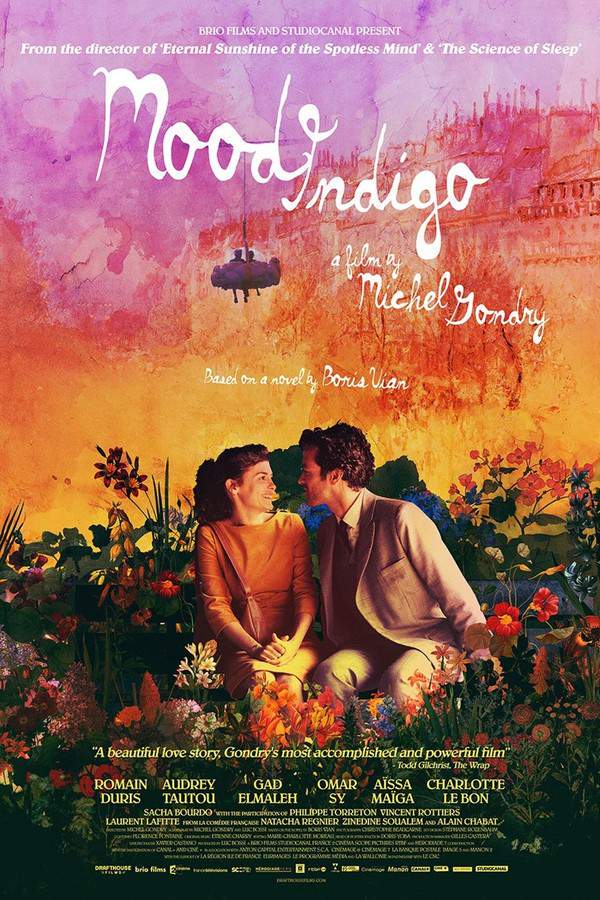
Across its interwoven timelines, the film traces the lives of Madeleine and the people who orbit her world, moving through Paris, Prague, Reims, London, Montréal, and New York to reveal how love, memory, and choice leave lasting echoes across decades.
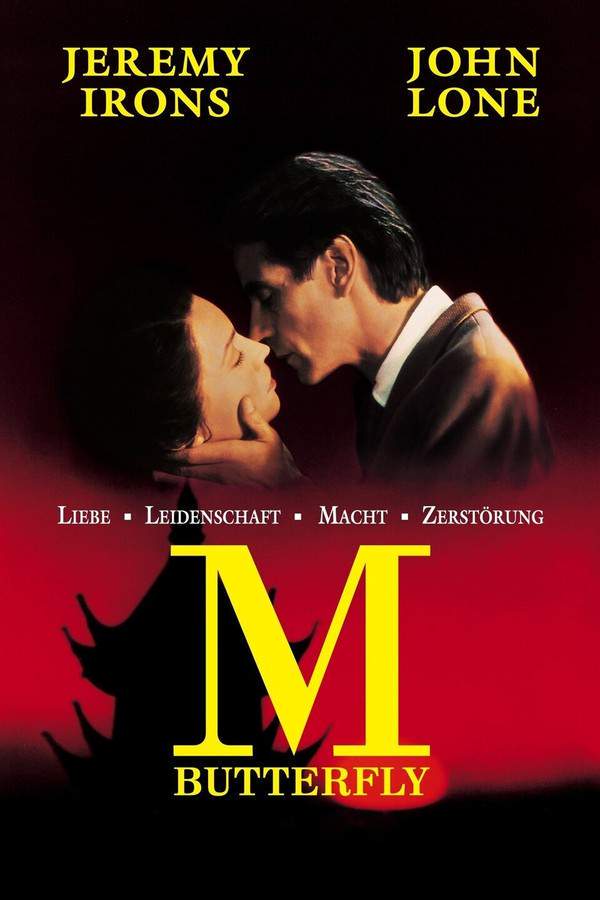
In 1964, Madeleine works as an assistant in a Parisian shoe shop, living a modest life that slowly twists into a precarious one when a combination of circumstance and need pushes her into sex work as a means to supplement her income. It is in this fragile frame that she meets Jaromil, a young Czech doctor, and the pair fall into a deep, consuming love. The romance is bright with possibility, yet it is tempered by the realities of their separate worlds and the pressures of their fledgling relationship.
By 1968, the couple finds themselves in Prague, where the glow of their early passion is tested by harsh truths. Madeleine discovers that Jaromil remains unfaithful, a revelation that shatters the dream she had built with him. Carrying the weight of this truth, she returns to France with their daughter, stepping away from the life she had begun with him but carrying the memory of their time together.
The narrative then threads forward to 1978, when Madeleine, now married to François, is living a life that has moved far from her earlier days. Yet Jaromil reappears, slipping through Paris as he travels, and he urges Madeleine to see him again, rekindling a connection that refuses to stay buried in the past.
In 1997, the focus widens to Véra, who travels to London with her lover and friend Clément as he promotes a book. In a bustling night club, she notices Henderson, an American man who seems intriguing and out of reach. A moment of honesty flickers between them when Henderson reveals he is gay, yet the attraction remains palpable. Parallel to this, Madeleine carries on in Reims with François, but she still crosses paths with Jaromil when he is in Paris, a reminder that old flames never quite fade. Tragedy strikes when Jaromil is struck by an accident and dies in hospital, a sudden upheaval that reshapes the lives of both Véra and Madeleine.
The year 1998 brings Véra back to London in search of Henderson, driven by a stubborn attraction that refuses to be silenced. The revelation that Henderson is HIV positive complicates and ultimately jeopardizes their relationship, underscoring the film’s quiet meditation on love confronting harsh, inexorable realities.
In 2001, Véra travels to New York to see Henderson again, but the events of 9/11 redirect her plans toward Montréal. There, she voices a longing to have a child with him, proposing a path that could shield a future generation from HIV through medical means. After a charged moment in which she leaves him and his partner, she makes a shocking choice: she takes his medications and ends her own life, a stark act that crystallizes the film’s themes of desire, ethics, and the costs of love.
By 2007, the delicate balance of Madeleine’s world has shifted into a fraught depression, haunted by the losses of her first lover and her daughter. Clément, urged by François, travels to Reims to mark Madeleine’s birthday. Together they return to Paris and wander through the places and memories of the 1960s, revisiting the haunts that defined a crucial chapter of her life and offering a final, reflective arc to a story that binds generations through time, place, and the endurance of longing.
The film unfolds with a measured, contemplative pace, letting the characters’ choices ripple outward through years and continents. Its tone remains restrained and human, never sensationalizing tragedy but rather inviting viewers to trace how intimate decisions can shape a lifetime. Across its mosaic structure, the work offers a portrait of love as a force that persists beyond circumstance, echoing through the cities that cradle its characters and the memories that keep them connected to one another.