Plot Explained Spoilers guaranteed!
Plot Explained

Browse by genre

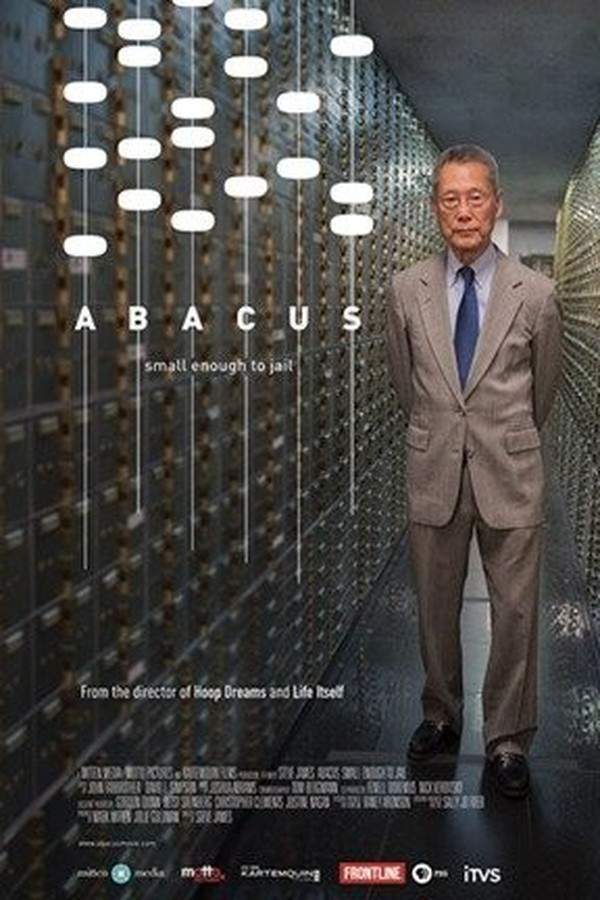
Abacus: Small Enough to Jail (2017) movie poster

Timeline

Abacus: Small Enough to Jail (2017) Timeline Explained – Every Event in Order

Release, runtime and language
2017 · 88 min · English
Echo score 75
Loading streaming availability…
Directed by
Steve James
Starring
David Lindorff, Don Lee, Jiayang Fan, Justin Deas, Linda Hall, Margaret Colin

This documentary follows Abacus Federal Savings, a community bank in Chinatown, as it faces accusations of mortgage fraud following the 2008 financial crisis. The Sung family, who run the bank, find themselves in a lengthy and challenging five-year legal battle against the Manhattan District Attorney's office. The film explores their struggle to defend their bank's reputation and the community legacy they've built, highlighting the immense pressure and obstacles they encounter in a fight against powerful institutions.

On this page (6)
  1. 1 Where to watch
  2. 2 Events in order (13)
  3. 3 Timeline questions answered
  4. 4 Movie threads
  5. 5 Movies like Abacus: Small Enough to Jail
  6. 6 Every angle
Loading streaming availability…

13 events in order · contains spoilers

Abacus: Small Enough to Jail Timeline: Events in Chronological Order

Every key event of Abacus: Small Enough to Jail (2017) in order, scene by scene, with when and where it takes place. Use it to untangle flashbacks, time jumps and parallel storylines, to refresh your memory before the sequel or to find the exact scene you are thinking of.

  1. Thomas Sung Founds Abacus Federal Savings Bank

    Chinese immigrant and attorney Thomas Sung establishes Abacus Federal Savings Bank to serve New York's Chinatown, a community long underserved by mainstream banks. He draws inspiration from his favorite film, It's a Wonderful Life, as he creates the institution his daughters will one day help run. Sung serves as the bank's founder and chairman.

    When
    1984
    Where
    Chinatown, New York City
  2. Abacus Weathers a Bank Run

    Rumors about the bank's stability send panicked depositors lining up to withdraw their savings, threatening to sink the young institution. Like George Bailey in It's a Wonderful Life, Sung works to calm the panic and steers the bank through the crisis. Abacus survives the run intact and carries on serving its community.

    When
    2003
    Where
    Chinatown, New York City
  3. The 2008 Financial Crisis Reshapes American Banking

    Large financial institutions fuel the housing collapse with widespread subprime mortgages and collateralized debt obligations, created to maximize profit without regard to risk. The devastation to society and the economy is enormous, yet the biggest players face no general criminal prosecution. This double standard forms the backdrop for Abacus's own encounter with the justice system.

    When
    2008
    Where
    United States
  4. Prosecutors Begin Investigating Abacus's Lending

    The New York County District Attorney's office begins scrutinizing Abacus after irregularities surface in its mortgage lending. Neil Barofsky, the former Special Treasury Department Inspector General overseeing TARP, explains that some Abacus borrowers and loan officers may have misrepresented information on loan applications, which technically constitutes a crime. He notes, however, that the loans had a very low rate of default, unlike typical mortgage fraudsters who have no intention of repaying.

    When
    Early 2010s
    Where
    Manhattan, New York City
  5. Abacus and Its Employees Are Indicted

    District Attorney Cyrus Vance Jr.'s office indicts Abacus Federal Savings Bank and 19 of its employees on charges that include mortgage fraud and enterprise corruption. It becomes the only bank in the United States to face criminal prosecution in the aftermath of the 2008 financial crisis. The charges put the tiny community bank's very survival at risk.

    When
    May 2012
    Where
    Manhattan, New York City
  6. The Sung Family Chooses to Fight the Charges

    Rather than plead guilty to a lesser offense or settle, the Sung family resolves to contest the indictment in court to defend the bank's name and their father's legacy. They understand the enormous risk involved, since mounting legal costs and damaging publicity could destroy the institution. The family, including the daughters who help lead the bank, remains united through the ordeal.

    Where
    New York City
  7. The Defense Prepares Its Case

    Defense lawyers Kevin Puvalowski and Rusty Wing, interviewed in the documentary, lay out their strategy for dismantling the prosecution's case. They argue that paperwork errors do not amount to intentional fraud and point to the bank's exceptionally low default rate as proof that no one sought to deceive or steal from lenders. Their central task is to convince the jury that sloppy lending is not the same thing as criminal fraud.

    Where
    Manhattan, New York City
  8. Cultural Practices Become Central to the Case

    The film examines Chinese American business customs that blur the line between informal finance and fraud: cash-only shops and restaurants that do not report their full income to the IRS, and parents who hand money to their children as gifts rather than formal loans. Documents and testimony are further complicated by the difference between a person's legal name and their colloquial or personal name. What prosecutors read as deception, the film suggests, was often simply cultural practice colliding with unfamiliar paperwork standards.

    Where
    Chinatown, New York City
  9. Abacus and Its Employees Are Acquitted

    After a lengthy legal battle, a jury acquits Abacus and the remaining employees on trial of all charges. The verdict vindicates the Sung family's refusal to back down and allows the bank to continue serving its community. Still, the family is left to grapple with the years of stress and reputational harm the prosecution caused.

    When
    June 2015
    Where
    Manhattan, New York City
  10. A Double Standard: Wall Street Stays Unprosecuted

    Neil Barofsky points out that there was never any general prosecution of the widespread subprime mortgage and collateralized debt obligation practices that were carried out to maximize profit without regard to risk. These Wall Street schemes had a far bigger impact on society and the economy than Abacus's small-scale lending ever did. The contrast exposes the disproportionality of a tiny immigrant bank facing criminal indictment while major institutions escaped charges altogether.

  11. Interviews and Storytelling Come Together

    The documentary assembles extensive interviews with the Sung family and past and present Abacus employees, recounting the bank's history and trial firsthand. It also features the perspectives of District Attorney Cyrus Vance Jr. and his staff, along with defense lawyers Kevin Puvalowski and Rusty Wing. Scenes from It's a Wonderful Life are inter-cut throughout, echoing the story of the small bank fighting for its survival.

    Where
    New York City
  12. The Documentary Reaches Audiences

    The finished documentary is released and brings the Sung family's story to viewers nationwide. By chronicling the only American bank prosecuted after the 2008 financial crisis, the film sparks discussion about prosecutorial priorities, race, and justice for immigrant communities. Its very title, referring to the bank being small enough to jail, captures the troubling logic of the case.

    When
    2017
  13. Academy Award Nomination

    The documentary earns a nomination for Best Documentary Feature at the Academy Awards. The honor brings the Sung family's David-and-Goliath battle to an even wider audience and cements the film's reputation as a landmark work of nonfiction.

    When
    2018
    Where
    Hollywood, Los Angeles

Last updated: October 15, 2026 at 23:42

Was this helpful?

Timeline questions answered

Abacus: Small Enough to Jail Timeline Explained: Your Questions Answered

When does it happen, and why in that order? The questions people ask about the chronology of Abacus: Small Enough to Jail (2017): time jumps, flashbacks, cause and effect between scenes and the correct order of events, each answered with spoilers.

Q1

Why was Abacus the only bank indicted after the 2008 financial crisis?

Abacus Federal Savings became the sole bank criminally prosecuted in the aftermath of the 2008 financial crisis, even though widespread subprime mortgages and collateralized debt obligations caused far greater economic devastation. While the major Wall Street institutions responsible for those practices faced no general criminal prosecution, the Manhattan District Attorney's office under Cyrus Vance Jr. indicted Abacus and 19 of its employees in May 2012. The documentary uses this contrast to argue that Abacus was targeted for being an easy-to-target community bank rather than for the scale of its alleged wrongdoing.

Foreshadowing: The 2008 financial crisis timeline entry foreshadows this disparity by noting that the biggest players faced no general criminal prosecution despite enormous societal harm.

  • abacus prosecution
  • 2008 financial crisis
  • mortgage fraud
  • Cyrus Vance
  • double standard
Q2

Why did the Sung family choose to fight the charges instead of settling?

The Sung family rejected a plea deal or quiet settlement to defend their father's legacy and the bank's reputation in Chinatown. They understood the enormous financial and reputational risks involved, since years of mounting legal costs and damaging publicity could have destroyed the institution entirely. By taking the case to trial, the family, united through the ordeal, aimed to clear Abacus's name rather than allow a guilty plea to permanently stain their community work.

Foreshadowing: Thomas Sung's determination during the 2003 bank run, echoing George Bailey in It's a Wonderful Life, foreshadows the family's later willingness to fight rather than concede.

  • sung family
  • legal battle
  • settlement
  • plea deal
  • bank reputation
Q3

Why is the documentary titled 'Small Enough to Jail'?

The title 'Abacus: Small Enough to Jail' captures the central irony of the case: a tiny immigrant community bank faced criminal indictment while far larger institutions that caused the 2008 financial crisis escaped prosecution. It implies that Abacus was targeted precisely because, as a small bank serving Chinatown, it lacked the political influence and resources to shield itself from charges. The phrase frames the entire documentary as an examination of disproportionality in the American justice system.

  • title meaning
  • small enough to jail
  • prosecutorial overreach
  • immigrant bank
Q4

How did Chinese American cultural practices factor into the prosecution?

Several common Chinese American business customs complicated the legal case against Abacus, including cash-only shops and restaurants that don't report full income to the IRS, parents giving money to children as 'gifts' rather than formal loans, and the widespread use of colloquial names that differ from legal names. What prosecutors interpreted as deceptive behavior, the film argues, often reflected cultural practices that simply didn't align with mainstream lending documentation standards. The defense had to educate the jury about these norms to distinguish cultural practice from criminal intent.

  • chinese american
  • cultural practices
  • cash business
  • gifts vs loans
  • legal names
Q5

What was the difference between Abacus's lending practices and typical mortgage fraud?

Neil Barofsky, the former Special Treasury Department Inspector General overseeing TARP, explained that while some Abacus borrowers and loan officers may have misrepresented information on loan applications, Abacus's loans maintained a very low default rate, proving borrowers had genuine intent to repay. This stands in stark contrast to typical mortgage fraud, where fraudsters obtain loans through deception with no intention of paying them back. The default rate became central to the defense's argument that sloppy paperwork was not the same as criminal intent.

  • mortgage fraud
  • default rate
  • Neil Barofsky
  • TARP
  • intent to repay
Q6

What charges did Abacus Bank and its employees face?

In May 2012, the Manhattan District Attorney's office indicted Abacus Federal Savings Bank and 19 of its employees on charges including mortgage fraud and enterprise corruption. These charges put the tiny community bank's very survival at risk and represented an unprecedented action against a small bank following the 2008 financial crisis. The breadth of the indictment, covering both the institution and individual employees, raised the stakes enormously for the Sung family and the Chinatown community.

  • indictment
  • charges
  • mortgage fraud
  • enterprise corruption
  • 19 employees
Q7

What was the outcome of the trial?

After a legal battle that stretched across roughly five years, a jury acquitted Abacus and the remaining employees on trial of all charges in June 2015. The verdict vindicated the Sung family's refusal to accept a settlement and allowed the bank to continue serving its Chinatown community. Even with the win, the family was left to grapple with years of stress, mounting legal fees, and reputational harm caused by the prolonged prosecution.

  • acquittal
  • verdict
  • jury
  • sung family vindicated
  • 2015
Q8

Why did Neil Barofsky argue that Abacus's lending wasn't real fraud?

Neil Barofsky, the former Special Treasury Department Inspector General who oversaw TARP, drew a sharp line between minor misrepresentations on loan applications and actual mortgage fraud by pointing to Abacus's exceptionally low default rate. He argued that borrowers with a genuine intent to repay, even when paperwork contained errors or cultural discrepancies, were fundamentally different from fraudsters who never intended to pay back loans obtained through deception. His testimony provided critical outside validation for the defense's central argument.

  • Neil Barofsky
  • TARP inspector general
  • low default rate
  • intent to repay
  • defense argument
Q9

How did It's a Wonderful Life influence Thomas Sung's founding of Abacus?

Thomas Sung, a Chinese immigrant and attorney, drew direct inspiration from the classic film It's a Wonderful Life when establishing Abacus Federal Savings in 1984 to serve Chinatown, a community long underserved by mainstream banks. The film's story of a small, community-oriented bank fighting to survive mirrored Sung's own vision for Abacus's role in the neighborhood. This cinematic parallel is reinforced throughout the documentary through inter-cut scenes, especially during moments when Sung had to defend the bank against existential threats.

Foreshadowing: Sung's early admiration for It's a Wonderful Life foreshadows both his calm leadership during the 2003 bank run and his family's later willingness to fight the indictment.

  • It's a Wonderful Life
  • Thomas Sung
  • Chinatown bank
  • founding
  • inspiration
Q10

What happened during the 2003 bank run at Abacus?

In 2003, rumors about Abacus's stability sent panicked depositors lining up to withdraw their savings, threatening to sink the still-young institution. Like George Bailey in It's a Wonderful Life, Thomas Sung worked to calm the frightened customers and steered the bank through the crisis personally. Abacus survived the run intact and continued serving its Chinatown neighborhood, an experience that demonstrated the resilience and community trust that would later define the family's approach to the five-year legal battle.

Foreshadowing: The 2003 bank run foreshadows Sung's willingness to personally fight for the bank, a trait that recurs when the family refuses to settle the mortgage fraud charges.

  • bank run
  • 2003
  • Thomas Sung
  • Chinatown
  • depositors

Movie threads

More Movies Like Abacus: Small Enough to Jail, by Mood & Story

Curated lists built around what makes Abacus: Small Enough to Jail tick: the same mood, the same kind of story or the same emotional payoff. Each list explains why these movies belong together.

David vs Goliath institutional battles like in Abacus: Small Enough to Jail

Ordinary people and small institutions refusing to buckle under crushing institutional pressure. Movies like Abacus: Small Enough to Jail that follow ordinary people or small institutions taking on prosecutors, governments, and corporate giants. If you liked the methodical courtroom pressure, sustained investigative tension, and ultimate underdog vindication of the Sung family story, these films deliver the same gripping fight against the system.

  • tense
  • courtroom drama
  • david vs goliath
  • methodical
  • procedural
  • investigative
  • Tone: tense, methodical, heavy
  • Pacing: steady, procedural
Why these movies?

The story pattern: These stories typically begin with an accusation, an indictment, or a sudden collision between a small player and a powerful adversary. The narrative unfolds in measured, procedural beats—filings, hearings, depositions, expert testimonies—building tension through accumulation rather than spectacle. Characters are forced to exhaust personal and financial resources while maintaining composure and conviction. Climaxes tend to be vindication, acquittal, or settlement, often bittersweet, exposing the asymmetry of institutional power even in victory.

Why they belong together: They share a TENSE, methodical tone driven by sustained procedural stakes and an investigative rhythm. They center morally clear protagonists whose persistence against institutional overreach creates empathy and suspense. The pacing is deliberate, the complexity is high, and the emotional weight is heavy, with endings that are often bittersweet rather than triumphant.
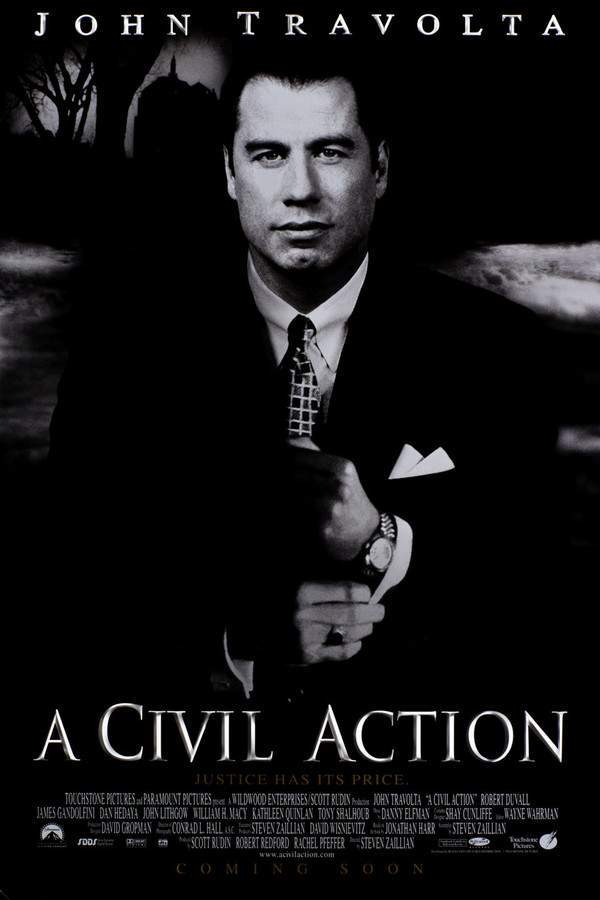
Immigrant family stories under pressure like in Abacus: Small Enough to Jail

Communities whose hard won place in a new country is tested by forces they cannot control. Movies like Abacus: Small Enough to Jail that explore immigrant communities facing systemic pressure, financial upheaval, and accusations from mainstream institutions. If you were moved by the Sung family's fight to protect their Chinatown bank and community legacy, these films share that bittersweet, heavy focus on immigrant families caught between their hard won American lives and forces that refuse to see them as American.

  • immigrant experience
  • community legacy
  • racial profiling
  • family business
  • systemic injustice
  • resilient
  • Tone: bittersweet, serious, heavy
  • Pacing: steady, reflective
Why these movies?

The story pattern: Stories in this thread trace a family or cultural institution through a crisis that exposes the precariousness of their belonging. Generations, cultural practices, and community ties are tested as characters confront external hostility, economic devastation, or legal jeopardy. The narrative often balances intimate family dynamics with broader social critique, and endings lean bittersweet—survival achieved, but the wounds of suspicion and exclusion linger.

Why they belong together: They share a HEAVY emotional register centered on immigrant families and community institutions facing structural pressures. Tones tend to be bittersweet with serious, resilient undercurrents. Pacing is steady and reflective, complexity is layered, and the films privilege cultural specificity alongside universal themes of belonging and injustice.

If you liked this

Movies Like Abacus: Small Enough to Jail

Similar movies to Abacus: Small Enough to Jail: the same genre, themes or kind of story. Each one comes with its own plot summary, timeline and ending explained.

Browse all movie summaries

Every angle

Abacus: Small Enough to Jail (2017) Explained: Plot, Timeline & Characters

Everything about Abacus: Small Enough to Jail in one place: what happens in the plot summary, the timeline in chronological order, the characters and meaning and a spoiler-free summary. What's After the Movie adds the cast, box office and post-credit scenes.

Coming soon on iOS and Android

The Plot Explained Movie Summary App

Plot summaries, endings explained and timelines on your phone. Catch up on any movie in minutes, save your favorites and never miss a twist again.

Be the first to know when we launch. Your email stays private, always.

Learn more about the app