Plot Explained Spoilers guaranteed!
Plot Explained

Browse by genre

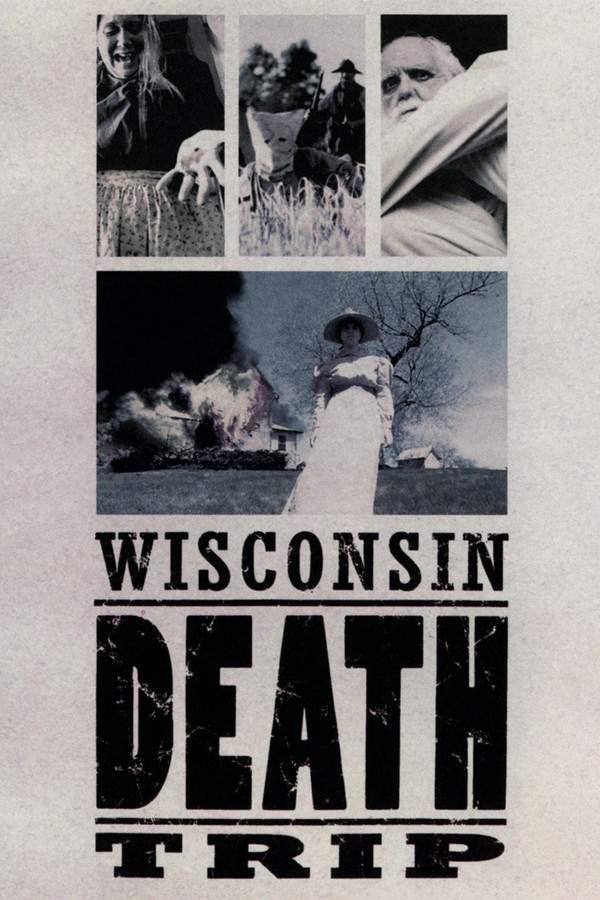
Wisconsin Death Trip (2001) movie poster

Characters & Themes

Wisconsin Death Trip (2001) Characters, Setting & Themes Explained

Release, runtime and language
2001 · 76 min · English
Loading streaming availability…
Directed by
James Marsh

In late 19th century Wisconsin, a small town experiences a disturbing unraveling as it descends into chaos. A combination of economic hardship and a harsh climate appears to have fueled a series of dark events, including murder, arson, madness, disease, and widespread despair. Using a combination of restored archival footage and reimagined news reports, the film explores the unsettling events that plagued Black River Falls, revealing a community struggling against overwhelming adversity and a loss of hope.

On this page (8)
  1. 1 Where to watch
  2. 2 Characters explained (3)
  3. 3 Where & when it takes place
  4. 4 Themes & meaning (3)
  5. 5 Character & meaning questions
  6. 6 Movie threads
  7. 7 Movies like Wisconsin Death Trip
  8. 8 Every angle
Loading streaming availability…

3 main characters · contains spoilers

Wisconsin Death Trip Characters Explained: Who Is Who

The main characters of Wisconsin Death Trip (2001), heroes and villains: what drives them, how they change over the course of the story and what each of them reveals about the film's bigger ideas.

  • Mary Sweeny

    Mary is a local schoolteacher whose descent into chaos mirrors the turmoil of the community. Suffering from a cocaine-fueled breakdown, she unleashes destruction that contributes to the societal madness around her. Her character reflects the struggle with addiction and mental instability.

    • 🧑‍🏫 Schoolteacher
    • 💔 Troubled
  • Pauline L'Allemand

    A mysterious French opera singer, Pauline seeks to find stability in a chaotic environment. Her eccentric behavior and claims of mentorship from spirits indicate her crumbling mental state. Her journey embodies the search for acceptance amid societal judgment and mental health issues.

    • 🎤 Opera Singer
    • 🌀 Eccentric
  • John Isaacson

    John is a troubled figure who descends into delusion, believing he is on a mission to vanquish evil. His actions, including holding a meeting at knifepoint, illustrate the connection between faith, mental health, and violence in a community grappling with despair.

    • 🔪 Delusional
    • ✝️ Faith-driven

Last updated: October 22, 2024 at 22:06

Was this helpful?

Setting

Where and When Does Wisconsin Death Trip Take Place?

The setting of Wisconsin Death Trip (2001): the year and time period, the places and locations, and how they shape the characters, the mood and the tension of the story.

Time period

19th century, mid-to-late twentieth century

The narrative primarily takes place in the turbulent 1890s, a time marked by economic upheaval, immigration, and societal challenges. This period witnesses various violent and bizarre events as communities grapple with despair and chaos. Juxtaposed against this, references to the mid-to-late twentieth century highlight the lasting impact of these events on local myths and infamous figures.

Location

Brandon, Brockway, Mendota, northern Wisconsin, Chicago

The story unfolds in the rural expanse of northern Wisconsin, particularly in towns like Brandon and Brockway. Known for its serene landscapes, this region is marred by economic strife and chaos as the 19th century approaches its end. The nearby Mendota Hospital symbolizes the struggle with mental health amidst societal collapse, while Chicago represents a glimmer of hope and a fresh start for some of the characters.

  • 🏡 Town
  • 🏞️ Rural Area

Last updated: October 22, 2024 at 22:06

Was this helpful?

3 major themes

Wisconsin Death Trip Meaning: Themes & Message Explained

What is Wisconsin Death Trip (2001) really about? The emotional, social and philosophical themes the film keeps returning to, its symbolism and the message beneath the surface.

  • Tragedy

    Tragedy pervades the story as characters confront unimaginable loss and despair. The events lead to horrifying outcomes, including multiple suicides and acts of violence, shaping the community's psyche. Each character’s journey reflects the broader theme of how the environment can drive individuals to commit acts of desperation.

  • Violence

    The film explores the senseless and brutal violence that overwhelms a once peaceful community. Characters engage in horrific acts, revealing the darker sides of human nature and how societal pressures can lead to explosive consequences. This theme underscores the fragility of social order during times of crisis.

  • Mental Health

    The deterioration of mental health is a prominent theme as characters exhibit signs of torment and delusion. Pauline, Mary, and others find themselves caught in a web of hallucinations and irrational fears, raising questions about the community's understanding of mental illness. The film starkly portrays how untreated mental health issues can spiral into tragedy.

Last updated: October 22, 2024 at 22:06

Was this helpful?

Character & theme questions

Wisconsin Death Trip Characters & Meaning: Your Questions Answered

The questions people ask about Wisconsin Death Trip (2001): who the characters really are, their relationships, what the symbols mean, where it takes place and what the movie is really about. Each answer contains spoilers.

Q1

Where is the movie set?

The film takes place in northern Wisconsin, primarily in small towns like Brandon and Brockway. These rural communities, known for their otherwise serene landscapes, become the backdrop for the series of tragic events described in the documentary.

  • settings
  • brandon
  • brockway
  • northern wisconsin
  • locations
Q2

What time period does the film cover?

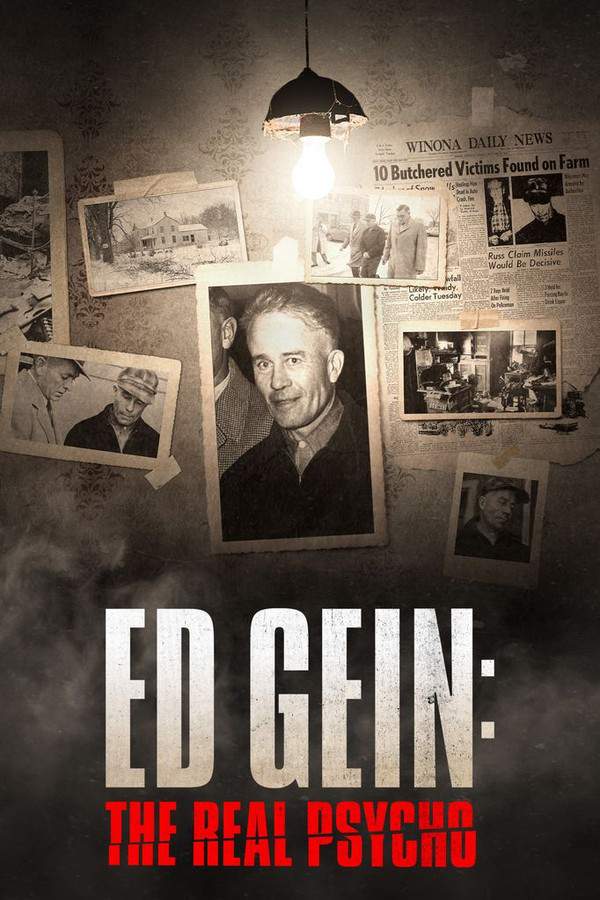
The main narrative unfolds in the 1890s, a decade marked by economic upheaval, immigration, and widespread societal challenges in Wisconsin. The film also briefly references the mid-to-late twentieth century to connect these historical events to later infamous figures like Ed Gein and Jeffrey Dahmer.

  • 1890s
  • time period
  • historical era
  • 1890s wisconsin
Q3

What role does Mendota Hospital play?

Mendota Hospital represents the community's struggle with mental health during the period. Asylums like this were often the only options for those experiencing mental crises, and the film highlights how inadequate understanding and treatment of mental illness contributed to the tragedy.

  • mendota hospital
  • mental health
  • asylum
  • healthcare
Q4

What are the main themes explored?

The film centers on three interconnected themes: tragedy, which shows how loss and despair consume the community; violence, depicting how societal pressures erupt into brutal acts; and mental health, illustrating how untreated psychological struggles lead to devastating outcomes.

  • themes
  • tragedy
  • violence
  • mental health
  • despair
Q5

How does the film portray tragedy?

Tragedy pervades every character arc as individuals face unimaginable loss, leading to multiple suicides and acts of violence. The documentary shows how the harsh economic conditions and brutal climate drive people to desperate acts, reflecting how environment can break human spirit.

  • tragedy
  • despair
  • suicide
  • loss
Q6

How does Wisconsin Death Trip address mental health?

The film starkly portrays mental illness through characters like Mary Sweeny and Pauline L'Allemand, showing their hallucinations, delusions, and cocaine-fueled breakdowns. It highlights the community's limited understanding of mental illness and how lack of proper care spiraled into tragedy.

  • mental illness
  • psychological breakdown
  • hallucinations
  • cocaine addiction
Q7

Who is Pauline L'Allemand?

Pauline is a mysterious French opera singer who arrives seeking stability in the chaotic community. Her eccentric behavior and claims of mentorship from spirits reveal her deteriorating mental state, embodying the search for acceptance amid judgment and mental health struggles.

  • pauline l'allemand
  • opera singer
  • french
  • mental instability
Q8

Who is Mary Sweeny?

Mary is a local schoolteacher whose personal descent into chaos mirrors the broader community turmoil. Her cocaine-fueled breakdown leads to destructive actions that contribute to the surrounding madness, reflecting the intersection of addiction and mental instability.

  • mary sweeny
  • schoolteacher
  • cocaine
  • addiction
Q9

Who is John Isaacson?

John is a troubled character who descends into religious delusion, believing he is divinely tasked with vanquishing evil. His actions, including holding a meeting at knifepoint, illustrate the dangerous connection between faith, mental illness, and violence in a desperate community.

  • john isaacson
  • delusion
  • religious mania
  • violence
  • faith
Q10

Why is Chicago referenced in the film?

Chicago represents a glimmer of hope and possibility of escape for some characters in the film. It symbolizes an alternative to the struggling Wisconsin towns, offering a potential fresh start away from the economic hardship and despair afflicting the rural communities.

  • chicago
  • escape
  • hope
  • opportunity
  • urban migration
Q11

Why does the ending reference Ed Gein and Jeffrey Dahmer?

The film concludes by linking the 19th-century tragedies to Wisconsin natives Ed Gein and Jeffrey Dahmer, suggesting a cycle of darkness rather than resolution. This connection implies that the societal and psychological forces depicted in the 1890s left a lasting legacy on the region.

Foreshadowing: The film's buildup of violence and mental illness creates a context that makes this darker connection feel inevitable.

  • ed gein
  • jeffrey dahmer
  • serial killers
  • legacy
  • connection
Q12

What kind of community does the film depict?

The film portrays a once-peaceful rural Wisconsin community that unravels under the weight of economic hardship, harsh climate, and widespread despair. The documentary shows how social order becomes fragile during times of crisis, with violence and madness spreading through the town.

  • community
  • social collapse
  • rural america
  • despair
  • societal breakdown

Movie threads

More Movies Like Wisconsin Death Trip, by Mood & Story

Curated lists built around what makes Wisconsin Death Trip tick: the same mood, the same kind of story or the same emotional payoff. Each list explains why these movies belong together.

Historical Collapse Documentaries like Wisconsin Death Trip

True stories of communities unraveling under economic and social pressure. Discover movies like Wisconsin Death Trip that explore true historical tragedies and community breakdowns. If you were fascinated by the bleak depiction of a town's descent into madness, these similar historical documentaries and docudramas capture the same oppressive mood and thematic focus on despair.

  • disturbing
  • somber
  • grim
  • historical
  • true crime
  • oppressive
  • Tone: bleak, melancholic
  • Pacing: variable, episodic
Why these movies?

The story pattern: Stories in this thread are typically structured as a chronicle or series of vignettes, documenting the cumulative effect of adverse events like economic depression, disease, or environmental disaster on a population. The narrative often lacks a central hero, instead focusing on the collective psychological unraveling and the escalation of dark events.

Why they belong together: These movies are grouped together for their shared commitment to portraying true historical despair, their bleak and oppressive tone, and their use of documentary-style storytelling to examine the grim realities of societal collapse.

Unflinching Portraits of Despair like Wisconsin Death Trip

Relentless narratives where hope is methodically extinguished by overwhelming adversity. Find more films like Wisconsin Death Trip that deliver a heavy, bleak viewing experience. This selection features movies with similar themes of despair, mental illness, and community decay, offering an unflinching look at tragic events for viewers who appreciate intense, melancholic narratives.

  • bleak
  • oppressive
  • heavy
  • disturbing
  • unsettling
  • tragic
  • Tone: bleak, disturbing
  • Pacing: variable, steady
Why these movies?

The story pattern: The narrative pattern is one of steady or accelerating decline. The central conflict is often an unstoppable external force (like economic collapse) or an internal one (like widespread mental illness), leading to a cascade of tragic events. The journey is downward, culminating in a bleak ending that confirms the overwhelming nature of the adversity.

Why they belong together: Movies in this thread are united by their exceptionally bleak tone, high emotional intensity, and focus on themes of mental anguish, societal breakdown, and profound tragedy. They prioritize creating an immersive, oppressive atmosphere over providing narrative comfort or resolution.

If you liked this

Movies Like Wisconsin Death Trip

Similar movies to Wisconsin Death Trip: the same genre, themes or kind of story. Each one comes with its own plot summary, timeline and ending explained.

Browse all movie summaries

Every angle

Wisconsin Death Trip (2001) Explained: Plot, Timeline & Characters

Everything about Wisconsin Death Trip in one place: what happens in the plot summary, the timeline in chronological order, the characters and meaning and a spoiler-free summary. What's After the Movie adds the cast, box office and post-credit scenes.

Coming soon on iOS and Android

The Plot Explained Movie Summary App

Plot summaries, endings explained and timelines on your phone. Catch up on any movie in minutes, save your favorites and never miss a twist again.

Be the first to know when we launch. Your email stays private, always.

Learn more about the app