Plot Explained Spoilers guaranteed!
Plot Explained

Browse by genre

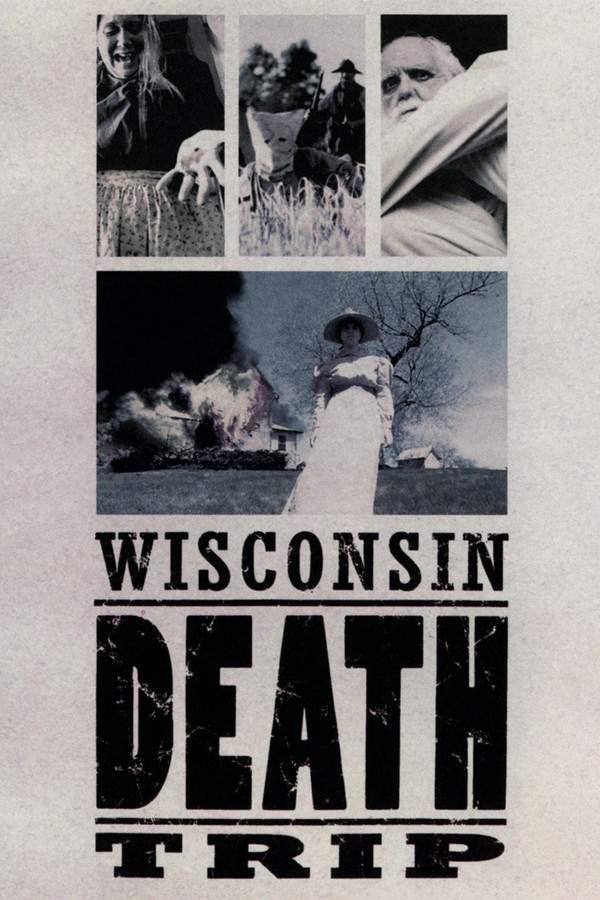
Wisconsin Death Trip (2001) movie poster

Timeline

Wisconsin Death Trip (2001) Timeline Explained – Every Event in Order

Release, runtime and language
2001 · 76 min · English
Directed by
James Marsh

In late 19th century Wisconsin, a small town experiences a disturbing unraveling as it descends into chaos. A combination of economic hardship and a harsh climate appears to have fueled a series of dark events, including murder, arson, madness, disease, and widespread despair. Using a combination of restored archival footage and reimagined news reports, the film explores the unsettling events that plagued Black River Falls, revealing a community struggling against overwhelming adversity and a loss of hope.

On this page (5)
  1. 1 Events in order (15)
  2. 2 Timeline questions answered
  3. 3 Movie threads
  4. 4 Movies like Wisconsin Death Trip
  5. 5 Every angle

15 events in order · contains spoilers

Wisconsin Death Trip Timeline: Events in Chronological Order

Every key event of Wisconsin Death Trip (2001) in order, scene by scene, with when and where it takes place. Use it to untangle flashbacks, time jumps and parallel storylines, to refresh your memory before the sequel or to find the exact scene you are thinking of.

  1. Economic Collapse

    As the 19th century nears its end, northern Wisconsin faces a devastating economic crisis. The downfall of multiple mines and the collapse of banks trigger widespread fear and chaos within the predominantly immigrant community.

    When
    Late 19th century
    Where
    Northern Wisconsin
  2. Mary Sweeny's Breakdown

    Local schoolteacher Mary Sweeny experiences a cocaine-fueled breakdown, leading to violent outbursts. Her destruction results in broken windows across homes and buildings, reflecting the turmoil engulfing the community.

  3. Tragic Violence Among Siblings

    A deaf and mute boy undergoes a tragic event when he inexplicably commits an act of violence against his sister. This incident shatters their previously peaceful family dynamic, highlighting the increasing chaos in the area.

  4. Murder in Brandon

    In the town of Brandon, two young criminals attack a farmer in a savage assault, culminating in his murder by a shotgun blast. This brutal act triggers panic and a massive manhunt for the older brother, John, who ultimately faces life imprisonment.

    Where
    Brandon
  5. Norwegian Girl's Suicide

    A Norwegian teenage girl tragically drowns herself in a nearby lake, leaving behind a heartbreaking suicide note. Her death, tied to abuse and exploitation from her parents, marks a turning point, leading others to follow suit in despair.

    Where
    Nearby Lake
  6. Arson in the Community

    Anna, a young Polish girl, is revealed to be responsible for a series of devastating arsons that ravage local properties. Her actions further heighten the community's anxiety and sense of impending doom.

  7. Unthinkable Filicide

    Amid rising tensions, a father commits the horrific act of killing his infant son and attempts to murder his wife. This violent outburst amplifies the community's fears and unpredictability, reflecting the chaos taking hold.

  8. Despair Sparks Violence

    A young man, rejected by a woman to whom he proposed marriage, tragically murders her before taking his own life. This act of desperation showcases the extreme emotional toll the community's turmoil has inflicted on its inhabitants.

  9. Delusions in the Community

    As madness spreads, John Isaacson takes it upon himself to rid the world of evil, believing he is combating Satan. He even convenes a Christian meeting at knifepoint, signposting the depths of paranoia overtaking the community.

  10. Starvation and Witchcraft

    A German immigrant engages in the deliberate starvation of his livestock, blaming their deaths on witchcraft. This peculiar action adds to the eerie atmosphere of superstitions and rampant delusions gripping the area.

  11. Mrs. Dutton's Delusion

    Mrs. Dutton from La Crosse descends into a delusion, believing she is the reincarnation of Jesus. Her warped perception leads to tragic consequences as she takes the lives of her three children in a drowning incident.

    Where
    La Crosse
  12. Pauline L'Allemand Arrives

    Pauline L'Allemand, a French opera singer, arrives in Brockway, claiming she has inherited land. Skepticism from the locals about her appearance and intentions highlights the disarray enveloping the community.

    Where
    Brockway
  13. Pauline's Mental Decline

    As Pauline attempts to establish a new life, she begins to suffer from auditory hallucinations, convinced she is in contact with spirits. This further illustrates her deteriorating mental state amidst the already turbulent environment.

  14. Collapse of Local Businesses

    Parallel to the personal tragedies, local businesses face collapse due to the economic crisis. The middle-aged populace becomes embroiled in infidelity and violence, compounding the distress permeating the community.

  15. Mary Sweeny's Rampage

    Having been released from Mendota Hospital, Mary Sweeny wanders the area, continuing her path of destruction. Her return heightens fears as the community grapples with an overwhelming sense of despair and madness.

Last updated: November 22, 2024 at 18:43

Was this helpful?

Timeline questions answered

Wisconsin Death Trip Timeline Explained: Your Questions Answered

When does it happen, and why in that order? The questions people ask about the chronology of Wisconsin Death Trip (2001): time jumps, flashbacks, cause and effect between scenes and the correct order of events, each answered with spoilers.

Q1

Why did Mary Sweeny have a violent breakdown?

Mary Sweeny, a local schoolteacher, suffered a cocaine-fueled mental breakdown that caused her to go on a destructive rampage, breaking windows in various homes and buildings. The film presents this incident as one of many signs of the community's unraveling under extreme economic hardship and social desperation. After her release from Mendota Hospital, she returns to the area and continues her path of destruction, demonstrating that her mental state did not improve.

  • mary sweeny
  • cocaine
  • breakdown
  • mental illness
  • mendota hospital
Q2

What caused the economic collapse in northern Wisconsin?

The economic crisis was triggered by the sudden downfall of multiple mines and the collapse of banks in northern Wisconsin. This devastated a community already populated predominantly by German, Swedish, and Norwegian immigrants who had limited resources to fall back on. The financial collapse created widespread fear and chaos, setting the stage for the subsequent wave of violence, madness, and despair that gripped the region.

  • economic crisis
  • mines
  • banks
  • collapse
  • wisconsin immigrants
Q3

Why did the Norwegian teenage girl commit suicide?

A Norwegian teenage girl drowned herself in a lake after leaving a suicide note that revealed she had been subjected to severe abuse and exploitation by her parents. Her tragic death became a turning point in the community, inspiring other young lovers to follow suit in desperate acts of self-destruction, choosing to end their lives through hanging and other methods.

  • norwegian girl
  • suicide
  • abuse
  • exploitation
  • parents
Q4

What happened to Pauline L'Allemand at Mendota Hospital?

Pauline L'Allemand, a French opera singer who arrived in Brockway claiming to have inherited land, began experiencing auditory hallucinations and became convinced she was communicating with spirits. When her son Edgar stole cement to repair their crumbling home, the incident led to a trial that exposed her erratic behavior and bizarre conspiracy theories about Catholicism. She was ultimately judged legally insane and committed to Mendota Hospital, though she later escaped and resurfaced in Chicago claiming she was tormented by a ventriloquist in the adjacent room.

  • pauline lallemand
  • opera singer
  • hallucinations
  • mendota hospital
  • insanity
Q5

Why did a father kill his own infant son?

In one of the most disturbing incidents, a father committed filicide by brutally killing his infant son before attempting to murder his wife. The film presents this act as part of the broader pattern of violence and madness sweeping through the community, where the extreme economic hardship and pervasive sense of despair pushed individuals to commit unthinkable acts against their own families.

  • filicide
  • father kills son
  • violence
  • family
  • despair
Q6

Why did so many people in the community go mad?

The community descended into madness due to a combination of factors: the devastating economic crisis that wiped out livelihoods, the harsh northern Wisconsin climate, and the overwhelming sense of hopelessness. This created a perfect storm where individuals succumbed to various delusions, paranoia, and violent outbursts - from John Isaacson believing he was vanquishing Satan to Mrs. Dutton believing she was the reincarnation of Jesus, and Mrs. Lawson believing she was haunted by Satan.

  • madness
  • delusions
  • paranoia
  • community
  • economic hardship
Q7

Why did Anna set fire to multiple properties?

Anna, a young Polish girl, was revealed to be the culprit behind a string of arsons that devastated numerous properties in the community. Her arson attacks further agitated an already fraught community already struggling with economic collapse and rising violence. The film does not elaborate extensively on her specific motivations, but presents her actions as another manifestation of the widespread chaos consuming the town.

  • anna
  • arson
  • fire
  • polish girl
  • destruction
Q8

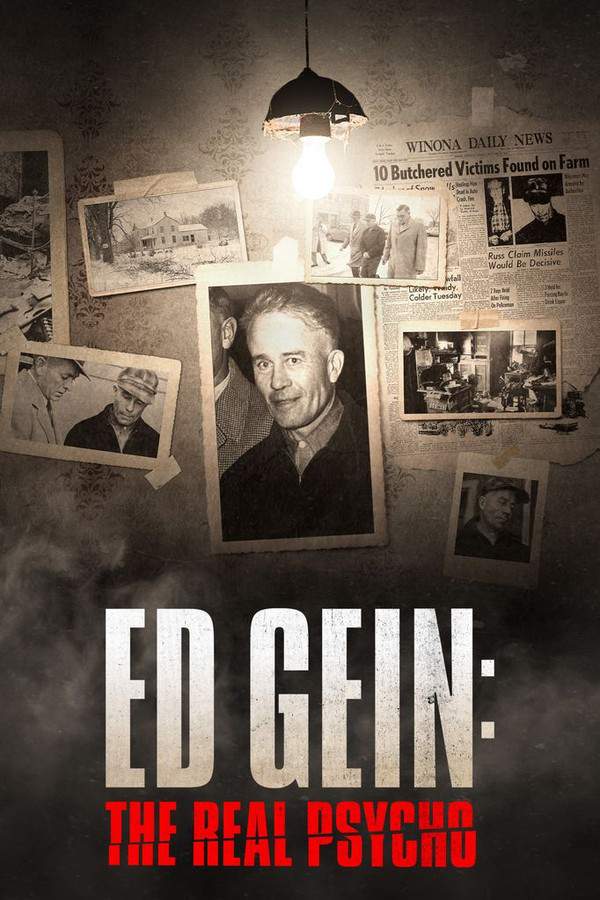
Why does the film mention Ed Gein and Jeffrey Dahmer?

The film ends by linking the disturbing 19th-century events in Wisconsin to the notorious crimes of Wisconsin natives Ed Gein and Jeffrey Dahmer. This connection suggests a cycle of darkness and psychological darkness that persisted in the region across centuries, rather than offering any resolution or hope. The ending reinforces the film's bleak tone by implying these tragic events were part of a longer, darker history unique to Wisconsin.

  • ed gein
  • jeffrey dahmer
  • wisconsin
  • criminals
  • connection
Q9

Why did John Isaacson believe he was fighting Satan?

John Isaacson became consumed by delusions of grandeur and paranoia, believing he was divinely tasked with vanquishing Satan from the world. In his delusional state, he took an entire Christian meeting at knifepoint, forcibly gathering the congregation to pursue what he believed was his holy mission. His actions exemplify the extreme paranoia and religious delusions that spread through the community as mental health deteriorated across the region.

  • john isaacson
  • satan
  • delusion
  • religious
  • paranoia
Q10

Why did a young man murder a woman after she rejected his proposal?

A young man proposed marriage to a woman who rejected him. Consumed by despair and emotional turmoil caused by the community's broader crisis, he murdered her in a moment of passion before turning the gun on himself. This tragedy exemplifies the extreme emotional toll the widespread desperation inflicted on individuals, transforming personal rejection into lethal violence.

  • rejected proposal
  • murder
  • suicide
  • despair
  • young man

Movie threads

More Movies Like Wisconsin Death Trip, by Mood & Story

Curated lists built around what makes Wisconsin Death Trip tick: the same mood, the same kind of story or the same emotional payoff. Each list explains why these movies belong together.

Historical Collapse Documentaries like Wisconsin Death Trip

True stories of communities unraveling under economic and social pressure. Discover movies like Wisconsin Death Trip that explore true historical tragedies and community breakdowns. If you were fascinated by the bleak depiction of a town's descent into madness, these similar historical documentaries and docudramas capture the same oppressive mood and thematic focus on despair.

  • disturbing
  • somber
  • grim
  • historical
  • true crime
  • oppressive
  • Tone: bleak, melancholic
  • Pacing: variable, episodic
Why these movies?

The story pattern: Stories in this thread are typically structured as a chronicle or series of vignettes, documenting the cumulative effect of adverse events like economic depression, disease, or environmental disaster on a population. The narrative often lacks a central hero, instead focusing on the collective psychological unraveling and the escalation of dark events.

Why they belong together: These movies are grouped together for their shared commitment to portraying true historical despair, their bleak and oppressive tone, and their use of documentary-style storytelling to examine the grim realities of societal collapse.

Unflinching Portraits of Despair like Wisconsin Death Trip

Relentless narratives where hope is methodically extinguished by overwhelming adversity. Find more films like Wisconsin Death Trip that deliver a heavy, bleak viewing experience. This selection features movies with similar themes of despair, mental illness, and community decay, offering an unflinching look at tragic events for viewers who appreciate intense, melancholic narratives.

  • bleak
  • oppressive
  • heavy
  • disturbing
  • unsettling
  • tragic
  • Tone: bleak, disturbing
  • Pacing: variable, steady
Why these movies?

The story pattern: The narrative pattern is one of steady or accelerating decline. The central conflict is often an unstoppable external force (like economic collapse) or an internal one (like widespread mental illness), leading to a cascade of tragic events. The journey is downward, culminating in a bleak ending that confirms the overwhelming nature of the adversity.

Why they belong together: Movies in this thread are united by their exceptionally bleak tone, high emotional intensity, and focus on themes of mental anguish, societal breakdown, and profound tragedy. They prioritize creating an immersive, oppressive atmosphere over providing narrative comfort or resolution.

If you liked this

Movies Like Wisconsin Death Trip

Similar movies to Wisconsin Death Trip: the same genre, themes or kind of story. Each one comes with its own plot summary, timeline and ending explained.

Browse all movie summaries

Every angle

Wisconsin Death Trip (2001) Explained: Plot, Timeline & Characters

Everything about Wisconsin Death Trip in one place: what happens in the plot summary, the timeline in chronological order, the characters and meaning and a spoiler-free summary. What's After the Movie adds the cast, box office and post-credit scenes.

Coming soon on iOS and Android

The Plot Explained Movie Summary App

Plot summaries, endings explained and timelines on your phone. Catch up on any movie in minutes, save your favorites and never miss a twist again.

Be the first to know when we launch. Your email stays private, always.

Learn more about the app