Plot Explained Spoilers guaranteed!
Plot Explained

Browse by genre

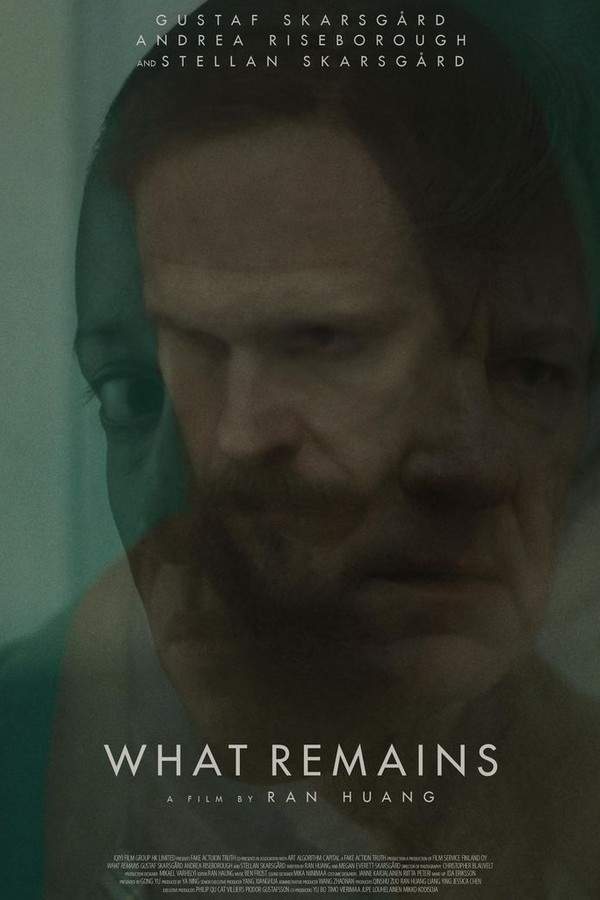
What Remains (2024) movie poster

Characters & Themes

What Remains (2024) Characters, Setting & Themes Explained

Release, runtime and language
2024 · 2 h 6 m · English
Echo score 38
Directed by
Ran Huang
Starring
Stellan Skarsgård, Andrea Riseborough, Gustaf Skarsgård, Éva Magyar, Jussi Kostamo, Antti Luusuaniemi

Set in 1990s Scandinavia, this film explores the unsettling relationship that develops when a notorious serial killer, Mads Lake, confesses to a series of murders and is subsequently convicted. As Mads, his therapist Anna Rudebeck, and the investigating officer Soren Rank attempt to uncover the full truth, their complex alliance is tested, leading to a blurring of boundaries between obsession and the possibility of redemption.

On this page (7)
  1. 1 Characters explained (3)
  2. 2 Where & when it takes place
  3. 3 Themes & meaning (3)
  4. 4 Character & meaning questions
  5. 5 Movie threads
  6. 6 Movies like What Remains
  7. 7 Every angle

3 main characters · contains spoilers

What Remains Characters Explained: Who Is Who

The main characters of What Remains (2024), heroes and villains: what drives them, how they change over the course of the story and what each of them reveals about the film's bigger ideas.

  • Mads Lake (Gustaf Skarsgård)

    An enigmatic Scandinavian man whose turbulent past and apparent charisma mask deeper psychological turmoil. He is portrayed as the central figure whose behavior triggers suspicion and fear in others. His volatile temperament and haunted memories drive the tension, challenging other characters' perceptions. The portrayal invites scrutiny of whether he is a victim, perpetrator, or both.

    • 🧠 Complex psyche
    • 🕳️ Hidden past
    • 🧭 Ambiguity
  • Pastor

    A local religious figure whose connections to the town’s secrets suggest a moral center that may be more fragile than it appears. His involvement hints at how faith and community pressure intersect with guilt and accountability. The character embodies the idea that authority can complicate the pursuit of truth.

    • ⛪️ Religious influence
    • 🕯️ Secrets
  • Ex-convict

    A figure tied to the town’s darker history, whose return rekindles old resentments and raises questions about loyalties and justice. His presence exposes the ways past crimes continue to haunt the present and shape local dynamics. The character embodies the blurred lines between crime and punishment within a tight-knit community.

    • 🚪 Criminal past
    • 🌫️ Secrecy

Last updated: October 27, 2025 at 16:43

Was this helpful?

Setting

Where and When Does What Remains Take Place?

The setting of What Remains (2024): the year and time period, the places and locations, and how they shape the characters, the mood and the tension of the story.

Time period

1990s

Set in the 1990s, the story unfolds in a pre-digital era where investigations rely more on interviews and traditional forensics. The era’s social dynamics shape trust and suspicion within the town, coloring everyone’s actions. The plot’s real-world inspiration from the Thomas Quick case anchors its psychological intrigue in a specific historical context. The time frame contributes to a sense of moral ambiguity that the film explores.

Location

Small-town Scandinavia

The film unfolds in a remote Scandinavian town surrounded by dense forests, creating a claustrophobic atmosphere. The close-knit community means secrets spread quickly and reputations are heavily scrutinized. The town’s social fabric is intertwined with religious institutions, which influence how guilt and innocence are perceived.

  • 🌲 Forested setting
  • 🏘️ Close-knit community
  • ⛪️ Religious influence

Last updated: October 27, 2025 at 16:43

Was this helpful?

3 major themes

What Remains Meaning: Themes & Message Explained

What is What Remains (2024) really about? The emotional, social and philosophical themes the film keeps returning to, its symbolism and the message beneath the surface.

  • Psychology

    The film centers on a deeply damaged psyche, portraying a psychopathic figure whose actions trigger a cascade of moral ambiguity. Mads Lake's presence drives the story, pulling characters into a maze of motives and hidden traumas. The narrative leans into unreliable perceptions, inviting viewers to question what really happened. As the story unfolds, the boundaries between victim and perpetrator blur, leaving room for interpretation.

  • Mystery

    A small-town murder becomes a hinge for broader secrets, linking a pastor and an ex-convict to the central crime. Investigation is slow, data-limited, and colored by personal histories rather than clear forensic facts. Suspicions are raised and red herrings introduced, challenging any straightforward truth. The mystery remains unsettled, reflecting the film's aim to provoke dialogue rather than deliver neat answers.

  • Atmosphere

    The mood is thick with fog, dusk, and the oppressive stillness of a forested landscape. Sound design and pacing create a sense of unease, even when the plot stalls. This atmospheric approach underlines the film's focus on psychological rather than action-driven suspense.

Last updated: October 27, 2025 at 16:43

Was this helpful?

Character & theme questions

What Remains Characters & Meaning: Your Questions Answered

The questions people ask about What Remains (2024): who the characters really are, their relationships, what the symbols mean, where it takes place and what the movie is really about. Each answer contains spoilers.

Q1

Where is the film set?

The film takes place in a remote Scandinavian town surrounded by dense forests. This isolated setting creates a claustrophobic atmosphere where the close-knit community means secrets spread quickly and reputations are heavily scrutinized. Religious institutions play a significant role in the town, influencing how guilt and innocence are perceived.

  • scandinavian town
  • remote setting
  • forested
  • close-knit community
Q2

What time period is the film set in?

The story is set in the 1990s, a pre-digital era where investigations rely more on interviews and traditional forensics. This time frame contributes to a sense of moral ambiguity and shapes how trust and suspicion develop within the town. The 1990s setting also connects the film to its real-world inspiration from the Thomas Quick case.

  • 1990s
  • time period
  • pre-digital era
  • historical context
Q3

What are the main themes?

The film explores three primary themes: psychology, mystery, and atmosphere. The psychological theme centers on a damaged psyche and the moral ambiguity of a psychopathic figure. The mystery theme involves a small-town murder that becomes a hinge for broader secrets, with the truth remaining unsettled. The atmospheric theme emphasizes fog, dusk, and the oppressive stillness of the forested landscape.

  • psychology
  • mystery
  • atmosphere
  • themes
Q4

Who is Mads Lake?

Mads Lake is the central figure of the film, a notorious serial killer whose confession triggers the entire story. He is portrayed as an enigmatic man whose turbulent past and apparent charisma mask deeper psychological turmoil. The portrayal invites viewers to question whether he is a victim, perpetrator, or both, blurring the lines between victim and perpetrator.

  • mads lake
  • serial killer
  • psychopath
  • central character
Q5

What role does the Pastor play in the story?

The Pastor is a local religious figure whose connections to the town's secrets suggest a moral center that may be more fragile than it appears. His involvement hints at how faith and community pressure intersect with guilt and accountability. The character embodies how authority can complicate the pursuit of truth in a small community.

  • pastor
  • religious figure
  • church
  • authority
Q6

Who is the Ex-convict in the film?

The Ex-convict is a figure tied to the town's darker history, whose return rekindles old resentments and raises questions about loyalties and justice. His presence exposes how past crimes continue to haunt the present and shape local dynamics. The character embodies the blurred lines between crime and punishment within a tight-knit community.

  • ex-convict
  • community
  • past crimes
  • justice
Q7

How does the setting affect the story's tone?

The remote forested Scandinavian setting creates a claustrophobic, oppressive atmosphere that underlines the film's psychological focus. The close-knit community dynamics mean that the murder investigation affects everyone, and religious institutions influence how guilt is perceived. The setting contributes to the sense of unease even when the plot stalls, emphasizing psychological rather than action-driven suspense.

  • setting
  • atmosphere
  • forest
  • claustrophobic
Q8

What kind of mystery does the film present?

The film presents a mystery centered on a small-town murder that uncovers broader secrets linking a pastor and an ex-convict to the central crime. The investigation is slow and data-limited, colored by personal histories rather than clear forensic facts. The mystery remains intentionally unsettled, with red herrings and suspicions raised but no straightforward truth delivered.

  • mystery
  • investigation
  • secrets
  • unsolved
Q9

How does the film handle moral ambiguity?

The film explores moral ambiguity through unreliable perceptions, inviting viewers to question what really happened. Mads Lake's presence drives the story, pulling characters into a maze of motives and hidden traumas. The boundaries between victim and perpetrator blur, leaving room for interpretation rather than delivering neat answers about guilt or innocence.

  • moral ambiguity
  • truth
  • perception
  • guilt
Q10

What is the emotional tone of the film?

The film has a consistently dark and psychologically disturbing tone given its subject matter involving a serial killer, trauma, and the consequences of violent crime. While it avoids full bleakness by focusing on psychological exploration, the emotional weight is heavy and creates a stressful viewing experience. The slow pacing emphasizes atmospheric build-up rather than action, contributing to a tense and unsettling mood.

  • tone
  • dark
  • mood
  • emotional weight
  • atmosphere

Movie threads

More Movies Like What Remains, by Mood & Story

Curated lists built around what makes What Remains tick: the same mood, the same kind of story or the same emotional payoff. Each list explains why these movies belong together.

Slow-burn Scandinavian Noir movies like What Remains

Atmospheric crime stories where bleak landscapes reflect deep-seated psychological trauma. If you liked the atmospheric tension and psychological depth of What Remains, explore more movies in this thread. These Scandinavian thrillers share a similar vibe of slow pacing, bleak settings, and complex investigations into dark crimes that unravel fragile communities.

  • atmospheric
  • bleak
  • cold
  • melancholic
  • suspenseful
  • oppressive
  • Tone: dark, melancholic, tense
  • Pacing: slow burn, deliberate
Why these movies?

The story pattern: Narratives typically follow a dogged investigator or a professional drawn into a cold case, where the process of uncovering the truth is as important as the truth itself. The journey is often introspective, blurring the lines between the protagonist and the darkness they are investigating, leading to ambiguous resolutions that prioritize thematic weight over neat conclusions.

Why they belong together: These films are grouped by their shared commitment to a specific mood and aesthetic: a slow, deliberate pace, a visually cold and oppressive atmosphere, and stories that prioritize psychological realism and moral complexity over conventional thriller beats.

Psychological crime thrillers with complex characters like What Remains

Stories where the search for truth blurs the line between investigator and subject. Fans of What Remains who enjoyed its deep dive into the minds of a killer, a therapist, and an investigator will find similar movies here. These films explore the psychological fallout of crime, featuring complex characters, unreliable narratives, and a heavy emotional weight.

  • psychological
  • tense
  • unsettling
  • introspective
  • suspenseful
  • heavy
  • Tone: dark, tense, introspective
  • Pacing: slow to steady, character-driven
Why these movies?

The story pattern: The narrative pattern involves professionals—therapists, detectives, journalists—becoming psychologically entangled with their subjects, often risking their own sanity in the pursuit of answers. The story structure is typically complex, weaving together multiple viewpoints and timelines to explore themes of memory, guilt, and the possibility—or impossibility—of redemption.

Why they belong together: These movies are united by their focus on the psychological dimensions of crime. They share a high emotional weight, complex narrative structures, and a tone that is dark and intense, creating a compelling but often draining viewing experience centered on character psychology.

If you liked this

Movies Like What Remains

Similar movies to What Remains: the same genre, themes or kind of story. Each one comes with its own plot summary, timeline and ending explained.

Browse all movie summaries

Every angle

What Remains (2024) Explained: Plot, Timeline & Characters

Everything about What Remains in one place: what happens in the plot summary, the timeline in chronological order, the characters and meaning and a spoiler-free summary. What's After the Movie adds the cast, box office and post-credit scenes.

Coming soon on iOS and Android

The Plot Explained Movie Summary App

Plot summaries, endings explained and timelines on your phone. Catch up on any movie in minutes, save your favorites and never miss a twist again.

Be the first to know when we launch. Your email stays private, always.

Learn more about the app