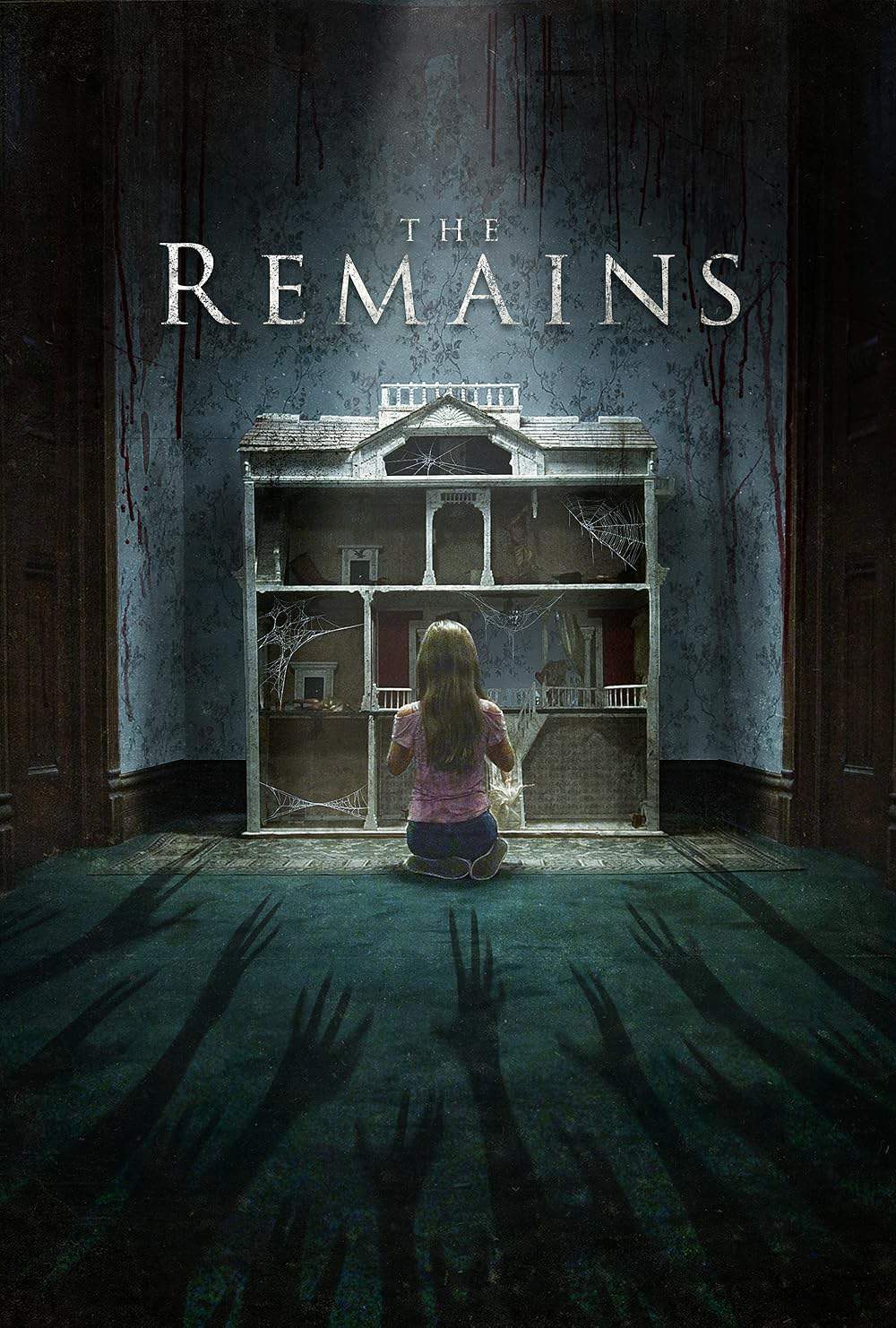
In the shadowed corners of a history-touched house, a tale unfolds that threads past and present into a single, chilling fabric. In 1891, a couple seeks the help of a spiritualist named Madame Addison, visiting at the eerie hour of 3:00 AM—the witching hour. Their goal is heartbreakingly simple: to locate their lost daughter. What follows is a night of dark intervention, and by dawn the house bears the weight of tragedy as all five people inside perish, leaving behind questions and a haunting that refuses to fade.
Fast forward to today, where a grieving husband named John purchases that same house, unaware of the century-old echoes that still murmur within its walls. He is joined by his elder daughter, Izzy, and his two younger children, Victoria and Aiden. The family begins to settle in, but the atmosphere soon grows heavy with a sense of unseen eyes watching from the attic and the corners that seem to tighten with each passing day.
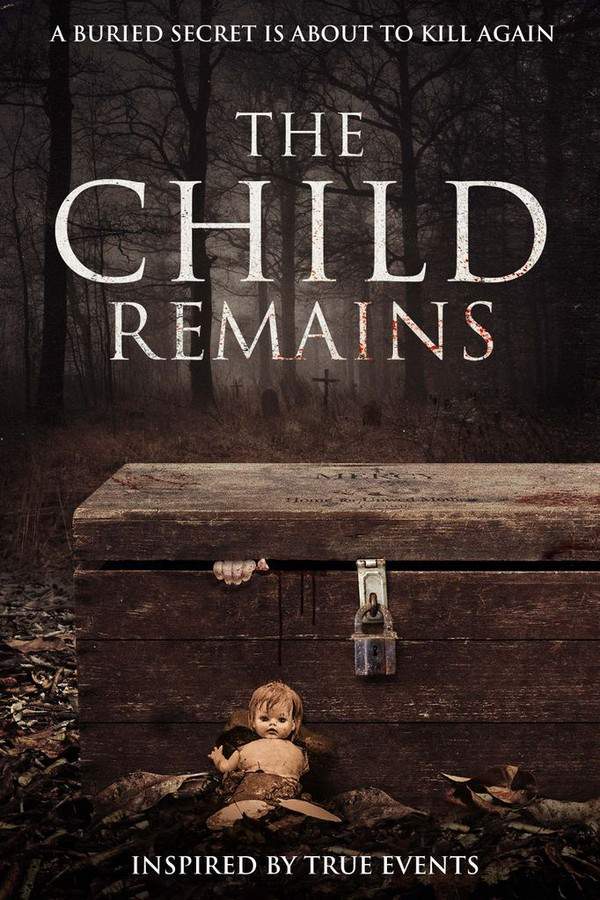
One afternoon, while playing hide-and-seek, Victoria and Aiden uncover a dusty chest tucked away in the attic. Inside lie a set of old pictures, a weathered camera, a forgotten doll, and a pocket watch that looks as if it has weathered a thousand stories. Victoria forms an instant bond with the doll, saying it reminds her of her mother, while Aiden is drawn to the old camera, as if the device holds a secret about their new home. John feels a natural pull toward the pocket watch, a tool that seems to tick away time and fate in equal measure. As these items settle into the rhythm of the house, a creeping unease settles over John, yet a strange attachment takes root within him as well.
The tension deepens when Victoria faints, and John experiences a disturbing dream in which he brutally murders Aiden in his sleep. The nightmare blurs the line between fear and reality, leaving John shaken and desperate for answers. He turns to the realtor, hoping for a straightforward explanation about the house’s past, but she admits she knows nothing of its history. Izzy, meanwhile, drifts through the days with a cooler distance, more concerned with her own plans and friends than with the growing unease that gnaws at the family.
Then a chilling event intensifies the mystery: in the attic, John glimpses a girl—the daughter from the 1891 couple. She seems to carry a message from the house’s other era, insisting that John burn the contents of the chest. He relays this whispered warning to his children and makes a move to remove the items from the house, placing them in a cardboard box at the end of the sidewalk. Yet the items reappear within the house as if the chest itself has a stubborn hold on them, binding the present to the past with an invisible thread.
Night after night, the presence grows bolder. At 3:00 AM, the younger children, now under a force they cannot resist, assault their father so violently that he teeters on the edge of death. Izzy returns to a scene of peril and finds her father on the verge of death, whispering a final, desperate directive: to burn the chest. She gathers the items, carries them to the backyard, and, with a resolve born of fear, sets them alight. But the flames come too late. The ghostly figure of Madame Addison appears and claims John, leaving the family to witness the fall of their patriarch.
With the bond to the chest severed only by tragedy, Izzy and the children escape the most immediate danger, leaving the house to burn with its secrets. They call 911, but the line disconnects, and the lights go out as Madame Addison returns, more menacing than ever. The family’s ordeal ends with Izzy, Victoria, and Aiden meeting an unseen fate off-screen, their stories cut short as the house continues to harbor its centuries-old sorrow.
In the final shot, the house passes to another family, and Claire, the person who facilitates the sale, remarks that they are right on time—the clock seems to insist on the same eerie moment, 3:00, as if the house itself demands that the past keep pace with the present.
This story threads themes of inherited fear, the allure and danger of objects tied to memory, and the way grief can awaken a house to wakeful, malignant life. The attic, the chest, and the figures from the 1891 tragedy become both catalysts and prisons, trapping a family in a loop of time where every hour looks back to a previous one, and every new dawn carries a warning from the old world that refuses to fade.