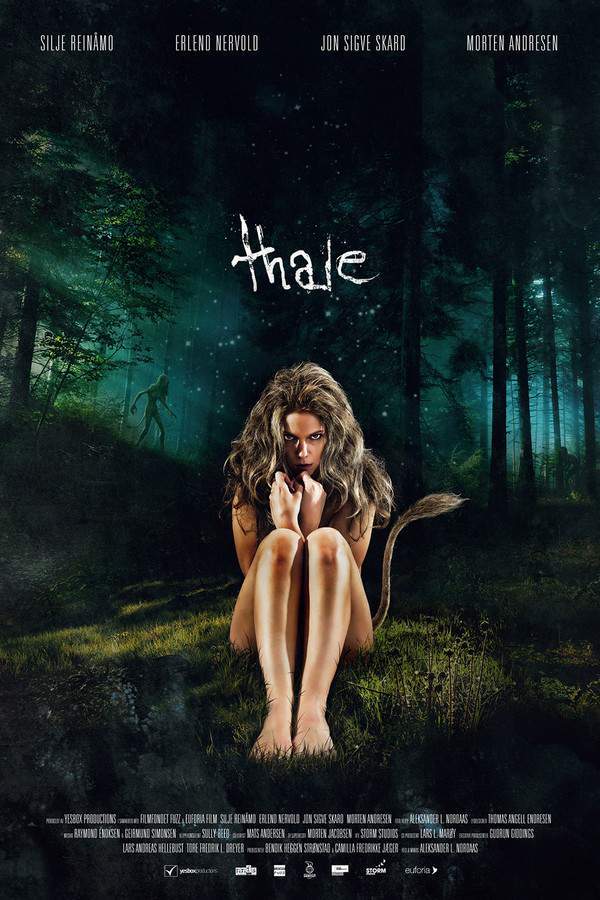
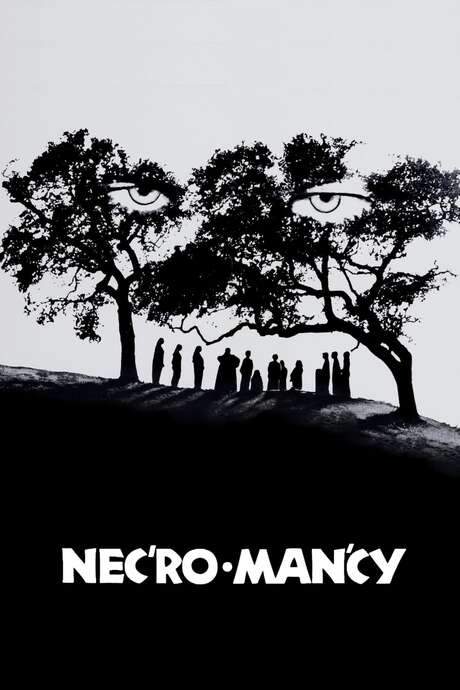
Aslak is a young boy residing with his mother, Astrid, in a picturesque hilly region known for sheep farming, situated close to a national park. One day, while exploring a farm building with his older friend Lasse, they stumble upon the horrifying remains of several sheep. Hidden nearby, they overhear Lasse’s father speak ominously to another man about how "he is killing just for fun" and declare that he will hunt down the killer, disguising the matter as merely a dog attack. Subsequently, Lasse plants a scary thought in Aslak’s mind, suggesting that the perpetrator could be a werewolf.
Later that evening, a police visit unnerves Astrid as they are searching for her eldest son, who was kicked out of the family home due to his destructive addiction. Now a suspect involved in a series of violent crimes, his absence adds to the family's tension. Astrid panics and leaves the house, leaving Aslak home alone, who finds solace in the company of his loyal dog, Rapp.
As fear and curiosity grip them, Lasse and Aslak discover more dismembered sheep throughout the fields. Aslak’s imagination runs wild, linking the mysterious happenings with the fate of his missing brother, pondering if he too could be the feared werewolf. When he dares to enter his brother's untouched room, Astrid catches him and reprimands him for trespassing. Hurt by her harsh words, Aslak asks if he can stay over at Lasse’s place for the night, a request that prompts Astrid's reluctance, as she worries about the age gap between the boys.
Once the lights are out, the two boys chatter about their older siblings and the lurking "monster that kills for fun," as Lasse hypothesizes that it resides in the nearby woods. The next morning, adventurous as they are, Lasse helps Aslak over the fence leading into the forest. However, Aslak's courage falters when he encounters a long-dead sheep, and he quickly retreats back to the safety of the pasture.
Meanwhile, Lasse's father secures the sheep in an outbuilding to protect them and reveals a stash of poisoned meat meant to be scattered in the forest as traps. As the night draws near, the boys witness a bonfire consume the sheep's remains, a grim reminder of the danger that looms around them.
Back at home during breakfast, Aslak watches anxiously as police return to their residence, prompting his mother to go outside. With children's radio playing in the background, Aslak witnesses his mother's sudden collapse and instinctively hides, catching her anguished scream that pierces through the air.
At the police station later, Aslak engages in drawing while under the watchful eyes of a policewoman. Bloody images of dead sheep decorate the adjacent wall, casting a grim atmosphere. Astrid is filled with regret over her decision to evict her elder son, expressing her sorrow, "Just another dead junkie. But he was my son!"
Continuing to spiral in turmoil, Aslak returns to his brother’s room, stealing a kerosene lighter before venturing out with Rapp. When Rapp chases something into the forest, Aslak desperately attempts to follow but soon loses sight of him, returning home empty-handed. Astrid reassures her son that they will look for Rapp in the morning, but he still hasn’t returned by daybreak, and with his mother unable to wake, Aslak embarks on a quest to find his beloved dog, armed with only a small backpack and a jam sandwich.
As he navigates through the forest, Aslak is faced with eerie sights and the disquiet of lost sheep remains. The day stretches on with fog, rain, and a startled encounter with a moose that causes him to tumble and injure his leg. As night approaches, he finds himself utterly lost, haunted by the distant, chilling calls of foxes, and seeks refuge beneath a tree as the rain drizzles unforgivingly.
During the cold, damp morning that follows, weak and starved, Aslak carries on the search for Rapp, discovering an inexplicable sight as branches move against their will. Eventually, he stumbles upon a rowboat, which carries him downstream into increasingly mysterious terrain. A shadowy figure, cloaked in darkness, seems to watch him from across an inlet as Aslak draws nearer to an abandoned house.
In his feverish state, the resident appears almost mythical, blinking in and out of existence. Aslak inquires about the "monster," and while the man does not directly deny it, he philosophizes on the nature of fear and misunderstanding, offering Aslak comfort as he succumbs to exhaustion and sleep.
Once again, the man retrieves Aslak, placing him in the boat and sending him drifting away. The boat eventually grounds itself on another bank, where the sound of barking leads Aslak to his reunion with Rapp, as he is discovered by a Red Cross search party, who brings him back to his mother.
After a period of rest, Astrid joyfully welcomes Aslak back home. Shortly thereafter, Lasse arrives with Rapp, who was simply found hiding in a barn. As Aslak plays in the field with Rapp, his mind still wanders to the forest and the lurking monster.
In a later scene, Aslak watches Lasse’s father repair the fence that leads into the woods while the poisoned bait distributed the night before. A newfound courage surges within him as he no longer fears the forest or the monsters—potentially his brother, as he believes a werewolf might indeed exist. Under the cover of darkness, Aslak returns to reclaim the poisoned bait and seeks to reopen the fence.
As the full moon rises in the night sky, a haunting wolf howl reverberates through the air. In the morning, Aslak and Astrid don black attire to attend the funeral of their older son, a moment laced with heartbreak as Astrid reflects on the lost opportunity for Aslak to bond with his brother. The film concludes with a poignant shot of Aslak, still clad in sorrowful black, rendered motionless on his brother’s bed, conveying a sense of lingering loss and unspoken fears.