Year: 1986
Runtime: 165 mins
Language: Malayalam
Director: I V Sasi
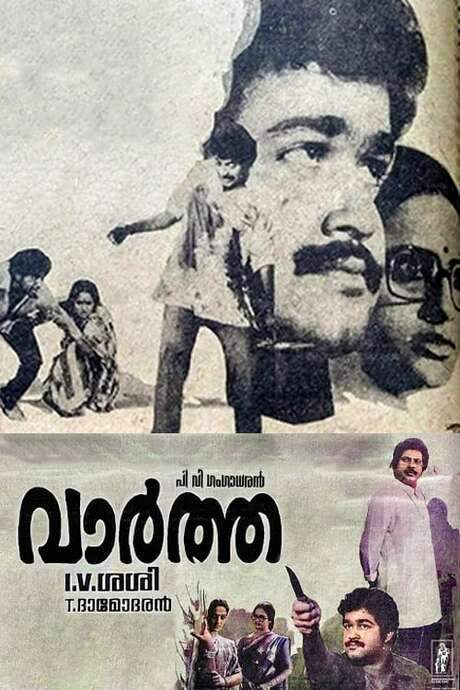
Vartha is about the freedom of the press and the “struggle between corrupt politicians and angry heroes”
Warning: spoilers below!
Haven’t seen Vartha yet? This summary contains major spoilers. Bookmark the page, watch the movie, and come back for the full breakdown. If you're ready, scroll on and relive the story!
Read the complete plot breakdown of Vartha (1986), including all key story events, major twists, and the ending explained in detail. Discover what really happened, and what it all means.
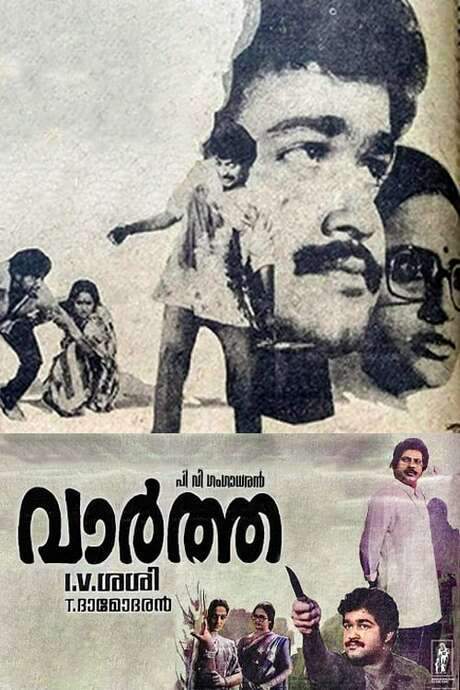
Madhavankutty [Mammootty] is a committed journalist who dedicates his work to exposing corruption within the government. He operates in a world where power and money often tilt the scales away from ordinary citizens, and his resolve puts him in direct conflict with those who would rather keep the system intact. He comes from a family grounded in ordinary life—his father Keshavan Nair and his mother Kunjulaksmi provide a quiet backdrop to the turbulent events around him.
Across the city, a complicated triangle unfolds among family and ambition. Unnikrishnan [Rahman] is a hot-headed college student whose acts of vandalism and aggression strain relationships, especially with his elder sister Radha Menon [Seema], an IAS officer who tries to keep a lid on chaos. The siblings’ younger sister, Vasanthi, watches the tensions within her family and the larger society, a tension that will pull her toward a dangerous path.
Into this volatile mix steps Vasu [Mohanlal], nicknamed “Parol Vasu,” a formidable goon who works for the corrupt businessman Manikyam. Vasu’s loyal aide Hamsa stands by him, and together they embody a ruthless approach to the city’s power players. The family dynamics become even more entangled when Vasanthi confesses she would like to marry Madhavankutty, but he is drawn to Radha, complicating loyalties and affections.
A brutal night accelerates violence: Vasu and his gang launch an attack on Madhavankutty’s home, and Radha responds with a firm demand for accountability. The confrontation culminates in an uneasy truce as Unnikrishnan and Radha navigate the consequences of the clash. Meanwhile, the siblings’ bond remains strained, and Vasanthi’s feelings begin to tilt toward Vasu, eventually leading her to align with him and even marry him.
Behind Vasu’s hard exterior lies a troubled past that explains much of his behavior. He reveals to Vasanthi a childhood shaped by hardship: his mother was confined to a mental asylum, his father spent years in a central jail and remains bedridden, and his own upbringing in an orphanage helped forge the path that turned him into a feared operative. This backstory adds a layer of complexity to his alliance with Madhavankutty, who sees in Vasu not just menace but a potential partner in reforming the system.
Despite his suspicions, Madhavankutty offers Vasu a chance to work alongside him, envisioning a new kind of partnership that could leverage Vasu’s influence for a greater good. Vasu initially hesitates, bitterness clouding his judgment, but he eventually accepts the opportunity and becomes Madhavankutty’s right-hand man, signaling a fragile alliance built on mutual need and uneasy trust.
Tension erupts again when Hamsa is killed by Inspector Francis, a blow that threatens to plunge the city into an even deeper cycle of vengeance. Vasu moves to retaliate, intent on meting out his own punishment, but Madhavankutty intervenes, insisting that the law should take its course and that vigilante violence would betray their shared ideals.
In the film’s stark and unsettled climax, the two central figures—Madhavankutty and Vasu—are gunned down by unknown shooters. The shooting shatters the fragile networks of loyalty and leaves Unnikrishnan, Radha, and Vasanthi to grapple with a future defined by loss and unanswered questions. The story closes with a newspaper report that frames the deaths as part of an ongoing investigation, underscoring the unresolved nature of justice in a city where power often blurs the line between right and wrong.
Last updated: February 18, 2026 at 23:44
Explore frequently asked questions about Vartha (1986) with spoiler-rich answers covering the full plot summary, major story beats, character motivations, hidden details, and ending meaning. This movie summary FAQ helps explain confusing scenes, plot twists, and narrative decisions in clear, searchable detail.
Vasanthi initially proposes to Madhavankutty hoping to strengthen family alliances, but he rejects her because his heart belongs to Radha. Over time, Vasanthi becomes drawn to Vasu, eventually marrying him. This shift represents her alignment with the underworld and her acceptance of a dangerous path, contrasting her original intentions.
Earlier, Vasanthi watches the tension between families and the rising violence, suggesting her descent into the criminal world was gradual.
Vasu reveals to Vasanthi that his mother was confined to a mental asylum, his father spent years in central jail and remains bedridden, and he grew up in an orphanages. This harsh upbringing forged him into a feared goon. His troubled past explains his ruthlessness and initial bitterness, making his later alliance with Madhavankutty more meaningful.
The film establishes Vasu as a formidable enforcer early on, but his violent exterior masks deeper trauma.
Madhavankutty sees potential in Vasu beyond his criminal exterior. Recognizing that Vasu has influence and knowledge of the underworld, Madhavankutty offers him a chance to channel his energy into fighting corruption legitimately. He envisions using Vasu's connections as leverage against the corrupt system rather than having Vasu remain a weapon for businessmen like Manikyam.
Madhavankutty operates in a world where power and money tilt scales away from citizens, suggesting he understands the value of unconventional allies.
Madhavankutty and Vasu are gunned down by unknown shooters in the climax. The film never definitively reveals the assassins' identity, leaving their deaths as a mystery. The final newspaper report frames the killings as part of an ongoing investigation, suggesting the corrupt system or its hired operatives are responsible.
Throughout the film, the characters operate in a world where power blurs lines between right and wrong, setting up their vulnerable position.
Initially, Vasu refuses Madhavankutty's offer due to bitterness and distrust. However, he eventually accepts, recognizing the opportunity to use his influence for a greater cause rather than serving corrupt businessmen. The alliance is fragile, built on mutual need and uneasy trust, with both men believing they can reform the system.
Vasu's backstory reveals he was shaped by hardship, suggesting he harbors deeper desires for a meaningful life beyond crime.
When Hamsa is killed by Inspector Francis, Vasu rushes to retaliate. Madhavankutty intervenes and insists that the law must take its course. He argues that vigilante violence would betray their shared ideals of fighting corruption through legitimate means. This moment tests their alliance and highlights Madhavankutty's commitment to justice over revenge.
Madhavankutty is established as a journalist dedicated to exposing corruption within the government system.
Hamsa, Vasu's loyal aide, is killed by Inspector Francis one night. This murder escalates the conflict between law enforcement and the underworld significantly. The loss of his close companion drives Vasu to seek revenge, creating tension with Madhavankutty's principle of pursuing justice through legal channels.
Hamsa is introduced as Vasu's constant companion, establishing their close bond early.
Vasanthi initially pursues Madhavankutty for marriage, hoping to align with his righteous cause. After being rejected, she gradually observes Vasu's character and eventually falls in love with him despite his criminal background. Her marriage to Vasu represents her acceptance of the dangerous underworld path rather than the principled journalistic world.
Vasanthi watches tensions within her family and the larger society, suggesting she is pulled toward the more powerful force.
Vasu, nicknamed Parol Vasu, works as a formidable goon for the corrupt businessman Manikyam. Manikyam represents the corrupt power structure that Madhavankutty fights against. Vasu's position as Manikyam's enforcer places him directly opposed to Madhavankutty initially, before their unlikely alliance forms.
The film establishes early that Vasu operates in the corrupt business world alongside political figures.
Unnikrishnan, the hot-headed college student and Radha's younger brother, leads an attack on Madhavankutty's house with his gang, throwing stones. This act of violence strains relationships and triggers a public confrontation where Radha slaps Unnikrishnan and demands he apologize. The incident reflects the escalating tensions between families and the broader political struggle.
Unnikrishnan's aggressive nature is established early, showing his tendency toward violence.
The film closes with a newspaper report citing the ongoing investigation into Madhavankutty and Vasu's deaths. This unresolved ending underscores the film's theme that justice remains elusive in a corrupt system. The investigation serves as a grim epilogue rather than resolution, emphasizing that the fight against corruption continues without its key figures.
The entire film portrays a system where power blurs lines between right and wrong, making true justice difficult to achieve.
Discover curated groups of movies connected by mood, themes, and story style. Browse collections built around emotion, atmosphere, and narrative focus to easily find films that match what you feel like watching right now.
A lone hero fighting systemic decay, often facing tragic consequences.If you were gripped by 'Vartha's' story of a journalist fighting political corruption, find more movies like Vartha that showcase heroic but often tragic crusades against systemic rot and injustice.
The narrative follows a protagonist who identifies a deep-rooted systemic flaw or a powerful corrupt entity. Their investigation and actions escalate the conflict, leading to high stakes confrontations, betrayals, and often a high personal cost.
Movies are grouped here because they share a central theme of an individual challenging overwhelming corruption. They feature a tense, high-stakes atmosphere, a bleak tone, and stories where the fight for justice comes with significant sacrifice.
Thrillers where reporters risk everything to uncover the truth.For viewers who loved 'Vartha's' focus on a journalist's perilous investigation, discover more movies like Vartha about courageous reporters battling corruption and crime to bring the truth to light.
The plot revolves around a journalist who uncovers a dangerous story. As they dig deeper, they face increasing threats from powerful adversaries, leading to a tense climax that often involves violence and deep personal loss.
These movies are connected by their focus on journalism as a central plot device, themes of press freedom versus organized crime or corrupt power, and a consistently tense, high-stakes narrative atmosphere.
Don't stop at just watching - explore Vartha in full detail. From the complete plot summary and scene-by-scene timeline to character breakdowns, thematic analysis, and a deep dive into the ending - every page helps you truly understand what Vartha is all about. Plus, discover what's next after the movie.
Track the full timeline of Vartha with every major event arranged chronologically. Perfect for decoding non-linear storytelling, flashbacks, or parallel narratives with a clear scene-by-scene breakdown.
Discover the characters, locations, and core themes that shape Vartha. Get insights into symbolic elements, setting significance, and deeper narrative meaning - ideal for thematic analysis and movie breakdowns.
Discover movies like Vartha that share similar genres, themes, and storytelling elements. Whether you’re drawn to the atmosphere, character arcs, or plot structure, these curated recommendations will help you explore more films you’ll love.
Vartha (1986) Scene-by-Scene Movie Timeline
Vartha (1986) Movie Characters, Themes & Settings
Vartha (1986) Spoiler-Free Summary & Key Flow
Movies Like Vartha – Similar Titles You’ll Enjoy
Devara Part 1 (2024) Spoiler-Packed Plot Recap
Varsham (2004) Ending Explained & Film Insights
Ramanaa (2002) Plot Summary & Ending Explained
Arhatha (1990) Full Movie Breakdown
Varalaru (2006) Story Summary & Characters
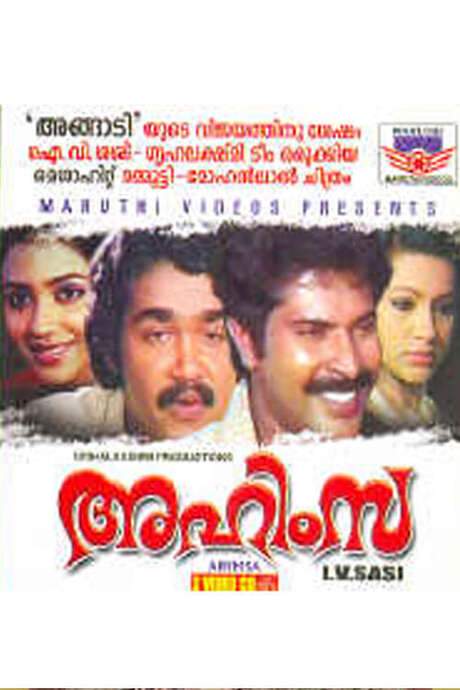
Ahimsa (1981) Ending Explained & Film Insights
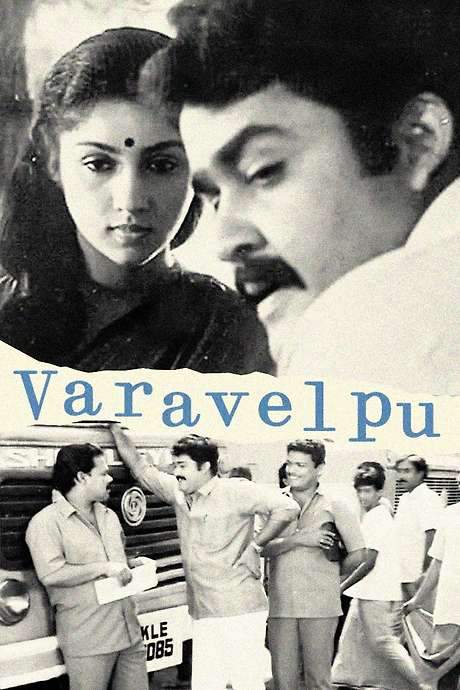
Varavelpu (1989) Complete Plot Breakdown
Varmaa (2020) Ending Explained & Film Insights
Thartharat (1989) Spoiler-Packed Plot Recap
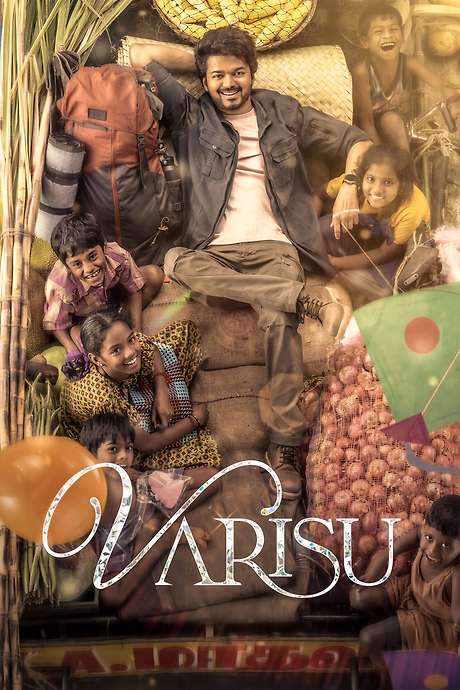
Varisu (2023) Spoiler-Packed Plot Recap
Vartha (1986) Movie Recap & Themes
Golanthara Vartha (1993) Story Summary & Characters
Varasudu (1993) Plot Summary & Ending Explained
Varnapakittu (1997) Plot Summary & Ending Explained
Bheema (2008) Film Overview & Timeline