Year: 2006
Runtime: 166 mins
Language: Tamil
Godfather Shiva, an ageing business magnate confined to a wheelchair, shares a close bond with his son Vishnu, who idles with friends and lives a carefree life. Suddenly Vishnu’s behavior shifts; drunken episodes and reckless acts embarrass his father. When Vishnu claims no memory of his deeds, Shiva seeks help from a psychiatrist.
Warning: spoilers below!
Haven’t seen Varalaru yet? This summary contains major spoilers. Bookmark the page, watch the movie, and come back for the full breakdown. If you're ready, scroll on and relive the story!
Read the complete plot breakdown of Varalaru (2006), including all key story events, major twists, and the ending explained in detail. Discover what really happened—and what it all means.
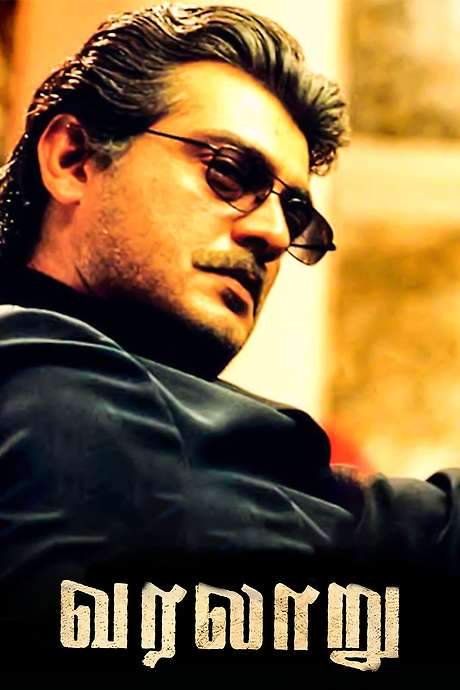
Ajith Kumar as Sivashankar, Vishnu, and Jeeva anchors a sprawling drama about power, pride, and a family torn apart by secrets. Shivashankar, a wheelchair-using multimillionaire, believes a hard lesson in responsibility will tame his spoiled son Vishnu. To that end, he sends Vishnu to Thottapuram to work with the poor, hoping the experience will temper his arrogance. Vishnu resists the plan, but a local pizza restaurant owner manipulates him and his friends into believing the village is one big brothel. Thottapuram is portrayed as a sacred place, and the restaurateur has deliberately fed the youths false stories to provoke trouble.
Divya, Asin Thottumkal, arrives with her fellow students as part of a social-activity course aimed at improving health and hygiene. They, along with Divya’s group, are invited to stay with families in the village as part of the outreach project. The students—including Divya—encounter Vishnu and his friends, who begin to woo the local girls, whom they mistake for the village’s prostitutes. When Divya uncovers their scheme, she and her colleagues decide to teach the intruders a hard, corrective lesson. The plot becomes more personal as Divya’s world intersects with Vishnu’s, and the stakes rise for everyone involved, especially as Divya’s circle includes Kaniha as Gayathri, and Sujatha as Gayathri’s mother.
Vishnu and his friends are drawn into Divya’s orbit, and the group is led to separate rooms where the girls administer a serum that makes them itch all over. The scream-filled scene marks a turning point, revealing the girls’ determined stand against the deception. In a bold move, Vishnu proposes to Divya, offering to marry her in the village temple the next day to “save her honor,” but Divya does not come. Vishnu and his friends soon realize they have been duped when they spot Divya leaving on a bus bearing the name of the girls’ college, exposing the ruse. The moment leaves Divya guilt-ridden as she sees Vishnu holding a mangala sutra, a symbol of commitment—and perhaps a real willingness to marry.
Back in his world, Vishnu returns home to a shocked Shivashankar, who learns that his son has fallen in love. Under Shivashankar’s influence, Vishnu and Divya become engaged, and life in the family appears to settle into a smoother rhythm. That sense of stability is shattered one night when Vishnu, after a nightclub party, goes to Divya’s family home in a drunken state. The family blocks him from speaking to Divya, and a confrontation erupts. He then goes to Divya’s cousin’s house to apologize but unexpectedly attempts to rape her, horrifying Divya. In the ensuing chaos, Vishnu tries to kill Shivashankar, but is stopped by Ko Thandam, Shivashankar’s trusted aide, who is stabbed in the confrontation. Disappointed and alarmed by Vishnu’s behavior, Shivashankar decides to send him to a psychiatrist.
What follows untangles a far darker truth: Jeeva, Vishnu’s younger twin, has been living under Vishnu’s identity, having taken money from the bank, gotten drunk, and visited Divya’s place to threaten or harm her cousin. Jeeva despises Shivashankar for abandoning him and his mentally challenged mother Gayathri. A grandmother reveals the hidden lineage: Gayathri became insane when Jeeva’s life hung in the balance, and the two births—Vishnu and Jeeva—were the consequence of Shivashankar’s choices. Jeeva steps into the foreground, intending to kill Shivashankar at Vishnu and Divya’s wedding. The confrontation escalates when a police officer mistakenly believes Jeeva is aiming at Shivashankar and fires at Jeeva. Shivashankar intervenes, takes a fatal wound, and dies, while Jeeva is jailed after the dramatic skirmish.
Meanwhile, the family’s fracture deepens as Gayathri withdraws from food and care. In a desperate bid to connect, Vishnu disguises himself as Jeeva and feeds his grandmother, symbolically stitching the family together once more. The film closes on a note of complicated reconciliation, with Vishnu telling Gayathri that Shivashankar is the godfather of the family. The credits promise a reveal of what really happened in the first half, a reflective coda that reframes the events that led to the tragedy and the fragile path toward forgiveness.
Last Updated: October 09, 2025 at 16:27
Discover curated groups of movies connected by mood, themes, and story style. Browse collections built around emotion, atmosphere, and narrative focus to easily find films that match what you feel like watching right now.
Families torn apart by dark pasts, long-held secrets, and shocking impersonations.Discover movies similar to Varalaru that explore complex family dynamics shattered by secrets and hidden identities. If you enjoyed the suspense of twin brothers and a traumatic past coming to light, you'll find more gripping stories of familial betrayal, mistaken identity, and the difficult path to truth and reconciliation.
These stories typically begin by establishing a stable family unit that is deliberately destabilized by a mysterious character or a sudden revelation. The plot revolves around uncovering a buried trauma, often involving a forgotten or concealed family member. The emotional journey is one of shock, betrayal, and a painful quest for the truth, culminating in a climactic confrontation that redefines the family's future.
These films are grouped together for their shared focus on the destructive power of family secrets and the use of dual identities as a central plot device. They create a tense, melodramatic atmosphere by blending psychological thriller elements with heavy-duty family drama, ensuring a gripping and emotionally charged viewing experience.
Stories that begin calmly before pivoting sharply into high-stakes psychological tension.Find movies like Varalaru that masterfully shift genres, starting as a familiar drama before plunging into psychological thriller territory. If you appreciated the bold pivot from romantic comedy to a dark story of trauma and revenge, this collection features other films with deceptive beginnings and gripping, emotionally complex second acts.
The narrative structure is defined by a clear, often drastic, tonal shift. The first act lulls the viewer into a false sense of security, making the subsequent descent into darkness more impactful. This pattern creates a unique viewing experience where the initial setup is re-contextualized, and the story explores much darker themes of trauma, mental illness, or crime than initially suggested.
Movies in this group are connected by their unconventional pacing and structure, which prioritizes emotional impact over traditional genre consistency. They share a common goal of surprising the audience and delivering a more profound, often disturbing, experience by subverting expectations established in the opening act.
Don't stop at just watching — explore Varalaru in full detail. From the complete plot summary and scene-by-scene timeline to character breakdowns, thematic analysis, and a deep dive into the ending — every page helps you truly understand what Varalaru is all about. Plus, discover what's next after the movie.
Track the full timeline of Varalaru with every major event arranged chronologically. Perfect for decoding non-linear storytelling, flashbacks, or parallel narratives with a clear scene-by-scene breakdown.
Discover the characters, locations, and core themes that shape Varalaru. Get insights into symbolic elements, setting significance, and deeper narrative meaning — ideal for thematic analysis and movie breakdowns.
Get a quick, spoiler-free overview of Varalaru that covers the main plot points and key details without revealing any major twists or spoilers. Perfect for those who want to know what to expect before diving in.
Visit What's After the Movie to explore more about Varalaru: box office results, cast and crew info, production details, post-credit scenes, and external links — all in one place for movie fans and researchers.
Discover movies like Varalaru that share similar genres, themes, and storytelling elements. Whether you’re drawn to the atmosphere, character arcs, or plot structure, these curated recommendations will help you explore more films you’ll love.
Varalaru (2006) Scene-by-Scene Movie Timeline
Varalaru (2006) Movie Characters, Themes & Settings
Varalaru (2006) Spoiler-Free Summary & Key Flow
Movies Like Varalaru – Similar Titles You’ll Enjoy
Vamsodharakudu (2000) Plot Summary & Ending Explained
Varsham (2004) Full Movie Breakdown
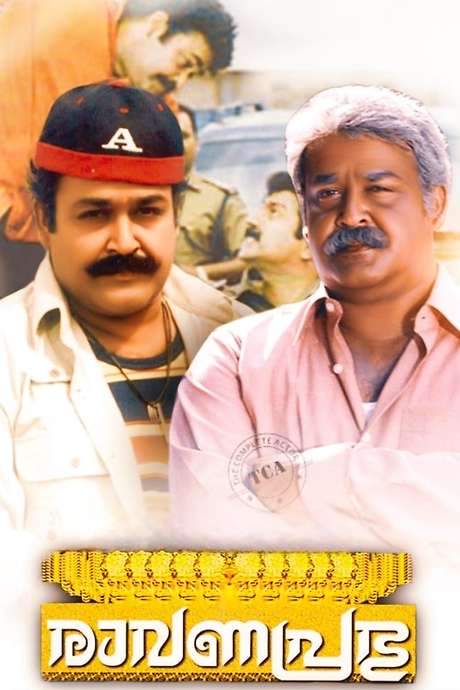
Ravanaprabhu (2001) Spoiler-Packed Plot Recap
Aalwar (2007) Full Summary & Key Details
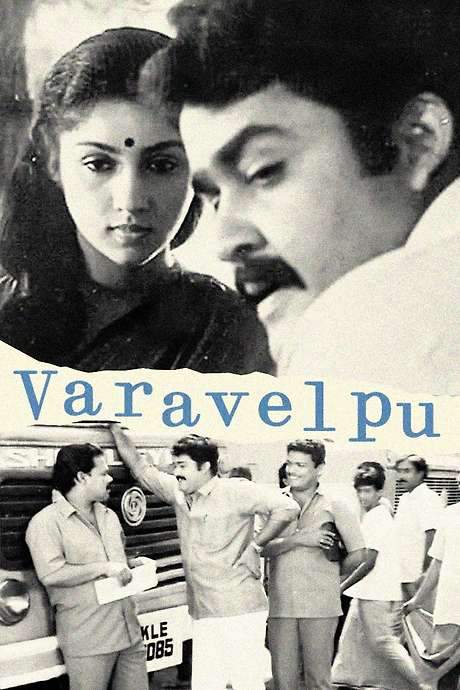
Varavelpu (1989) Detailed Story Recap
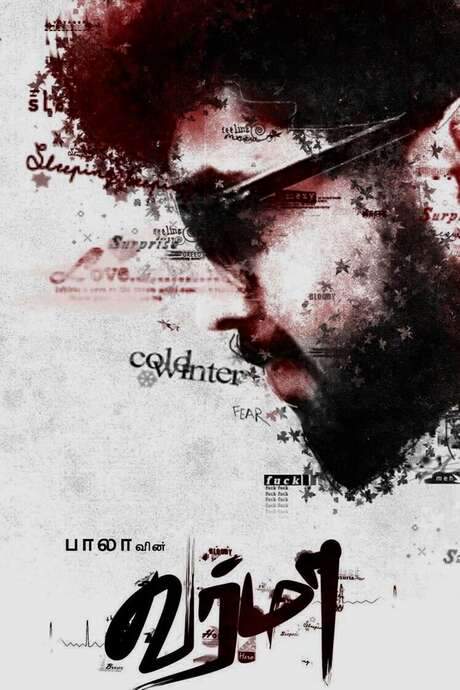
Varmaa (2020) Complete Plot Breakdown
Varusham Padhinaaru (1989) Spoiler-Packed Plot Recap
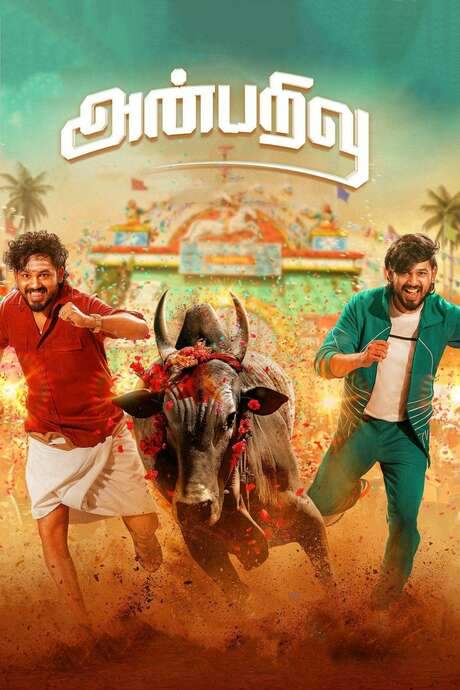
Anbarivu (2022) Detailed Story Recap
Kauravar (1992) Complete Plot Breakdown
Vishnu (1994) Plot Summary & Ending Explained
Vaaranam Aayiram (2008) Spoiler-Packed Plot Recap
Varasudu (1993) Complete Plot Breakdown
Villu (2009) Detailed Story Recap
Seval (2008) Story Summary & Characters
Devaraagam (1996) Ending Explained & Film Insights