Year: 1986
Runtime: 165 mins
Language: Malayalam
Director: I V Sasi
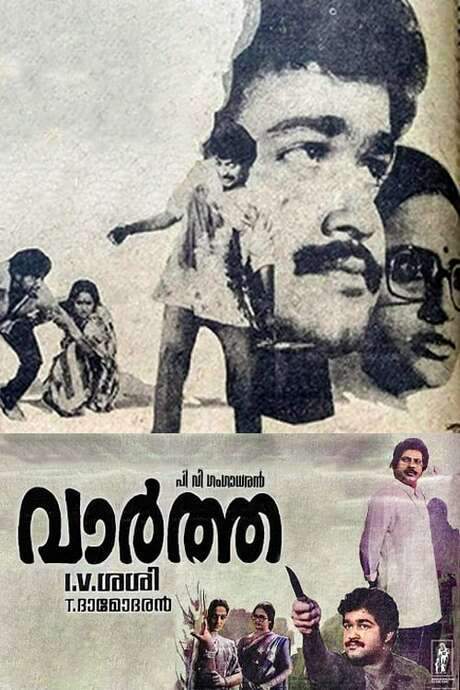
Vartha is about the freedom of the press and the “struggle between corrupt politicians and angry heroes”
Warning: spoilers below!
Haven’t seen Vartha yet? This summary contains major spoilers. Bookmark the page, watch the movie, and come back for the full breakdown. If you're ready, scroll on and relive the story!
Read the complete plot breakdown of Vartha (1986), including all key story events, major twists, and the ending explained in detail. Discover what really happened, and what it all means.
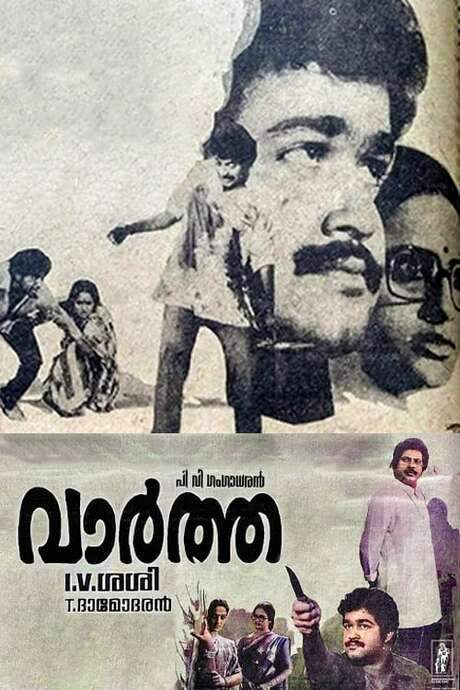
Madhavankutty, Mammootty, is a determined journalist who fights against a deeply corrupt government system, risking his safety to expose the injustices that fester in the corridors of power. He comes from a family shaped by hardship, with his father Keshavan Nair and his mother Kunjulaksmi, and the personal stakes of his work ripple through his daily life. The film sets him against a landscape where power and greed often override the truth, and where a single investigative lead can become a matter of life and death for those who chase it.
Unnikrishnan, Rahman, a volatile college student who frequently vandalizes school property, harbors a long-standing hostility toward his elder sister Radha Menon, Seema, an IAS Officer. Their family dynamic adds emotional weight to the story, as a younger sister named Vasanthi watches the frictions unfold. A tense confrontation erupts when Radha slaps Unnikrishnan after learning about the trouble he and his gang caused at Madhavankutty’s home, and she commands him to apologize, a demand he reluctantly fulfills the next day. This moment foreshadows the precarious balance between authority, crime, and family ties that threads through the narrative.
Vasu, Mohanlal, known as “Parol Vasu,” is introduced as a powerful, calculating goon who works for Manikyam, a corrupt businessman with his own agenda. Hamsa is Vasu’s loyal aide who stays by his side through thick and thin. The story also follows Vasanthi, Radha and Unnikrishnan’s younger sister, whose fate becomes entwined with the men around her as she grows increasingly drawn into the orbit of Vasu and his world. The tension thickens the air with questions about love, loyalty, and the blurry line between justice and vengeance, especially as Madhavankutty’s love for Radha complicates the loyalties at play.
One night, Vasu and his goons attack Madhavankutty, setting off a chain of retaliations and shifting allegiances. In the personal sphere, Vasanthi begins to see Vasu in a new light and gradually falls for him, ultimately marrying him. Vasu then opens up about his painful past: a mother who spent time in a mental asylum, a father who is bedridden after a spell in a central jail, and a life shaped by hardship that pushed him toward crime. He recounts growing up in an orphanage and explains how those experiences helped shape the man he has become, a narrative that adds depth to his ruthless exterior and invites audiences to consider the roots of violence.
Against this turbulent backdrop, Madhavankutty offers Vasu a job. Initially, Vasu rejects the proposal, still carrying bitterness from his past, but he soon reconsiders and accepts, stepping into the role of Madhavankutty’s right-hand man. This evolution marks a significant shift in the power dynamics of the story, as an old foe becomes a key ally in the journalist’s campaign against corruption, and as the line between protector and aggressor becomes increasingly blurred.
Tragedy strikes when Hamsa is killed by Inspector Francis, a development that reverberates through the lives of all involved. Vasu moves to mete out his own form of justice, but Madhavankutty intervenes, urging him to let the court punish the culprit and to uphold the rule of law rather than taking the law into their own hands. The moment crystallizes a central theme of the film: the conflict between vigilante impulses and the formal justice system, and how even well-intentioned actions can be distorted by violence and retribution.
In the climactic sequence, both Madhavankutty and Vasu are shot dead by unknown assailants, leaving Unnikrishnan, Radha, and Vasanthi in a state of shock and grief. The film closes with a newspaper report that summarizes the investigation into their deaths, a sober reminder of the unresolved currents of power, crime, and reform that continue to ripple through their world. TheEnding leaves viewers with a reflective sting, inviting contemplation on the costs of fighting corruption and the fragile line between justice and tragedy.
Last updated: February 18, 2026 at 23:44
Explore frequently asked questions about Vartha (1986) with spoiler-rich answers covering the full plot summary, major story beats, character motivations, hidden details, and ending meaning. This movie summary FAQ helps explain confusing scenes, plot twists, and narrative decisions in clear, searchable detail.
Unnikrishnan is a volatile college student known for vandalizing property. The attack on Madhavankutty's house signals the reach of anti-social elements into the journalist's life, demonstrating the personal threats he faces for his anti-corruption work. The incident also creates friction between his sister Radha, an IAS officer who demands accountability.
This attack sets up the later confrontation where Radha forces Unnikrishnan to apologize, establishing the power dynamic between law enforcement and criminal elements in the family.
Vasanthi grows increasingly drawn to Vasu's power and charisma as she spends time with him. Despite his reputation as a ruthless goon working for corrupt businessman Manikyam, she sees past his violent exterior and eventually marries him. This relationship marks a significant shift in allegiances within the story.
Vasu later reveals his painful past about his mother in a mental asylum and father in jail, explaining the hardships that shaped his path.
Madhavankutty, believing in reform over vengeance, offers Vasu a job as his right-hand man in his anti-corruption campaign. He sees potential in turning a former enemy into an ally against the broader corrupt system. Vasu initially refuses due to bitterness from his past but eventually accepts, marking a pivotal shift in the story's power dynamics.
This alliance becomes crucial in the fight against corruption until their simultaneous deaths.
When Hamsa is killed by Inspector Francis, Vasu wants to take revenge. Madhavankutty intervenes and urges him to let the court punish the culprit instead of taking the law into their own hands. This moment crystallizes the film's central theme: the conflict between vigilante impulses and the formal justice system, with Madhavankutty insisting on rule of law.
Despite this principled stance, both Madhavankutty and Vasu are later killed by unknown assailants, suggesting the system's failure to protect those who trust it.
In the climactic finale, both Madhavankutty and Vasu are shot dead by unknown assailants. The film leaves their killers unidentified, with a newspaper report stating the case is under investigation. This ambiguous ending reflects the film's bleak view of corruption, the protagonists' joint anti-corruption front is eliminated, and the truth remains elusive.
The earlier attacks on Madhavankutty and the threat from Manikyam's underworld suggest powerful interests wanted them silenced.
Vasanthi proposes marriage to Madhavankutty, but he declines because his heart still belongs to Radha Menon, the IAS officer. This rejection reveals the personal costs of Madhavankutty's anti-corruption crusade and the complexity of his relationships, as his commitment to Radha prevents him from accepting Vasanthi's offer.
This rejection sets the stage for Vasanthi to gravitates toward Vasu instead.
Vasu reveals to Vasanthi that he grew up in an orphanage after his mother spent time in a mental asylum and his father was bedridden following a stint in central jail. These harsh beginnings pushed him toward crime and shaped his ruthless exterior. This backstory adds depth to his violent persona and explains his loyalty to the corrupt system that exploited him.
His difficult past explains why he initially rejects Madhavankutty's offer of employment, bitterness from how society failed him.
After learning about the trouble Unnikrishnan and his gang caused at Madhavankutty's home, Radha slaps him and demands he apologize. As an IAS officer, she represents authority and accountability, and she refuses to tolerate criminal behavior even from her own brother. This confrontation underscores her stance against hooliganism and abuse of power.
This moment establishes Radha's moral authority and the precarious balance between family loyalty and justice.
Vasu starts as a goon working for corrupt businessman Manikyam and attacks Madhavankutty. However, after marrying Vasanthi and revealing his painful past, he receives a job offer from Madhavankutty. Although he initially refuses due to bitterness, he eventually accepts and becomes the journalist's right-hand man in the fight against corruption. This transformation marks a significant shift from antagonist to ally.
The transformation remains incomplete, both are killed before they can achieve lasting change.
Hamsa, Vasu's loyal aide, is killed by Inspector Francis one night. This brutal act escalates the violent conflict between the anti-corruption faction and the police. The murder justifies the growing fear in the city and triggers Vasu's desire for revenge, which Madhavankutty subsequently restrains.
This killing represents the corruption within the justice system itself, as an inspector resorts to murder.
Discover curated groups of movies connected by mood, themes, and story style. Browse collections built around emotion, atmosphere, and narrative focus to easily find films that match what you feel like watching right now.
Flawed heroes risk everything for justice in a broken system.Movies like Vartha where reformed heroes confront systemic corruption. These films share a tense, gritty tone and fast pacing, focusing on the high-stakes battle for justice. If you enjoyed Vartha's determined protagonists and grim atmosphere, explore these powerful political and crime dramas.
The narrative follows a character, often seeking personal redemption, who becomes a thorn in the side of a powerful, corrupt entity. The plot accelerates through a series of escalating confrontations, investigations, and violent setbacks, forcing the protagonist to confront their past while risking everything for a greater good. The journey is more about the nobility of the fight than a guaranteed victory.
Movies are grouped here because they share a core dynamic: the moral and physical struggle of an underdog protagonist against an overwhelmingly corrupt system. They are united by their gritty visual style, heavy emotional weight, fast-paced storytelling centered on conflict, and a tone that balances determination with grim reality.
Racing against time to expose a devastating truth.If you liked the tense investigation and high stakes in Vartha, this thread collects fast-paced thrillers about exposing corruption. These movies feature determined protagonists, serious tones, and often bleak outcomes, capturing the grim reality of challenging powerful interests.
The plot is structured around the process of an investigation, where each discovery raises the stakes and increases the threat level. The narrative moves quickly from clue to confrontation, building towards a climactic revelation or violent final act. The focus is on the procedural elements of uncovering the truth and the immense pressure faced by those involved.
These films are connected by their core premise of a high-pressure investigation into corruption or crime. They share a fast pace, a tense and serious tone, and a focus on the procedural and emotional challenges of seeking the truth against powerful adversaries. The experience is defined by a sense of urgency and imminent danger.
Don't stop at just watching - explore Vartha in full detail. From the complete plot summary and scene-by-scene timeline to character breakdowns, thematic analysis, and a deep dive into the ending - every page helps you truly understand what Vartha is all about. Plus, discover what's next after the movie.
Track the full timeline of Vartha with every major event arranged chronologically. Perfect for decoding non-linear storytelling, flashbacks, or parallel narratives with a clear scene-by-scene breakdown.
Discover the characters, locations, and core themes that shape Vartha. Get insights into symbolic elements, setting significance, and deeper narrative meaning - ideal for thematic analysis and movie breakdowns.
Discover movies like Vartha that share similar genres, themes, and storytelling elements. Whether you’re drawn to the atmosphere, character arcs, or plot structure, these curated recommendations will help you explore more films you’ll love.
Vartha (1986) Scene-by-Scene Movie Timeline
Vartha (1986) Movie Characters, Themes & Settings
Vartha (1986) Spoiler-Free Summary & Key Flow
Movies Like Vartha – Similar Titles You’ll Enjoy
Devara Part 1 (2024) Spoiler-Packed Plot Recap
Varsham (2004) Movie Recap & Themes
Ramanaa (2002) Film Overview & Timeline
Arhatha (1990) Spoiler-Packed Plot Recap
Varalaru (2006) Detailed Story Recap
Ahimsa (1981) Plot Summary & Ending Explained
Varavelpu (1989) Complete Plot Breakdown
Varmaa (2020) Full Movie Breakdown
Vartha (1986) Detailed Story Recap
Thartharat (1989) Full Movie Breakdown
Varisu (2023) Story Summary & Characters
Golanthara Vartha (1993) Ending Explained & Film Insights
Varasudu (1993) Complete Plot Breakdown
Varnapakittu (1997) Complete Plot Breakdown
Bheema (2008) Ending Explained & Film Insights