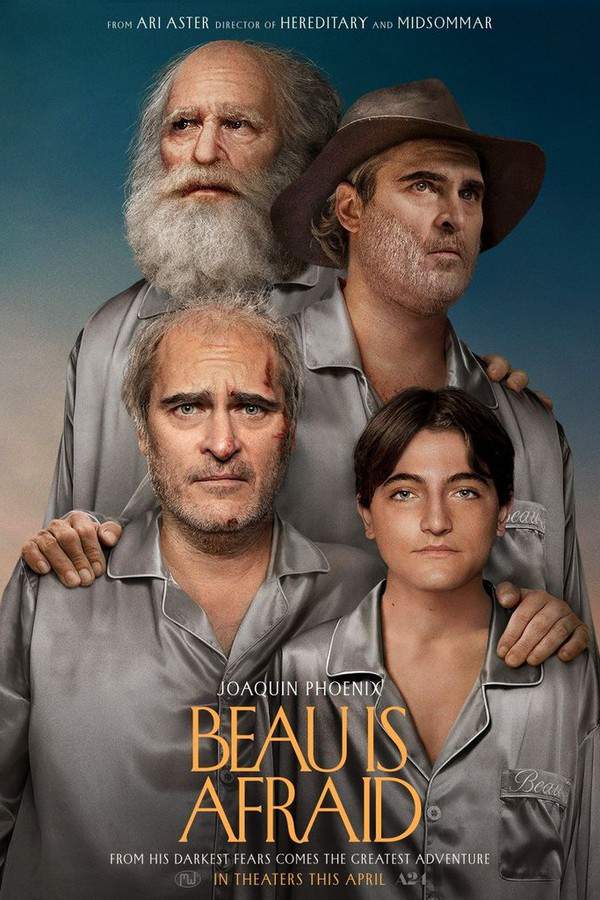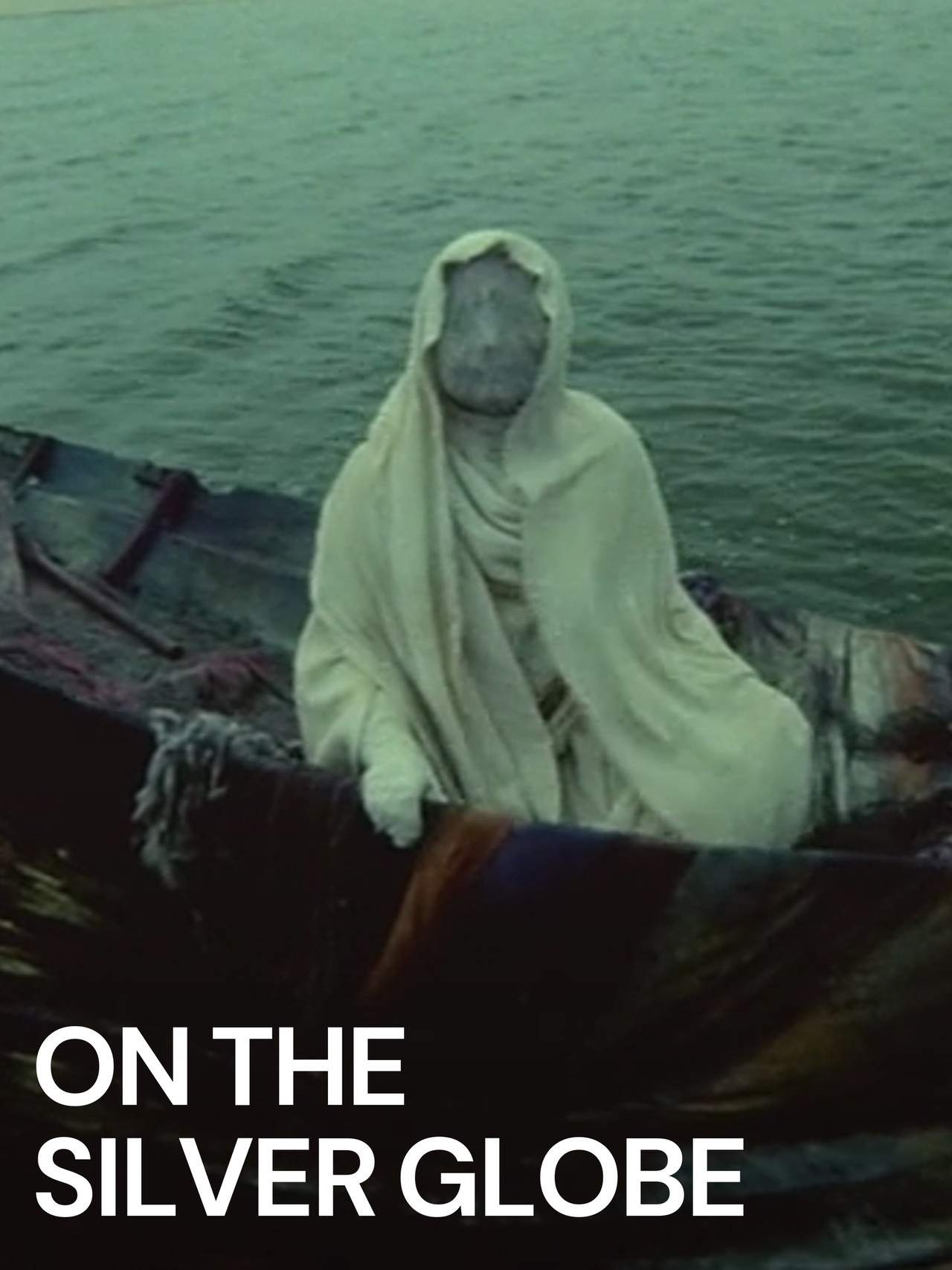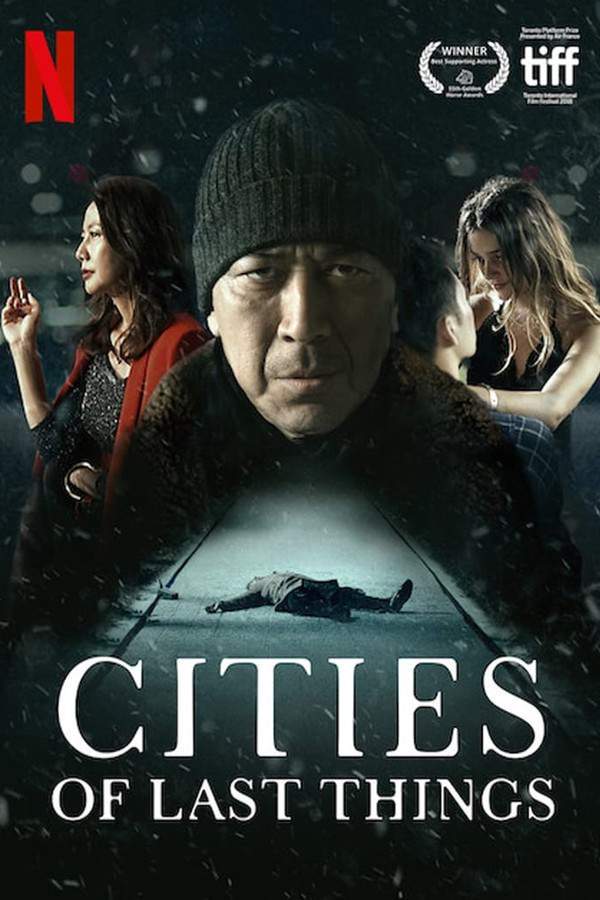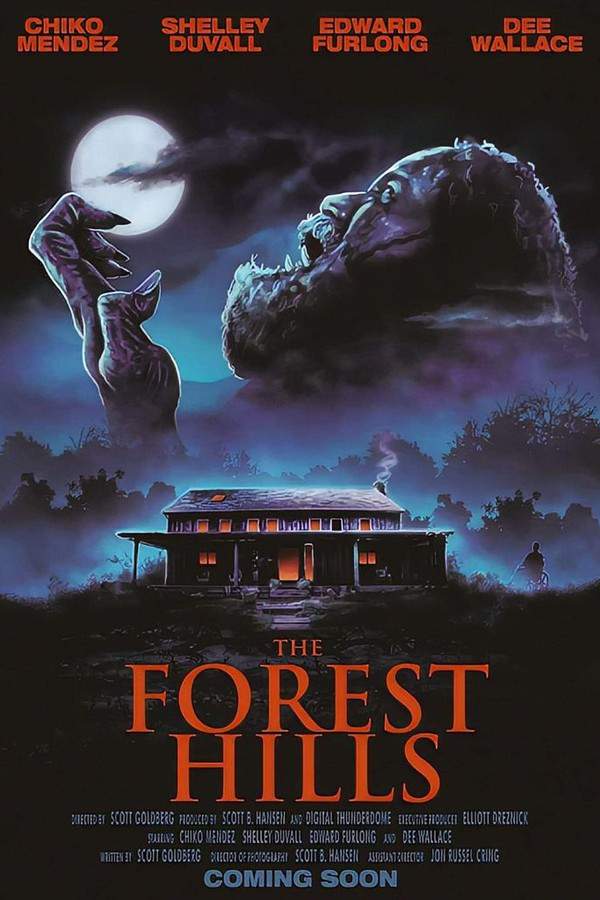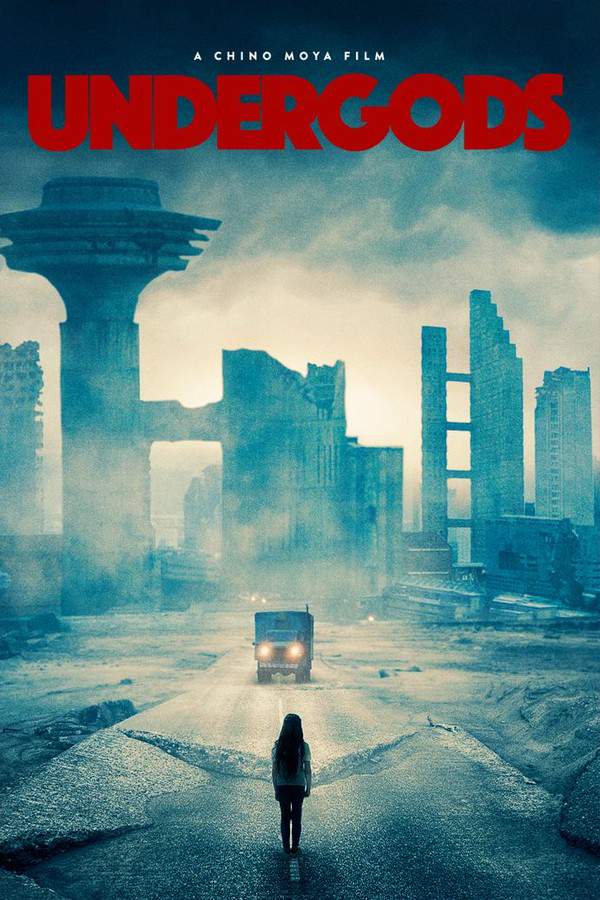
Nested dystopian nightmares and surreal frame stories like in Undergods
Stories where layered realities collapse into one another, leaving nothing but rubble. If you liked the layered, dreamlike storytelling in Undergods, explore other movies that use nested narratives and shifting realities to build unease. These surreal, philosophically heavy films blur timelines, collapse stories into each other, and reward viewers who enjoy piecing together fractured worlds of decay and dread.
- surreal
- dreamlike
- nested
- dystopian
- philosophical
- disorienting
- Tone: bleak, surreal, dreamlike
- Pacing: variable, hypnotic with sudden shocks
Why these movies?
The story pattern: These films typically begin with a seemingly ordinary framing device — two strangers trading stories, a diary entry, a recorded confession — that opens into a self-contained tale. That tale then contains another, and another, each one bleaker and more nightmarish than the last, until the boundaries between frame and inner story dissolve. Characters may literally wander between levels of reality, or the structure itself may be the only thing telling us we are inside a dream. The destination is rarely resolution; instead, the nested layers tighten around a single thematic core — isolation, failed civilization, moral rot — until the audience is left holding a hollow, recursive shape where a plot used to be.
Why they belong together: They share a commitment to structural complexity as an emotional weapon, using framing devices and dream logic to trap the viewer inside a deteriorating worldview. Tone is usually dark, pacing is variable (slow, hypnotic stretches punctuated by sudden shocks), and endings lean bleak or ambiguous. Surreal imagery, deadpan humor, and an unmistakable sense of decline — civic, familial, psychological — tie them together into one cohesive mood of recursive despair.