A family in the quiet English countryside of Essex is shattered by the loss of their young daughter. Each member grapples with immense pain and grief in their own way. The film explores the devastating impact of this tragedy on an ordinary middle-class family, delving into the psychological toll through a disturbing and unsettling cinematic journey. Utilizing a unique "meta-cinema" and "guerrilla filmmaking" style, the film aims for a shocking level of realism, blending dark and perverse elements with a mirror-like narrative that challenges sanity.
Find where to stream, rent, or buy Dariuss (2023) in the US with current JustWatch availability, up-to-date pricing, and platform listings for subscription, rental, and digital purchase options.
Warning: spoilers below!
Haven’t seen Dariuss yet? This summary contains major spoilers. Bookmark the page, watch the movie, and come back for the full breakdown. If you're ready, scroll on and relive the story!
Read the complete plot breakdown of Dariuss (2023), including all key story events, major twists, and the ending explained in detail. Discover what really happened, and what it all means.
From Dariuss, the film unfolds a brutal, unsettling tale centered on a family shattered by the disappearance of their daughter after she is filmed in a park without her knowledge. Archibald Kane as The Husband anchors the emotional core, while the rest of the family grapples with their grief in starkly different, sometimes disturbing ways. The presence of a sinister figure, Guerrilla Metropolitana as The Maniac, alongside a pregnant woman known as The Woman, portrayed by Ila Argent, casts a shadow over a night that grows increasingly uncanny and threatening.
The narrative never shows the girl’s fate directly, but it hints at murder and possibly rape. The story then widens to track a nightmarish constellation of perspectives on the family’s pain, set against a London night where reality shifts into troubling visions: a child’s strange sexual drawings, a figure in a torchlit forest manipulating two rag dolls, a pair of child’s underwear, and an empty milk bottle left in an abandoned house. These fragments mingle with the father’s private torment—drinking chocolate in his car and crying—and the grandmother’s bizarre ritual of filling bottles with breast milk, while the mother torments herself in front of a mirror, crying and taking barbiturates.
As the film pushes deeper into its disturbing psychology, the mother and grandmother engage in incestuous acts, a sequence underscored by a painting of the dead girl that appears repeatedly throughout the story. Each family member processes grief in a starkly different, increasingly aberrant way, blurring the line between sorrow and harm in a room already charged with dread.
The intrusion of a mysterious, disturbing figure—carrying a baby-like voice, a handheld camera, and the severed scalp glimpsed at the film’s start—shatters the family’s fragile sense of safety. The home becomes a scene of unimaginable violence and madness: the sleeping mother is attacked, decapitated, and then violated in a brutal turn; the grandmother is raped and her innards are devoured, while the father, who has contemplated suicide, drains the elderly woman’s breast milk, masturbates before his daughter’s painting, and is then attacked by the young maniac and devoured as the attacker films the carnage. The discovery that the daughter’s father also possessed a camera tripod raises haunting questions about who bears responsibility for the disappearance.
Amid the massacre, the dead girl reappears as a ghost at the scene, assuming the look of the girl in the painting. The family cat is killed, and the maniac, having completed his grim harvest, leaves to seek another house to invade, continuing the cycle of fear as he moves toward a new victim. The film lingers on the collision of grief, violence, and the uncanny, resisting simple answers while presenting a relentless, panoramic portrait of a family unraveling under the weight of a nightmarish +truths+ that refuses to stay buried.
Last updated: February 03, 2026 at 07:41
Explore frequently asked questions about Dariuss (2023) with spoiler-rich answers covering the full plot summary, major story beats, character motivations, hidden details, and ending meaning. This movie summary FAQ helps explain confusing scenes, plot twists, and narrative decisions in clear, searchable detail.
The father's possession of a camera tripod is a crucial detail that raises disturbing questions about his possible involvement in his daughter's disappearance. The film never confirms his guilt, but the discovery that he has the same equipment used to film the girl in the park creates a haunting ambiguity about who is truly responsible for the tragedy.
The film never directly shows the girl's fate, but strongly hints that she was murdered and possibly violated. Her body is never found, and the mystery of her disappearance drives the family's unraveling. The Maniac's possession of the severed scalp seen at the film's start suggests he may be responsible, though the father's tripod raises unsettling questions about the truth.
The Maniac is a mysterious intruder who breaks into the family home carrying a handheld camera and a severed scalp. He speaks with a baby-like voice and methodically massacres the family while filming the carnage. His motives remain ambiguous, though his random selection of victims is suggested by his departure to find another house at the end.
Each family member processes their daughter's disappearance through increasingly disturbing behaviors: the father drinks breast milk and masturbates before her painting; the mother retreats into barbiturates and镜子 torments; the grandmother obsessively fills bottles with breast milk. The film presents these as extreme psychological responses to trauma, showing how grief shatters rational coping and manifests in aberrant, even depraved ways.
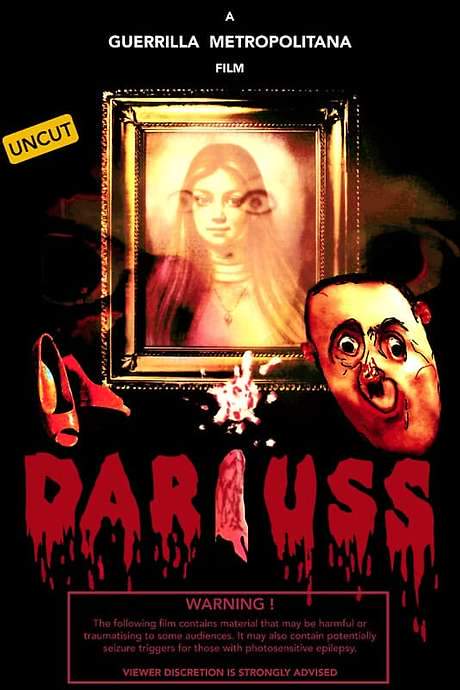
The painting of the dead girl appears throughout the film as a disturbing touchstone for the family's collective grief. It serves as a constant reminder of their loss and becomes an object of disturbing fixation for the father, who pleasures himself before it. The painting also connects to the ghost's appearance at the end, which takes on the girl's look from the artwork.
The father's consumption of breast milk represents one of many extreme, disturbing coping mechanisms triggered by his daughter's disappearance. Combined with his contemplation of suicide and his disturbing rituals before his daughter's painting, his actions reveal how guilt and Madness drive him to increasingly aberrant behaviors as he processes overwhelming grief.
After the massacre, the dead girl appears as a ghost at the scene, assuming the look from her painting. This apparition reinforces themes of memory, art, and haunting trauma. Her presence lingers as the violence fades, symbolizing how the family's tragedy and the truth of her disappearance will forever haunt those involved.
The Maniac carries a handheld camera throughout the film and records his massacre of the family. This meta-cinema element aligns with the film's guerrilla filmmaking style and creates a disturbing documentation of violence. The act of filming becomes part of his domination and control over his victims, adding another layer of violation to his attacks.
The pregnant woman attacked on a London street represents the Maniac's broader violence that extends beyond the family. While she appears to be a random victim, her attack expands the sense of danger across London's nocturnal streets and suggests the Maniac is hunting for vulnerable targets. Her fate foreshadows the family's own massacre.
The incestuous acts between the mother and grandmother represent the family's complete moral decay under the weight of grief. These disturbing scenes show how trauma has fractured their rational minds, leading to aberrant behaviors that blur the line between sorrow and harm. The acts occur alongside the recurring painting of the dead girl, deepening the sense of dysfunction.
The film ends with the Maniac walking into the night to find another house to invade, suggesting an endless cycle of violence and predation. This bleak conclusion offers no resolution or justice for the family, leaving only the certainty that another tragedy will unfold elsewhere. The cycle of fear continues unresolved.
Discover curated groups of movies connected by mood, themes, and story style. Browse collections built around emotion, atmosphere, and narrative focus to easily find films that match what you feel like watching right now.
Films that confront the raw, devastating psychological toll of tragedy.For viewers who appreciated the raw psychological exploration of loss in Dariuss, this collection features similar movies about grief and trauma. Discover other intense horror films and dramas that delve into family breakdown and psychological decay with a bleak, unflinching tone.
Narratives in this thread typically follow characters—often a family unit—as they are shattered by a profound tragedy. The story focuses less on a traditional plot and more on the internal, psychological fallout, charting a descent into madness, aberrant behavior, and the complete breakdown of normalcy, often culminating in a bleak or catastrophic ending.
These films are grouped together because they share a core focus on the psychological devastation of grief. They employ a consistently dark tone, high emotional weight, and frequently feature disturbing themes to create an immersive and harrowing experience centered on trauma's irreversible impact.
Movies that use a gritty, unpolished style to heighten realism and unease.If you were captivated by the raw, meta-cinema style of Dariuss, this list showcases similar movies that use guerrilla filmmaking techniques. Explore other horror and thriller films with a documentary-like feel that aim for shocking realism and psychological immersion.
The narrative in these films is often presented as if captured rather than constructed. This can involve found-footage, mockumentary, or strong meta-narrative elements that comment on the act of filmmaking itself. The style is a key component of the horror, creating a sense of immediacy, chaos, and a disturbing lack of safety for the viewer.
These movies are connected by their commitment to a specific, gritty cinematic style that serves the theme. The raw aesthetics are not just a choice but a core narrative device to enhance realism, generate psychological unease, and create a more visceral and disturbing connection to the story's events.
Don't stop at just watching - explore Dariuss in full detail. From the complete plot summary and scene-by-scene timeline to character breakdowns, thematic analysis, and a deep dive into the ending - every page helps you truly understand what Dariuss is all about. Plus, discover what's next after the movie.
Track the full timeline of Dariuss with every major event arranged chronologically. Perfect for decoding non-linear storytelling, flashbacks, or parallel narratives with a clear scene-by-scene breakdown.
Discover the characters, locations, and core themes that shape Dariuss. Get insights into symbolic elements, setting significance, and deeper narrative meaning - ideal for thematic analysis and movie breakdowns.