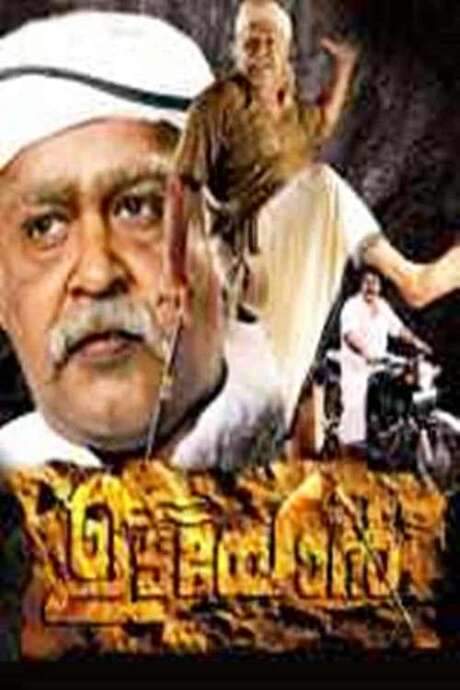
Kunju, Mohanlal, the 75-year-old patriarch of the Shooranadu family, believes the heartbeat of the earth is found in soil and farming. He elevates agrarian living to a sacred ideal and treats farming as the ultimate measure of a person’s worth, a stance that repeatedly puts him at odds with his children. His rigid devotion to land and labor creates a constant tension at home, especially with his son Pappoyi, Mohanlal, as he tries to steer his life in directions that diverge from his father’s agricultural creed. The family’s dynamics are further shaped by Mammali, Siddique, and Pottan Pathru, Manoj K Jayan, two other sons who find themselves pulled between filial duty and their own aspirations, all under Kunju’s stern watch.
Kunju’s devotion to the soil is so strong that it colors every major decision, including the question of whom his daughters and sons should marry. He believes in marrying off his daughter to a fellow farmer rather than an educated, handsome doctor, a choice that sparks silent resentment and open frustration among the siblings. This moment crystallizes the idea that Kunju’s ideals are not merely about work but about control over the family’s future, and it unsettles the balance that the younger generation is trying to strike between tradition and opportunity.
Hidden under the surface of these clashes is a long-buried secret. Kunju had swindled a substantial portion of land—five acres—that should have gone to his sister Eechamma, by discreetly altering his Father’s Will with the help of the family lawyer. The deceit remains a ticking time bomb, waiting to redefine loyalties within the family. When the truth surfaces years later, it lands squarely on Eechamma, and she decides to reclaim what is rightfully hers through legitimate channels. Eechamma, played by Bindu Panicker, is pushed into a financial squeeze that makes legal redress feel like a necessity rather than a choice.
The revelation comes at a moment that forces old wounds to the surface. Mullassery Sreedharan, the family lawyer, reveals the truth to Eechamma, setting off a chain of actions that echo through generations. Eechamma’s decision to pursue her rightful share through lawful means deepens the rift within the family, turning a private grievance into a public dispute that involves siblings and in-laws alike. The backstory of an earlier tragedy—Eechamma’s husband, a toddy shop owner, taking his own life under financial strain after pleading for Kunju’s help—casts a pall over the present conflict and explains the emotional stakes behind the characters’ choices.
Into this already fragile balance step Mathan, Kalabhavan Mani and his brother-in-law Mundaparitha Perumal, a local Tamil village chieftain and arbitrator. Their interference injects a new layer of complexity into the property dispute, highlighting how communal power dynamics can complicate private family grievances. Yet Eecha, the sister who longs for fairness rather than harm, does not seek revenge against her brother. Her younger son Pottan Pathru, Manoj K Jayan and his voice-impaired perspective echo her stance, underscoring a family thread that values restraint even amid escalating tensions.
As the dispute escalates, Papoyi’s efforts to broker peace falter. The family’s internal strife grows more personal and dangerous as the plot tightens around the threads of property and loyalty. The tension culminates in a cruel turn: Kunju’s youngest son Ponnan becomes a pawn in the struggle and is killed in the process of pressuring the transfer of land. In a chilling act of retaliation, Kunju kills Perumal, and the keys to the family estate are handed to Eecha as Kunju is arrested and taken away in custody.
The prison doors close on Kunju, but his reaction as he leaves the house is one of stark, almost wailing repentance. The film closes on a conflicted note: a man who has built his life on uncompromising principles now confronted with the consequences of those choices. Across the arc of the story, the characters—Pappoyi, Mammali, Pottan Pathru, Mathan, and Eecha—reveal the human cost of stark ideals when they collide with family bonds and the stubborn pursuit of land and legacy. The narrative remains grounded in its careful portrayal of position and power within a traditional family, painting a portrait of pride, loss, and the quiet ache of a life spent trying to measure worth in soil.