Year: 2005
Runtime: 162 mins
Language: Malayalam
Director: Rosshan Andrrews
Udayabhanu works as an assistant director and scriptwriter, hoping to break through in the film world. His aspirations are derailed when his roommate, junior artiste Rajappan Thengamoodu, pilfers his screenplay and uses it to launch himself as the new superstar, Saroj Kumar.
Warning: spoilers below!
Haven’t seen Udayananu Tharam yet? This summary contains major spoilers. Bookmark the page, watch the movie, and come back for the full breakdown. If you're ready, scroll on and relive the story!
Read the complete plot breakdown of Udayananu Tharam (2005), including all key story events, major twists, and the ending explained in detail. Discover what really happened, and what it all means.
Udayabhanu Mohanlal is a devoted cinema buff and a talented assistant director who dreams of writing and directing his own film in an industry crowded with dubious filmmakers. He lives and breathes movies, letting their grand visions steer his every decision, and he believes his own script could rise above the noise if given a fair shot. His ambitious pace and unwavering faith in the art form put him at the center of a brewing storm, where the line between art and survival often blurs.
Rajappan Thengummoodu Sreenivasan is a crooked friend of Udayabhanu and an aspiring and ultimately failed actor. He embodies the cutthroat side of the industry, chasing fame by any means and testing loyalties along the way. His charm masks a hunger for the spotlight, and his actions set off a chain of events that threaten to derail Udayabhanu’s dream before it can truly begin.
As Udayabhanu prepares to shoot his first film based on his own script, a chilling discovery shatters his plans: Rajappan has stolen the manuscript. Filming moves forward with Rajappan occupying the lead role, and this turn of events thrusts Udayabhanu into a crisis that challenges both his professional ambitions and his personal life. The revelation stings deeply, because it not only robs him of creative control but also threatens the trust and stability of his marriage.
Madhumathi Meena is his actress wife, whose support and companionship once anchored his dreams. Yet their relationship is strained by Udayabhanu’s fevered pressure and chaotic behavior, especially after a night of drinking that leaves him volatile and impulsive. The emotional fallout takes a toll at home, and Madhumathi ultimately makes the painful decision to leave, signaling a turning point in the director’s life as he confronts the consequences of his ambitions.
With support from producer Babykuttan Mukesh, Udayabhanu contemplates another shot at his dream. The plan seems straightforward until the industry’s reality intrudes once more: Rajappan remains the supposedly marketable lead, and he resists cooperation, turning on the ego and pulling distractions that threaten to derail the project. Rajappan spends most of his time flirting with the actresses and creating friction on set, further complicating the fragile balance between art and business.
As the shoot nears its end, Rajappan uses a perceived insult as a calculated ruse and walks off the set, hoping this act will crater Udayabhanu’s career once and for all. Yet the filmmaker’s resolve hardens. He devises clever tactics to finish the film without Rajappan’s cooperation, secretly filming the remaining scenes with him unaware of the final cut. The on-set maneuvers underscore the persistence of vision in the face of treachery, turning what could have been a ruinous standoff into a demonstration of ingenuity and resilience.
In the end, the completed film emerges as both a critical triumph and a box-office success, rescuing Udayabhanu from a profession that seemed ready to swallow him whole. Rajappan’s performance, though initially a shield for his own ambitions, gives way to a rare moment of honesty: he publicly acknowledges that Udayabhanu is the true star, not himself, and he offers a sincere apology. The conflict resolves with a sense of earned vindication, and the industry’s harsh realities are tempered by the enduring power of perseverance, talent, and the unexpected paths that can lead a true artist to recognition.
Last updated: October 09, 2025 at 16:34
Explore frequently asked questions about Udayananu Tharam (2005) with spoiler-rich answers covering the full plot summary, major story beats, character motivations, hidden details, and ending meaning. This movie summary FAQ helps explain confusing scenes, plot twists, and narrative decisions in clear, searchable detail.
Rajappan, a struggling actor and self-described friend, stole Udayabhanu's original script to launch his own acting career. Seeing an opportunity to become a star without putting in the creative work, he took credit for the screenplay and positioned himself as the lead actor under the stage name Saroj Kumar. His motivation was purely opportunistic fame-seeking, exploiting Udayabhanu's trust and creative labor.
Early scenes establish Rajappan's cutthroat attitude and his envy of Udayabhanu's creative abilities.
After Rajappan deliberately left the set using a fake insult as pretext, Udayabhanu devised clever tactics to shoot the remaining scenes without Rajappan's knowledge or cooperation. He filmed the scenes with Rajappan present but unaware that these takes would be used in the final cut, effectively completing the movie through strategic deception. This ingenuity allowed the production to finish and become a successful film.
Udayabhanu's reputation as a resourceful filmmaker is established early in the story.
Madhumathi decided to leave because Udayabhanu's chaotic behavior, driven by his obsessive pursuit of his filmmaking dream, created unbearable tension at home. His drunken outbursts and volatile mood swings after the script theft crisis took a severe toll on their marriage. The cumulative emotional strain, rather than a single incident, led her to conclude that he had lost everything worth keeping.
The narrative hints at Udayabhanu's single-minded intensity from the start, showing how his all-consuming passion for cinema affects his personal relationships.
When Rajappan cast himself as the lead in the film adapted from Udayabhanu's stolen script, his performance unexpectedly garnered attention and propelled him toward stardom. The script's quality, originally written by Udayabhanu, combined with Rajappan's screen presence helped him become a marketable hero under the name Saroj Kumar. This ironic turn meant the stolen work actually launched Rajappan's career while Udayabhanu remained marginalized.
The script is described as having genuine potential, which explains why it succeeded even in stolen hands.
Rajappan used a perceived insult as a calculated pretext to abandon the production, hoping to sabotage Udayabhanu's career once and for all. His ego and resentment toward working under a director he had wronged made him willing to destroy the project rather than cooperate. The walkout was a strategic move to ensure Udayabhanu would fail, though it ultimately backfired.
Throughout production, Rajappan's resistance and ego-driven behavior signal his unreliability.
Producer Babykuttan believed in Udayabhanu's talent and offered him a second opportunity to make a film, helping restore his professional reputation. Despite this lifeline, Udayabhanu remained forced to cast Rajappan as the hero due to the latter's market value, creating an uncomfortable dynamic where the director had to work with the person who had betrayed him. This second chance ultimately led to the film's completion and success.
Babykuttan's faith in Udayabhanu is hinted at when he steps in to support the struggling director.
After the film became a critical and commercial success, Rajappan recognized that Udayabhanu's creative vision was the true source of the achievement. Rather than continue claiming credit, he made a public acknowledgment that Udayabhanu was the real star behind the film's triumph. This moment of honesty saved his own career from long-term damage and represented genuine character growth.
The film's unprecedented success provides the context for Rajappan's change of heart.
The crisis was triggered by the double blow of script theft and the subsequent breakdown of his marriage. Discovering that his trusted friend Rajappan had stolen his manuscript sent Udayabhanu into a downward spiral of desperation and chaotic behavior. When his wife Madhumathi left him, the combination of professional betrayal and personal loss created a full-blown crisis that threatened to destroy his career entirely.
The theft discovery is explicitly described as shattering his plans and trust.
The film succeeded because Udayabhanu's original script contained genuine creative merit, and his persistence ensured it reached completion. Even with Rajappan's walkout and the need for unconventional filming solutions, the story's quality and Udayabhanu's directorial vision shone through. The critical acclaim and box office success validated his artistic integrity and perseverance.
The script's inherent quality is established early as the foundation of the project's potential.
Udayabhanu's unwavering commitment to his artistic vision and his belief in the power of cinema drove him to persist despite the betrayal. Rather than abandon his dream after having his script stolen and his personal life unravel, he channeled his frustration into creative problem-solving. His resolve hardened with each obstacle, demonstrating that his passion for filmmaking outweighed the pain caused by those who wronged him.
His character is established as someone who lives and breathes movies, letting their grand visions steer his every decision.
Discover curated groups of movies connected by mood, themes, and story style. Browse collections built around emotion, atmosphere, and narrative focus to easily find films that match what you feel like watching right now.
Stories of talent and persistence overcoming betrayal and industry obstacles.Discover movies like Udayananu Tharam where talented underdogs face betrayal and industry rivalry. These films capture the struggle and ultimate triumph of creative individuals, blending professional drama with personal resilience for a cathartic and hopeful experience.
This narrative pattern centers on a gifted but undervalued protagonist whose work is plagiarized or success is blocked by a rival, often someone close to them. The story follows their journey of rebuilding, proving their worth, and achieving recognition through sheer resilience and superior talent, culminating in a vindicating success.
Movies are grouped here for their shared focus on the creative process, the tension of professional betrayal, and the uplifting arc of an underdog's perseverance. They offer a hopeful, industrious vibe where the protagonist's dedication is ultimately rewarded.
Emotional journeys where perseverance leads to public redemption from personal betrayal.If you liked the satisfying redemption in Udayananu Tharam, explore these stories of vindication. They feature characters rebuilding their lives after a deep betrayal, leading to a cathartic and emotionally rewarding conclusion that celebrates resilience.
The story begins with a close relationship shattered by a significant act of betrayal, such as a stolen idea or broken trust. The protagonist endures a period of hardship and doubt but chooses to persevere. The narrative builds methodically towards a public moment of truth or success that exposes the betrayer and restores the hero's reputation.
This thread connects films that share a specific emotional arc: the bitter sting of betrayal followed by the sweet satisfaction of vindication. The cohesive vibe is a steady build of tension that releases in a highly cathartic and hopeful resolution.
Don't stop at just watching - explore Udayananu Tharam in full detail. From the complete plot summary and scene-by-scene timeline to character breakdowns, thematic analysis, and a deep dive into the ending - every page helps you truly understand what Udayananu Tharam is all about. Plus, discover what's next after the movie.
Track the full timeline of Udayananu Tharam with every major event arranged chronologically. Perfect for decoding non-linear storytelling, flashbacks, or parallel narratives with a clear scene-by-scene breakdown.
Discover the characters, locations, and core themes that shape Udayananu Tharam. Get insights into symbolic elements, setting significance, and deeper narrative meaning - ideal for thematic analysis and movie breakdowns.
Discover movies like Udayananu Tharam that share similar genres, themes, and storytelling elements. Whether you’re drawn to the atmosphere, character arcs, or plot structure, these curated recommendations will help you explore more films you’ll love.
Udayananu Tharam (2005) Scene-by-Scene Movie Timeline
Udayananu Tharam (2005) Movie Characters, Themes & Settings
Udayananu Tharam (2005) Spoiler-Free Summary & Key Flow
Movies Like Udayananu Tharam – Similar Titles You’ll Enjoy
Thangamagan (2015) Story Summary & Characters
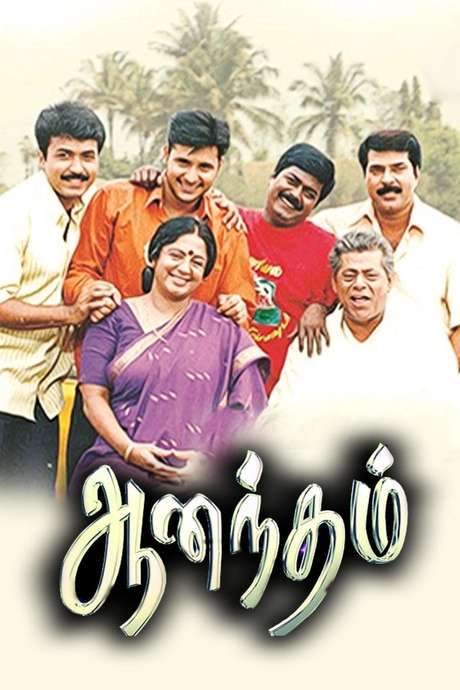
Anandham (2001) Film Overview & Timeline
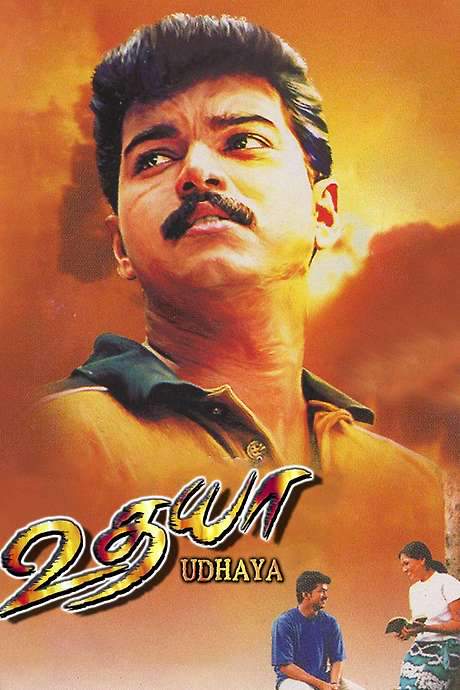
Udhaya (2004) Film Overview & Timeline
Thirumalai (2003) Spoiler-Packed Plot Recap
Udayon (2005) Film Overview & Timeline
Uyarndha Ullam (1985) Ending Explained & Film Insights
Naanum Single Thaan (2021) Plot Summary & Ending Explained
Udayapuram Sulthan (1999) Full Movie Breakdown
Usthad (1999) Movie Recap & Themes
Server Sundaram (1964) Full Summary & Key Details
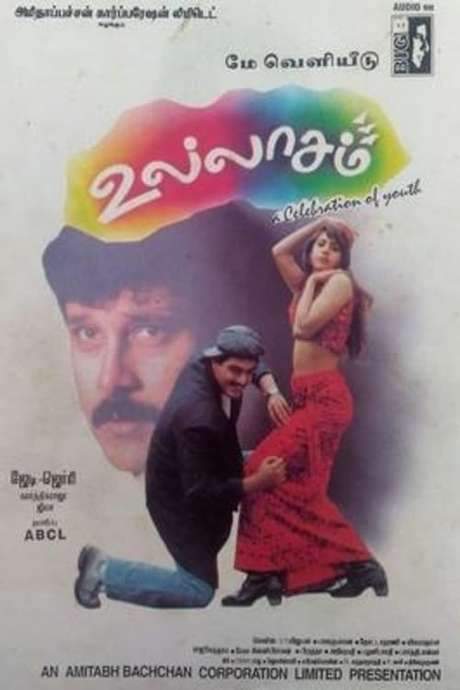
Ullasam (1997) Movie Recap & Themes
Manthramothiram (1997) Movie Recap & Themes
Ullasappoonkattu (1997) Full Summary & Key Details
Vasantha Vaasal (1996) Movie Recap & Themes
Thaaram Theertha Koodaram (2023) Story Summary & Characters